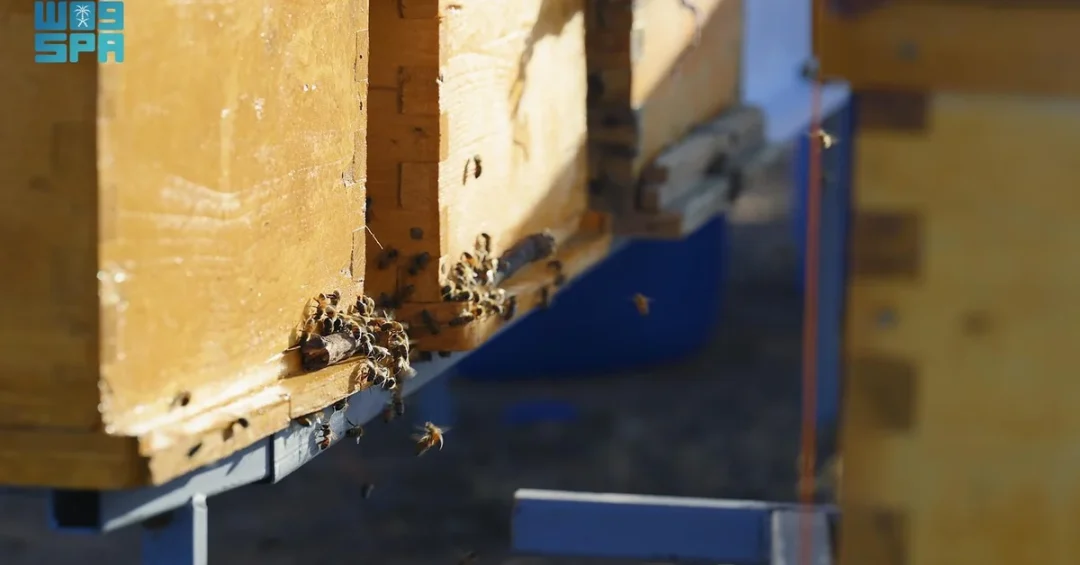
Saudi Arabia’s local honey producers are set to showcase their finest products at the “Reef Valley” exhibition in Diriyah on September 25-26, 2024. The two-day event, part of the Sustainable Agricultural Rural Development Program (Saudi Reef), highlights the Kingdom’s thriving apiculture sector and its commitment to rural development and sustainable agriculture.
Context and Background
The Reef Valley exhibition, held at the scenic Diriyah Biennale, is a key initiative under Saudi Reef, a program dedicated to enhancing rural communities and boosting agricultural production. Since its launch, Saudi Reef has supported over 10,584 small honey producers, injecting SAR140 million into the sector and increasing annual honey production to 3,120 tons last year. The program aims to raise production to 7,500 tons by 2026, further solidifying Saudi Arabia’s position as a leader in high-quality honey production.
Key Details
The exhibition will feature dedicated pavilions where honey producers can market their products to a broad audience, including agricultural experts, businesses, and visitors. The event also includes participation from farmers and agricultural businesses, offering a vibrant mix of entertainment, culture, and learning experiences for all ages. Saudi Reef’s support extends to establishing queen bee breeding stations, providing mobile clinics and laboratories to diagnose bee diseases, and promoting modern beekeeping techniques to ensure sustainability and innovation among rural producers.
Implications and Impact
The Reef Valley exhibition is more than a showcase; it is a strategic platform to promote local honey, which often surpasses imported varieties in taste and purity. By facilitating market access and raising awareness, the event contributes to the economic empowerment of rural communities and reinforces Saudi Arabia’s commitment to self-sufficiency in honey production. It also attracts tourism and highlights the Kingdom’s rich agricultural heritage on both national and international stages.
Vision 2030 Alignment
This initiative aligns with Saudi Vision 2030 by diversifying the economy, supporting rural development, and promoting sustainable agriculture. Through programs like Saudi Reef, the Kingdom is not only preserving its agricultural traditions but also fostering innovation and economic growth, ensuring a prosperous future for its rural communities and enhancing its global standing in high-quality honey production.
20 Questions
Q1. What is the Reef Valley exhibition?
A1. The Reef Valley exhibition is a two-day event in Diriyah showcasing Saudi Arabia’s finest local honey and agricultural products. It is part of the Sustainable Agricultural Rural Development Program (Saudi Reef) and aims to promote rural development and sustainable agriculture.
Q2. When and where will the Reef Valley exhibition take place?
A2. The exhibition will be held on September 25-26, 2024, at the Diriyah Biennale in Diriyah, Saudi Arabia. It is organized under the Sustainable Agricultural Rural Development Program (Saudi Reef).
Q3. What is Saudi Reef?
A3. Saudi Reef, or the Sustainable Agricultural Rural Development Program, is a national initiative supporting rural communities and agricultural sectors, including apiculture. It provides resources, training, and market access to enhance production and sustainability.
Q4. How many honey producers does Saudi Reef support?
A4. Saudi Reef supports over 10,584 small honey producers across the Kingdom. These producers benefit from the program’s initiatives, which include financial support, modern beekeeping techniques, and market opportunities.
Q5. How much has Saudi Reef invested in the honey sector?
A5. Saudi Reef has injected SAR140 million into the honey sector since its launch. This investment has helped boost annual honey production and improve the livelihoods of rural beekeepers.
Q6. What is the current annual honey production in Saudi Arabia?
A6. Annual honey production in Saudi Arabia reached 3,120 tons last year. The Saudi Reef program aims to increase this figure to 7,500 tons by 2026.
Q7. What is the target for honey production by 2026?
A7. The target is to achieve 7,500 tons of honey production by 2026. This goal reflects Saudi Arabia’s commitment to self-sufficiency and leadership in high-quality honey production.
Q8. What activities are planned at the Reef Valley exhibition?
A8. The exhibition will feature honey and agricultural product displays, pavilions for marketing, and activities for all ages. It includes entertainment, cultural experiences, and learning opportunities about Saudi Arabia’s agricultural heritage.
Q9. Who can attend the Reef Valley exhibition?
A9. The exhibition is open to the public, including agricultural experts, businesses, and casual visitors. It aims to attract a broad audience interested in Saudi honey and rural development.
Q10. How does Saudi Reef support bee health?
A10. Saudi Reef provides mobile clinics and laboratories to diagnose bee diseases. It also establishes queen bee breeding stations and promotes modern beekeeping techniques to ensure healthy colonies and sustainable production.
Q11. What makes Saudi honey unique?
A11. Saudi honey is known for its exceptional taste and purity, often surpassing imported varieties. It is produced from diverse floral sources across the Kingdom, reflecting the rich agricultural heritage of Saudi Arabia.
Q12. How does the exhibition benefit honey producers?
A12. The exhibition provides a platform for producers to market and promote their products to a wide audience. It connects them with agricultural experts and businesses, opening new market opportunities and increasing sales.
Q13. What role does Saudi Reef play in rural development?
A13. Saudi Reef enhances rural development by supporting small producers, improving infrastructure, and promoting sustainable practices. It empowers rural communities economically and socially, aligning with Saudi Vision 2030.
Q14. How does the exhibition contribute to tourism?
A14. The Reef Valley exhibition attracts visitors to Diriyah, showcasing Saudi Arabia’s agricultural heritage and cultural activities. It boosts local tourism and highlights the Kingdom as a destination for unique cultural experiences.
Q15. What is the significance of holding the event in Diriyah?
A15. Diriyah, a historic site and cultural hub, provides a prestigious backdrop for the exhibition. It reflects Saudi Arabia’s commitment to preserving heritage while promoting modern agricultural initiatives.
Q16. How does the exhibition align with Vision 2030?
A16. The exhibition supports Vision 2030 by diversifying the economy, empowering rural communities, and promoting sustainable agriculture. It showcases Saudi Arabia’s progress in achieving self-sufficiency and global competitiveness in honey production.
Q17. What types of honey will be showcased?
A17. The exhibition will feature a variety of local honeys, including those from different regions of Saudi Arabia. Each type reflects the unique floral sources and beekeeping traditions of the Kingdom.
Q18. How can producers participate in the exhibition?
A18. Producers can participate by registering with Saudi Reef or the event organizers. They will be allotted pavilions to display and market their products to attendees and potential buyers.
Q19. What are the economic benefits of the honey sector?
A19. The honey sector provides income for rural communities, creates jobs, and supports local economies. It also reduces reliance on imports, contributing to economic diversification and self-sufficiency.
Q20. How does Saudi Reef ensure sustainability in beekeeping?
A20. Saudi Reef promotes modern beekeeping techniques, provides training, and supports research on bee health. These efforts ensure sustainable practices that protect bee populations and enhance honey production for future generations.
Reader Feedback
We value your thoughts. Please share your feedback on this article.
Your feedback helps us improve our coverage.