


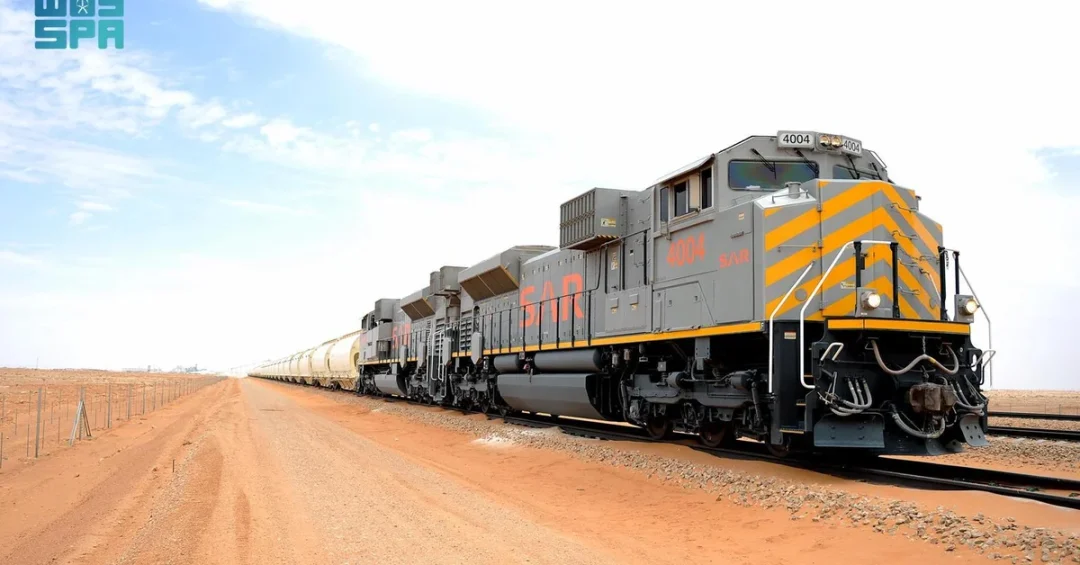
Saudi Arabia’s transport and logistics sector has achieved unprecedented milestones in the Kingdom’s 94th year, ranking fourth in road quality among G20 nations and climbing to 15th globally in container handling, according to the Saudi Press Agency (SPA). These accomplishments, driven by unwavering leadership support since the Kingdom’s unification, have positioned Saudi Arabia as a global leader in transportation innovation and efficiency.
Context and Background
Since its founding, Saudi Arabia has prioritized the development of a robust transport and logistics network as a cornerstone of national progress. Under the visionary guidance of the Custodian of the Two Holy Mosques, King Salman bin Abdulaziz Al Saud, and His Royal Highness Crown Prince Mohammed bin Salman, the sector has undergone a comprehensive transformation. This journey is aligned with the National Transport and Logistics Services Strategy, a key pillar of Saudi Vision 2030, which aims to diversify the economy and enhance connectivity. The Kingdom’s strategic location at the crossroads of three continents has been leveraged to build world-class infrastructure, fostering economic growth and international trade.
Key Details
The Kingdom’s road network has been recognized for its exceptional quality, with Saudi Arabia ranking fourth in the road quality index among G20 nations. This achievement is bolstered by the implementation of the Saudi Highway Code and cutting-edge technologies such as rubber asphalt and road cooling, which enhance road management and maintenance. In land transport, the intercity bus network has expanded significantly, with over 60 million passengers utilizing public buses in the first half of 2024. Initiatives to adopt modern and environmentally friendly transportation modes have also been introduced.
At the maritime level, Saudi ports have ascended to 15th place globally in annual container handling, with three Saudi ports featured in the prestigious Lloyd’s List One Hundred Ports 2024. The Kingdom’s leadership in global maritime affairs is further evidenced by its presidency of the International Maritime Organization Council for 2024-2025 and its hosting of the UNCTAD Global Supply Chain Forum in 2026. In air transport, Saudi Arabia has chaired international aviation organizations and hosted major conferences, including the Executive Council of the Arab Civil Aviation Organization and the third annual Future Aviation Forum. The national air carrier fleet has expanded with deals securing more than 264 new aircraft and 100 electric aircraft, bringing the total required aircraft to 583. The number of professions targeted for localization in the air transport sector has also increased.
Railways have seen significant advancements, with contracts signed to connect logistics areas with industrial cities and establish a passenger station. During the Hajj season 1445 AH, the Haramain High-Speed Railway witnessed a 42% increase in passengers compared to the previous year. In logistics, the LOGISTI platform, launched by the Transport General Authority, now offers over 140 logistics services, streamlining business processes. Additionally, a contract was signed to establish a Saudi logistics city in Djibouti’s free trade zone. The Hajj season also showcased modern and environmentally friendly transportation solutions, including self-driving vehicles, electric scooters, and advanced monitoring systems.
Implications and Impact
These achievements have far-reaching implications for Saudi Arabia and the global community. The Kingdom’s improved road quality and expanded transport networks facilitate smoother domestic and international trade, boosting economic competitiveness. The rise in container handling and the hosting of international forums underscore Saudi Arabia’s growing influence in global supply chains and maritime governance. The expansion of the national air carrier fleet and the localization of aviation professions contribute to job creation and technological advancement. Furthermore, the integration of railways and logistics platforms enhances efficiency and sustainability, supporting the goals of Vision 2030 by fostering a diversified economy and improving quality of life. Regionally, the establishment of a Saudi logistics city in Djibouti strengthens ties with Africa and enhances trade routes, while the successful management of Hajj transportation showcases the Kingdom’s capability to handle large-scale events with innovation and care.
Vision 2030 Alignment
These accomplishments are a testament to the Kingdom’s unwavering commitment to Vision 2030, which seeks to transform Saudi Arabia into a global logistics hub and a model of sustainable development. By investing in state-of-the-art infrastructure, embracing smart technologies, and fostering international partnerships, Saudi Arabia is not only enhancing its own connectivity but also contributing to global trade and cultural exchange. As the Kingdom continues its journey towards a prosperous future, the transport and logistics sector will remain a driving force, embodying the aspirations of a nation determined to lead on the world stage.
20 Questions
Q1. What rank does Saudi Arabia hold in the road quality index among G20 nations?
A1. Saudi Arabia ranks fourth in the road quality index among G20 nations, reflecting its commitment to maintaining high standards in infrastructure and leveraging advanced technologies for road management.
Q2. How many passengers used public buses in Saudi Arabia in the first half of 2024?
A2. Over 60 million passengers utilized public buses in the first half of 2024, demonstrating the expanded capacity and reliability of the intercity bus network.
Q3. What is the LOGISTI platform and who launched it?
A3. The LOGISTI platform, launched by the Transport General Authority, offers over 140 logistics services to streamline business processes and enhance efficiency in the logistics sector.
Q4. How many new aircraft has Saudi Arabia secured recently?
A4. Saudi Arabia has secured more than 264 new aircraft and 100 electric aircraft, bringing the total number of required aircraft to 583 to support the expansion of the national air carrier fleet.
Q5. What percentage increase in passengers did the Haramain High-Speed Railway see during Hajj 1445 AH?
A5. The Haramain High-Speed Railway experienced a 42% increase in passengers compared to the previous year, showcasing its efficiency and popularity during the Hajj season.
Q6. Which Saudi ports were mentioned in the Lloyd’s List One Hundred Ports 2024?
A6. Three Saudi ports were mentioned in the Lloyd’s List One Hundred Ports 2024, highlighting the Kingdom’s significant role in global maritime trade and port management.
Q7. What international maritime position does Saudi Arabia hold for 2024-2025?
A7. Saudi Arabia holds the presidency of the International Maritime Organization Council for 2024-2025, underscoring its leadership in global maritime affairs.
Q8. What major event will Saudi Arabia host in 2026 related to supply chains?
A8. Saudi Arabia will host the UNCTAD Global Supply Chain Forum in 2026, further establishing its role as a key player in global trade and logistics.
Q9. What technologies are used in Saudi Arabia’s road management?
A9. Saudi Arabia uses the Saudi Highway Code along with advanced technologies such as rubber asphalt and road cooling to facilitate road management and maintenance.
Q10. What initiatives have been taken for environmentally friendly transportation in Saudi Arabia?
A10. Initiatives include the adoption of modern and environmentally friendly means of transportation, such as self-driving vehicles and electric scooters, particularly showcased during the Hajj season.
Q11. What contracts were signed regarding railways in Saudi Arabia?
A11. Contracts were signed to connect logistics areas with industrial cities and establish a passenger station, enhancing the railway network’s integration and capacity.
Q12. Where will a Saudi logistics city be established?
A12. A contract was signed to establish a Saudi logistics city in Djibouti’s free trade zone, strengthening trade links and logistics capabilities in the region.
Q13. What is the National Transport and Logistics Services Strategy?
A13. The National Transport and Logistics Services Strategy is a key initiative under Vision 2030 aimed at transforming Saudi Arabia into a global logistics hub by developing efficient, safe, and sustainable transport networks.
Q14. How many professions are targeted for localization in the air transport sector?
A14. The number of professions targeted for localization in the air transport sector has increased, contributing to job creation for Saudi nationals and enhancing sector expertise.
Q15. What role did Saudi Arabia play in the Arab Civil Aviation Organization?
A15. Saudi Arabia presided over the Executive Council of the Arab Civil Aviation Organization, demonstrating its leadership in regional aviation matters.
Q16. What was showcased during the Hajj season regarding transportation solutions?
A16. During the Hajj season, modern and environmentally friendly transportation solutions were showcased, including self-driving vehicles, electric scooters, and advanced monitoring systems.
Q17. How does Saudi Arabia rank globally in annual container handling?
A17. Saudi Arabia ranks 15th globally in annual container handling, reflecting the efficiency and capacity of its ports.
Q18. What is the significance of the Future Aviation Forum hosted by Saudi Arabia?
A18. The Future Aviation Forum, hosted by Saudi Arabia, serves as a platform for international collaboration and innovation in the aviation sector, highlighting the Kingdom’s role in shaping the future of air travel.
Q19. What benefits does the LOGISTI platform offer to businesses?
A19. The LOGISTI platform offers over 140 logistics services, streamlining business processes, reducing costs, and improving overall efficiency in the logistics sector.
Q20. How do these achievements align with Saudi Vision 2030?
A20. These achievements align with Vision 2030 by enhancing infrastructure, promoting economic diversification, creating jobs, and positioning Saudi Arabia as a global leader in transport and logistics.
Reader Feedback
We value your thoughts. Please share your feedback on this article.
Your feedback helps us improve our coverage.
Related articles
 DCO Launches Digital Economy Navigator to Bridge Global Digital Gap
 Saudi Commerce Chambers Mark 78 Years of Achievement
 Gambian President Receives SFD CEO in Makkah
 Saudi Minister Meets Argentine Counterpart at UN Summit
 Local Honey Shines at Reef Valley Exhibition in Diriyah
 FII Institute CEO Reviews 8th Conference in Riyadh