


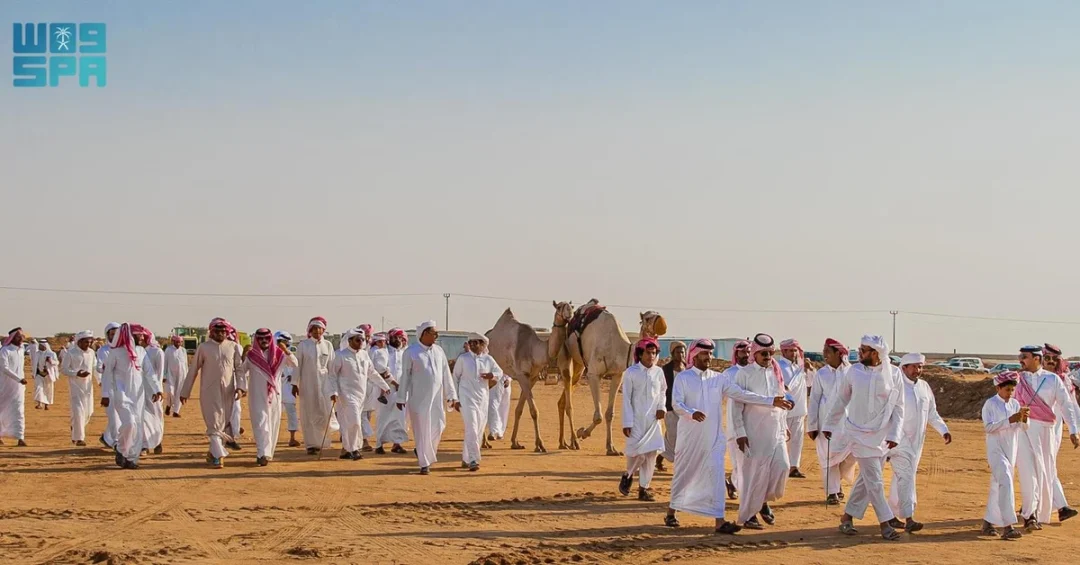
RIYADH — Camel auctions at the Camel Avenue Festival in Taif recorded an unprecedented single-day sales figure, with transactions reaching approximately SAR10 million within the past 24 hours. The official announcement, released by the Saudi Press Agency (SPA) on Monday, September 23, 2024, highlighted that the camel market in Sayyida and Harajat has quickly become a focal point for investors and breeders, drawing substantial interest from across the Kingdom and beyond.
Context and Background
Taif, famed for its temperate climate and deep-rooted cultural heritage, has long been a gathering place for camel enthusiasts. The Camel Avenue Festival builds on this legacy, transforming traditional auctions into a modern, organized marketplace that showcases the finest purebred camels. The event is part of a broader national effort to preserve Saudi Arabia’s desert heritage while generating tangible economic returns. Under the guidance of the Ministry of Culture and the Ministry of Environment, Water and Agriculture, such festivals have evolved into professional platforms that connect breeders, investors, and international buyers.
In recent years, camel festivals across the Kingdom—from the renowned King Abdulaziz Camel Festival to local events in Taif and elsewhere—have gained global prominence. These gatherings celebrate the camel as a symbol of Saudi identity and as a valuable economic asset. The Camel Avenue Festival specifically has carved a niche by focusing on high-value auctions that attract serious investors, with daily sales volumes reflecting the confidence in this growing market.
Key Details
The record-breaking SAR10 million in sales was achieved through both bulk and individual auctions at the Sayyida and Harajat markets. These venues have become synonymous with quality and transparency, offering a regulated environment where buyers can bid on camels of exceptional lineage and health. The auctions cater to a wide range of participants, from local farmers to wealthy collectors and international investors seeking top-tier stock.
According to the SPA report, the festival has seen consistent daily increases in transaction values, underscoring the robust demand for camels in the Kingdom. The market’s ability to facilitate such large-scale transactions in a single day speaks to the efficiency of the auction system and the growing sophistication of the camel trade. Beyond the monetary figures, the festival provides a platform for cultural exchange, with participants sharing knowledge on breeding, care, and the historical significance of camels in Arabian society.
The event also features educational and entertainment activities for visitors, including camel beauty contests, heritage exhibitions, and traditional crafts. These elements help attract a diverse audience, further boosting economic activity in Taif and surrounding regions. Local businesses, including hotels, restaurants, and transport services, benefit from the influx of visitors, creating a multiplier effect that extends beyond the auction grounds.
Implications and Impact
The record sales at the Camel Avenue Festival have significant implications for Saudi Arabia’s economic diversification efforts. The camel sector, though rooted in tradition, is increasingly seen as a viable contributor to non-oil GDP. By formalizing auctions and establishing clear market mechanisms, the Kingdom is unlocking the economic potential of this heritage industry. This aligns with the goals of Vision 2030 to develop new revenue streams and empower local communities.
Internationally, the festival enhances Saudi Arabia’s reputation as a destination for cultural tourism and specialized trade. Investors from Gulf Cooperation Council (GCC) countries and beyond are taking notice, recognizing the value of Saudi camels, which are prized for their beauty, endurance, and genetic purity. The event also serves as a diplomatic and cultural bridge, fostering ties with other nations that share an appreciation for camel heritage. As the market grows, it could attract foreign investment and expertise, further integrating Saudi Arabia into global livestock and heritage networks.
From a social perspective, the festival supports rural livelihoods by providing breeders with a reliable marketplace and fair prices. It also creates jobs in event management, logistics, veterinary services, and tourism. The Saudi government’s commitment to preserving cultural traditions while promoting economic modernization is clearly demonstrated through such initiatives, which balance heritage with progress.
Vision 2030 Alignment
The Camel Avenue Festival exemplifies how Saudi Arabia’s Vision 2030 is weaving cultural heritage into the fabric of economic transformation. By turning traditional camel auctions into a multi-million-riyal enterprise, the Kingdom is not only preserving a cherished aspect of its identity but also creating sustainable economic opportunities for its citizens. As Saudi Arabia continues to diversify its economy and open its doors to the world, events like this showcase the nation’s ability to honor its past while building a prosperous future. The record sales in Taif are a testament to the enduring value of Saudi heritage and the visionary leadership that guides its development.
20 Questions
Q1. What is the Camel Avenue Festival?
A1. The Camel Avenue Festival is a major cultural and economic event held in Taif, Saudi Arabia, that celebrates camel heritage and hosts auctions for purebred camels. It attracts investors, breeders, and visitors, serving as a platform for trade and cultural exchange.
Q2. How much did the festival earn in one day?
A2. According to the Saudi Press Agency, the festival recorded nearly SAR10 million in sales within a 24-hour period, setting a new record for single-day transactions at the event.
Q3. Where exactly are the auctions held?
A3. The auctions take place at the camel markets in Sayyida and Harajat, two locations in Taif that are well-known for hosting high-value camel sales and attracting serious buyers.
Q4. Who organized the Camel Avenue Festival?
A4. The festival is organized under the auspices of Saudi government entities, including the Ministry of Culture and the Ministry of Environment, Water and Agriculture, as part of national efforts to promote heritage and economic development.
Q5. When did this record-breaking sale occur?
A5. The sale occurred in the 24 hours leading up to the SPA announcement on September 23, 2024, marking a significant milestone for the festival.
Q6. What types of camels are sold at the festival?
A6. The festival features purebred camels of various lineages, prized for their beauty, endurance, and genetic quality. These camels are sought after by collectors, breeders, and investors from Saudi Arabia and abroad.
Q7. How does the festival support Vision 2030?
A7. The festival aligns with Vision 2030 by diversifying economic resources, promoting cultural tourism, and creating economic opportunities for citizens in the heritage sector, thus reducing dependence on oil.
Q8. What is the significance of camel festivals in Saudi culture?
A8. Camel festivals are deeply rooted in Saudi heritage, symbolizing hospitality, tradition, and national identity. They also serve as important economic drivers, fostering community engagement and preserving ancestral customs.
Q9. Are there international participants in the auctions?
A9. Yes, the auctions attract interest from international investors, particularly from GCC countries, who recognize the value of Saudi camels and seek to acquire top-quality stock.
Q10. How do the auctions work?
A10. The auctions operate through both bulk and individual sales, allowing buyers to bid on camels in a regulated and transparent environment. The process ensures fair competition and accurate valuation.
Q11. What economic benefits does the festival bring to Taif?
A11. The festival boosts local businesses such as hotels, restaurants, and transport services, creates jobs in event management and veterinary services, and stimulates the regional economy through increased visitor spending.
Q12. How does the government ensure the welfare of camels at the festival?
A12. The Ministry of Environment, Water and Agriculture oversees the festival to ensure compliance with animal welfare standards, including proper care, nutrition, and veterinary supervision throughout the event.
Q13. Can tourists attend the Camel Avenue Festival?
A13. Yes, the festival is open to the public, including international tourists, offering them a unique opportunity to experience Saudi heritage, watch auctions, and participate in cultural activities.
Q14. What other activities are available at the festival?
A14. Beyond auctions, the festival features camel beauty contests, heritage exhibitions, traditional crafts, and educational programs, providing a comprehensive cultural experience for attendees.
Q15. How does the festival contribute to job creation?
A15. The festival creates direct and indirect employment in areas such as event coordination, logistics, security, hospitality, and retail, offering income opportunities for local residents and supporting small businesses.
Q16. What makes Saudi camels so valuable?
A16. Saudi camels are renowned for their superior genetics, beauty, and adaptability to desert conditions. They are often used in racing, beauty pageants, and breeding programs, commanding high prices in the market.
Q17. Is the camel market in Taif growing?
A17. Yes, the market is expanding rapidly, as evidenced by the record sales. Increased investment and participation indicate a growing demand for camels and a thriving trade sector.
Q18. How does the festival promote cultural exchange?
A18. The festival brings together people from different regions and countries, facilitating the sharing of knowledge about camel breeding, care, and traditions, thereby strengthening cultural ties and mutual understanding.
Q19. What role does the Saudi Press Agency play in reporting the event?
A19. The Saudi Press Agency (SPA) is the official news agency of the Kingdom, providing accurate and timely information about the festival’s activities and achievements to domestic and international audiences.
Q20. What are the future prospects for the Camel Avenue Festival?
A20. With ongoing support from the government and growing interest from investors, the festival is expected to continue expanding, setting new records and further contributing to Saudi Arabia’s economic diversification and cultural preservation.
Reader Feedback
We value your thoughts. Please share your feedback on this article.
Your feedback helps us improve our coverage.
Related articles
 SPL Issues Commemorative Stamp on 94th Saudi National Day
 Tariq Abdulhakim Centre Concludes National Day Events
 Riyadh International Book Fair 2024: Online Registration Now Open
 Imam Turki bin Abdullah Reserve Hosts National Day Events
 Saudi Center for New Media Art Names Participants in Emerging Artist Program
 Saudi Arabia’s KSGAAL Signs MoU with Kazakh University