


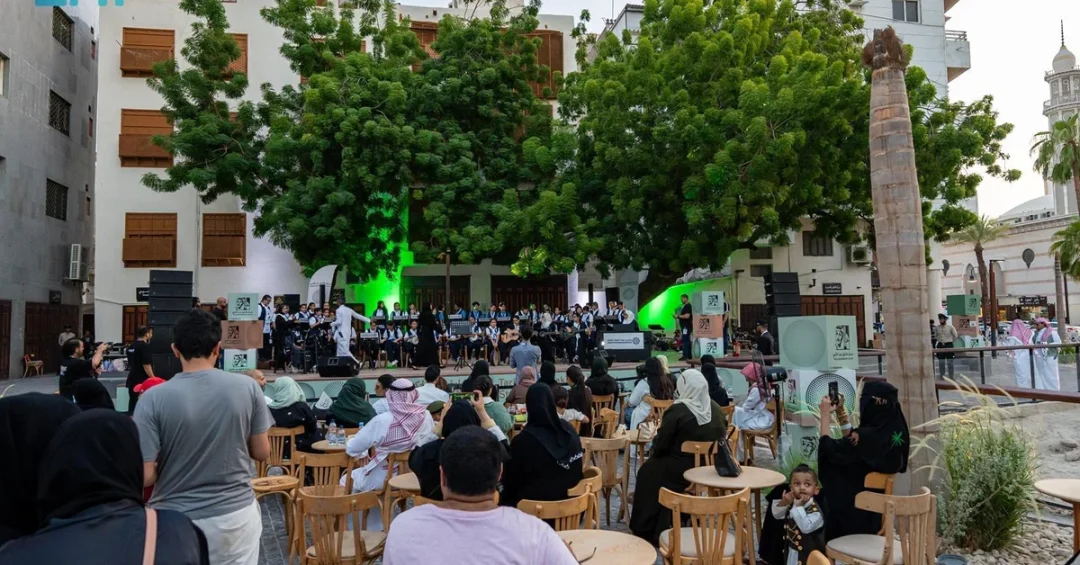
The Tariq Abdulhakim Centre in Jeddah concluded its five-day program celebrating the 94th Saudi National Day on September 23, 2024, drawing strong attendance from across Saudi society, according to the Saudi Press Agency (SPA). The festivities, which ran from September 19 to 23, brought together visitors of all ages for a diverse lineup of entertainment and cultural activities, underscoring the Kingdom’s commitment to preserving its artistic heritage while celebrating its national identity.
Context and Background
The Tariq Abdulhakim Centre is a cultural institution dedicated to the legacy of Tariq Abdulhakim, one of the most influential figures in the history of Saudi music. His pioneering contributions helped shape the Kingdom’s modern musical identity, and the center named in his honor serves as a hub for artistic expression in Jeddah, a city long recognized as a gateway for culture and the arts on the Red Sea coast.
Saudi National Day, observed every September 23, commemorates the unification of the Kingdom by the late King Abdulaziz Al Saud in 1932. Each year, the occasion prompts cities across the country to host events that highlight national pride, cultural heritage, and the Kingdom’s ongoing transformation. The 94th National Day arrived as Saudi Arabia accelerates a broad modernization agenda under Vision 2030, the national strategy aimed at diversifying the economy and enriching quality of life.
Key Details
Over the five days of programming, the center welcomed a broad cross-section of society, reflecting the inclusive spirit of the national celebration. According to the Saudi Press Agency, attendees enjoyed guided visits to the Tariq Abdulhakim Museum, which offers insight into the life and work of the celebrated musician and composer.
The program also featured art workshops, karaoke shows, live music sessions, and traditional cuisine, alongside family-friendly activities such as face painting and calligraphy. The variety of offerings was designed to appeal to visitors of all ages, combining entertainment with an educational appreciation of Saudi arts and traditions.
The strong turnout reported across the five days highlights the growing public appetite for cultural programming in the Kingdom, as audiences increasingly seek experiences that connect entertainment with national heritage.
Implications and Impact
The success of the Tariq Abdulhakim Centre’s National Day program reflects a wider regional trend in which cultural institutions play an expanding role in public life. By weaving music, art, and cuisine into a single celebratory experience, the center reinforced the idea that national identity and modern entertainment can flourish together.
Such events also contribute to the local tourism and leisure economy, attracting residents and visitors to Jeddah’s cultural venues during a peak national holiday period. The center’s ability to draw diverse audiences signals the strength of Saudi Arabia’s cultural sector and its capacity to deliver high-quality programming that resonates with the public.
Internationally, the visibility of these celebrations through official channels such as the Saudi Press Agency helps present a dynamic image of the Kingdom, one in which heritage preservation and contemporary cultural expression advance side by side.
Vision 2030 Alignment
The Tariq Abdulhakim Centre’s National Day activities align closely with the cultural and quality-of-life objectives of Vision 2030, which seeks to enrich the daily lives of citizens and residents while celebrating the Kingdom’s artistic legacy. By spotlighting the achievements of a national musical figure and offering hands-on creative experiences, the center supports the vision’s goal of fostering a vibrant society rooted in pride and cultural continuity. As Saudi Arabia continues its transformation, institutions like the Tariq Abdulhakim Centre will remain vital in connecting the nation’s storied past with its forward-looking ambitions.
20 Questions
Q1. What event did the Tariq Abdulhakim Centre conclude on September 23, 2024?
A1. The center concluded its celebrations for the 94th Saudi National Day, which ran from September 19 to 23, 2024. The five-day program featured cultural and entertainment activities and drew strong attendance from various segments of society in Jeddah.
Q2. Where is the Tariq Abdulhakim Centre located?
A2. The Tariq Abdulhakim Centre is located in Jeddah, a historic Red Sea port city in western Saudi Arabia. The city is widely regarded as a cultural gateway for the Kingdom, hosting numerous artistic and heritage venues that serve residents and visitors alike.
Q3. Who was Tariq Abdulhakim?
A3. Tariq Abdulhakim was one of the most influential figures in Saudi music history, celebrated as a pioneering musician and composer. The cultural center named in his honor preserves his legacy and promotes artistic expression in the Kingdom.
Q4. When is Saudi National Day observed each year?
A4. Saudi National Day is observed every September 23. It commemorates the unification of the Kingdom by the late King Abdulaziz Al Saud in 1932, and is marked nationwide with cultural, entertainment, and patriotic events.
Q5. How long did the National Day festivities at the center last?
A5. The festivities lasted five days, beginning September 19 and concluding September 23, 2024. The extended schedule allowed visitors of all ages to participate in a wide range of cultural and entertainment programs.
Q6. What activities were offered at the Tariq Abdulhakim Centre during the celebration?
A6. Activities included visits to the Tariq Abdulhakim Museum, art workshops, karaoke shows, music sessions, and traditional cuisine. Additional entertainment such as face painting and calligraphy was also available for families and younger visitors.
Q7. Who attended the National Day events at the center?
A7. The events witnessed strong turnout from various segments of society, with visitors of all ages enjoying the programming. The diverse attendance reflected the inclusive and unifying spirit of the national celebration across the Kingdom.
Q8. What is the Tariq Abdulhakim Museum?
A8. The Tariq Abdulhakim Museum is a dedicated space within the center that offers insight into the life, work, and musical contributions of Tariq Abdulhakim. It serves as an educational and cultural resource for visitors interested in Saudi musical heritage.
Q9. Why are music sessions significant at this cultural center?
A9. Music sessions honor the legacy of Tariq Abdulhakim, a pioneer of Saudi music. They provide live artistic experiences that connect audiences with the Kingdom’s musical traditions while encouraging contemporary creative expression and appreciation among new generations.
Q10. What role does traditional cuisine play in the celebration?
A10. Traditional cuisine introduces visitors to the flavors and culinary heritage of Saudi Arabia. By featuring local dishes, the center enriches the cultural experience and reinforces national identity through food shared among families and communities.
Q11. How do art workshops benefit participants?
A11. Art workshops give participants hands-on opportunities to explore creative skills and cultural themes. They encourage artistic engagement among visitors of all ages, supporting the Kingdom’s broader goals of nurturing talent and enriching community life.
Q12. What does the strong turnout indicate about cultural demand in Saudi Arabia?
A12. The strong turnout indicates growing public appetite for cultural programming that combines entertainment with heritage. It reflects the success of efforts to expand cultural offerings and engage communities under the Kingdom’s quality-of-life initiatives.
Q13. How does the event relate to Vision 2030?
A13. The event supports Vision 2030’s cultural and quality-of-life objectives by celebrating Saudi artistic heritage and offering creative experiences. It contributes to fostering a vibrant society proud of its traditions while embracing modernization and cultural growth.
Q14. What was the role of the Saudi Press Agency in reporting the event?
A14. The Saudi Press Agency (SPA) reported on the conclusion of the festivities, providing official coverage of the five-day program. As a recognized national news authority, SPA documents cultural and national events for domestic and international audiences.
Q15. Why is Jeddah an important location for cultural events?
A15. Jeddah has long served as a cultural gateway on the Red Sea coast, known for its artistic heritage and diverse population. Its venues and history make it a natural setting for events celebrating Saudi culture and national occasions.
Q16. What kinds of entertainment appealed to younger visitors?
A16. Younger visitors enjoyed activities such as face painting, karaoke shows, and interactive art workshops. These offerings were designed to be family-friendly, ensuring that children and youth could participate actively in the national celebration.
Q17. How does calligraphy reflect Saudi cultural heritage?
A17. Calligraphy is a celebrated art form in Saudi Arabia and the wider region, valued for its beauty and connection to Arabic script and heritage. Featuring it at the center helps preserve and share this traditional skill with new audiences.
Q18. What does the center’s program suggest about the future of Saudi cultural institutions?
A18. The program suggests that Saudi cultural institutions will continue expanding their role in public life, offering diverse programming that blends heritage and entertainment. Such efforts support tourism, community engagement, and the Kingdom’s cultural development goals.
Q19. How do national celebrations strengthen social cohesion?
A19. National celebrations bring together people from various segments of society, fostering shared pride and unity. Events like those at the Tariq Abdulhakim Centre create common experiences that reinforce national identity and community bonds.
Q20. What is the broader significance of the Tariq Abdulhakim Centre’s National Day program?
A20. The program highlights the Kingdom’s commitment to preserving cultural heritage while embracing modernization. It demonstrates how national occasions can celebrate artistic legacy, engage communities, and advance Vision 2030’s goals for a vibrant and prosperous society.
Reader Feedback
We value your thoughts. Please share your feedback on this article.
Your feedback helps us improve our coverage.
Related articles
 Riyadh International Book Fair 2024: Online Registration Now Open
 Imam Turki bin Abdullah Reserve Hosts National Day Events
 Saudi Center for New Media Art Names Participants in Emerging Artist Program
 Saudi Arabia’s KSGAAL Signs MoU with Kazakh University
 Saudi Cultural Mission Celebrates National Day in US
 Al-Turath Foundation Launches ‘King Salman’ Book on National Day