


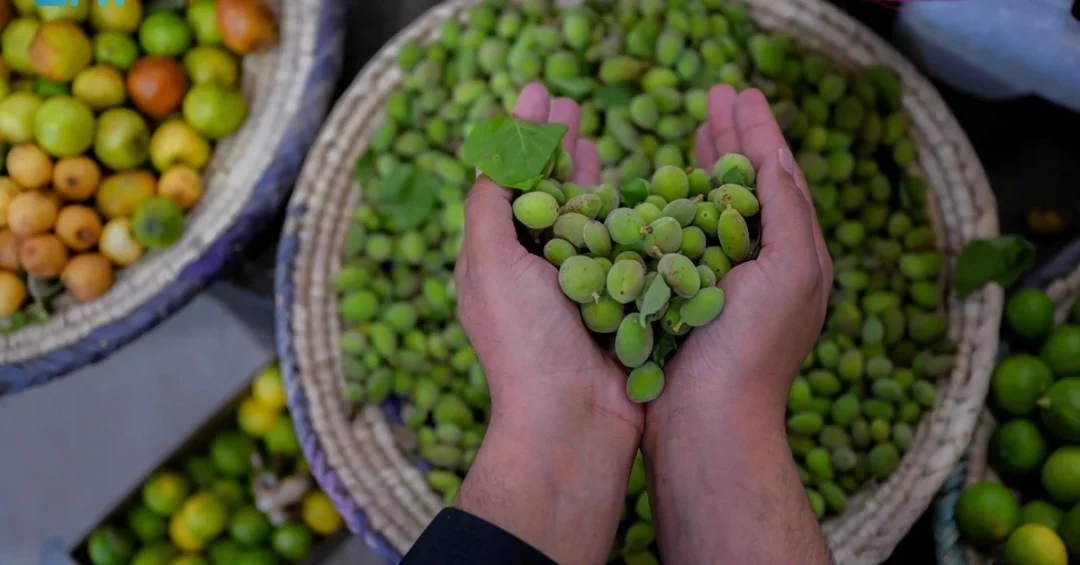
Al-Baha, Saudi Arabia — The Al-Baha region is playing a vital role in enriching Ramadan iftar and suhoor tables across the Kingdom, thanks to its unique agricultural output, as reported by the Saudi Press Agency (SPA). Situated approximately 2,200 meters above sea level, Al-Baha benefits from a temperate climate, abundant groundwater, and regular rainfall, which together support a diverse range of crops. These local harvests not only satisfy regional demand but are also distributed to other parts of Saudi Arabia, underscoring the region’s significance in national food security.
Context and Background
Al-Baha’s agricultural success is rooted in its distinct geography. The highland terrain and favorable weather conditions create an ideal environment for growing a wide variety of fruits and grains. According to the SPA, farms in the region produce grapes, pomegranates, figs, apricots, peaches, mangoes, guavas, almonds, apples, and bananas, alongside grains such as white corn, wheat, barley, millet, lentil, and sesame. Aromatic plants like mint and basil are also cultivated, adding flavor and fragrance to local cuisine.
This agricultural richness is not a recent development; it reflects generations of farming tradition combined with modern techniques supported by Saudi Vision 2030 initiatives aimed at boosting sustainable agriculture and rural development. The region’s ability to produce such a diverse array of crops throughout the year, and particularly during Ramadan, highlights its strategic importance in ensuring food availability and enhancing the quality of life for citizens and residents.
Key Details
During the holy month of Ramadan, the bounty of Al-Baha takes center stage. Iftar and suhoor tables in the region feature these local offerings, providing nutritious and flavorful meals that are integral to the Ramadan experience. The seasonal harvests also contribute significantly to the local economy, with many farmers working diligently to cultivate and sell their produce in local markets. This economic activity supports livelihoods and strengthens the region’s agricultural sector.
The SPA report notes that the variety of fruits and grains available in Al-Baha not only meets local market needs but also supplies other regions of the Kingdom. This distribution network ensures that families across Saudi Arabia can enjoy the fresh, high-quality produce that Al-Baha is known for, especially during Ramadan when demand for such items peaks.
Implications and Impact
The agricultural output of Al-Baha has broader implications for Saudi Arabia’s food security and economic diversification. By reducing reliance on imports and promoting local production, the region contributes to the Kingdom’s strategic goals of self-sufficiency and sustainable development. Moreover, the success of Al-Baha’s farmers serves as a model for other regions, demonstrating how leveraging natural advantages can lead to economic growth and community resilience.
On a national level, the availability of fresh, locally grown produce during Ramadan enhances the spiritual and communal aspects of the holy month. Families can break their fast with nutritious foods that are both culturally significant and healthful. This aligns with the Saudi government’s emphasis on public health and wellness, as outlined in Vision 2030.
Vision 2030 Alignment
Al-Baha’s agricultural achievements are closely tied to Saudi Vision 2030, which seeks to diversify the economy, enhance food security, and improve the quality of life for all citizens. By supporting local farmers and promoting sustainable practices, the Kingdom is building a resilient agricultural sector that can meet future challenges. The region’s success during Ramadan exemplifies how traditional strengths can be harnessed to achieve modern aspirations, contributing to a vibrant and self-reliant Saudi Arabia.
20 Questions
Q1. What makes Al-Baha a leading agricultural region in Saudi Arabia?
A1. Al-Baha’s high elevation of about 2,200 meters, temperate climate, and abundant groundwater and rainfall create ideal conditions for diverse crops, making it a leading agricultural region in the Kingdom.
Q2. Which fruits are commonly grown in Al-Baha?
A2. Farms in Al-Baha produce grapes, pomegranates, figs, apricots, peaches, mangoes, guavas, almonds, apples, and bananas, among other fruits, according to the Saudi Press Agency.
Q3. What grains are cultivated in Al-Baha?
A3. The region grows grains such as white corn, wheat, barley, millet, lentil, and sesame, which contribute to local food supplies and national distribution.
Q4. How does Al-Baha’s agriculture benefit during Ramadan?
A4. During Ramadan, local produce features prominently in iftar and suhoor meals, providing nutritious options and supporting the local economy through increased sales in markets.
Q5. What aromatic plants are grown in Al-Baha?
A5. Aromatic plants like mint and basil are cultivated in Al-Baha, adding flavor and fragrance to local dishes and enhancing the culinary experience.
Q6. How does Al-Baha’s produce reach other regions of Saudi Arabia?
A6. The region’s diverse crops are distributed to other parts of the Kingdom, ensuring that fresh, high-quality produce is available nationwide, especially during peak seasons like Ramadan.
Q7. What role does Al-Baha’s agriculture play in the local economy?
A7. Agriculture is a vital economic driver in Al-Baha, providing employment and income for many farmers who cultivate and sell their harvests in local markets.
Q8. How does Al-Baha’s agricultural success align with Saudi Vision 2030?
A8. It supports Vision 2030 goals of economic diversification, food security, and sustainable development by promoting local production and reducing import reliance.
Q9. What is the significance of Al-Baha’s altitude for farming?
A9. The high altitude of about 2,200 meters provides a cooler climate and adequate rainfall, which are essential for growing a wide variety of fruits and grains.
Q10. Which government agency reported on Al-Baha’s agricultural richness?
A10. The Saudi Press Agency (SPA) reported on Al-Baha’s agricultural output and its importance during Ramadan, highlighting the region’s contributions.
Q11. How does Al-Baha’s agriculture contribute to food security in Saudi Arabia?
A11. By producing a diverse range of crops locally, Al-Baha helps reduce the Kingdom’s dependence on imported food, enhancing national food security and resilience.
Q12. What are some traditional dishes in Al-Baha that use local produce?
A12. Local produce is used in various traditional dishes, especially during Ramadan for iftar and suhoor, though specific dishes may vary based on family traditions and recipes.
Q13. How does Ramadan impact agricultural demand in Al-Baha?
A13. Ramadan increases demand for fresh fruits, grains, and herbs as families prepare nutritious meals, boosting sales for local farmers and markets.
Q14. What sustainable farming practices are used in Al-Baha?
A14. Farmers in Al-Baha likely employ water-efficient irrigation and crop rotation, though specific practices may vary; these align with Vision 2030’s sustainability goals.
Q15. How does Al-Baha’s produce compare to other regions in Saudi Arabia?
A15. Al-Baha is known for its unique variety and quality due to its climate and terrain, making its produce highly sought after across the Kingdom.
Q16. What economic opportunities does agriculture create in Al-Baha?
A16. It creates jobs in farming, distribution, and retail, and supports related industries such as packaging and transportation, contributing to the local and national economy.
Q17. How can consumers in other regions purchase Al-Baha’s produce?
A17. Al-Baha’s produce is distributed to markets across Saudi Arabia, allowing consumers nationwide to buy these fresh items, especially during Ramadan.
Q18. What is the role of water resources in Al-Baha’s agriculture?
A18. Abundant groundwater and rainfall are crucial for irrigation, enabling the cultivation of diverse crops throughout the year in Al-Baha.
Q19. How does Al-Baha’s agriculture support rural development?
A19. It provides income and employment, encourages infrastructure improvements, and helps preserve rural communities, aligning with Vision 2030’s rural development goals.
Q20. What future prospects exist for Al-Baha’s agricultural sector?
A20. With continued government support and innovation, Al-Baha’s agriculture can expand, adopt new technologies, and further contribute to Saudi Arabia’s food security and economic growth.
Reader Feedback
We value your thoughts. Please share your feedback on this article.
Your feedback helps us improve our coverage.
Related articles
 Japanese Stocks Mixed: Nikkei Down, TOPIX Up
 Saudi Arabia Achieves 100% Self-Sufficiency in Table Eggs
 CMA Seeks Feedback on Debt Crowdfunding Rules
 ZATCA Urges Large Firms to File February VAT by March 31
 Jeddah’s Sweets Markets See Business Surge Ahead of Eid
 SAMA Licenses ALANNAYA AL-YATMANIA for Finance Aggregation