


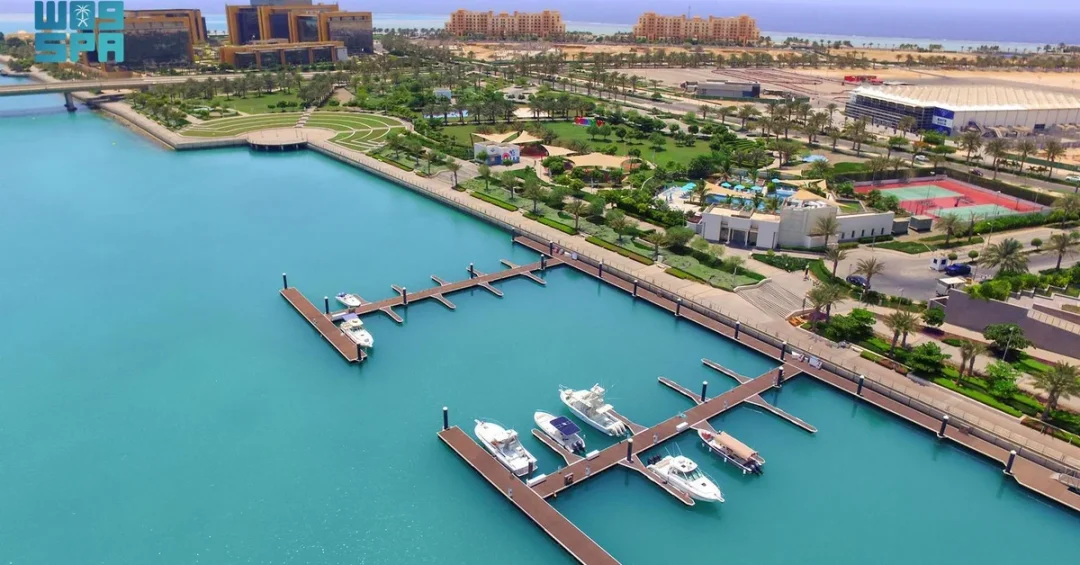
The Saudi Red Sea Authority (SRSA), in collaboration with the Ministry of Investment, has released a comprehensive report titled “Invest in Coastal Tourism,” setting an ambitious goal to attract 19 million tourists to the Red Sea coast by 2030. The report, announced on Tuesday, underscores the critical role of coastal tourism in advancing Saudi Vision 2030 and diversifying the national economy away from oil dependence.
Context and Background
Saudi Arabia’s Red Sea coast stretches over 1,800 kilometers and is home to pristine coral reefs, untouched islands, and rich marine biodiversity. The Kingdom has identified coastal tourism as a key pillar of its economic transformation strategy under Vision 2030, which aims to increase the tourism sector’s contribution to GDP from 3% to 10% by 2030. The SRSA, established in 2021, is tasked with regulating, developing, and promoting coastal tourism activities while ensuring environmental sustainability. This latest report highlights the collaborative efforts between SRSA and the Ministry of Investment to create an attractive investment environment and position the Red Sea as a premier global destination.
Key Details
The “Invest in Coastal Tourism” report outlines specific targets: contributing approximately SAR85 billion to the GDP by 2030, capturing 30% of the Kingdom’s leisure tourism, and 40% of total entertainment spending. It also aims to generate more than 210,000 jobs. The SRSA emphasizes its commitment to providing administrative, technical, and advisory support to investors, particularly small and medium enterprises (SMEs), to encourage investment in navigational and marine tourism activities. The report stresses the importance of protecting the marine environment to ensure sustainability for future generations, aligning with global best practices in eco-tourism.
Implications and Impact
This initiative is expected to have far-reaching implications for Saudi Arabia’s economy and international standing. By attracting 19 million tourists, the Kingdom will significantly boost its tourism sector, creating new income sources and employment opportunities for Saudi citizens. The focus on SMEs will stimulate entrepreneurship and innovation within the tourism value chain. Regionally, the development of the Red Sea coast will position Saudi Arabia as a competitor to other Red Sea destinations like Egypt and Jordan, while also complementing mega-projects such as NEOM and the Red Sea Project. Internationally, it signals Saudi Arabia’s openness to global travelers and investors, reinforcing its commitment to sustainable tourism and environmental stewardship.
Vision 2030 Alignment
This coastal tourism drive is a direct reflection of Vision 2030’s goals to diversify the economy, increase non-oil revenues, and enhance the quality of life for citizens and residents. By developing the Red Sea coast into a world-class destination, Saudi Arabia is not only creating a new economic engine but also showcasing its natural beauty and cultural heritage to the world. The SRSA’s efforts to balance development with environmental protection exemplify the Kingdom’s dedication to sustainable growth, ensuring that future generations can enjoy these treasures. As Saudi Arabia continues to open up to international tourists, the Red Sea coast will play a pivotal role in shaping the Kingdom’s global image as a forward-looking, welcoming nation.
20 Questions
Q1. What is the main goal of the “Invest in Coastal Tourism” report?
A1. The report aims to attract 19 million tourists to the Red Sea coast by 2030, contributing SAR85 billion to GDP and generating over 210,000 jobs, while promoting sustainable development.
Q2. Which Saudi entities released the report?
A2. The Saudi Red Sea Authority (SRSA) released the report in collaboration with the Ministry of Investment, highlighting investment opportunities in coastal tourism.
Q3. How does coastal tourism support Vision 2030?
A3. It diversifies the national economy, attracts investments, creates jobs, and enhances the Kingdom’s non-oil revenues, aligning with Vision 2030’s economic transformation goals.
Q4. What percentage of leisure tourism does Saudi Arabia aim to capture by 2030?
A4. The Kingdom aims to capture 30 percent of its leisure tourism and 40 percent of total entertainment spending through the Red Sea coast development.
Q5. How many jobs are expected to be created?
A5. More than 210,000 jobs are expected to be generated, providing employment opportunities for Saudi citizens and contributing to economic growth.
Q6. What is the expected GDP contribution from coastal tourism by 2030?
A6. Coastal tourism is projected to contribute approximately SAR85 billion to the GDP by 2030, significantly boosting the national economy.
Q7. What types of support does SRSA offer to investors?
A7. SRSA provides administrative, technical, and advisory support to investors, especially SMEs, to encourage investment in navigational and marine tourism activities.
Q8. Why is environmental protection emphasized in the report?
A8. Protecting the marine environment ensures sustainability for future generations and aligns with global eco-tourism standards, preserving the Red Sea’s natural beauty.
Q9. What are some initiatives by SRSA to enhance tourist experience?
A9. SRSA is developing model infrastructure, creating prestigious destinations, and fostering an attractive investment environment to offer unique experiences on the Red Sea.
Q10. How does this initiative impact Saudi Arabia’s international standing?
A10. It positions Saudi Arabia as a global tourism destination, showcasing its commitment to sustainable development and opening up to international visitors and investors.
Q11. What role do SMEs play in this strategy?
A11. SMEs are vital for innovation and job creation; SRSA offers them tailored support to stimulate entrepreneurship within the coastal tourism sector.
Q12. Which other Saudi projects complement this coastal tourism drive?
A12. Mega-projects like NEOM and the Red Sea Project complement this drive, collectively transforming the Kingdom into a premier tourism hub.
Q13. How will the Red Sea coast compete with other regional destinations?
A13. With its pristine reefs and luxury offerings, the Red Sea coast will attract discerning travelers, competing with established destinations like Egypt and Jordan.
Q14. What is the timeframe for achieving these goals?
A14. The targets are set for 2030, aligning with Vision 2030’s timeline for economic diversification and tourism growth.
Q15. How does SRSA ensure sustainable tourism?
A15. Through effective governance, environmental protection measures, and setting model infrastructure standards, SRSA ensures tourism growth does not harm marine ecosystems.
Q16. What economic benefits are expected for local communities?
A16. Local communities will benefit from job creation, increased income sources, and improved infrastructure, enhancing their quality of life.
Q17. What types of tourism activities are promoted?
A17. Navigational and marine tourism activities, including yachting, diving, and eco-tours, are promoted to attract diverse tourist interests.
Q18. How does the report address investment opportunities?
A18. It highlights the sector’s potential, outlines support mechanisms, and invites investors to capitalize on the growing coastal tourism market.
Q19. What is SRSA’s mandate?
A19. SRSA regulates and develops coastal tourism, encourages investment, and provides support to investors to position the Red Sea as a compelling global destination.
Q20. How does this initiative reflect Saudi Arabia’s global role?
A20. It demonstrates the Kingdom’s leadership in sustainable tourism, economic diversification, and international cooperation, aligning with Vision 2030’s global aspirations.
Reader Feedback
We value your thoughts. Please share your feedback on this article.
Your feedback helps us improve our coverage.
Related articles
 Saudi Air Connectivity Program Drives Direct Flights
 Madinah Welcomes 14.1 Million Visitors in 2023, Boosting Tourism
 Cruise Saudi to Develop Private Red Sea Island for Cruise Tourism
 Prophet’s Mosque Welcomes Over 5 Million Visitors in a Week
 Saudi Red Sea Authority Issues 4 Codes to Boost Coastal Tourism
 Tourism Development Fund Reinforces Commitment to Quality with Four ISO Certifications