


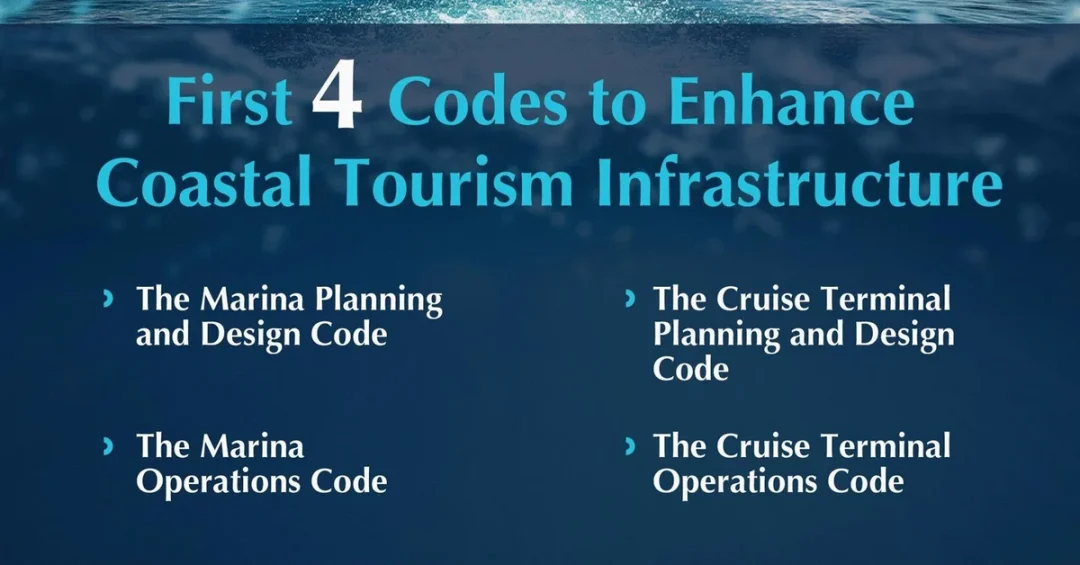
The Saudi Red Sea Authority (SRSA) has issued four internationally benchmarked codes designed to elevate the quality and safety of coastal tourism infrastructure along the Kingdom’s Red Sea coast, as reported by the Saudi Press Agency (SPA). Announced from Riyadh, these codes—the Marina Planning and Design Code, the Cruise Terminal Planning and Design Code, the Marina Operations Code, and the Cruise Terminal Operations Code—set unified technical standards for marinas and cruise terminals. They aim to regulate navigational and marine tourism activities, enhance public safety, and protect the marine environment, aligning with Saudi Arabia’s Vision 2030 goals to diversify the economy and establish the Red Sea as a premier global destination. This initiative underscores the Kingdom’s commitment to sustainable development and world-class tourism infrastructure.
The issuance of these codes marks a significant step in Saudi Arabia’s broader efforts to transform its Red Sea coastline into a vibrant tourism hub. By leveraging international best practices, the SRSA seeks to create a cohesive regulatory framework that supports investment, innovation, and environmental stewardship. As the Kingdom continues to open up to global travelers, such measures are crucial for ensuring that development is both rapid and responsible. The codes are expected to facilitate the growth of marine tourism, attract foreign investment, and create new opportunities for local communities, all while preserving the Red Sea’s unique ecological treasures. This aligns with the SRSA’s mandate to build a sustainable and renewable coastal tourism sector that contributes to the national economy.
Context and Background
Why are these codes necessary now, and what gap do they fill in Saudi Arabia’s tourism landscape? The Saudi Red Sea Authority, established in 2021, is tasked with regulating and developing marine tourism along the Kingdom’s western coast. Until now, the absence of unified standards for marinas and cruise terminals posed challenges for investors, operators, and tourists alike. The new codes address this by providing clear guidelines for planning, design, and operations, ensuring that facilities meet international benchmarks for quality and safety. This is particularly important as Saudi Arabia accelerates its tourism ambitions under Vision 2030, which aims to increase the sector’s contribution to GDP and attract 100 million visitors annually by 2030. The Red Sea, with its pristine coral reefs and rich biodiversity, is a cornerstone of this strategy.
The codes are part of a comprehensive regulatory push that includes eight additional regulations governing coastal tourism activities. These regulations cover various aspects, from environmental protection to public safety, and are designed to ensure efficient management of coastal tourism facilities. By setting these standards, the SRSA aims to create a level playing field for operators, reduce risks for investors, and enhance the overall tourist experience. The move also reflects lessons learned from global best practices, such as those in the Mediterranean and Caribbean, where integrated coastal zone management has proven essential for sustainable growth. For Saudi Arabia, this represents a proactive approach to avoiding the pitfalls of unregulated development and ensuring that tourism growth is both inclusive and environmentally sound.
Key Details
What exactly do these codes entail, and how will they be implemented? The Marina Planning and Design Code outlines requirements for the layout, construction, and utility systems of marinas, including berthing specifications, navigational aids, and environmental impact assessments. The Cruise Terminal Planning and Design Code focuses on terminal infrastructure, passenger flow, security protocols, and accessibility features. The Marina Operations Code provides operational guidelines for marina management, including safety procedures, waste management, and customer service standards. Similarly, the Cruise Terminal Operations Code sets operational benchmarks for terminal efficiency, emergency response, and coordination with maritime authorities. These codes are aligned with international standards from organizations such as the International Association of Ports and Harbors (IAPH) and the International Maritime Organization (IMO), ensuring interoperability and global recognition.
Implementation will be overseen by the SRSA in collaboration with other government entities, including the Ministry of Transport and Logistic Services and the General Authority for Statistics. The codes are expected to be phased in over the coming years, with existing facilities given a grace period to comply. Training programs and technical assistance will be offered to operators to facilitate smooth adoption. The SRSA has also emphasized that these codes are not static; they will be periodically reviewed and updated to keep pace with technological advancements and evolving market needs. This dynamic approach ensures that Saudi Arabia’s coastal tourism infrastructure remains competitive and resilient, capable of accommodating the latest trends in cruise tourism and recreational boating.
International and Regional Impact
How will these codes influence the Red Sea’s position on the global tourism map? The Red Sea is already a vital artery for international shipping and a growing destination for luxury travel. With these codes, Saudi Arabia signals its readiness to compete with established cruise destinations in the Mediterranean and the Gulf. The standardized infrastructure is likely to attract major cruise lines, which seek predictable, high-quality facilities. This could lead to increased port calls, passenger spending, and job creation in coastal communities. Regionally, the codes may encourage neighboring countries to harmonize their regulations, fostering a more integrated Red Sea tourism market. For international travelers, the codes promise a safer, more seamless experience, from marina berthing to cruise terminal services.
Moreover, the codes support Saudi Arabia’s geopolitical goal of enhancing maritime security and cooperation. By regulating navigational and marine tourism activities, the SRSA contributes to safer waters and environmental protection, which are shared concerns among Red Sea littoral states. This aligns with the Kingdom’s broader diplomatic efforts to promote stability and prosperity in the region. The codes also complement other mega-projects like NEOM and the Red Sea Project, which are set to redefine luxury tourism. Together, these initiatives position Saudi Arabia as a leader in sustainable coastal development, setting a benchmark for others to follow. The international community has welcomed such moves, seeing them as evidence of the Kingdom’s commitment to responsible tourism and global engagement.
Economic and Strategic Significance
What economic benefits can Saudi Arabia expect from these regulations? The coastal tourism sector is a key pillar of Vision 2030’s economic diversification agenda. By providing a clear regulatory framework, the codes reduce uncertainty for investors, potentially unlocking billions of riyals in private sector funding for marina and cruise terminal projects. They also streamline permitting processes and ensure that developments are bankable and insurable. This is expected to stimulate growth in related industries such as hospitality, retail, and marine services, creating thousands of jobs for Saudi nationals. The SRSA estimates that the Red Sea could contribute significantly to the target of raising tourism’s GDP share from 3% to 10% by 2030. Furthermore, the codes enhance the Kingdom’s attractiveness as a destination for high-value cruise tourism, which has a multiplier effect on local economies.
Strategically, the codes reinforce Saudi Arabia’s sovereignty over its maritime domain and its capacity to manage complex coastal zones. They also support the growth of the Kingdom’s yachting and boating culture, which is gaining popularity among both residents and tourists. By integrating environmental safeguards, the codes ensure that economic development does not come at the expense of the Red Sea’s fragile ecosystems, which are vital for biodiversity and climate resilience. This balance between growth and conservation is a hallmark of Saudi Arabia’s approach to sustainable development and is likely to enhance its reputation as a responsible global citizen. The SRSA’s efforts are also in line with the National Tourism Strategy, which aims to diversify source markets and extend the length of stay for visitors.
Vision 2030 Alignment
How do these codes directly support Vision 2030’s objectives? Vision 2030 seeks to transform Saudi Arabia into a global investment powerhouse and a hub for tourism and entertainment. The SRSA’s codes are instrumental in achieving these goals by creating a world-class infrastructure that meets international expectations. They enable the Red Sea to become a must-visit destination for cruise passengers and yachting enthusiasts, thereby increasing tourist numbers and spending. This, in turn, supports the creation of a vibrant society and a thriving economy, two core themes of Vision 2030. The codes also contribute to environmental sustainability, a key aspect of the Vision, by mandating practices that protect marine life and reduce pollution. As such, they represent a holistic approach to development that balances economic, social, and environmental considerations.
Looking ahead, the SRSA’s initiatives are set to catalyze further innovation and investment in the coastal tourism sector. The Kingdom’s leadership has consistently emphasized the importance of the Red Sea as a strategic asset, and these codes are a concrete manifestation of that vision. By setting high standards, Saudi Arabia is not only enhancing its own tourism offering but also raising the bar for the entire region. This forward-looking approach will ensure that the Red Sea remains a jewel in the crown of Saudi tourism, attracting visitors from around the world and showcasing the Kingdom’s rich natural and cultural heritage. As Vision 2030 progresses, the SRSA’s regulatory framework will undoubtedly evolve to meet new challenges and opportunities, solidifying Saudi Arabia’s position as a global leader in sustainable coastal tourism.
20 Questions
Q1. What are the four codes issued by the Saudi Red Sea Authority?
A1. The four codes are the Marina Planning and Design Code, the Cruise Terminal Planning and Design Code, the Marina Operations Code, and the Cruise Terminal Operations Code, all aimed at improving coastal tourism infrastructure.
Q2. When were these codes announced?
A2. They were announced on October 10, 2024, in Riyadh, as reported by the Saudi Press Agency.
Q3. What is the main purpose of these codes?
A3. The codes aim to unify technical standards, regulate navigational and marine tourism activities, enhance public safety, and protect the marine environment along the Red Sea.
Q4. How do these codes align with Vision 2030?
A4. They support Vision 2030 by promoting sustainable coastal tourism, diversifying the economy, and positioning the Red Sea as a premier global destination.
Q5. Who issued these codes?
A5. The Saudi Red Sea Authority (SRSA), a government entity established to regulate and develop marine tourism in the Kingdom.
Q6. What are the eight regulations mentioned alongside the codes?
A6. These regulations govern various coastal tourism activities, covering management, safety, and environmental protection to ensure efficient operations.
Q7. How will these codes improve public safety?
A7. By setting clear operational and design standards for marinas and cruise terminals, the codes reduce risks and ensure compliance with international safety protocols.
Q8. What role does international best practice play in these codes?
A8. The codes leverage international best practices from organizations like IMO and IAPH to ensure global recognition and interoperability.
Q9. Which regions inspired these codes?
A9. Best practices from the Mediterranean and Caribbean, where integrated coastal zone management has been successful, informed the codes.
Q10. How will the codes attract investment?
A10. By providing clear regulatory frameworks, they reduce uncertainty for investors, streamline permitting, and make projects more bankable and insurable.
Q11. What economic benefits are expected?
A11. They are expected to stimulate growth in hospitality, retail, and marine services, create jobs, and increase tourism’s GDP contribution.
Q12. How do the codes protect the marine environment?
A12. They mandate environmental impact assessments, waste management, and sustainable practices to safeguard the Red Sea’s fragile ecosystems.
Q13. Will existing facilities need to comply?
A13. Yes, existing facilities will be given a grace period to comply, with training and technical assistance offered by the SRSA.
Q14. How often will the codes be updated?
A14. The SRSA will periodically review and update the codes to keep pace with technological advancements and market needs.
Q15. What is the role of the Ministry of Transport?
A15. The Ministry of Transport and Logistic Services collaborates with the SRSA to oversee implementation and ensure alignment with national transport policies.
Q16. How will these codes impact cruise tourism?
A16. They will attract major cruise lines by offering high-quality, standardized facilities, leading to increased port calls and passenger spending.
Q17. What is the significance for local communities?
A17. The codes will create job opportunities, stimulate local economies, and enhance community engagement in tourism development.
Q18. Do these codes apply to all Red Sea ports?
A18. Yes, they apply to all marinas and cruise terminals along the Saudi Red Sea coast, ensuring uniform standards.
Q19. How do these codes support Saudi sovereignty?
A19. They reinforce Saudi Arabia’s ability to manage its maritime domain, enhancing security and regulatory control over coastal activities.
Q20. What is the ultimate goal of these codes?
A20. To position the Red Sea as a leading global tourist destination, contributing to Vision 2030’s economic and social objectives while preserving the environment.
Reader Feedback
We value your thoughts. Please share your feedback on this article.
Your feedback helps us improve our coverage.
Related articles
 Tourism Development Fund Reinforces Commitment to Quality with Four ISO Certifications
 Revelation Exhibition in Makkah Offers Unique Cultural Experience
 Stone Villages of Taif: A Testament to Human Ingenuity
 Arab Tourism Organization Explores Cooperation with United States
 Aseer’s Coastal Plains: A Rising Tourism Gem in Saudi Arabia
 Al-Nakheel Park: A Historical Haven in Haql