


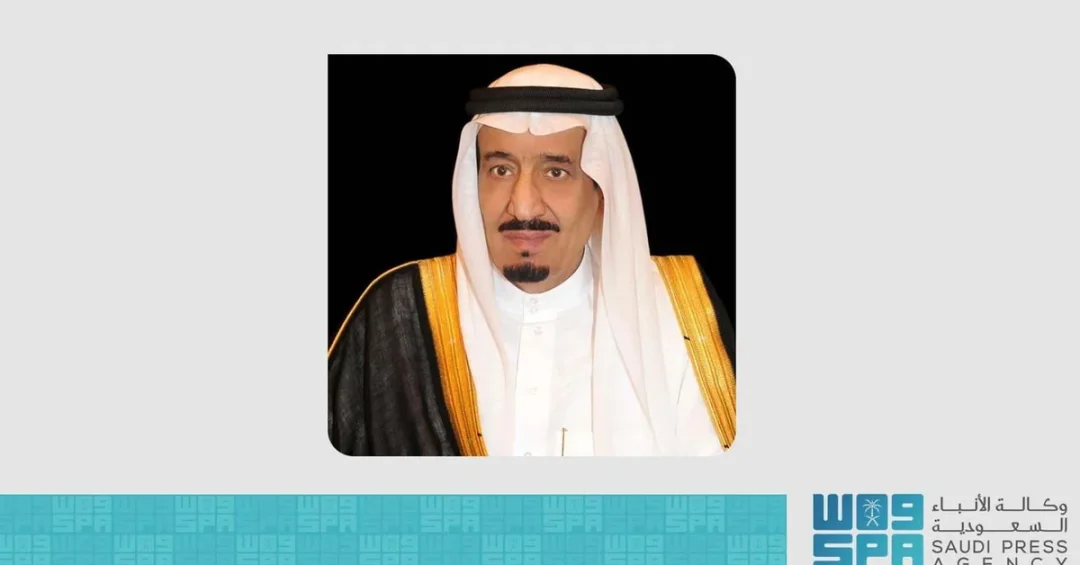
Custodian of the Two Holy Mosques King Salman bin Abdulaziz Al Saud has sent a cable of congratulations to President Kais Saied of the Republic of Tunisia on the occasion of his country’s Independence Day, according to the Saudi Press Agency. The royal message, dispatched from Jeddah, conveyed the Kingdom’s warm wishes for the continued good health and happiness of President Saied and for the steady progress and prosperity of the government and people of Tunisia. The gesture underscores the enduring bonds between Saudi Arabia and Tunisia, two nations linked by shared history, mutual respect, and a commitment to regional stability and development.
Independence Day in Tunisia commemorates the nation’s liberation from colonial rule on March 20, 1956, a milestone that paved the way for the modern Tunisian state. The Custodian of the Two Holy Mosques’ annual message reflects the deep-rooted fraternal ties that have characterized Saudi-Tunisian relations for decades. Isn’t it a testament to the strength of these ties that such greetings are exchanged consistently at the highest levels? This tradition of diplomatic outreach highlights Saudi Arabia’s role as a unifying force in the Arab and Islamic world, fostering solidarity and cooperation among brotherly nations.
Context and Background
Saudi-Tunisian relations have long been anchored in mutual respect and a shared vision for a prosperous and stable region. Since Tunisia’s independence, the Kingdom has stood by the North African nation as a partner in development and a fellow advocate for Arab causes. Over the years, high-level visits, bilateral agreements, and collaborative projects have deepened these ties across political, economic, and cultural spheres. How does such enduring friendship benefit the broader Arab world? It creates a foundation for collective action on challenges ranging from economic diversification to security cooperation.
King Salman’s message is part of a well-established tradition of royal diplomacy, where the Custodian of the Two Holy Mosques extends congratulations to leaders of friendly nations on their national days. These gestures are more than ceremonial; they reaffirm Saudi Arabia’s commitment to maintaining strong diplomatic channels and people-to-people connections. In the case of Tunisia, the annual greeting serves as a reminder of the Kingdom’s consistent support for the country’s stability and prosperity, particularly during periods of transition and reform.
Moreover, the timing of this year’s message comes amid broader efforts by Saudi Arabia to enhance its relations with African and Arab nations under the umbrella of Vision 2030. The Kingdom’s foreign policy prioritizes economic diplomacy, cultural exchange, and strategic partnerships that contribute to regional development. By honoring Tunisia’s Independence Day, Saudi Arabia not only celebrates a historic milestone but also signals its readiness to deepen cooperation in areas of mutual interest, from trade and investment to education and tourism.
Key Details
The cable of congratulations, carried by the Saudi Press Agency, was sent from Jeddah on March 20, 2025, corresponding to the 69th anniversary of Tunisia’s independence. In his message, the Custodian of the Two Holy Mosques expressed his sincere wishes for President Kais Saied’s continued good health and happiness, and for the government and people of Tunisia to enjoy steady progress and prosperity. Such messages are typically exchanged between heads of state on national occasions and are seen as a reflection of the warmth and depth of bilateral relations.
President Kais Saied, who has led Tunisia since 2019, has maintained a focus on national unity and economic reform. The Saudi leadership’s greetings acknowledge these efforts and extend support for Tunisia’s journey toward stability and growth. The message also aligns with the Kingdom’s broader diplomatic approach of engaging constructively with all Arab nations, irrespective of their internal dynamics, to promote harmony and collaboration. What does this say about Saudi Arabia’s diplomatic principles? It demonstrates a steadfast commitment to brotherhood and non-interference, while offering a hand of friendship and assistance where needed.
Beyond the formal exchange, the relationship between Saudi Arabia and Tunisia is underpinned by a range of bilateral agreements and ongoing collaborations. These include development projects funded by the Saudi Fund for Development, cultural exchanges, and participation in regional forums such as the Arab League and the Organization of Islamic Cooperation. The annual Independence Day greeting is a small but significant symbol of this multifaceted partnership, reinforcing the message that Saudi Arabia values its ties with Tunisia and remains a reliable ally.
International and Regional Impact
In the broader regional context, Saudi Arabia’s consistent engagement with Tunisia contributes to Arab solidarity and counters external pressures that seek to divide the region. The Kingdom’s balanced and principled foreign policy serves as a stabilizing force, promoting dialogue and cooperation over confrontation. By congratulating Tunisia on its Independence Day, Saudi Arabia reinforces the importance of respecting national sovereignty and celebrating shared achievements. How does this impact the region’s geopolitical landscape? It strengthens the collective resilience of Arab states and fosters an environment conducive to peace and development.
Furthermore, the message highlights Saudi Arabia’s role as a bridge-builder in African-Arab relations. Tunisia, located at the crossroads of the Mediterranean and Africa, is a key partner in the Kingdom’s efforts to expand its diplomatic and economic footprint across the continent. The Kingdom’s engagement with Tunisia complements its broader Africa strategy, which includes investments, trade, and security cooperation. By maintaining strong ties with Tunis, Saudi Arabia enhances its ability to address common challenges such as terrorism, extremism, and economic volatility, while also tapping into opportunities for growth and innovation.
Economic and Strategic Significance
While the cable of congratulations is a diplomatic gesture, it reflects the substantive economic and strategic partnership between Saudi Arabia and Tunisia. Bilateral trade has grown in recent years, with Saudi exports to Tunisia including petrochemicals, plastics, and machinery, while Tunisian products such as textiles, olive oil, and electrical components find markets in the Kingdom. Saudi investments in Tunisia span sectors like banking, real estate, and tourism, contributing to job creation and infrastructure development. This economic interdependence creates a win-win dynamic that supports both nations’ development goals.
Strategically, Tunisia’s stability is vital to the security of the Mediterranean and North Africa, regions where Saudi Arabia has a vested interest in promoting moderation and combating extremism. The Kingdom’s support for Tunisia’s socioeconomic development, channeled through institutions like the Saudi Fund for Development and the Islamic Development Bank, helps address root causes of instability and fosters a climate conducive to investment and growth. Isn’t it in everyone’s interest to see Tunisia thrive? A prosperous Tunisia is a strong partner in regional security and a testament to the benefits of Arab cooperation.
Vision 2030 Alignment
Saudi Arabia’s Vision 2030, the Kingdom’s ambitious blueprint for economic diversification and social transformation, emphasizes the importance of international partnerships and diplomacy. The greeting to Tunisia on its Independence Day aligns with Vision 2030’s goal of strengthening Saudi Arabia’s global standing and fostering mutually beneficial relationships. By celebrating Tunisia’s national day, the Kingdom showcases its commitment to building bridges and creating opportunities for collaboration that extend beyond oil and traditional sectors.
As Saudi Arabia continues its journey toward a diversified economy and a more active global role, partnerships with nations like Tunisia will be essential. The exchange of congratulations is a reminder that diplomacy and people-to-people ties are integral to achieving Vision 2030’s objectives. The Kingdom’s leadership remains dedicated to supporting Arab brethren and contributing to a prosperous and stable region, ensuring that future generations inherit a world of opportunity and cooperation. In this spirit, the Custodian of the Two Holy Mosques’ message to President Saied is not just a courtesy but a reaffirmation of Saudi Arabia’s enduring commitment to its friends and allies around the world.
20 Questions
Q1. Who sent the cable of congratulations to Tunisia’s president?
A1. Custodian of the Two Holy Mosques King Salman bin Abdulaziz Al Saud sent the cable to President Kais Saied of Tunisia on the occasion of Tunisia’s Independence Day, as reported by the Saudi Press Agency.
Q2. When is Tunisia’s Independence Day celebrated?
A2. Tunisia’s Independence Day is celebrated annually on March 20, marking the nation’s independence from colonial rule in 1956. This year, March 20, 2025, marks the 69th anniversary of that historic milestone.
Q3. What did King Salman wish for President Kais Saied?
A3. King Salman wished President Saied continued good health and happiness, and expressed hopes for the government and people of Tunisia to achieve steady progress and prosperity in the years ahead.
Q4. Which Saudi agency reported the news?
A4. The Saudi Press Agency (SPA) reported the news, as it is the official news agency of Saudi Arabia responsible for disseminating official statements and royal messages.
Q5. What is the significance of this diplomatic gesture?
A5. The gesture underscores the strong fraternal ties between Saudi Arabia and Tunisia, reflecting the Kingdom’s commitment to maintaining robust diplomatic relations and supporting Arab solidarity and cooperation.
Q6. How have Saudi-Tunisian relations evolved over the years?
A6. Saudi-Tunisian relations have deepened through high-level visits, bilateral agreements, and collaborations in various sectors, including trade, investment, and cultural exchange, all aimed at promoting mutual prosperity.
Q7. What are some areas of cooperation between Saudi Arabia and Tunisia?
A7. Cooperation spans trade, investment, education, tourism, and development projects funded by the Saudi Fund for Development, as well as collaboration in regional forums like the Arab League and OIC.
Q8. How does this greeting align with Saudi Vision 2030?
A8. It aligns with Vision 2030’s goals of strengthening international partnerships and diplomacy, showcasing Saudi Arabia’s commitment to building bridges and fostering mutually beneficial relationships with friendly nations.
Q9. What role does Saudi Arabia play in the Arab world?
A9. Saudi Arabia plays a pivotal role as a unifying force, promoting stability, dialogue, and cooperation among Arab nations, and serving as a reliable partner in addressing regional challenges.
Q10. What is the history behind Tunisia’s independence?
A10. Tunisia gained independence from France on March 20, 1956, after a long struggle led by national figures. This day is celebrated annually with national pride and festivities across the country.
Q11. How does Saudi Arabia support Tunisia’s development?
A11. Saudi Arabia supports Tunisia through financial assistance, investment, and development projects via the Saudi Fund for Development and the Islamic Development Bank, contributing to infrastructure and economic growth.
Q12. What message does this cable convey to the international community?
A12. It conveys Saudi Arabia’s commitment to diplomacy, respect for national sovereignty, and the importance of celebrating shared values and historical milestones with friendly nations.
Q13. Who is President Kais Saied?
A13. President Kais Saied is the President of Tunisia, having assumed office in 2019. He has focused on national unity, economic reform, and combating corruption during his tenure.
Q14. How often does Saudi Arabia send such greetings?
A14. Saudi Arabia regularly sends greetings to leaders of friendly nations on their national days, as part of its diplomatic protocol and commitment to maintaining strong bilateral relations.
Q15. What economic ties exist between Saudi Arabia and Tunisia?
A15. Economic ties include trade in petrochemicals, textiles, and agricultural products, as well as Saudi investments in Tunisian banking, real estate, and tourism sectors, fostering mutual economic growth.
Q16. Why is Tunisia important to Saudi Arabia’s foreign policy?
A16. Tunisia is a key partner in North Africa and the Mediterranean, and its stability and prosperity are vital to regional security. Saudi Arabia values Tunisia as a moderate Arab voice and a bridge to Africa.
Q17. What is the Saudi Fund for Development’s role in Tunisia?
A17. The Saudi Fund for Development finances infrastructure, health, and education projects in Tunisia, helping to improve living standards and support sustainable development in line with Tunisia’s national priorities.
Q18. How does this greeting reflect Saudi Arabia’s diplomatic approach?
A18. It reflects Saudi Arabia’s approach of proactive, respectful diplomacy that prioritizes brotherhood, non-interference, and mutual respect, while offering support and cooperation to Arab and Islamic nations.
Q19. What are the future prospects for Saudi-Tunisian relations?
A19. Future prospects include expanded trade and investment, enhanced cultural exchanges, and deeper collaboration in regional and international forums, all contributing to shared prosperity and stability.
Q20. How does this event contribute to Vision 2030?
A20. By strengthening ties with Tunisia, Saudi Arabia advances Vision 2030’s goal of a diversified economy and active global engagement, showcasing the Kingdom’s role as a responsible and influential international player.
Reader Feedback
We value your thoughts. Please share your feedback on this article.
Your feedback helps us improve our coverage.
Related articles
 Light to Medium Rain Falls in Makkah, Bringing Relief and Blessings
 Grand Mosque Golf Cart Bookings Shift to Digital Today
 Grand Mosque Services Boosted for Ramadan’s Final 10 Days
 Saudi Iftar Banquet Serves 3,000 in Mogadishu
 Saudi Arabia Distributes Dates in Turkmenistan
 Saudi Arabia Delivers 50 Tons of Dates to Ethiopia