


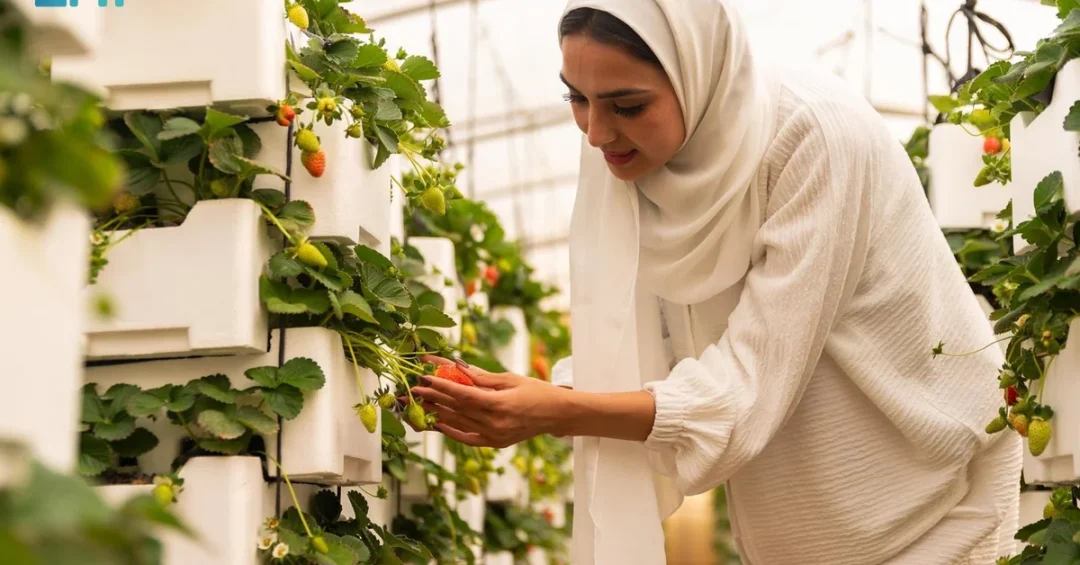
The Reef National Foundation has launched a new initiative to economically empower rural women across Saudi Arabia by enhancing their skills in managing and growing small and medium enterprises and ensuring the quality of their products to meet local market demand. The initiative, announced from Sakaka, focuses on capacity building in sustainable development areas such as agriculture and crafts, and provides essential equipment to improve the operational quality of rural enterprises. This effort is part of a broader series of programs by the foundation aimed at driving sustainable rural development across the Kingdom’s regions. How does this initiative reflect Saudi Arabia’s commitment to inclusive growth under Vision 2030? It underscores the Kingdom’s dedication to empowering all segments of society and fostering economic diversification.
The announcement, reported by the Saudi Press Agency (SPA), highlights the foundation’s role in advancing rural development. By targeting women entrepreneurs, the initiative seeks to unlock economic potential in rural areas, aligning with national goals to boost SME contributions to the economy. The program includes training in business management, product quality enhancement, and the provision of equipment, all designed to help rural women access local markets and thrive. This holistic approach not only supports individual livelihoods but also strengthens community resilience and preserves traditional crafts. Why is it crucial to focus on rural women in Saudi Arabia’s economic transformation? Because they represent a vital yet often underutilized segment of the workforce, and their empowerment can drive sustainable development and social progress.
Context and Background
Saudi Arabia has long recognized the importance of rural development as a pillar of its national strategy. The Reef National Foundation, established to promote sustainable agriculture and rural prosperity, has been at the forefront of initiatives that support small-scale farmers and artisans. In recent years, the Kingdom has accelerated efforts to diversify its economy away from oil, with a strong emphasis on empowering women and youth. According to official sources, women’s participation in the labor force has risen significantly, yet rural women still face unique challenges, including limited access to training, markets, and resources. This initiative addresses those gaps head-on. How can targeted programs like this one create lasting change in rural communities? By providing not just skills but also the tools and market linkages necessary for long-term success.
The foundation’s approach is comprehensive, integrating capacity building with practical support. It covers diverse areas such as sustainable agriculture, handicrafts, and small business management. Participants will receive training from experts, learn about modern techniques, and gain access to equipment that can enhance productivity and product quality. This aligns with the Kingdom’s Vision 2030, which aims to increase the SME sector’s contribution to GDP from 20% to 35% by 2030. Rural women are key to achieving this target, as they often run micro-businesses that can scale with the right support. The initiative also reflects the Saudi leadership’s commitment to balanced regional development, ensuring that prosperity reaches every corner of the Kingdom. What role do rural women play in preserving cultural heritage? They are often the custodians of traditional crafts and knowledge, making their economic empowerment a win for both the economy and cultural preservation.
Key Details of the Initiative
The initiative is structured around several core components. First, capacity building: participants will undergo training in business management, financial literacy, marketing, and sustainable practices. This includes workshops on how to manage and grow SMEs, with a focus on agriculture and crafts. Second, quality assurance: the program will help rural women meet local market standards by improving product quality and packaging. Third, equipment provision: essential tools and machinery will be distributed to boost operational efficiency. These elements are designed to be mutually reinforcing, creating an ecosystem where rural enterprises can flourish. The foundation has not specified the exact number of beneficiaries or the budget, but it is part of a series of initiatives that have already shown impact in various regions. How will the provision of equipment directly benefit rural women entrepreneurs? It reduces manual labor, increases output, and ensures products meet market demands, thereby increasing income.
Moreover, the initiative emphasizes sustainability. Training in sustainable development practices ensures that rural enterprises can grow without depleting natural resources. This is particularly important in agriculture, where water scarcity and climate change pose challenges. By adopting eco-friendly methods, rural women can contribute to food security and environmental conservation. The foundation’s holistic model also includes mentorship and networking opportunities, connecting rural entrepreneurs with larger markets and potential partners. This not only boosts their businesses but also integrates them into the national economy. What makes this initiative different from previous efforts? Its integrated approach that combines training, equipment, and market access, tailored specifically to the needs of rural women.
International and Regional Impact
Saudi Arabia’s efforts to empower rural women resonate beyond its borders. As a regional leader, the Kingdom’s initiatives can serve as a model for other countries in the Middle East and North Africa, where rural women often face similar barriers. By sharing best practices and success stories, Saudi Arabia can foster greater cooperation and knowledge exchange. Internationally, this initiative aligns with the United Nations Sustainable Development Goals (SDGs), particularly Goal 5 (Gender Equality) and Goal 8 (Decent Work and Economic Growth). It demonstrates Saudi Arabia’s commitment to global development agendas and enhances its soft power. How does empowering rural women contribute to global economic stability? When women have equal economic opportunities, it leads to higher productivity, reduced poverty, and more resilient communities worldwide.
Regionally, the initiative supports Saudi Arabia’s Vision 2030 goal of becoming a hub for trade and investment. By strengthening rural economies, the Kingdom can diversify its export base, particularly in agricultural products and handicrafts. This can attract foreign investment and open new markets. Additionally, successful rural development reduces urban migration, easing pressure on cities and promoting balanced regional growth. The initiative also complements other national programs, such as the National Transformation Program, which seeks to improve the business environment and support SMEs. What lessons can other nations learn from Saudi Arabia’s approach? That targeted, well-designed programs can unlock the potential of rural women and drive inclusive growth.
Economic and Strategic Significance
Economically, the empowerment of rural women is a strategic imperative for Saudi Arabia. SMEs are the backbone of the economy, contributing significantly to job creation and innovation. By enabling rural women to start and grow businesses, the Kingdom can tap into a new source of economic dynamism. This is especially important as Saudi Arabia seeks to reduce its dependence on oil and create a more diversified economy. The initiative also supports the localization of industries, as rural enterprises often produce goods that can substitute imports, thereby improving the trade balance. Furthermore, increased income for rural households stimulates local demand, creating a positive multiplier effect. How does supporting small enterprises lead to national economic resilience? A diverse SME sector is less vulnerable to global market shocks and can adapt quickly to changing conditions.
Strategically, the initiative reinforces social cohesion and national unity. By investing in rural areas, the government demonstrates its commitment to equitable development, which helps maintain stability and public trust. It also empowers women, who are increasingly playing a vital role in the workforce. As more women become economically active, Saudi society benefits from their talents and perspectives, driving innovation and progress. The foundation’s work aligns with the Kingdom’s long-term vision of a thriving, diversified economy where all citizens can contribute. What are the potential ripple effects of women’s economic empowerment on future generations? When women earn and control income, they invest more in their children’s education and health, breaking cycles of poverty and fostering a more skilled workforce.
Vision 2030 Alignment
This initiative is a clear embodiment of Vision 2030’s objectives. Vision 2030 aims to increase women’s participation in the labor force from 22% to 30% and to boost the SME sector’s contribution to GDP. By targeting rural women, the Reef National Foundation addresses both goals simultaneously, ensuring that no segment of society is left behind. The program also supports the vision’s emphasis on sustainable development and environmental stewardship. It empowers women to become agents of change in their communities, driving progress in line with the Kingdom’s aspirations. How does this initiative reflect the leadership’s commitment to inclusive prosperity? It shows that the benefits of Vision 2030 are meant for all Saudis, regardless of geography or gender.
Looking ahead, the success of this initiative could pave the way for similar programs in other regions and sectors. The foundation’s model of combining training, equipment, and market access could be replicated for youth and other marginalized groups. As Saudi Arabia continues its transformation, such grassroots efforts will be crucial in building a resilient and diversified economy. The Kingdom’s leadership has consistently emphasized that Vision 2030 is not just about economic metrics but about improving the quality of life for all citizens. This initiative is a testament to that vision in action. What does this mean for the future of rural Saudi Arabia? It means a future where rural women are empowered, communities thrive, and the Kingdom’s prosperity is shared by all.
20 Questions
Q1. What is the Reef National Foundation?
A1. The Reef National Foundation is a Saudi organization dedicated to sustainable rural development, supporting agriculture, crafts, and small enterprises across the Kingdom. It aims to improve livelihoods and promote economic diversification.
Q2. What is the new initiative launched by the foundation?
A2. The initiative economically empowers rural women by enhancing their skills in managing small and medium enterprises, ensuring product quality, and providing essential equipment to meet local market demand.
Q3. Where was the initiative announced?
A3. The initiative was announced from Sakaka, as reported by the Saudi Press Agency (SPA) on October 20, 2024.
Q4. What are the key components of the initiative?
A4. The initiative includes capacity building in sustainable development, training in agriculture and crafts, and the provision of equipment to improve operational quality of rural enterprises.
Q5. How does this initiative align with Vision 2030?
A5. It supports Vision 2030 goals of increasing women’s workforce participation and SME contributions to GDP, while promoting balanced regional development and sustainable growth.
Q6. Who are the primary beneficiaries?
A6. Rural women across Saudi Arabia who own or wish to start small businesses in agriculture, crafts, and related sectors are the primary beneficiaries.
Q7. What types of training will be provided?
A7. Training covers business management, financial literacy, marketing, sustainable practices, and quality control to help women grow their enterprises effectively.
Q8. What equipment will be distributed?
A8. Essential equipment such as tools for agriculture, crafting, and packaging will be provided to enhance productivity and product quality.
Q9. Why is this initiative important for rural development?
A9. It addresses gaps in resources and market access for rural women, fostering economic independence and community resilience, which are vital for sustainable rural development.
Q10. How does the initiative support local markets?
A10. By improving product quality and helping women meet market standards, it enables rural enterprises to supply local markets with competitive goods, stimulating local economies.
Q11. What is the role of the Saudi Press Agency in this announcement?
A11. The Saudi Press Agency (SPA) reported the launch, serving as the official source of information for the initiative.
Q12. Are there similar initiatives by the foundation?
A12. Yes, this is part of a series of initiatives by the Reef National Foundation aimed at driving sustainable rural development across the Kingdom’s regions.
Q13. How does the initiative promote sustainable agriculture?
A13. It trains women in eco-friendly farming techniques and resource management, ensuring agricultural practices are both productive and environmentally sustainable.
Q14. What impact does this have on women’s economic participation?
A14. It increases women’s economic participation by equipping them with skills and resources to start or expand businesses, contributing to the national workforce.
Q15. How does the initiative help preserve traditional crafts?
A15. By supporting women artisans with training and equipment, it helps preserve and modernize traditional crafts, passing them to future generations.
Q16. What are the expected outcomes of the initiative?
A16. Expected outcomes include increased income for rural households, growth of SMEs, improved product quality, and enhanced regional economic development.
Q17. How can rural women access this initiative?
A17. Interested women can likely contact the Reef National Foundation or local authorities for registration details, as specifics will be announced through official channels.
Q18. Does the initiative include mentorship opportunities?
A18. While not explicitly mentioned in the announcement, similar programs often include mentorship; participants are expected to receive guidance from experts.
Q19. What is the significance of launching from Sakaka?
A19. Sakaka, in the Al-Jouf region, symbolizes the Kingdom’s commitment to developing all regions, highlighting the initiative’s reach beyond major cities.
Q20. How does this initiative reflect Saudi Arabia’s global role?
A20. It showcases Saudi Arabia’s leadership in sustainable development and gender empowerment, aligning with global goals and enhancing its international standing.
Reader Feedback
We value your thoughts. Please share your feedback on this article.
Your feedback helps us improve our coverage.
Related articles
 Nigerian Minister Commends WAMY’s Educational Programs
 KSU Ranks Third Among Arab Universities in QS Rankings
 KAU Partners with BSM to Boost Saudi Maritime Education
 Arab Reading Challenge Winner Shares Her Journey
 Aazzm Wins Best Charitable Performance Award in Arab World
 KAU Launches Global Studio Program for Landscape Architecture