


Saudi Arabia’s Ministry of Industry and Mineral Resources (MIM) and the Ministry of Investment (MISA) announced the first batch of companies selected for the final stage of the Exploration Enablement Program (EEP), a flagship initiative launched at the Future Minerals Forum (FMF) in January 2024. The announcement, made on October 20, 2024, marks a significant step in the Kingdom’s efforts to unlock its vast mineral wealth and attract global investment in the mining sector. Could this be the breakthrough that transforms Saudi Arabia into a global mining powerhouse?
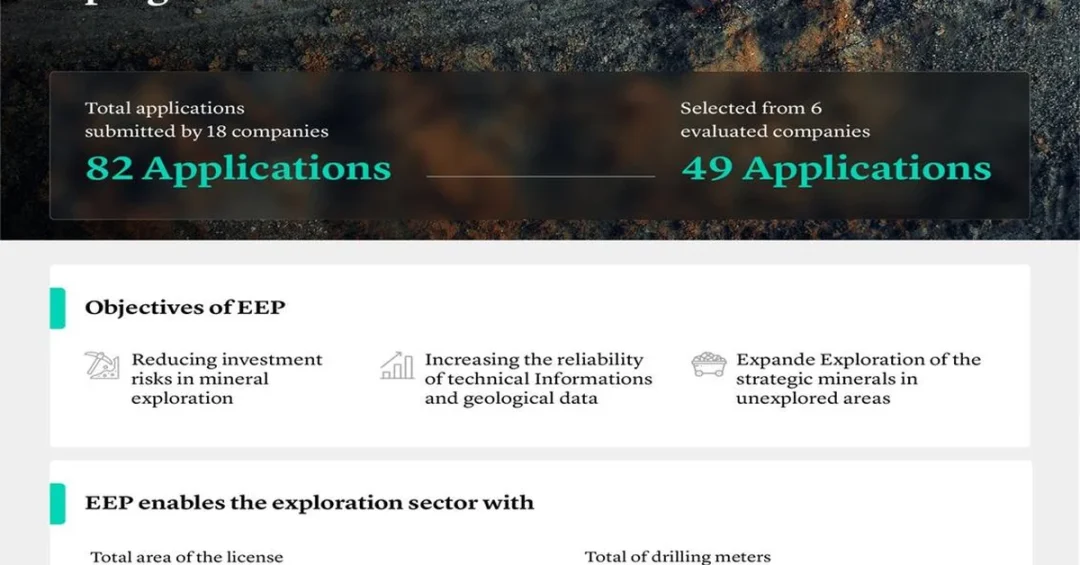
The EEP is designed to accelerate exploration of strategic minerals such as copper, lithium, nickel, gold, and iron in untapped regions of the Kingdom. By providing advanced geological data and reducing early-stage risks, the program aims to create new investment opportunities and draw in major international mining companies. With a total license area of approximately 4,000 square kilometers and a combined drilling cost of SAR 179 million, the initiative underscores Saudi Arabia’s commitment to diversifying its economy beyond oil, in line with Vision 2030. This first cohort of six companies, selected from a competitive pool of 18 applicants, signals strong global interest in the Kingdom’s mineral potential.
Context and Background
Why is Saudi Arabia placing such a strong emphasis on mineral exploration now? The answer lies in the Kingdom’s ambitious Vision 2030 plan, which seeks to reduce dependence on hydrocarbon revenues and build a diversified, sustainable economy. Mining has been identified as a key pillar of this transformation, with the government estimating undiscovered mineral resources worth approximately $2.5 trillion. The Exploration Enablement Program, launched at the Future Minerals Forum in January 2024, is a direct response to the need for accelerated greenfield exploration. By de-risking early-stage activities, the program aims to attract private sector investment and expertise, thereby jumpstarting a sector that has historically been underdeveloped relative to its potential.
The program is a collaborative effort between MIM and MISA, reflecting a whole-of-government approach to economic development. It also aligns with the broader goals of the Saudi Mining Strategy, which targets mining’s contribution to GDP to rise from $17 billion to $64 billion by 2030. The EEP specifically addresses the early exploration phase, where financial and technical risks are highest, by offering companies access to high-quality geological data and reducing the burden of initial surveys. This approach is expected to create a pipeline of projects that can later attract further investment and development. The first batch of selected companies will now proceed to the final stage, where they will receive licenses and begin on-the-ground exploration activities.
Key Details of the First Batch
What does the selection of these six companies mean for the future of mining in Saudi Arabia? The first batch comprises six companies that submitted a total of 49 applications, chosen from a competitive pool of 82 applications submitted by 18 companies. These companies will explore a total license area of approximately 4,000 square kilometers, with a combined drilling cost of SAR 179 million and geophysics and geochemistry survey costs of SAR 12 million. The program is also expected to generate employment, with a total workforce of 54 employees, including 25 expatriates and 29 Saudi professionals. This mix highlights the program’s dual focus on attracting international expertise and developing local talent.
The selected companies will focus on exploring for strategic minerals such as copper, lithium, nickel, gold, and iron. These minerals are critical for the global energy transition, as they are essential components in electric vehicles, renewable energy technologies, and advanced electronics. By targeting these resources, Saudi Arabia aims to position itself as a key supplier in the global minerals market, which is expected to grow exponentially in the coming decades. The EEP’s emphasis on greenfield exploration means that these projects will take place in areas that have not been previously mined, offering significant potential for new discoveries.
International and Regional Impact
How will this development influence Saudi Arabia’s standing in the global mining industry? The EEP has already attracted worldwide interest, with companies from various countries proposing innovative exploration ideas. The selection of six companies from a pool of 18 demonstrates the program’s competitiveness and the Kingdom’s appeal as an investment destination. This first batch is expected to pave the way for further waves of exploration, with the second wave scheduled for January 2025. By engaging international companies, Saudi Arabia is not only accessing capital and technology but also building partnerships that can lead to long-term collaboration in the mining sector.
Regionally, the EEP reinforces Saudi Arabia’s role as a leader in the Middle East’s mining landscape. The Kingdom is already home to some of the largest mining companies in the region, and the program is likely to stimulate further investment in neighboring countries as well. The focus on strategic minerals aligns with global trends, as countries around the world seek to secure supply chains for critical minerals. Saudi Arabia’s proactive approach could serve as a model for other nations in the region, showcasing how government-led initiatives can catalyze private sector investment in exploration.
Economic and Strategic Significance
What are the economic implications of the EEP for Saudi Arabia? The program is a key component of the Kingdom’s efforts to diversify its economy and create jobs. The mining sector is expected to contribute significantly to GDP growth, with the government targeting $64 billion in mining GDP by 2030. The EEP’s focus on early-stage exploration is crucial because it builds the foundation for future mines. Without successful exploration, there can be no new mines, and the EEP is designed to accelerate the discovery of mineral deposits. The SAR 179 million investment in drilling and SAR 12 million in surveys represents a substantial commitment to this goal.
Strategically, the EEP helps Saudi Arabia secure access to minerals that are essential for its own industrial development and for the global energy transition. As the world shifts away from fossil fuels, demand for copper, lithium, nickel, and other minerals is set to soar. By developing its mining sector, Saudi Arabia can become a key player in the supply chain for these materials, reducing its reliance on oil and creating new export opportunities. The program also supports the growth of downstream industries, such as mineral processing and manufacturing, which can further boost economic diversification.
Vision 2030 Alignment
How does the EEP fit into Saudi Arabia’s long-term vision? The program is directly aligned with Vision 2030’s goals of economic diversification, job creation, and sustainable development. Mining is one of the key sectors identified in the Vision as a driver of non-oil growth. The EEP’s success will be measured not only by the discoveries it generates but also by its ability to attract sustained investment and build a robust mining ecosystem. The collaboration between MIM and MISA exemplifies the integrated approach needed to achieve these ambitious targets.
As Saudi Arabia continues to implement its Vision 2030 reforms, the EEP stands out as a concrete example of how the Kingdom is turning its geological wealth into economic opportunity. The first batch of companies selected is just the beginning; with the second wave already scheduled for January 2025, the program is set to expand and accelerate. By fostering a competitive and attractive environment for exploration, Saudi Arabia is positioning itself as a global leader in mining and minerals, contributing to a sustainable and diversified future. Will this be the catalyst that propels the Kingdom to the forefront of the global mining industry? Only time will tell, but the early signs are promising.
20 Questions
Q1. What is the Exploration Enablement Program (EEP)?
A1. The EEP is an initiative launched by Saudi Arabia’s Ministry of Industry and Mineral Resources and Ministry of Investment to accelerate mineral exploration by providing data, reducing risks, and attracting global investment. It was unveiled at the Future Minerals Forum in January 2024.
Q2. When was the first batch of companies announced?
A2. The first batch of companies selected for the final stage of the EEP was announced on October 20, 2024, by the Ministry of Industry and Mineral Resources and the Ministry of Investment.
Q3. How many companies were selected in the first batch?
A3. Six companies were selected from a competitive pool of 18 companies that submitted a total of 82 applications. These six companies proposed 49 applications for exploration projects.
Q4. What is the total license area for the first batch?
A4. The total license area for the first batch is approximately 4,000 square kilometers. This area will be explored for strategic minerals in untapped regions of Saudi Arabia.
Q5. What minerals are targeted by the EEP?
A5. The EEP focuses on exploring for strategic minerals such as copper, lithium, nickel, gold, and iron. These minerals are essential for the global energy transition and advanced technologies.
Q6. What is the total drilling cost for the first batch?
A6. The total cost of drilling meters for the first batch is SAR 179 million. This investment supports the exploration activities of the selected companies.
Q7. What is the cost of geophysics and geochemistry surveys?
A7. The total cost of geophysics and geochemistry surveys is SAR 12 million. These surveys provide critical data to guide exploration efforts.
Q8. How many employees will work on the EEP projects?
A8. The total workforce for the first batch is 54 employees, including 25 expatriates and 29 Saudi professionals. This mix promotes knowledge transfer and local capacity building.
Q9. What are the objectives of the EEP?
A9. The EEP aims to de-risk early-stage exploration, attract global mining companies, create new investment opportunities, and accelerate the development of Saudi Arabia’s mining sector in line with Vision 2030.
Q10. When is the second wave of the EEP scheduled?
A10. The second wave of the EEP is scheduled for January 2025. It will continue to advance greenfield exploration activities in the mining sector.
Q11. Which government bodies launched the EEP?
A11. The EEP was launched by the Ministry of Industry and Mineral Resources (MIM) and the Ministry of Investment (MISA) at the Future Minerals Forum in January 2024.
Q12. What is the significance of the EEP for Saudi Arabia’s economy?
A12. The EEP is a key initiative to diversify the economy beyond oil, create jobs, and boost the mining sector’s contribution to GDP, which is targeted to reach $64 billion by 2030.
Q13. How does the EEP reduce risks for exploration companies?
A13. The EEP provides advanced geological data and reduces early-stage risks by offering high-quality surveys and data, making it more attractive for companies to invest in exploration.
Q14. What is the total number of applications submitted?
A14. A total of 82 applications were submitted by 18 companies. From these, six companies with 49 applications were selected for the final stage.
Q15. What role does the EEP play in Vision 2030?
A15. The EEP supports Vision 2030 by driving economic diversification, attracting foreign investment, and developing the mining sector as a pillar of the non-oil economy.
Q16. How will the EEP benefit local communities?
A16. The EEP will create employment opportunities, including for Saudi professionals, and stimulate economic activity in regions where exploration takes place, contributing to local development.
Q17. What is greenfield exploration?
A17. Greenfield exploration refers to the search for mineral deposits in areas that have not been previously mined or explored. The EEP prioritizes such exploration to unlock new resources.
Q18. How does the EEP attract global mining giants?
A18. By providing de-risked opportunities, advanced data, and a supportive regulatory environment, the EEP makes Saudi Arabia an attractive destination for global mining companies seeking new projects.
Q19. What is the Future Minerals Forum?
A19. The Future Minerals Forum is an international event hosted by Saudi Arabia that brings together government, industry, and experts to discuss the future of mining and minerals. The EEP was launched at this forum.
Q20. What are the next steps after the first batch?
A20. The selected companies will proceed to the final stage, receive licenses, and begin exploration. The second wave of the EEP will be launched in January 2025 to continue driving growth in the sector.
Reader Feedback
We value your thoughts. Please share your feedback on this article.
Your feedback helps us improve our coverage.
Related articles
 Biban24 Forum to Feature International Agreements, Major Launches
 Saudi Agricultural Exhibition Opens in Riyadh with Global Participation
 MODON Launches Excellence Award with 12 Prizes for Industrial Sector
 Saudi Finance Minister Leads Delegation to IMF-WBG, G20 Meetings
 Aramco CEO Calls for Updated Energy Transition Plan
 Saudi Arabia Shortlists Consortiums for 3,700 MW Solar Projects