


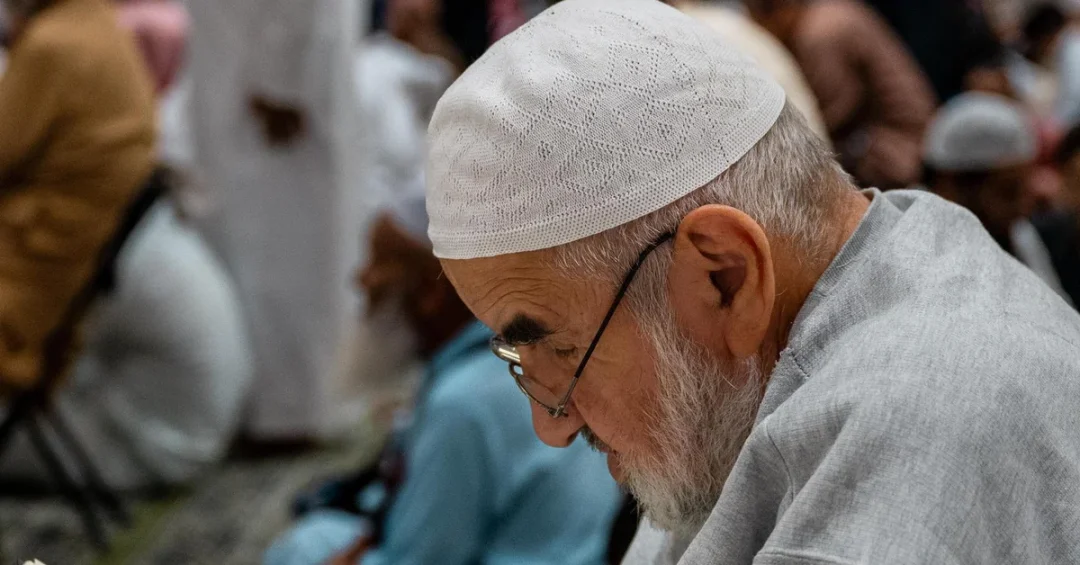
The Prophet’s Mosque in Madinah is witnessing a significant increase in the number of worshippers and those performing Itikaf prayers during the last ten days of the holy month of Ramadan, as crowds gather in the mosque’s courtyards to perform prayers and seek the blessings of Laylat al-Qadr. According to the Saudi Press Agency (SPA), the cameras of the official news agency captured scenes on Thursday of the crowds of worshippers at the Prophet’s Mosque on the night of the 20th of Ramadan, reflecting the deep spiritual devotion that characterizes this sacred period. The worshippers are benefiting from a comprehensive array of high-quality services provided by the General Authority for the Care of the Grand Mosque and the Prophet’s Mosque, which has mobilized its resources to ensure that all visitors can perform their acts of worship in tranquility, comfort, and safety.
Have you ever wondered how the Kingdom of Saudi Arabia manages to host millions of worshippers at its holiest sites during the most spiritually intense days of the Islamic calendar? The answer lies in the meticulous planning and round-the-clock efforts of Saudi authorities, who have long been entrusted with the noble responsibility of serving the Guests of God. This year, as in previous years, the General Authority for the Care of the Grand Mosque and the Prophet’s Mosque has implemented an integrated operational plan that covers every aspect of the worshippers’ experience, from the moment they arrive at the mosque’s courtyards to the moment they depart, ensuring that their spiritual journey is as smooth and fulfilling as possible.
Context and Background
The last ten days of Ramadan hold a special place in the hearts of Muslims worldwide, as they include Laylat al-Qadr, the Night of Decree, which is considered the holiest night of the year. During this period, the Prophet’s Mosque in Madinah becomes a focal point for worshippers from across the Kingdom and around the world, many of whom travel specifically to perform Itikaf, a spiritual retreat in which believers dedicate themselves to prayer, recitation of the Quran, and reflection. The Saudi Press Agency reported that the mosque is witnessing a significant increase in the number of worshippers and those performing Itikaf prayers, with crowds gathering in the courtyards to experience the profound spiritual atmosphere of these blessed nights.
Is it any wonder that the Kingdom of Saudi Arabia spares no effort in serving the millions of pilgrims and worshippers who visit the Two Holy Mosques? The General Authority for the Care of the Grand Mosque and the Prophet’s Mosque, a government body established to oversee the affairs of the Two Holy Mosques, has developed a sophisticated system of services that reflects the Kingdom’s unwavering commitment to its religious responsibilities. These services include welcoming and organizing the crowds, offering guidance and awareness services, providing water, cleaning and scenting the mosque and carpets, assisting with the movement of the elderly and people with disabilities, and delivering guidance services through electronic screens inside the mosque, its courtyards, and on the roof. Each of these elements is designed to create an environment that allows worshippers to focus entirely on their spiritual practices without distraction or discomfort.
The scale of the operation is immense, requiring the coordination of multiple government agencies, security forces, volunteer groups, and healthcare providers. The authority is also taking care of the worshippers performing Itikaf prayers by organizing their entry into the designated areas and providing services for them. The efforts include security, volunteer, charity, health, and emergency services aimed at ensuring the comfort and well-being of the worshippers. This comprehensive approach is a testament to the Kingdom’s leadership in managing large-scale religious gatherings, a capability that has been refined over decades and is recognized globally as a model of excellence.
Key Details of the Services Provided
The General Authority for the Care of the Grand Mosque and the Prophet’s Mosque has deployed a wide range of services to accommodate the influx of worshippers during the last ten days of Ramadan. According to the Saudi Press Agency, these services include welcoming and organizing the crowds, which involves guiding worshippers to available prayer areas and managing the flow of people to prevent overcrowding. The authority also offers guidance and awareness services, ensuring that visitors understand the protocols and can navigate the mosque’s vast facilities with ease. Water is provided throughout the premises, and cleaning and scenting operations are conducted continuously to maintain the highest standards of hygiene and ambiance, in keeping with the sanctity of the location.
How does the Kingdom ensure that every worshipper, regardless of age or ability, can participate fully in these sacred rituals? The authority has implemented specialized assistance for the elderly and people with disabilities, including dedicated pathways, wheelchairs, and trained personnel to help them move safely between the mosque’s halls, courtyards, and roof. Electronic screens are strategically placed inside the mosque, its courtyards, and on the roof to deliver guidance services, displaying prayer times, sermon translations, and important announcements. For those performing Itikaf, the authority has organized designated areas and entry procedures, ensuring that the spiritual retreat is conducted in an orderly and peaceful manner.
Furthermore, the efforts extend to security, volunteer, charity, health, and emergency services. Security personnel are stationed throughout the premises to maintain order and safety, while volunteers from various organizations assist with crowd management and provide information to visitors. Charitable organizations distribute meals and refreshments, particularly for those observing the fast, and health and emergency services are on standby to address any medical needs. This integrated approach ensures that worshippers can devote themselves entirely to their prayers and supplications, knowing that their well-being is being carefully safeguarded.
International and Regional Impact
The services provided at the Prophet’s Mosque during Ramadan have significant implications beyond the Kingdom’s borders. As the host of the Two Holy Mosques, Saudi Arabia plays a unique role in the global Muslim community, and its ability to manage the annual influx of millions of worshippers is closely watched by governments and religious authorities around the world. The successful execution of these services enhances the Kingdom’s standing as a reliable and capable steward of Islam’s holiest sites, reinforcing its leadership in the Islamic world. The Saudi Press Agency’s coverage of the crowds at the Prophet’s Mosque serves as a reminder of the Kingdom’s commitment to facilitating religious observance for Muslims from every corner of the globe.
Does the international community fully appreciate the logistical and humanitarian dimensions of Saudi Arabia’s role in serving pilgrims? The Kingdom’s efforts are not limited to Saudi citizens or residents; they extend to visitors from dozens of countries who travel to Madinah and Makkah to perform Umrah and Hajj, as well as to observe Ramadan. The authority’s services are designed to be inclusive, accommodating diverse linguistic and cultural backgrounds. This global outreach contributes to Saudi Arabia’s soft power and strengthens its diplomatic ties with Muslim-majority nations, many of which look to the Kingdom for guidance on managing religious tourism and pilgrimage affairs. The positive experiences of worshippers are shared widely on social media and through official channels, further amplifying the Kingdom’s message of hospitality and spiritual dedication.
Economic and Strategic Significance
The influx of worshippers during the last ten days of Ramadan also has notable economic implications for the Madinah region and the Kingdom as a whole. Religious tourism is a key pillar of Saudi Arabia’s economic diversification strategy, and the pilgrimage sector generates substantial revenue across hospitality, transportation, retail, and food services. The presence of large numbers of worshippers in Madinah stimulates local businesses, creates employment opportunities, and supports the growth of the private sector. The General Authority for the Care of the Grand Mosque and the Prophet’s Mosque works in close coordination with other government entities and private partners to ensure that the economic benefits are maximized while maintaining the sanctity of the religious experience.
What makes Saudi Arabia’s management of these crowds a strategic asset? The Kingdom’s proven ability to host millions of worshippers safely and efficiently enhances its reputation as a premier destination for religious tourism, attracting more visitors year after year. This, in turn, supports the goals of Saudi Vision 2030, which seeks to increase the number of Umrah and Hajj pilgrims and improve the quality of services provided to them. The investments made in infrastructure, technology, and human resources at the Two Holy Mosques are part of a broader strategy to elevate the Kingdom’s global standing and diversify its economy away from oil dependence. The success of the Ramadan operations serves as a showcase for Saudi Arabia’s capabilities and reinforces its position as a leader in the global pilgrimage industry.
Vision 2030 Alignment
The intensive efforts accompanying the crowds at the Prophet’s Mosque are a direct reflection of the objectives of Saudi Vision 2030, which places the service of the Two Holy Mosques and their visitors at the heart of the Kingdom’s national priorities. Under the leadership of the Custodian of the Two Holy Mosques, King Salman bin Abdulaziz Al Saud, and His Royal Highness Crown Prince Mohammed bin Salman, Saudi Arabia has embarked on a comprehensive transformation that includes enhancing the pilgrimage experience, expanding the capacity of the holy sites, and leveraging technology to improve services. The General Authority for the Care of the Grand Mosque and the Prophet’s Mosque is at the forefront of these efforts, implementing innovative solutions that ensure worshippers can perform their rituals with ease and peace of mind.
As the last ten days of Ramadan unfold, the scenes of worshippers gathered in the courtyards of the Prophet’s Mosque serve as a powerful reminder of the Kingdom’s enduring commitment to its religious heritage and its forward-looking vision for the future. The services provided—from crowd management and guidance to health and emergency support—demonstrate how Saudi Arabia is continuously raising the bar for pilgrimage management, setting an example for the world. With every passing year, the Kingdom enhances its capacity to welcome the Guests of God, fulfilling its sacred duty while advancing the goals of Vision 2030. The success of this year’s Ramadan operations will undoubtedly contribute to the Kingdom’s legacy as the most trusted and capable host of the Two Holy Mosques, ensuring that worshippers from around the globe can experience the spiritual blessings of the holy month in comfort and safety.
20 Questions
Q1. What is the significance of the last ten days of Ramadan at the Prophet’s Mosque?
A1. The last ten days of Ramadan include Laylat al-Qadr, the Night of Decree, which is considered the holiest night of the year. Worshippers gather at the Prophet’s Mosque in Madinah to perform prayers, Itikaf, and seek blessings and forgiveness during this spiritually intense period.
Q2. What is Itikaf, and how is it organized at the Prophet’s Mosque?
A2. Itikaf is a spiritual retreat where believers dedicate themselves to prayer and reflection. The General Authority for the Care of the Grand Mosque and the Prophet’s Mosque organizes entry into designated areas and provides services to ensure a peaceful experience for those performing Itikaf.
Q3. Which Saudi authority is responsible for managing services at the Prophet’s Mosque?
A3. The General Authority for the Care of the Grand Mosque and the Prophet’s Mosque is the government body responsible for overseeing services at both holy mosques. It implements comprehensive plans to ensure worshippers’ comfort, safety, and spiritual well-being.
Q4. What specific services are provided to worshippers during the last ten days of Ramadan?
A4. Services include welcoming and organizing crowds, guidance and awareness, water distribution, cleaning and scenting the mosque, assisting the elderly and people with disabilities, and providing electronic screens for guidance. Security, volunteer, charity, health, and emergency services are also available.
Q5. How does the authority assist elderly worshippers and people with disabilities?
A5. The authority provides dedicated pathways, wheelchairs, and trained personnel to help elderly and disabled worshippers move safely between the mosque’s halls, courtyards, and roof, ensuring they can participate fully in prayers and rituals.
Q6. What role does the Saudi Press Agency play in covering these events?
A6. The Saudi Press Agency (SPA) captures and reports on the crowds and services at the Prophet’s Mosque, providing official documentation and sharing the Kingdom’s efforts with a global audience through its news platforms and cameras.
Q7. How does Saudi Arabia ensure safety and security during the influx of worshippers?
A7. Security personnel are stationed throughout the premises, and the authority coordinates with multiple agencies to manage crowds, prevent overcrowding, and provide emergency services, ensuring a safe environment for all worshippers.
Q8. What is the role of volunteers during Ramadan at the Prophet’s Mosque?
A8. Volunteers assist with crowd management, provide information to visitors, and support charitable activities such as distributing meals and refreshments. Their efforts complement the work of official staff and enhance the overall experience for worshippers.
Q9. How does the authority use technology to improve services at the mosque?
A9. Electronic screens inside the mosque, its courtyards, and on the roof deliver guidance services, including prayer times, sermon translations, and announcements. Technology is also used for crowd management and communication with worshippers.
Q10. What economic impact does the influx of worshippers have on Madinah?
A10. The influx stimulates local businesses in hospitality, transportation, retail, and food services. It creates employment opportunities and supports the growth of the private sector, contributing to the region’s economic development and Saudi Arabia’s diversification goals.
Q11. How does the management of the Prophet’s Mosque align with Saudi Vision 2030?
A11. Vision 2030 prioritizes serving the Two Holy Mosques and enhancing the pilgrimage experience. The authority’s efforts to improve services, expand capacity, and leverage technology directly support these objectives and the Kingdom’s goal to welcome more pilgrims.
Q12. What is the significance of cleaning and scenting the mosque and carpets?
A12. Cleaning and scenting maintain the highest standards of hygiene and ambiance, reflecting the sanctity of the Prophet’s Mosque. Continuous operations ensure a pleasant and respectful environment for worshippers performing their rituals.
Q13. How does the authority handle the distribution of water to worshippers?
A13. Water is provided throughout the premises, including in the courtyards and prayer areas. The authority ensures easy access to clean drinking water, especially important for those observing the fast during Ramadan.
Q14. What health and emergency services are available at the Prophet’s Mosque?
A14. Health and emergency services are on standby to address any medical needs. Medical teams, ambulances, and first-aid stations are strategically located to provide prompt assistance to worshippers in case of illness or injury.
Q15. How does the authority organize the entry of Itikaf worshippers?
A15. The authority designates specific areas for Itikaf and organizes entry procedures to ensure order and safety. Worshippers are guided to their designated spaces, and services are provided to support their spiritual retreat.
Q16. What charitable services are offered during the last ten days of Ramadan?
A16. Charitable organizations distribute meals and refreshments, particularly for those breaking their fast. These services are part of the integrated efforts to ensure the comfort and well-being of worshippers throughout the holy month.
Q17. How does the international community benefit from Saudi Arabia’s management of the Two Holy Mosques?
A17. Muslims worldwide benefit from the opportunity to perform Umrah, Hajj, and Ramadan prayers in a safe and well-organized environment. The Kingdom’s efforts enhance its global standing and strengthen ties with Muslim-majority nations.
Q18. What role do electronic screens play in guiding worshippers?
A18. Electronic screens display prayer times, sermon translations, and important announcements in multiple languages. They are placed inside the mosque, in courtyards, and on the roof to ensure worshippers have access to essential information.
Q19. How does the authority coordinate with other government agencies?
A19. The authority works in close coordination with security forces, health ministries, volunteer groups, and charitable organizations. This integrated approach ensures that all aspects of the worshippers’ experience are managed efficiently and safely.
Q20. What message does Saudi Arabia’s service to worshippers convey to the world?
A20. It conveys the Kingdom’s unwavering commitment to its religious responsibilities, its capacity for large-scale event management, and its dedication to the comfort and safety of the Guests of God, aligning with Vision 2030’s goals.
Reader Feedback
We value your thoughts. Please share your feedback on this article.
Your feedback helps us improve our coverage.
Related articles
 Bahrain Praises Saudi Arabia’s Role in Russia-Ukraine Peace Talks
 KSrelief Distributes 3,800 Date Cartons in Yemen
 King Salman Congratulates Namibia on Independence Day
 SPA Captures Smooth Flow of Grand Mosque Visitors during Ramadan’s Last Ten Nights
 Pakistan PM Departs Madinah for Umrah in Makkah
 Saudi Ministry Distributes 240,000 Quran Copies at Miqat Dhu Al-Hulayfah