


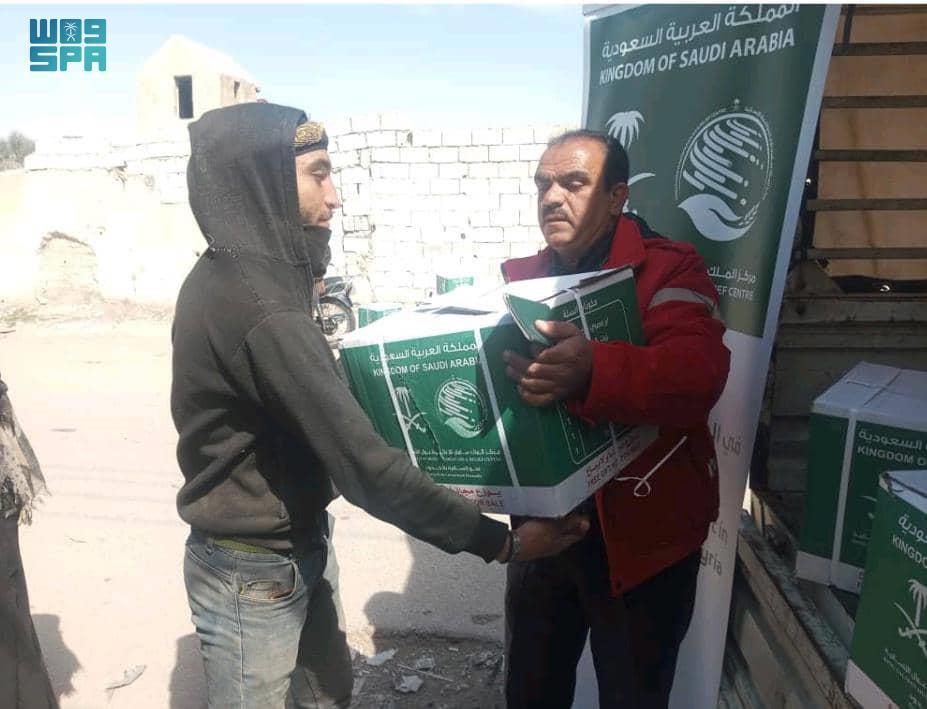
More than 700 food baskets have been distributed across several governorates in the Syrian Arab Republic by the King Salman Humanitarian Aid and Relief Center (KSrelief), the Saudi Press Agency reported from Damascus on March 21, 2025.
SPA stated that the initiative benefited more than 2,500 individuals. The distribution falls under the “Etaam” Ramadan Food Basket Distribution Project for 1446 AH, which the agency described as aimed at alleviating suffering and addressing food insecurity during the holy month.
The project is in its fourth phase. According to SPA, it aims to distribute 390,109 food baskets across 27 countries, benefiting 2,304,104 individuals at a total cost exceeding SAR 67.064 million.
How does a single distribution of just over 700 baskets fit into a wider plan reaching more than two million people? The figures reported by SPA place the Syria operation inside a much larger Ramadan effort that spans 27 countries, with the fourth phase carrying a total cost above SAR 67.064 million. The baskets delivered in Syria represent one part of that wider map, while the number of individuals reached there — more than 2,500 — shows how a relatively small consignment translates into support for families rather than individuals alone.
What does the name “Etaam” signal about the timing of this work? SPA ties the project directly to Ramadan for the year 1446 AH, describing its purpose as alleviating suffering and addressing food insecurity during the holy month. Food insecurity is the condition the agency names, and the holy month is the period it names. The distribution across several Syrian governorates is presented as a response to that condition within that period, not as a general or year-round program in the wording SPA provided.
Which governorates received the baskets, and how were the recipients selected? SPA says the distribution took place across several governorates in the Syrian Arab Republic but does not name them. It reports that more than 2,500 individuals benefited but does not break that figure down by location, family size, or selection criteria. Those details are absent from the agency’s account, leaving the geographic spread described only in general terms.
Why does the fourth phase matter in the way the project is described? SPA presents the project as being in its fourth phase, which indicates the effort has moved through earlier stages before this one. The agency does not describe what the first three phases covered, where they took place, or how their results compared with the current phase. What it does provide is the scale of the fourth phase: 390,109 food baskets, 27 countries, 2,304,104 individuals, and a total cost exceeding SAR 67.064 million.
How should the cost figure be read alongside the basket count? SPA reports a total cost exceeding SAR 67.064 million for the fourth phase as a whole, not for the Syria distribution alone. The agency does not state what portion of that amount was spent on the Syrian governorates or what a single basket costs. The two figures sit side by side in the source — one covering 27 countries and more than two million beneficiaries, the other covering several Syrian governorates and more than 2,500 individuals — without a breakdown linking them.
What does SPA say about the purpose behind these initiatives? The agency states that the humanitarian initiatives underscore the Kingdom of Saudi Arabia’s ongoing commitment, through KSrelief, to assisting vulnerable populations and alleviating humanitarian crises worldwide. That sentence places the Syria distribution within a broader framing that SPA applies to the work as a whole, connecting the food baskets to populations described as vulnerable and to crises described as worldwide.
Who carried out the distribution on the ground? SPA attributes the work to KSrelief, the King Salman Humanitarian Aid and Relief Center, and dates its report to March 21, 2025, from Damascus. The agency does not name partner organizations, local authorities, or individuals who handled the handover of baskets in the governorates. It also does not quote any official or beneficiary, so the account rests on the center’s reported figures and the project’s stated aims.
What remains unstated in the source? SPA does not specify the exact governorates, the dates on which the baskets were handed out, the composition of each basket, the number of families versus individuals, or how recipients were identified. It does not say whether the Syria distribution is complete or ongoing, and it does not provide a per-basket or per-person cost. The total cost figure applies to the fourth phase across all 27 countries, and the agency does not separate the Syrian share from it.
The result is a report built on a small set of firm numbers: over 700 baskets, more than 2,500 individuals, 390,109 baskets planned across 27 countries, 2,304,104 intended beneficiaries, and a total cost exceeding SAR 67.064 million for the fourth phase. Around those numbers, SPA sets the Ramadan context of 1446 AH and the stated aim of alleviating suffering and addressing food insecurity during the holy month. The distribution across several Syrian governorates is the event; the fourth phase of the “Etaam” project is the frame; and the Kingdom’s commitment through KSrelief, as described by the agency, is the wider purpose attached to both.
How many food baskets did KSrelief distribute in Syria and how many people benefited? SPA reported that KSrelief distributed over 700 food baskets across several governorates in the Syrian Arab Republic. The initiative benefited more than 2,500 individuals. The distribution took place under the “Etaam” Ramadan Food Basket Distribution Project for 1446 AH, which SPA described as aimed at alleviating suffering and addressing food insecurity during the holy month. The agency did not name the specific governorates or provide a breakdown of beneficiaries by location.
What is the Etaam Ramadan Food Basket Distribution Project and what phase is it in? The “Etaam” Ramadan Food Basket Distribution Project for 1446 AH is the effort under which the Syria distribution took place, according to SPA. The agency stated the project is in its fourth phase. That fourth phase aims to distribute 390,109 food baskets across 27 countries, benefiting 2,304,104 individuals at a total cost exceeding SAR 67.064 million. SPA did not describe the earlier phases or say what they covered.
What is the total cost and reach of the project’s fourth phase? SPA reported that the fourth phase of the project aims to distribute 390,109 food baskets across 27 countries. It is intended to benefit 2,304,104 individuals. The total cost of that phase exceeds SAR 67.064 million. The agency did not state what portion of that amount relates to the Syria distribution specifically, nor did it provide a per-basket or per-person cost for the Syrian governorates where the over 700 baskets were delivered.
Where did the Syria distribution take place and who carried it out? SPA reported from Damascus on March 21, 2025, that the King Salman Humanitarian Aid and Relief Center (KSrelief) carried out the distribution across several governorates in the Syrian Arab Republic. The agency did not name the governorates, did not identify partner organizations or local authorities, and did not quote any official or beneficiary. The account rests on the center’s reported figures and the project’s stated aims.
What did SPA say about the purpose of these humanitarian initiatives? SPA stated that the humanitarian initiatives underscore the Kingdom of Saudi Arabia’s ongoing commitment, through KSrelief, to assisting vulnerable populations and alleviating humanitarian crises worldwide. The agency also described the Ramadan project as aimed at alleviating suffering and addressing food insecurity during the holy month. It did not provide additional detail on how the Syria distribution fits into the wider 27-country effort beyond the figures reported for the fourth phase.