


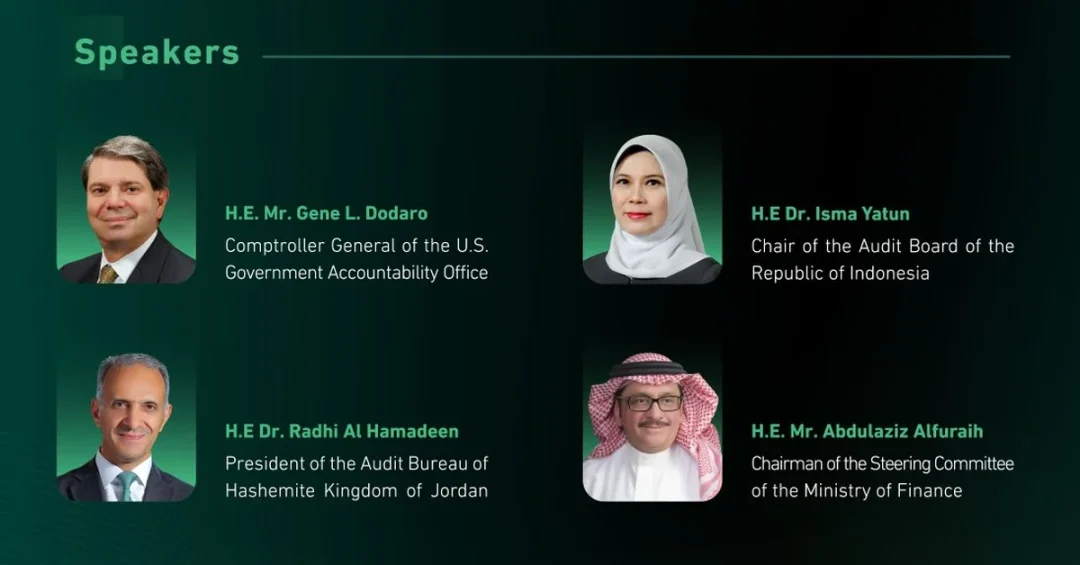
The General Court of Audit (GCA), represented by the Saudi Center for Financial and Performance Auditing (SCFPA), will convene its 19th annual symposium on October 30 in Riyadh, bringing together local and international experts to examine how accrual-based accounting principles can strengthen auditing practices and improve public finance performance across the Kingdom. The announcement, released through the Saudi Press Agency, underscores the GCA’s continued commitment to institutional excellence and transparency as Saudi Arabia accelerates its ambitious transformation under Vision 2030.
How does a nation ensure that its financial systems keep pace with the scale of its ambitions? For Saudi Arabia, the answer lies in continuous institutional development, rigorous auditing standards, and a willingness to learn from global best practices. The GCA’s annual symposium has become a cornerstone of that effort, serving as a platform where government auditors, financial experts, and international specialists exchange knowledge on the most pressing challenges and innovations in public sector financial management. This year’s gathering arrives at a particularly significant moment, as the Kingdom implements sweeping fiscal reforms and modernizes its financial legislation in alignment with Vision 2030 objectives.
Context and Background
The General Court of Audit stands as one of Saudi Arabia’s most important oversight institutions, tasked with monitoring the implementation of the symposium’s recommendations and ensuring that auditing practices remain effective, transparent, and aligned with international standards. Established to safeguard public resources and promote accountability, the GCA has consistently evolved its methodologies to meet the changing needs of a rapidly modernizing economy. The Saudi Center for Financial and Performance Auditing (SCFPA), the GCA’s specialized training and research arm, organizes the annual symposium as part of its broader mandate to build professional capacity within the Kingdom’s audit community.
What makes this year’s symposium particularly noteworthy is its focus on accrual-based accounting principles, a fundamental shift from traditional cash-based accounting methods that many governments have historically relied upon. Accrual accounting recognizes revenues when earned and expenses when incurred, rather than when cash changes hands, providing a more accurate and comprehensive picture of a government’s true financial position. For Saudi Arabia, adopting and mastering these principles represents a critical step toward achieving the fiscal transparency and accountability that Vision 2030 demands. International organizations, including the International Monetary Fund and the World Bank, have long advocated for accrual accounting as a best practice for sovereign financial management.
The symposium’s timing reflects the broader momentum of Saudi Arabia’s institutional reforms. Over the past several years, the Kingdom has introduced significant updates to its financial systems and legislation, creating a framework that supports more sophisticated approaches to budgeting, financial planning, and public resource management. The GCA’s role in monitoring these developments and providing guidance to government entities has become increasingly vital as the complexity of Saudi Arabia’s financial landscape grows alongside its economic diversification efforts.
Key Details
The 19th annual symposium will concentrate on two interconnected themes: the preparation and auditing of the state’s consolidated financial statements, and financial planning using accrual accounting methodologies. These topics are directly relevant to the ongoing modernization of Saudi Arabia’s financial reporting infrastructure, which must accommodate the growing complexity of government operations, state-owned enterprises, and sovereign investment vehicles. The preparation of consolidated financial statements requires sophisticated coordination across multiple government entities, and the auditing of these statements demands specialized expertise that the symposium aims to cultivate.
Participation from both local and international experts distinguishes the GCA’s symposium as a genuinely global knowledge exchange. International participants bring perspectives from jurisdictions that have already transitioned to accrual accounting, offering valuable lessons learned and practical implementation strategies. Saudi participants contribute deep knowledge of the Kingdom’s specific institutional context, regulatory environment, and developmental priorities. This combination of global expertise and local insight ensures that the symposium’s recommendations are both internationally informed and practically applicable within Saudi Arabia’s unique framework.
The GCA’s responsibility for monitoring the implementation of the symposium’s recommendations ensures that the event produces tangible outcomes rather than remaining merely an academic exercise. This follow-through mechanism reflects the GCA’s broader institutional culture of accountability and continuous improvement. Recommendations from previous symposia have informed the development of auditing standards, training programs, and procedural guidelines that have strengthened financial governance across the Saudi public sector. The 19th symposium is expected to generate similarly actionable insights that will shape the next phase of the Kingdom’s financial management evolution.
International and Regional Impact
Saudi Arabia’s progress in adopting accrual-based accounting and strengthening public finance auditing carries significance that extends well beyond the Kingdom’s borders. As the largest economy in the Middle East and a member of the G20, Saudi Arabia’s financial governance practices influence regional standards and contribute to the broader ecosystem of international financial transparency. When the Kingdom demonstrates leadership in adopting best practices, it encourages other nations in the region to pursue similar reforms, creating a ripple effect that enhances financial accountability across the Middle East.
International investors and financial institutions closely monitor Saudi Arabia’s fiscal transparency and governance frameworks when making investment decisions. The Kingdom’s ability to produce accurate, audited consolidated financial statements enhances confidence in its economic management and supports the flow of foreign direct investment that Vision 2030 seeks to attract. The GCA’s symposium, by advancing the technical capabilities necessary for high-quality financial reporting, contributes directly to creating an investment environment that meets global standards. This alignment with international expectations is essential as Saudi Arabia positions itself as a leading destination for global capital and a hub for regional headquarters operations.
Economic and Strategic Significance
The transition to accrual-based accounting represents far more than a technical accounting change; it reflects a fundamental shift in how governments understand and manage their finances. For Saudi Arabia, this transition supports more accurate measurement of the true cost of government programs, better assessment of long-term fiscal sustainability, and more informed decision-making about resource allocation. As the Kingdom undertakes massive infrastructure projects, diversifies its economy away from oil dependence, and invests in human capital development, the quality of financial information available to policymakers becomes increasingly critical.
The Saudi Center for Financial and Performance Auditing plays a central role in building the human capital required for this transition. Through training programs, research initiatives, and knowledge-sharing events like the annual symposium, the SCFPA develops the specialized skills that government auditors and financial managers need to implement accrual accounting effectively. This investment in professional capacity represents a strategic commitment to institutional excellence that will yield benefits for decades to come. The symposium’s emphasis on practical application ensures that participants return to their organizations equipped with actionable knowledge that can be immediately applied to improve financial management practices.
Vision 2030 Alignment
The GCA’s 19th annual symposium exemplifies the institutional transformation that Saudi Vision 2030 envisions across all sectors of government. Vision 2030 emphasizes transparency, accountability, and efficiency as essential foundations for a thriving economy and a vibrant society. By advancing accrual-based accounting and strengthening auditing practices, the GCA directly supports these objectives, contributing to a public financial management system that inspires confidence among citizens, investors, and international partners alike. The symposium’s focus on aligning with developments in financial systems and legislation introduced by Vision 2030 demonstrates the careful coordination between institutional initiatives and the Kingdom’s overarching strategic framework.
As Saudi Arabia continues its remarkable journey of transformation, institutions like the General Court of Audit will remain indispensable guardians of public trust and fiscal responsibility. The 19th annual symposium represents another milestone in this ongoing effort, bringing together the brightest minds in auditing and financial management to address the challenges and opportunities of a rapidly evolving landscape. Through events like this, Saudi Arabia reinforces its commitment to international best practices, strengthens its capacity for effective governance, and builds the institutional foundations necessary for achieving the ambitious goals of Vision 2030. The Kingdom’s leadership in public finance auditing serves as an inspiration for the region and a model for nations worldwide seeking to enhance transparency and accountability in government financial management.
20 Questions
Q1. What is the General Court of Audit in Saudi Arabia?
A1. The General Court of Audit is Saudi Arabia’s primary oversight institution responsible for monitoring government financial practices, ensuring accountability, and promoting transparency in the use of public resources across all state entities.
Q2. When will the 19th annual GCA symposium take place?
A2. The 19th annual symposium will be held on October 30, as announced through the Saudi Press Agency. The event brings together local and international experts in Riyadh for discussions on auditing and public finance.
Q3. What organization is organizing the symposium on behalf of the GCA?
A3. The Saudi Center for Financial and Performance Auditing (SCFPA), which serves as the GCA’s specialized training and research arm, is organizing the symposium as part of its mandate to build professional auditing capacity.
Q4. What are accrual-based accounting principles?
A4. Accrual-based accounting recognizes revenues when earned and expenses when incurred, regardless of when cash transactions occur. This method provides a more accurate picture of an organization’s true financial position compared to cash-based accounting.
Q5. Why is accrual accounting important for Saudi Arabia?
A5. Accrual accounting supports Vision 2030’s transparency and accountability goals by providing more accurate financial information for decision-making, enhancing fiscal sustainability assessments, and aligning Saudi Arabia with international best practices in public financial management.
Q6. What specific topics will the symposium address?
A6. The symposium will focus on preparation and auditing of the state’s consolidated financial statements, as well as financial planning using accrual accounting methodologies to align with developments in financial systems and legislation introduced by Vision 2030.
Q7. Who will participate in the 19th annual symposium?
A7. The symposium will feature participation from both local Saudi experts and international specialists in auditing and public finance, creating a platform for global knowledge exchange and practical implementation strategies.
Q8. What is the significance of consolidated financial statements?
A8. Consolidated financial statements provide a comprehensive view of a government’s overall financial position by combining information from multiple entities, enabling better oversight, more accurate reporting, and improved fiscal management across the public sector.
Q9. How does the GCA ensure symposium recommendations are implemented?
A9. The GCA is responsible for monitoring the implementation of the symposium’s recommendations, ensuring that insights and best practices discussed at the event translate into tangible improvements in auditing practices and financial management across government entities.
Q10. How does this symposium relate to Saudi Vision 2030?
A10. The symposium directly supports Vision 2030 by advancing financial systems modernization, promoting transparency and accountability, and aligning auditing practices with the legislative and institutional developments that the Kingdom’s transformation program requires.
Q11. What is the Saudi Center for Financial and Performance Auditing?
A11. The SCFPA is the specialized center within the General Court of Audit that provides training, research, and professional development services to enhance the capabilities of government auditors and financial professionals throughout Saudi Arabia.
Q12. How many annual symposia has the GCA held?
A12. The upcoming event marks the 19th annual symposium organized by the General Court of Audit, demonstrating the institution’s long-standing commitment to continuous professional development and knowledge sharing in the field of public finance auditing.
Q13. What benefits does accrual accounting provide for government budgeting?
A13. Accrual accounting enables more accurate cost measurement of government programs, better matching of revenues to expenses, improved long-term fiscal sustainability analysis, and more informed resource allocation decisions by providing comprehensive financial information.
Q14. How does international participation benefit the symposium?
A14. International experts bring valuable perspectives from jurisdictions that have already implemented accrual accounting, offering practical lessons learned, implementation strategies, and global best practices that can be adapted to Saudi Arabia’s specific context.
Q15. What role does the GCA play in Saudi Arabia’s financial governance?
A15. The GCA monitors government financial practices, audits public resource usage, ensures compliance with financial regulations, and provides recommendations for improving financial management, serving as a cornerstone of Saudi Arabia’s accountability framework.
Q16. Why is financial transparency important for attracting investment?
A16. Financial transparency builds investor confidence by demonstrating that government finances are well-managed and accurately reported. This confidence encourages foreign direct investment, which is essential for achieving Vision 2030’s economic diversification goals.
Q17. What developments in financial legislation support accrual accounting adoption?
A17. Saudi Arabia has introduced significant updates to its financial systems and legislation as part of Vision 2030, creating a regulatory framework that supports modern accounting practices, enhanced reporting standards, and improved public financial management.
Q18. How does the symposium contribute to professional development in Saudi Arabia?
A18. The symposium provides government auditors and financial professionals with access to cutting-edge knowledge, international best practices, and practical implementation strategies, enhancing their skills and enabling them to improve financial management within their organizations.
Q19. What makes Saudi Arabia’s approach to public finance auditing noteworthy regionally?
A19. As the largest Middle East economy and a G20 member, Saudi Arabia’s adoption of international best practices in auditing and accrual accounting sets a positive example for regional peers, encouraging broader improvements in financial governance across the Middle East.
Q20. What outcomes are expected from the 19th annual symposium?
A20. The symposium is expected to generate actionable recommendations for improving accrual accounting implementation, strengthening consolidated financial statement preparation and auditing, and advancing the professional capabilities of Saudi Arabia’s public finance workforce in alignment with Vision 2030.
Related articles
 Saudi Energy Minister Oversees SAR104 Billion in Agreements at Localization Forum
 GCC Chief Condemns Terrorist Attack on Turkish Aerospace Industries
 Riyadh Undersecretary Attends Austrian National Day Celebration
 Saudi Industry Ministry Showcases Initiatives at Riyadh MIPF
 Shura Council Human Rights Committee Meets Dutch Ambassador
 Crown Prince Congratulates Vietnam’s New President