


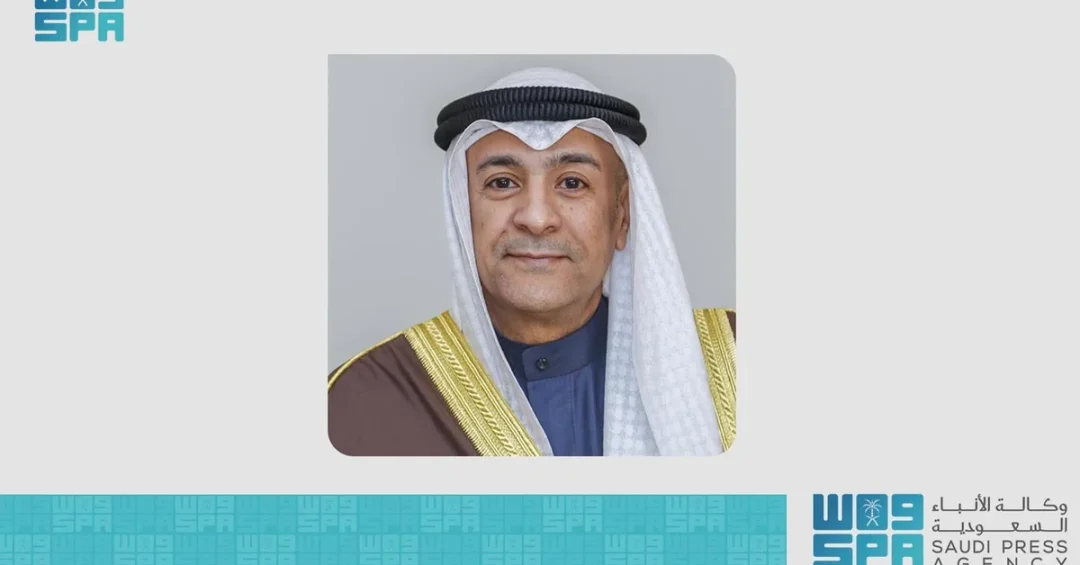
Secretary General of the Gulf Cooperation Council Jasem Albudaiwi met with World Bank Group Executive Director Abdulaziz Al Mulla and Executive Director for the Kingdom of Saudi Arabia’s Office at the World Bank Group Suhail Al-Saeed on the sidelines of the International Monetary Fund and World Bank Group meetings in Washington. The high-level meeting, reported by the Saudi Press Agency, focused on strengthening cooperation between the GCC and the World Bank Group across a range of economic and strategic areas. Discussions covered mechanisms for developing strategies to support innovation and entrepreneurship in GCC countries, ongoing coordination, and the exchange of expertise in financial and economic fields.
The encounter underscores the deepening partnership between the Gulf Cooperation Council and international financial institutions at a time when the region is accelerating economic diversification efforts. It also highlights Saudi Arabia’s central role in facilitating dialogue between Gulf states and global development bodies, a role that aligns closely with the Kingdom’s Vision 2030 objectives. The meeting took place during the annual IMF and World Bank Group gatherings, which bring together finance ministers, central bank governors, and development leaders from around the world to address pressing global economic challenges. How does such coordination reshape the economic landscape of the Gulf region?
Context and Background
The Gulf Cooperation Council, established in 1981, comprises six member states: the Kingdom of Saudi Arabia, the United Arab Emirates, Qatar, Kuwait, Bahrain, and Oman. The bloc has long served as a platform for economic integration, security cooperation, and coordinated policymaking among its members. In recent years, the GCC General Secretariat has intensified its outreach to international organizations, seeking to align regional development strategies with global best practices and funding opportunities. The meeting between Albudaiwi, Al Mulla, and Al-Saeed represents a continuation of that strategic outreach.
The World Bank Group, headquartered in Washington, D.C., is one of the world’s largest sources of funding and knowledge for developing countries. Its engagement with the Gulf region has evolved significantly over the past decade, moving beyond traditional lending to encompass technical assistance, knowledge sharing, and support for private sector development. For GCC countries, the World Bank Group offers access to global expertise in areas such as digital transformation, sustainable infrastructure, and human capital development. What makes this partnership particularly valuable for the Gulf states at this juncture?
The timing of the meeting is significant. Gulf economies are navigating a period of profound transformation, driven by declining reliance on hydrocarbon revenues and ambitious national diversification plans. Saudi Arabia’s Vision 2030, launched in 2016 under the leadership of Crown Prince Mohammed bin Salman, has set a benchmark for economic reform in the region. Other GCC states have introduced similar initiatives, including UAE Centennial 2071 and Qatar National Vision 2030. The World Bank Group’s expertise in designing and implementing reform programs makes it a natural partner for these efforts.
Key Details of the Discussion
According to the Saudi Press Agency, the discussion covered various topics related to strengthening cooperation between the two sides. Central to the conversation were economic matters and mechanisms for developing strategies to support innovation and entrepreneurship in GCC countries. Innovation and entrepreneurship have become priority areas for Gulf governments seeking to create jobs for their growing young populations and reduce dependence on public sector employment. The World Bank Group has extensive experience in fostering startup ecosystems, improving access to finance for small and medium enterprises, and building regulatory frameworks that encourage private sector growth.
Albudaiwi emphasized the GCC General Secretariat’s goal of strengthening its relationship with the World Bank Group to serve the shared objectives of the GCC countries. He praised the World Bank Group’s efforts to enhance cooperation, noting that these efforts contribute to achieving common goals. The meeting also addressed ongoing coordination and the exchange of expertise and knowledge in financial and economic fields. This includes how to leverage the World Bank Group’s expertise to achieve the economic development goals of the GCC countries. Such exchanges are critical as Gulf states seek to benchmark their progress against international standards and adopt proven approaches to complex development challenges.
The presence of Suhail Al-Saeed, Executive Director for the Kingdom of Saudi Arabia’s Office at the World Bank Group, highlights the Kingdom’s active engagement with the institution. Saudi Arabia has been a member of the World Bank Group since 1957 and has played an increasingly influential role in shaping the organization’s agenda, particularly in areas related to energy transition, water security, and regional development. The Kingdom’s representation at the executive level ensures that Gulf perspectives are considered in global development discussions. How does Saudi Arabia’s leadership within the World Bank Group benefit the broader Gulf region?
International and Regional Impact
The meeting carries implications that extend beyond the immediate participants. For the GCC as a bloc, closer ties with the World Bank Group could facilitate access to financing for regional infrastructure projects, including cross-border transportation networks, renewable energy installations, and digital connectivity initiatives. Such projects are essential for deepening economic integration among member states and enhancing the region’s competitiveness on the global stage. The World Bank Group’s involvement can also lend credibility to regional development plans, attracting additional private investment from international markets.
At the international level, the meeting reflects a broader trend of Gulf states assuming more prominent roles in global economic governance. Saudi Arabia, in particular, has used its position as the world’s largest oil exporter and a member of the G20 to advocate for policies that support developing countries and promote sustainable development. The Kingdom’s partnership with the World Bank Group is part of this broader engagement, which includes hosting major international events, contributing to multilateral development funds, and participating in global initiatives on climate change and food security. What does this evolving role mean for the future of multilateral cooperation?
Regional observers note that the GCC’s collaboration with the World Bank Group could also support post-conflict reconstruction and development efforts in neighboring countries. The Gulf states have historically provided significant development assistance to countries in the wider Middle East and North Africa region. By coordinating with the World Bank Group, they can ensure that their contributions are aligned with international best practices and achieve maximum impact. This approach aligns with the GCC’s stated commitment to regional stability and prosperity.
Economic and Strategic Significance
The economic significance of the meeting lies in its potential to accelerate the implementation of diversification strategies across the Gulf. GCC countries have collectively invested hundreds of billions of dollars in sectors such as tourism, technology, manufacturing, and renewable energy. The World Bank Group can provide technical assistance in project design, risk assessment, and monitoring and evaluation, helping Gulf governments maximize the return on their investments. Additionally, the institution’s global network can connect Gulf entrepreneurs and investors with opportunities in emerging markets, fostering mutually beneficial trade and investment flows.
Strategically, the meeting reinforces the GCC’s position as a reliable partner for international institutions. In a world marked by geopolitical uncertainty, the Gulf region stands out for its stability, economic resilience, and commitment to reform. The World Bank Group’s willingness to deepen cooperation with the GCC signals confidence in the region’s trajectory and its ability to contribute to global economic growth. For Saudi Arabia, this partnership supports the Kingdom’s goal of becoming a hub for foreign investment and a leader in innovative industries. How can the GCC and World Bank Group work together to address shared challenges like climate change and youth unemployment?
The meeting also comes at a time when the global economy faces headwinds from inflation, supply chain disruptions, and shifting trade patterns. Gulf states, with their substantial financial reserves and low debt levels, are relatively well-positioned to weather these challenges. By collaborating with the World Bank Group, they can share their experiences with other countries and contribute to global efforts to promote financial stability and inclusive growth. This aligns with the GCC’s tradition of constructive engagement in international economic affairs.
Vision 2030 Alignment
The meeting between the GCC Secretary General and World Bank Group Executive Directors aligns directly with the objectives of Saudi Arabia’s Vision 2030. One of the vision’s core pillars is to build a diversified and sustainable economy, and international cooperation is a key enabler of that goal. By strengthening ties with the World Bank Group, the GCC as a whole can support Saudi Arabia’s efforts to develop non-oil sectors, create private sector jobs, and enhance the business environment. The focus on innovation and entrepreneurship mirrors Vision 2030’s emphasis on nurturing a knowledge-based economy.
Moreover, the Kingdom’s active participation in the World Bank Group, represented by Suhail Al-Saeed, demonstrates Saudi Arabia’s commitment to global engagement and multilateralism. Vision 2030 envisions Saudi Arabia as a pivotal player in the global economy, and partnerships with institutions like the World Bank Group are essential to realizing that ambition. As the GCC and the World Bank Group continue to collaborate, the benefits will extend to citizens across the region, creating opportunities for prosperity and progress. What role will the Gulf region play in shaping the future of global development?
20 Questions
Q1. Who met with the GCC Secretary General in Washington?
A1. Secretary General Jasem Albudaiwi met with World Bank Group Executive Director Abdulaziz Al Mulla and Executive Director for Saudi Arabia’s Office Suhail Al-Saeed.
Q2. Where did the meeting take place?
A2. The meeting was held on the sidelines of the International Monetary Fund and World Bank Group meetings in Washington, D.C.
Q3. What was the main purpose of the meeting?
A3. The meeting aimed to strengthen cooperation between the GCC and the World Bank Group on economic matters and strategies to support innovation and entrepreneurship.
Q4. What specific topics were discussed?
A4. Discussions covered economic cooperation, strategies for innovation and entrepreneurship, coordination, and the exchange of financial and economic expertise.
Q5. How does the GCC benefit from working with the World Bank Group?
A5. The GCC can access global expertise, technical assistance, and financing to support economic development goals and regional integration projects.
Q6. What did Albudaiwi say about the GCC’s relationship with the World Bank Group?
A6. He emphasized the GCC General Secretariat’s goal of strengthening ties to serve shared objectives and praised the World Bank Group’s cooperative efforts.
Q7. What is the significance of Saudi Arabia’s representation at the World Bank Group?
A7. Saudi Arabia’s executive director ensures Gulf perspectives are considered in global development discussions and strengthens the Kingdom’s role in multilateral institutions.
Q8. How does this meeting relate to Saudi Vision 2030?
A8. It supports Vision 2030’s goal of economic diversification and international cooperation to build a sustainable, knowledge-based economy.
Q9. What are the key areas of focus for innovation and entrepreneurship in the GCC?
A9. Focus areas include startup ecosystems, access to finance for SMEs, regulatory reform, and private sector job creation for young populations.
Q10. What role does the World Bank Group play in the Gulf region?
A10. The World Bank Group provides funding, knowledge sharing, and technical assistance to support economic diversification and sustainable development.
Q11. How might this meeting impact regional infrastructure projects?
A11. Closer ties could facilitate financing for cross-border transportation, renewable energy, and digital connectivity projects, enhancing regional integration.
Q12. What is the GCC’s broader strategy for international engagement?
A12. The GCC seeks to align regional development with global best practices, attract investment, and contribute to multilateral economic governance.
Q13. How does the meeting reflect Saudi Arabia’s global economic role?
A13. It demonstrates the Kingdom’s active participation in shaping international development agendas and fostering partnerships with key institutions.
Q14. What economic challenges are GCC countries addressing?
A14. GCC countries are diversifying away from oil, creating jobs for youth, and building resilient, innovation-driven economies.
Q15. What is the expected outcome of the cooperation discussed?
A15. The cooperation aims to accelerate economic diversification, support entrepreneurship, and achieve the GCC’s long-term development goals.
Q16. How does the World Bank Group support entrepreneurship in the Gulf?
A16. It offers expertise in startup ecosystem development, financing mechanisms, and regulatory frameworks that encourage private sector growth.
Q17. What is the significance of the IMF and World Bank Group meetings?
A17. They bring together global leaders to address economic challenges, coordinate policies, and promote financial stability and development.
Q18. How does this meeting benefit the citizens of GCC countries?
A18. It can lead to job creation, improved public services, and greater economic opportunities through diversified and sustainable growth.
Q19. What are the next steps for GCC-World Bank Group cooperation?
A19. Next steps include implementing joint strategies, exchanging expertise, and leveraging World Bank Group resources for regional development projects.
Q20. How does this partnership contribute to global economic stability?
A20. By promoting inclusive growth, investment, and cooperation, the GCC and World Bank Group contribute to a more stable and prosperous global economy.
Reader Feedback
We value your thoughts. Please share your feedback on this article.
Your feedback helps us improve our coverage.
Related articles
 GCA Holds 19th Annual Symposium Next Week
 Saudi Energy Minister Oversees SAR104 Billion in Agreements at Localization Forum
 GCC Chief Condemns Terrorist Attack on Turkish Aerospace Industries
 Riyadh Undersecretary Attends Austrian National Day Celebration
 Saudi Industry Ministry Showcases Initiatives at Riyadh MIPF
 Shura Council Human Rights Committee Meets Dutch Ambassador