


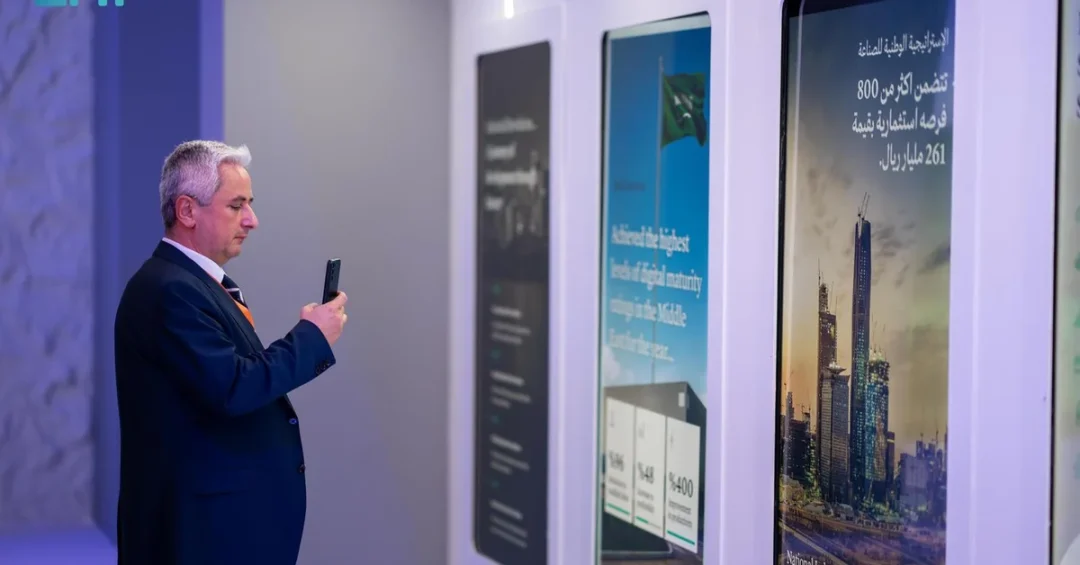
Saudi Arabia’s Ministry of Industry and Mineral Resources showcased its flagship initiatives and investment opportunities at the Multilateral Industrial Policy Forum (MIPF), which opened on Wednesday in Riyadh in partnership with the United Nations Industrial Development Organization (UNIDO). The forum, held under the theme “Making Industrial Policy Work for SDGs,” brought together prominent figures, ministers, and decision-makers from around the world to foster dialogue and share expertise on industrial policy, according to the Saudi Press Agency (SPA).
Could a single gathering in Riyadh reshape how nations approach industrial development? The ministry’s pavilion at the forum serves as a comprehensive window into Saudi Arabia’s industrial transformation, highlighting programs such as local industry stimulation, improvements to the regulatory and legislative environment, industrial accelerators and incubators, the Factories of the Future program, industrial sustainability, and a digital services platform for investors. The pavilion also features several entities from the industrial and mineral resources ecosystem, demonstrating the Kingdom’s integrated approach to building a world-class industrial base in alignment with Saudi Vision 2030.
Context and Background
Why has industrial policy returned to the center of global economic thinking? The Multilateral Industrial Policy Forum represents a significant milestone in international cooperation on industrial development, organized by the Ministry of Industry and Mineral Resources in partnership with UNIDO, a specialized agency of the United Nations dedicated to promoting industrial development for poverty reduction, inclusive globalization, and environmental sustainability. The forum’s theme, “Making Industrial Policy Work for SDGs,” reflects a growing global recognition that industrial policy must be aligned with the Sustainable Development Goals to ensure that economic growth benefits all segments of society.
The event gathers prominent figures, ministers, and decision-makers from around the world, creating a platform for meaningful dialogue and the exchange of best practices. Saudi Arabia’s hosting of this forum underscores the Kingdom’s emergence as a global convener on industrial policy matters and its commitment to sharing its own transformation story while learning from international partners. The Ministry of Industry and Mineral Resources has positioned the forum as a key opportunity to demonstrate how Saudi Arabia is building a diversified, sustainable industrial economy that can serve as a model for other nations seeking to reduce dependence on single-sector revenues.
What does Saudi Arabia’s industrial journey mean for the broader region? The Kingdom has been steadily building the foundations of a modern industrial sector through strategic investments, regulatory reforms, and international partnerships. The MIPF provides a timely platform to showcase these achievements and to explore new avenues for collaboration with global industrial leaders, investors, and policymakers who share a vision of sustainable and inclusive industrial development.
Key Details
What exactly does the Ministry of Industry and Mineral Resources pavilion offer to international visitors? The pavilion showcases key initiatives aimed at transforming Saudi Arabia into a leading industrial power in alignment with Saudi Vision 2030. Among the highlighted programs is the local industry stimulation initiative, designed to boost domestic manufacturing capabilities and reduce reliance on imports. The pavilion also features improvements to the regulatory and legislative environment, which have streamlined business operations and attracted significant foreign direct investment into the Kingdom’s industrial sector.
The industrial accelerators and incubators program represents another cornerstone of the ministry’s strategy, providing essential support to startups and small-to-medium enterprises in the industrial space. The Factories of the Future program is particularly noteworthy, as it equips Saudi manufacturers with advanced technologies, including artificial intelligence, the Internet of Things, and automation systems, to enhance productivity and global competitiveness. Industrial sustainability initiatives reflect the Kingdom’s commitment to environmentally responsible manufacturing practices that align with both Vision 2030 and international climate goals.
Which Saudi institutions are represented at the pavilion, and what role do they play? The pavilion features several entities from the industrial and mineral resources ecosystem, each contributing specialized expertise and services. The Royal Commission for Jubail and Yanbu (RCJY) manages two of the world’s largest industrial cities, providing world-class infrastructure and services to industrial investors. The Saudi Authority for Industrial Cities and Technology Zones (MODON) oversees the development of industrial cities across the Kingdom, offering ready-built factories and comprehensive support services to manufacturers.
The Saudi Geological Survey (SGS) provides critical data and analysis on the Kingdom’s mineral wealth, supporting the growth of the mining sector as a third pillar of the Saudi economy. The Saudi Export Development Authority (SAUDI EXPORTS) helps Saudi manufacturers access international markets, while the Saudi Industrial Development Fund (SIDF) provides financing solutions for industrial projects. The National Industrial Development Center drives strategic industrial development, and the Saudi Export-Import Bank (Saudi EXIM) facilitates international trade and export financing. Together, these entities demonstrate the comprehensive, integrated approach that Saudi Arabia is taking to industrial development.
International and Regional Impact
How will the MIPF influence global industrial policy discussions? The forum aims to support the development of the global industrial sector by sharing expertise and best practices, as well as discussing the challenges and opportunities within this vital field. By bringing together ministers and decision-makers from around the world, the event creates opportunities for bilateral and multilateral cooperation that can accelerate industrial development across regions. Saudi Arabia’s experience in rapidly transforming its industrial base while maintaining sustainability commitments offers valuable lessons for other nations at similar stages of development.
The forum’s focus on making industrial policy work for the Sustainable Development Goals positions the discussions within a broader framework of inclusive and responsible growth. This alignment ensures that industrial development is not pursued at the expense of environmental protection or social equity, but rather as a means to achieve comprehensive and lasting prosperity. For the Middle East and North Africa region, Saudi Arabia’s leadership in this space signals a new era of industrial cooperation that could catalyze economic diversification across neighboring economies.
Economic and Strategic Significance
Why does industrial development matter so much to Saudi Arabia’s economic future? The Kingdom’s industrial strategy represents a fundamental pillar of its economic diversification efforts under Vision 2030. By developing a robust industrial base, Saudi Arabia aims to create high-quality jobs for its growing population, reduce dependence on oil revenues, and build a more resilient economy capable of withstanding global economic fluctuations. The initiatives showcased at the MIPF demonstrate tangible progress toward these goals, with measurable outcomes in terms of factory openings, investment inflows, and export growth.
The strategic sectors highlighted at the pavilion offer promising investment opportunities for international partners seeking to participate in Saudi Arabia’s industrial transformation. These opportunities span multiple industries, from advanced manufacturing and petrochemicals to mining and renewable energy equipment production. The ministry’s goal of establishing productive international partnerships reflects a recognition that industrial development is most effective when it combines local knowledge and resources with global expertise and capital. The presence of entities like SIDF and Saudi EXIM signals that comprehensive financing solutions are available to support these partnerships.
Vision 2030 Alignment
How does the MIPF connect to Saudi Arabia’s long-term national transformation? The forum and the ministry’s pavilion represent a direct expression of Vision 2030’s core objectives, particularly the goal of creating a diversified and sustainable economy. Under the leadership of His Royal Highness Crown Prince Mohammed bin Salman, Saudi Arabia has committed to transforming its industrial sector into a global powerhouse, and the MIPF serves as both a showcase of progress and a platform for accelerating future development. The emphasis on sustainability, technology adoption, and international cooperation reflects the comprehensive nature of the Vision 2030 framework.
As the forum continues in Riyadh, it reinforces Saudi Arabia’s position as a global leader in industrial policy and a reliable partner for nations seeking sustainable development. The Kingdom’s journey from oil-dependent economy to diversified industrial power offers inspiration and practical lessons for countries around the world. Through initiatives like the MIPF and the programs showcased at the ministry’s pavilion, Saudi Arabia is not only building its own industrial future but also contributing to the global effort to achieve the Sustainable Development Goals and create a more prosperous world for all. For international audiences, the message is clear: Saudi Arabia is open for business, open to partnership, and committed to leading the way in responsible industrial development.
20 Questions
Q1. What is the Multilateral Industrial Policy Forum?
A1. The Multilateral Industrial Policy Forum (MIPF) is a global gathering organized by Saudi Arabia’s Ministry of Industry and Mineral Resources in partnership with the United Nations Industrial Development Organization (UNIDO), bringing together ministers and decision-makers to discuss industrial policy.
Q2. When and where did the MIPF take place?
A2. The forum began on Wednesday, October 23, 2024, in Riyadh, Saudi Arabia, according to the Saudi Press Agency. It was held under the theme “Making Industrial Policy Work for SDGs.”
Q3. Which Saudi ministry organized the forum?
A3. The Ministry of Industry and Mineral Resources organized the forum in partnership with UNIDO. The ministry is responsible for developing Saudi Arabia’s industrial and mineral resources sectors in alignment with Vision 2030.
Q4. What is the theme of the MIPF?
A4. The theme is “Making Industrial Policy Work for SDGs,” emphasizing the importance of aligning industrial development with the United Nations Sustainable Development Goals to ensure inclusive and sustainable economic growth worldwide.
Q5. What programs did the ministry showcase at its pavilion?
A5. The pavilion showcased local industry stimulation, improvements to the regulatory and legislative environment, industrial accelerators and incubators, the Factories of the Future program, industrial sustainability initiatives, and a digital services platform for investors.
Q6. What is the Factories of the Future program?
A6. The Factories of the Future program equips Saudi manufacturers with advanced technologies such as artificial intelligence, the Internet of Things, and automation systems to enhance productivity, efficiency, and global competitiveness in the industrial sector.
Q7. Which entities participated in the ministry’s pavilion?
A7. Participants included the Royal Commission for Jubail and Yanbu (RCJY), the Saudi Authority for Industrial Cities and Technology Zones (MODON), the Saudi Geological Survey (SGS), the Saudi Export Development Authority (SAUDI EXPORTS), the Saudi Industrial Development Fund (SIDF), the National Industrial Development Center, and the Saudi Export-Import Bank (Saudi EXIM).
Q8. What role does the Royal Commission for Jubail and Yanbu play?
A8. The Royal Commission for Jubail and Yanbu (RCJY) manages two of the world’s largest industrial cities, providing world-class infrastructure, utilities, and services to industrial investors operating in Saudi Arabia’s eastern and western regions.
Q9. What is MODON’s contribution to Saudi industry?
A9. The Saudi Authority for Industrial Cities and Technology Zones (MODON) oversees the development of industrial cities across the Kingdom, offering ready-built factories, infrastructure, and comprehensive support services to manufacturers and investors.
Q10. How does the Saudi Geological Survey support industrial development?
A10. The Saudi Geological Survey (SGS) provides critical data and analysis on the Kingdom’s mineral wealth, supporting the growth of the mining sector as a third pillar of the Saudi economy alongside oil and petrochemicals.
Q11. What is the role of SAUDI EXPORTS?
A11. The Saudi Export Development Authority (SAUDI EXPORTS) helps Saudi manufacturers access international markets by providing export development services, market intelligence, and support programs that enhance the global competitiveness of Saudi products.
Q12. How does SIDF support industrial projects?
A12. The Saudi Industrial Development Fund (SIDF) provides financing solutions for industrial projects across the Kingdom, offering loans and technical support to manufacturers seeking to establish or expand their operations in Saudi Arabia.
Q13. What is the purpose of the National Industrial Development Center?
A13. The National Industrial Development Center drives strategic industrial development in Saudi Arabia by identifying priority sectors, developing policies, and coordinating efforts among government entities and private sector partners to achieve Vision 2030 industrial goals.
Q14. What services does Saudi EXIM provide?
A14. The Saudi Export-Import Bank (Saudi EXIM) facilitates international trade and export financing, providing credit facilities and risk mitigation instruments that enable Saudi exporters to compete effectively in global markets.
Q15. What investment opportunities are highlighted at the pavilion?
A15. The pavilion highlights promising investment opportunities in strategic industrial sectors, with the goal of establishing productive international partnerships that combine local resources and knowledge with global expertise and capital.
Q16. How does the MIPF support global industrial development?
A16. The forum supports global industrial development by sharing expertise and best practices, discussing challenges and opportunities in the industrial field, and fostering dialogue among ministers and decision-makers from around the world.
Q17. What is the significance of the digital services platform for investors?
A17. The digital services platform streamlines interactions between investors and government entities, reducing bureaucratic hurdles, accelerating licensing processes, and improving the overall ease of doing business in Saudi Arabia’s industrial sector.
Q18. How does industrial sustainability fit into Saudi Arabia’s strategy?
A18. Industrial sustainability initiatives reflect Saudi Arabia’s commitment to environmentally responsible manufacturing practices that align with both Vision 2030 objectives and international climate goals, ensuring that industrial growth does not compromise environmental protection.
Q19. What does the MIPF mean for international cooperation?
A19. The MIPF creates opportunities for bilateral and multilateral cooperation that can accelerate industrial development across regions, with Saudi Arabia sharing its transformation experience while learning from international partners and attracting foreign investment.
Q20. How does the forum align with Saudi Vision 2030?
A20. The forum and the ministry’s pavilion directly express Vision 2030’s core objectives of creating a diversified and sustainable economy, transforming Saudi Arabia’s industrial sector into a global powerhouse, and establishing the Kingdom as a leader in responsible industrial development.
Reader Feedback
We value your thoughts. Please share your feedback on this article.
Your feedback helps us improve our coverage.
Related articles
 Shura Council Human Rights Committee Meets Dutch Ambassador
 Crown Prince Congratulates Vietnam’s New President
 Al-Rabeeah Advocates for Integrated Humanitarian Aid at MIPF 2024
 Prince Faisal bin Fahd bin Muqrin Visits NCVC to Discuss Hail Initiatives
 OIC Condemns Terrorist Attack in Ankara
 IFRC General Assembly Begins in Geneva with Saudi Participation