


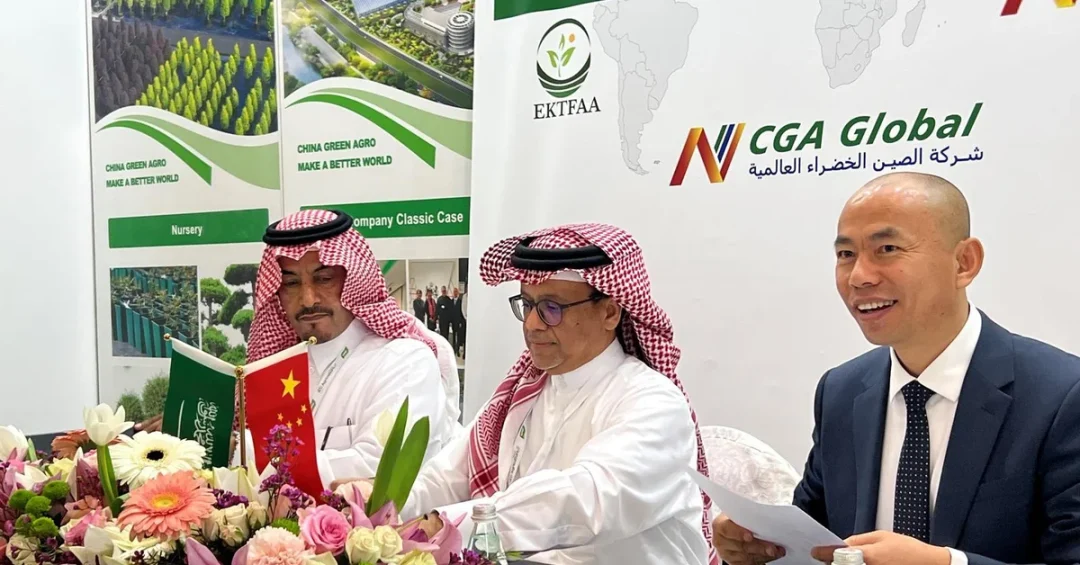
The 41st Saudi Agriculture exhibition, held in Riyadh from October 21 to 24, 2024, concluded as a landmark platform for global agricultural innovation, drawing participants from 28 countries and showcasing cutting-edge technologies designed to transform food production in the Kingdom and beyond. Organized under the patronage of the Saudi Ministry of Environment, Water and Agriculture, the event underscored the Kingdom’s commitment to smart agriculture, resource efficiency, and sustainable practices aligned with Vision 2030. The exhibition attracted thousands of visitors, including investors, policymakers, and industry experts, who explored robotic arms, automatic hydroponic systems, and other advanced solutions aimed at boosting productivity while minimizing waste. As Saudi Arabia accelerates its agricultural modernization, what does this gathering reveal about the future of food security in the region?
The four-day event, reported by the Saudi Press Agency (SPA), featured a comprehensive program of exhibitions, agreements, and knowledge-sharing sessions. It highlighted how technology can address critical challenges such as water scarcity, climate change, and rising food demand. With the Kingdom importing a significant portion of its food, the exhibition demonstrated a strategic push toward self-sufficiency and export diversification. The presence of global players like China Green Agro, which gained attention for its innovative vegetable cultivation solutions, signaled strong international interest in Saudi Arabia’s agricultural transformation. How might these collaborations reshape the Kingdom’s agricultural landscape in the coming decade?
Context and Background
Saudi Arabia has long recognized agriculture as a cornerstone of economic diversification and national resilience. The Saudi Agriculture exhibition, now in its 41st edition, has evolved into one of the Middle East’s premier agribusiness events, reflecting the Kingdom’s growing role in global food systems. Historically, the event has served as a barometer for regional trends, from water-saving irrigation techniques to greenhouse innovations. This year’s edition, held at the Riyadh International Convention and Exhibition Center, built on that legacy by emphasizing smart agriculture—a field that integrates artificial intelligence, robotics, and data analytics to optimize farming. According to SPA, the exhibition aligned with the Kingdom’s efforts to adopt environmentally sustainable agricultural practices, a priority under Vision 2030’s environmental sustainability goals. Why is smart agriculture particularly vital for a desert nation like Saudi Arabia?
The timing of the exhibition is significant. Saudi Arabia is actively pursuing the National Agriculture Strategy 2030, which aims to increase domestic production, improve food security, and promote sustainable resource use. The Ministry of Environment, Water and Agriculture has been implementing policies to reduce water consumption in agriculture, which consumes over 80% of the Kingdom’s water supply. Innovations showcased at the event, such as automatic hydroponic systems that use up to 90% less water than traditional farming, directly support these objectives. The exhibition also provided a venue for small and medium-sized enterprises to connect with global suppliers and investors, fostering a more dynamic agricultural ecosystem. What role do international partnerships play in accelerating Saudi Arabia’s agricultural self-reliance?
Key Details
The 41st Saudi Agriculture exhibition featured a diverse array of technologies and participants. Among the most prominent exhibits were robotic arms capable of precision planting and harvesting, automatic hydroponic systems that enable year-round cultivation without soil, and advanced sensor networks for monitoring crop health and soil moisture. China Green Agro company drew significant attention for its innovative solutions, which offer substantial advantages in vegetable cultivation, including higher yields and reduced resource consumption. These technologies are particularly relevant to Saudi Arabia’s climate, where traditional farming faces extreme heat and limited arable land. The exhibition also hosted training workshops and specialized scientific sessions led by a distinguished group of agricultural experts from around the world. How can these innovations be adapted to benefit small-scale farmers across the Kingdom?
Numerous agreements and collaborations were signed between domestic and international participants, according to SPA. While specific details of the agreements were not disclosed, such partnerships typically cover technology transfer, joint ventures, and investment in local production facilities. The event also served as a networking hub for investors, with dedicated sessions on financing agricultural startups and scaling up proven technologies. The presence of 28 countries underscored the global interest in Saudi Arabia’s agricultural market, which is projected to grow as the Kingdom invests in food processing, logistics, and cold-chain infrastructure. The exhibition’s focus on smart agriculture also highlighted the importance of data-driven decision-making, with companies presenting software platforms that help farmers optimize irrigation, fertilization, and pest control. What economic opportunities could arise from these cross-border collaborations?
International and Regional Impact
The 41st Saudi Agriculture exhibition reinforced the Kingdom’s position as a pivotal player in regional food security. By attracting participants from 28 countries, including major agricultural exporters and technology providers, Saudi Arabia signaled its openness to global cooperation. For neighboring Gulf states, the event offered a model for addressing similar challenges—arid climates, water scarcity, and heavy reliance on food imports. The collaborations forged in Riyadh could lead to joint research and development initiatives, shared best practices, and coordinated investment in agricultural technology. Moreover, the exhibition strengthened Saudi Arabia’s ties with key partners in Asia, Europe, and the Americas, potentially opening new export markets for Saudi agri-tech startups. How might these international connections influence the broader Middle East’s approach to food security?
Regionally, the event comes amid heightened awareness of supply chain vulnerabilities exposed by global crises. Saudi Arabia has been diversifying its food import sources and investing in strategic reserves, but domestic production remains a critical pillar. The technologies showcased—such as hydroponics and automated greenhouses—can reduce dependence on imports for perishable goods like vegetables. This aligns with the Kingdom’s broader strategy to enhance resilience against external shocks. The exhibition also provided a platform for knowledge exchange with countries facing similar climatic conditions, such as Egypt, Morocco, and the United Arab Emirates. By sharing expertise, Saudi Arabia positions itself as a leader in sustainable desert agriculture, a niche that could yield diplomatic and economic dividends. What lessons can other arid nations draw from Saudi Arabia’s agricultural innovation drive?
Economic and Strategic Significance
The economic implications of the 41st Saudi Agriculture exhibition extend beyond immediate deals. The event showcased technologies that can increase yields, reduce costs, and create new business opportunities across the agricultural value chain. For Saudi Arabia, investing in agri-tech is a strategic move to diversify the economy away from oil, a core Vision 2030 objective. The Kingdom’s agricultural sector, though small in GDP terms, employs a significant portion of the rural population and contributes to regional development. By adopting smart farming, Saudi Arabia can improve rural incomes, reduce food import bills, and potentially become a re-exporter of high-value crops. The exhibition also attracted venture capital and private equity firms, signaling growing investor confidence in the sector. How will these investments translate into tangible improvements in food security and economic growth?
Strategically, the exhibition reinforced Saudi Arabia’s commitment to the UN Sustainable Development Goals, particularly those related to zero hunger, clean water, and responsible consumption. The Ministry of Environment, Water and Agriculture has been promoting the use of treated wastewater for irrigation, solar-powered desalination, and precision agriculture to minimize environmental impact. These efforts are crucial as the Kingdom balances agricultural expansion with water conservation. The event also highlighted the role of the private sector in driving innovation, with companies like China Green Agro demonstrating that foreign expertise can complement local knowledge. As Saudi Arabia pushes toward a green economy, the agricultural sector is poised to become a showcase for sustainable development. What policy frameworks are needed to scale these innovations nationwide?
Vision 2030 Alignment
The 41st Saudi Agriculture exhibition is a clear manifestation of Vision 2030’s goals to diversify the economy, enhance food security, and promote environmental sustainability. Vision 2030, launched in 2016 by Crown Prince Mohammed bin Salman, aims to transform Saudi Arabia into a global investment powerhouse and a hub for innovation. The agricultural sector is a key beneficiary, with initiatives like the National Agriculture Strategy 2030 and the Saudi Green Initiative providing a roadmap for modernization. The exhibition’s emphasis on smart agriculture directly supports the Vision’s objective of achieving food self-sufficiency for strategic crops and reducing water consumption. By fostering international partnerships, the event also advances the Vision’s aim to increase non-oil exports and attract foreign direct investment. How does the exhibition embody the Kingdom’s long-term vision for a prosperous and sustainable future?
Looking ahead, the momentum generated by the 41st Saudi Agriculture exhibition is expected to accelerate the adoption of advanced technologies across the Kingdom. The Ministry of Environment, Water and Agriculture has announced plans to establish innovation hubs and demonstration farms to test and scale the solutions showcased. These efforts will be complemented by training programs for Saudi farmers and entrepreneurs, ensuring that the benefits of smart agriculture are widely shared. As Saudi Arabia continues to host such global events, it reinforces its role as a leader in agricultural innovation and a reliable partner in addressing global food challenges. The 41st edition has set a high bar for future gatherings, promising even greater breakthroughs in the years to come. What will the next decade of Saudi agriculture look like as these innovations take root?
20 Questions
Q1. What was the 41st Saudi Agriculture exhibition?
A1. The 41st Saudi Agriculture exhibition was a major international event held in Riyadh from October 21 to 24, 2024, showcasing agricultural technologies and fostering collaboration among companies and investors from 28 countries.
Q2. Where and when did the exhibition take place?
A2. It took place in Riyadh, Saudi Arabia, from October 21 to 24, 2024, organized under the patronage of the Saudi Ministry of Environment, Water and Agriculture.
Q3. How many countries participated in the exhibition?
A3. Participants from 28 countries attended the exhibition, showcasing their latest agricultural technologies and seeking partnerships with Saudi and regional stakeholders.
Q4. What technologies were highlighted at the event?
A4. The event highlighted robotic arms, automatic hydroponic systems, sensor networks, and smart agriculture solutions designed to enhance production efficiency and minimize resource waste.
Q5. Which company gained significant attention for its innovations?
A5. China Green Agro company gained significant attention for its innovative solutions, which offer substantial advantages in vegetable cultivation, including higher yields and reduced resource consumption.
Q6. What is the significance of smart agriculture for Saudi Arabia?
A6. Smart agriculture is vital for Saudi Arabia to enhance production efficiency, minimize resource waste, and adopt environmentally sustainable practices, aligning with the Kingdom’s Vision 2030 goals.
Q7. What agreements were signed during the exhibition?
A7. Numerous agreements and collaborations were signed between domestic and international participants, covering technology transfer, joint ventures, and investment in local production facilities, according to SPA.
Q8. Were there any training workshops at the exhibition?
A8. Yes, the event featured training workshops and specialized scientific sessions led by a distinguished group of agricultural experts from around the world.
Q9. How does the exhibition support Vision 2030?
A9. The exhibition supports Vision 2030 by promoting economic diversification, food security, environmental sustainability, and international partnerships, all key objectives of the Kingdom’s long-term transformation plan.
Q10. What is the National Agriculture Strategy 2030?
A10. The National Agriculture Strategy 2030 is a Saudi initiative to increase domestic production, improve food security, and promote sustainable resource use, complementing the broader Vision 2030 framework.
Q11. Why is water conservation important in Saudi agriculture?
A11. Water conservation is critical because agriculture consumes over 80% of the Kingdom’s water supply, and innovations like hydroponics can reduce water usage by up to 90% compared to traditional farming.
Q12. How does the exhibition benefit small-scale farmers?
A12. The exhibition provides small-scale farmers access to global technologies, training, and potential financing, helping them adopt smart farming practices that increase yields and reduce costs.
Q13. What role does the private sector play in Saudi agriculture?
A13. The private sector drives innovation, investment, and technology adoption, with companies like China Green Agro demonstrating how foreign expertise can complement local knowledge and resources.
Q14. How does the exhibition impact regional food security?
A14. By fostering collaborations and sharing best practices, the exhibition helps Gulf and Middle Eastern countries address common challenges like arid climates and water scarcity, enhancing regional food security.
Q15. What economic opportunities arise from the exhibition?
A15. The exhibition creates opportunities for agri-tech startups, joint ventures, export diversification, and rural development, contributing to Saudi Arabia’s economic diversification away from oil.
Q16. How does Saudi Arabia balance agricultural expansion with sustainability?
A16. Saudi Arabia promotes treated wastewater irrigation, solar-powered desalination, and precision agriculture to minimize environmental impact while expanding production sustainably.
Q17. What is the Saudi Green Initiative?
A17. The Saudi Green Initiative is a national effort to combat climate change, reduce emissions, and promote sustainable practices, including in agriculture, as part of Vision 2030.
Q18. How many editions of the Saudi Agriculture exhibition have there been?
A18. The 2024 event was the 41st edition, reflecting decades of continuous development and the exhibition’s evolution into a premier regional agribusiness platform.
Q19. What future plans exist for agricultural innovation in Saudi Arabia?
A19. The Ministry of Environment, Water and Agriculture plans to establish innovation hubs and demonstration farms to test and scale technologies, complemented by training programs for farmers and entrepreneurs.
Q20. How can international companies participate in Saudi agriculture?
A20. International companies can participate through exhibitions, joint ventures, technology transfer agreements, and direct investment, leveraging Saudi Arabia’s incentives for foreign direct investment in agriculture.
Reader Feedback
We value your thoughts. Please share your feedback on this article.
Your feedback helps us improve our coverage.
Related articles
 IsDB President Meets IFSB Secretary-General in Washington
 Madinah Dates Season Concludes with Record Visitors and Sales
 AlUla to Showcase Vision, Investment at FII Forum
 IsDB Joins ACG-WBG Talks, Pushes Joint Financing
 Biban24 Forum Hosts 100+ Speakers to Spark Entrepreneurship
 GASTAT: Saudi Non-Oil Exports Rise 7.4% in August 2024