


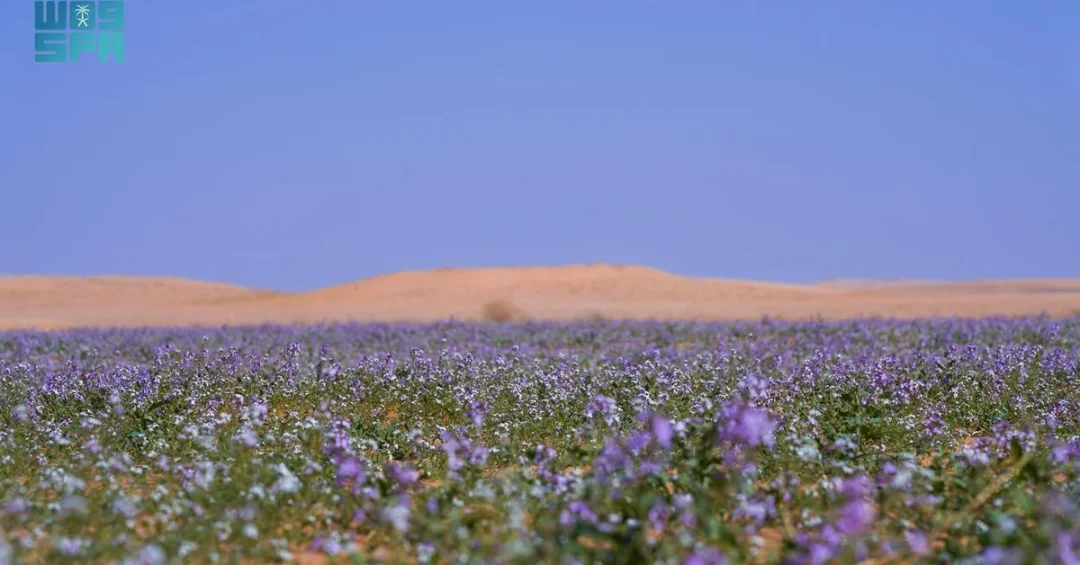
The King Abdulaziz Royal Reserve Development Authority has released a new documentary titled “A New Life,” spotlighting the reserve’s rich history and diverse biodiversity, according to an official announcement carried by the Saudi Press Agency (SPA). The documentary highlights the reserve’s natural features, including its varied terrain, plant and animal life, and the ongoing efforts to restore ecosystems and foster sustainable development in line with Saudi Vision 2030, the strategic goals of royal reserves, and the objectives of the Saudi Green Initiative.
The film, released on October 24, 2024, offers an in-depth look at one of the Kingdom’s most significant protected areas, tracing its evolution from inception to the present day. It outlines the authority’s current and future strategies for development, adhering to global standards for managing natural reserves sustainably. Have you ever wondered how a vast desert landscape can be transformed into a thriving sanctuary for wildlife and a destination for eco-tourism? The documentary answers that question by showcasing the reserve’s journey from past challenges to a new chapter of revitalization and growth since its establishment.
Context and Background
What makes the King Abdulaziz Royal Reserve a cornerstone of Saudi Arabia’s environmental strategy? Established by royal decree, the reserve is one of the largest protected areas in the Kingdom, covering a vast expanse of diverse terrain that includes deserts, mountains, and valleys. It is named after the founder of modern Saudi Arabia, King Abdulaziz Al Saud, reflecting its historical and cultural significance. The reserve is managed by the King Abdulaziz Royal Reserve Development Authority, which operates under the guidance of the Saudi government to preserve the nation’s natural heritage while promoting sustainable development.
The release of “A New Life” comes at a time when Saudi Arabia is intensifying its efforts to protect the environment and combat climate change through the Saudi Green Initiative, launched in 2021. This initiative aims to plant 10 billion trees across the Kingdom, reduce carbon emissions by 278 million tons annually, and designate 30% of Saudi land and sea as protected areas by 2030. The King Abdulaziz Royal Reserve plays a vital role in achieving these ambitious targets, serving as a model for ecosystem restoration and biodiversity conservation. How does the reserve balance the needs of wildlife with the aspirations of a growing nation? The documentary provides insights into this delicate equilibrium.
Historically, the area now encompassed by the reserve faced significant environmental pressures, including overgrazing, drought, and habitat degradation. However, since its establishment, the authority has implemented comprehensive restoration programs that have led to the reintroduction of native species such as the Arabian oryx, the sand gazelle, and the houbara bustard. These efforts have not only revived the region’s ecological balance but also created opportunities for scientific research, education, and sustainable tourism. The documentary captures these successes through captivating, detailed shots of the reserve’s landscapes and wildlife, offering viewers a window into a world where conservation and development coexist.
Key Details of the Documentary
What can audiences expect from “A New Life”? The documentary features leaders from the King Abdulaziz Royal Reserve Development Authority, wildlife experts, and specialists who share their knowledge and passion for the reserve. It delves into the evolution of the reserve, from its early days to its current status as a hub for biodiversity and cultural heritage. The title “A New Life” embodies the reserve’s transformation, symbolizing hope and renewal for both the environment and the communities connected to it.
The film’s narrative is structured around three core themes: history, biodiversity, and sustainable development. Through stunning cinematography, viewers are taken on a journey across the reserve’s varied ecosystems, from arid deserts to rugged mountains and lush valleys. Each scene highlights the unique flora and fauna that call the reserve home, including species that are endemic to the Arabian Peninsula. The documentary also addresses the challenges faced by the reserve, such as climate change and human encroachment, and explains how the authority is mitigating these threats through innovative conservation techniques and community engagement.
One of the documentary’s key messages is the importance of adhering to global standards for managing natural reserves. The authority has aligned its practices with international frameworks such as the International Union for Conservation of Nature (IUCN) guidelines, ensuring that its efforts are scientifically sound and sustainable. This commitment to excellence has positioned the King Abdulaziz Royal Reserve as a leader in environmental stewardship, not only in Saudi Arabia but across the region. How does the reserve measure its success? Through indicators such as species population growth, habitat quality, and visitor satisfaction, all of which are detailed in the documentary.
International and Regional Impact
Why does the King Abdulaziz Royal Reserve matter beyond Saudi Arabia’s borders? As one of the largest protected areas in the Middle East, the reserve contributes to global biodiversity targets and serves as a case study for other nations seeking to balance conservation with economic development. The documentary’s release coincides with a period of increased international focus on environmental sustainability, with the United Nations Decade on Ecosystem Restoration (2021-2030) calling for urgent action to revive damaged ecosystems worldwide.
Regionally, the reserve is part of a network of royal reserves across Saudi Arabia that collectively protect the Kingdom’s natural heritage. These reserves are integral to the Saudi Green Initiative and the Middle East Green Initiative, which aim to combat desertification and improve air quality across the region. The King Abdulaziz Royal Reserve also supports migratory bird routes and provides a sanctuary for endangered species, thereby contributing to the ecological health of the entire Arabian Peninsula. Have you considered how a single reserve can influence environmental policies on a continental scale? The documentary makes a compelling case for the ripple effects of successful conservation.
Economic and Strategic Significance
What role does the reserve play in Saudi Arabia’s economic diversification? Sustainable tourism is a key pillar of Vision 2030, and the King Abdulaziz Royal Reserve is poised to become a premier destination for eco-tourists and nature enthusiasts. The documentary highlights the reserve’s potential to attract visitors from around the world, offering experiences such as guided wildlife safaris, hiking trails, and cultural heritage tours. These activities not only generate revenue but also create jobs for local communities, fostering economic growth in line with the Kingdom’s diversification goals.
Moreover, the reserve’s restoration efforts have significant implications for agriculture and water security. By rehabilitating degraded lands, the authority helps improve soil quality and water retention, which benefits surrounding agricultural areas. The reserve also serves as a carbon sink, absorbing greenhouse gases and contributing to Saudi Arabia’s climate goals. Strategically, the reserve enhances the Kingdom’s soft power by demonstrating its commitment to environmental leadership on the global stage. How can a nature reserve become a diplomatic asset? Through initiatives like “A New Life,” Saudi Arabia showcases its ability to implement large-scale environmental projects that align with international priorities.
Vision 2030 Alignment
The King Abdulaziz Royal Reserve is a shining example of how Vision 2030 is being translated into action on the ground. The documentary’s release underscores the Kingdom’s dedication to preserving its natural environment for future generations while simultaneously driving economic and social progress. By integrating conservation with sustainable development, the reserve supports multiple Vision 2030 objectives, including environmental sustainability, economic diversification, and the enhancement of quality of life for citizens and residents.
As Saudi Arabia continues its journey toward a greener, more prosperous future, the King Abdulaziz Royal Reserve stands as a testament to what can be achieved through visionary leadership and collective effort. The documentary “A New Life” invites viewers to witness this transformation firsthand and to join in celebrating the Kingdom’s rich natural heritage. To view the documentary, follow the official social media accounts of the King Abdulaziz Royal Reserve Development Authority. In doing so, you become part of a global community that values and protects our planet’s precious ecosystems.
20 Questions
Q1. What is the title of the new documentary released by the King Abdulaziz Royal Reserve Development Authority?
A1. The documentary is titled “A New Life.” It was released on October 24, 2024, and highlights the reserve’s history, biodiversity, and sustainable development efforts.
Q2. When was the documentary “A New Life” released?
A2. The documentary was released on October 24, 2024, according to the Saudi Press Agency. The announcement was made by the King Abdulaziz Royal Reserve Development Authority.
Q3. What are the main themes covered in the documentary?
A3. The documentary covers the reserve’s history, diverse biodiversity, varied terrain, plant and animal life, ecosystem restoration, and sustainable development in line with Saudi Vision 2030 and the Saudi Green Initiative.
Q4. Which authority produced the documentary “A New Life”?
A4. The documentary was produced by the King Abdulaziz Royal Reserve Development Authority. This authority manages the reserve and oversees its conservation and development programs.
Q5. What is the significance of the title “A New Life”?
A5. The title embodies the reserve’s evolution from past challenges to a new chapter of revitalization and growth since its establishment. It symbolizes hope and renewal for the environment and communities.
Q6. Who are featured in the documentary?
A6. The documentary features leaders from the King Abdulaziz Royal Reserve Development Authority, wildlife experts, and specialists. They share insights into the reserve’s conservation efforts and future strategies.
Q7. What role does the reserve play in Saudi Vision 2030?
A7. The reserve supports Vision 2030 by promoting environmental sustainability, economic diversification through eco-tourism, and enhancing quality of life. It aligns with the Saudi Green Initiative’s goals.
Q8. How does the documentary highlight biodiversity?
A8. The documentary uses captivating, detailed shots to showcase the reserve’s landscapes and wildlife, including native species like the Arabian oryx, sand gazelle, and houbara bustard, emphasizing conservation success.
Q9. What is the Saudi Green Initiative?
A9. The Saudi Green Initiative, launched in 2021, aims to plant 10 billion trees, reduce carbon emissions by 278 million tons annually, and protect 30% of Saudi land and sea by 2030.
Q10. How can viewers watch the documentary?
A10. Viewers can watch the documentary by following the official social media accounts of the King Abdulaziz Royal Reserve Development Authority. The SPA announcement provided this instruction.
Q11. What are the strategic goals of royal reserves in Saudi Arabia?
A11. Royal reserves aim to conserve ecosystems, biodiversity, and cultural heritage while promoting sustainable development. They are integral to the Saudi Green Initiative and Vision 2030.
Q12. What global standards does the reserve adhere to?
A12. The reserve adheres to global standards for managing natural reserves sustainably, including guidelines from the International Union for Conservation of Nature (IUCN).
Q13. What challenges did the reserve face before its revitalization?
A13. The reserve faced challenges such as overgrazing, drought, and habitat degradation. These issues were addressed through comprehensive restoration programs and reintroduction of native species.
Q14. How does the reserve contribute to the Middle East Green Initiative?
A14. The reserve supports the Middle East Green Initiative by combating desertification, improving air quality, and protecting migratory bird routes and endangered species across the region.
Q15. What economic benefits does the reserve provide?
A15. The reserve offers economic benefits through sustainable tourism, job creation for local communities, and improved soil and water security for surrounding agricultural areas.
Q16. What species have been reintroduced in the reserve?
A16. Species reintroduced include the Arabian oryx, sand gazelle, and houbara bustard. These efforts have helped restore the region’s ecological balance and biodiversity.
Q17. How does the reserve function as a carbon sink?
A17. The reserve absorbs greenhouse gases through its vegetation and restored ecosystems, contributing to Saudi Arabia’s climate goals and reducing carbon emissions.
Q18. What is the reserve’s role in cultural heritage?
A18. The reserve conserves cultural heritage by protecting historical sites and traditions. It is named after King Abdulaziz Al Saud, reflecting its significance in Saudi history.
Q19. How does the documentary promote eco-tourism?
A19. The documentary showcases the reserve’s potential as a sustainable environmental and tourism destination, highlighting guided safaris, hiking trails, and cultural tours for present and future generations.
Q20. What is the long-term vision for the King Abdulaziz Royal Reserve?
A20. The long-term vision is to serve as a model for sustainable development, aligning with Vision 2030 to protect the environment, drive economic growth, and enhance quality of life for all.
Reader Feedback
We value your thoughts. Please share your feedback on this article.
Your feedback helps us improve our coverage.
Related articles
 Saudi Minister of Tourism Leads Sector Discussions at WEF Urban Transformation Summit
 Wadi Lajab: Saudi Arabia’s Geopark Gem for Adventurers
 Ocean Race 2027 to Finish at Saudi Arabia’s AMAALA
 NEOM Opens Sindalah: Luxury Red Sea Destination
 Red Sea Global Launches Classic Sailing Race to Honor Maritime Heritage
 AlUla Dates Season: Culinary Showcases Captivate Visitors