


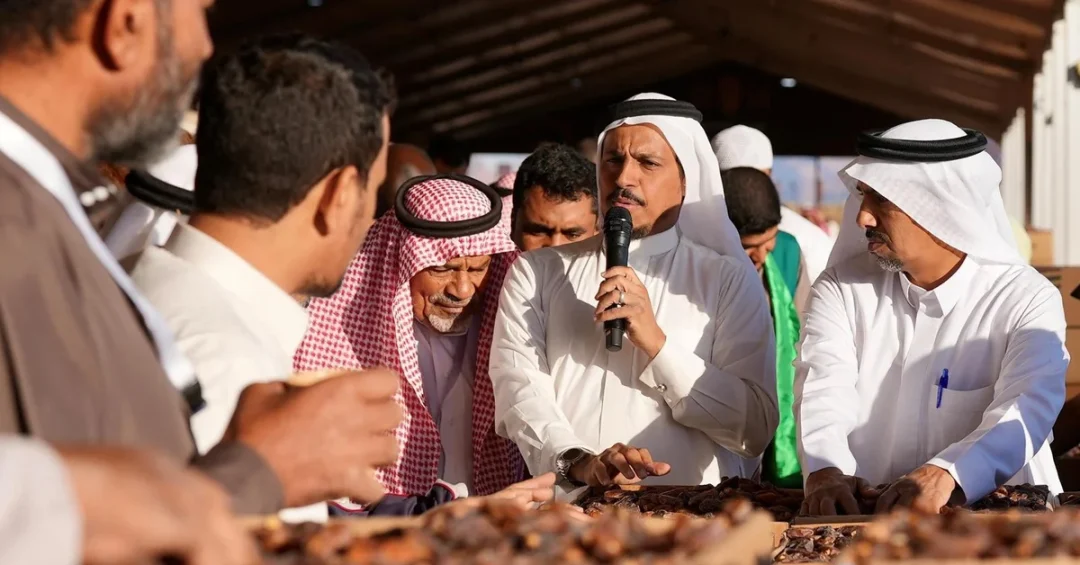
AlUla, Saudi Arabia — The AlUla Dates Season is captivating visitors with a vibrant lineup of events, including interactive culinary showcases led by renowned chefs who prepare traditional dishes inspired by the region’s rich heritage, with locally sourced dates as the star ingredient, according to the Saudi Press Agency (SPA). The seasonal celebration, organized under the auspices of the Royal Commission for AlUla (RCU), brings together farmers, artisans, families, and international visitors in a dynamic program that runs through November 9, highlighting the cultural and economic importance of one of the Kingdom’s most treasured agricultural products. Have you ever wondered how a single fruit can tell the story of an entire region’s past, present, and future?
The culinary sessions, held amid the historic landscapes of AlUla, offer attendees live cooking demonstrations that provide rare insights into the unique ingredients sourced directly from local farms. Chefs skillfully transform dates into a variety of traditional and contemporary dishes, underlining the event’s commitment to supporting AlUla’s local economy and fostering sustainable partnerships. The Royal Commission for AlUla is dedicated to showcasing the region’s cultural heritage while promoting innovative ways to utilize dates in a range of products, from gourmet cuisine to artisanal goods, reflecting a broader national effort to celebrate Saudi Arabia’s agricultural legacy.
Context and Background
What makes AlUla’s date season such a compelling chapter in Saudi Arabia’s modern story? AlUla, located in the northwest of the Kingdom, is renowned for its UNESCO World Heritage sites and ancient civilizations, but its agricultural traditions are equally significant. Date palms have been cultivated in the region for millennia, serving as a staple food, a source of income, and a symbol of hospitality. The AlUla Dates Season builds on this legacy, transforming the annual harvest into a comprehensive cultural and economic festival that draws visitors from across Saudi Arabia and around the world.
The Royal Commission for AlUla, established to preserve and develop the region, has been instrumental in organizing the season in collaboration with multiple public and private entities. This partnership approach ensures that the benefits of the event are widely shared, from local farmers to small business owners and artisans. The season’s programming includes not only culinary showcases but also a bustling auction and a vibrant farmers’ market, each designed to create economic opportunities while celebrating the region’s unique identity. How often does a harvest festival manage to blend heritage, commerce, and international tourism so seamlessly?
The timing of the event, extending through early November, aligns with the peak date harvest in the region, when the finest varieties are ready for market. This synchronization allows farmers to present their premium produce at the height of its quality, ensuring that buyers and visitors experience the best that AlUla has to offer. The season also serves as a platform for knowledge exchange, as chefs and food experts share techniques for incorporating dates into diverse cuisines, thereby expanding the fruit’s culinary potential beyond traditional uses.
Key Details
What exactly can visitors expect when they step into the AlUla Dates Season? At the heart of the experience is the farmers’ market, open to visitors until November 9, which offers a diverse array of activities and stalls. These stalls provide economic opportunities for local families and residents of AlUla, featuring booths dedicated to dates and date-based products, honey, plants, flowers, and traditional clothing. Additionally, visitors can explore stalls offering artisanal crafts, accessories, and local cafés, creating a lively atmosphere that reflects the warmth and creativity of the community.
The interactive culinary sessions are a particular highlight, led by renowned chefs who guide attendees through the preparation of dishes that marry tradition with innovation. Participants gain insights into the unique ingredients sourced directly from AlUla, learning how dates can be used in everything from savory main courses to delicate desserts. These sessions not only entertain but also educate, fostering a deeper appreciation for the region’s agricultural bounty and the skill of its farmers. Could there be a more delicious way to connect with a culture’s heritage?
Meanwhile, the AlUla Date Auction, now in its seventh week, continues on Fridays and Saturdays. Organized by the Royal Commission for AlUla in collaboration with multiple public and private entities, the auction takes place next to the Iskan Stadium south of AlUla. This auction provides a valuable platform for AlUla’s farmers to present their premium date harvest to buyers and investors from within Saudi Arabia and abroad. The auction’s sustained success over seven weeks demonstrates the strong demand for AlUla’s dates and the effectiveness of the commission’s efforts to create market linkages that benefit local producers.
International and Regional Impact
How does a regional date festival resonate on the international stage? The AlUla Dates Season has attracted attention from beyond Saudi Arabia’s borders, drawing buyers and investors from various countries who recognize the quality and distinctiveness of AlUla’s date varieties. This international interest not only boosts export potential but also enhances AlUla’s profile as a destination for cultural tourism and culinary exploration. By hosting events that appeal to global audiences, the Royal Commission for AlUla is positioning the region as a crossroads of heritage and modernity, in line with the Kingdom’s broader vision of international engagement.
Regionally, the event strengthens ties among Gulf Cooperation Council (GCC) countries, as traders and visitors from neighboring nations participate in the auction and market. The exchange of agricultural knowledge and business partnerships fostered during the season contributes to regional economic integration and food security. Moreover, the focus on sustainable practices and local sourcing sets an example for other regions in the Middle East and North Africa, demonstrating how traditional agriculture can be revitalized through thoughtful programming and investment. Isn’t it remarkable how a shared appreciation for dates can build bridges between nations?
Economic and Strategic Significance
What role does the AlUla Dates Season play in Saudi Arabia’s economic diversification? The event directly supports local farmers by providing a reliable marketplace for their harvest, while also creating jobs and income opportunities for residents involved in hospitality, retail, and logistics. The farmers’ market, with its stalls for local families, exemplifies how targeted initiatives can stimulate grassroots economic activity. By integrating date producers into the broader tourism economy, the season helps to distribute the benefits of Saudi Arabia’s Vision 2030 reforms across different segments of society.
Strategically, the emphasis on dates aligns with national goals to enhance food security and promote sustainable agriculture. Saudi Arabia has long recognized the date palm as a strategic crop, and efforts to improve cultivation, processing, and marketing are part of a comprehensive agricultural strategy. The AlUla Dates Season contributes to these objectives by showcasing best practices and encouraging innovation in product development. The Royal Commission for AlUla’s collaboration with public and private entities ensures that the event has the resources and reach to make a lasting impact, both economically and culturally. Could this be a model for other agricultural regions seeking to modernize while preserving tradition?
Vision 2030 Alignment
How does the AlUla Dates Season embody the aspirations of Saudi Vision 2030? The Vision, launched by Crown Prince Mohammed bin Salman, seeks to diversify the Kingdom’s economy, empower local communities, and elevate Saudi Arabia’s global standing. The dates season directly advances these goals by transforming a traditional agricultural activity into a driver of tourism, investment, and cultural exchange. It also reflects the Vision’s emphasis on quality of life, offering residents and visitors alike enriching experiences that celebrate Saudi heritage in a modern context.
As the season continues through November 9, the Royal Commission for AlUla’s efforts illustrate how strategic investments in culture and agriculture can yield tangible benefits. By creating platforms for farmers, chefs, artisans, and entrepreneurs, the event fosters a sense of pride and ownership among local communities while inviting the world to discover AlUla’s unique offerings. The ongoing success of the auction and market signals a bright future for the region’s date industry, one that is increasingly integrated into the global economy. In the end, the AlUla Dates Season is more than a festival; it is a testament to Saudi Arabia’s ability to honor its past while building a prosperous and inclusive future for all.
20 Questions
Q1. What is the AlUla Dates Season?
A1. The AlUla Dates Season is an annual festival organized by the Royal Commission for AlUla, celebrating the region’s date harvest with events such as a farmers’ market, culinary showcases, and a date auction, running through November 9.
Q2. Where does the AlUla Dates Season take place?
A2. It takes place in AlUla, a historic region in northwest Saudi Arabia known for its UNESCO World Heritage sites. The main activities are held near the Iskan Stadium and various market areas.
Q3. Who organizes the AlUla Dates Season?
A3. The Royal Commission for AlUla organizes the season in collaboration with multiple public and private entities, ensuring a comprehensive program that benefits local farmers, businesses, and visitors.
Q4. What culinary activities are featured at the event?
A4. Renowned chefs lead interactive culinary sessions, preparing traditional dishes inspired by AlUla’s heritage, with locally sourced dates as a central ingredient. Attendees enjoy live cooking demonstrations and learn about unique local ingredients.
Q5. What is the AlUla Date Auction?
A5. The AlUla Date Auction is a platform for local farmers to present their premium date harvest to buyers and investors from Saudi Arabia and abroad. It is held on Fridays and Saturdays next to Iskan Stadium.
Q6. How long does the farmers’ market remain open?
A6. The farmers’ market is open to visitors until November 9, offering a variety of stalls, a children’s area, and numerous activities for families and tourists to enjoy.
Q7. What products are available at the farmers’ market?
A7. The market features stalls dedicated to dates and date-based products, honey, plants, flowers, traditional clothing, artisanal crafts, accessories, and local cafés, providing a diverse shopping and cultural experience.
Q8. How does the event support the local economy?
A8. By providing stalls and auction opportunities, the event creates economic opportunities for local families and residents. It also fosters sustainable partnerships and promotes AlUla’s agricultural products to a wider market.
Q9. What is the significance of dates in AlUla’s heritage?
A9. Dates have been cultivated in AlUla for millennia and are a staple food, a source of income, and a symbol of hospitality. The season celebrates this deep-rooted agricultural tradition.
Q10. Who can participate in the date auction?
A10. Farmers from AlUla can present their harvest, while buyers and investors from within Saudi Arabia and abroad are invited to participate, creating a vibrant marketplace for premium dates.
Q11. How does the event align with Saudi Vision 2030?
A11. The event supports economic diversification, empowers local communities, and boosts cultural tourism, all of which are key objectives of Saudi Vision 2030. It showcases the Kingdom’s heritage while driving investment.
Q12. Are there activities for children at the season?
A12. Yes, the farmers’ market includes a dedicated children’s area, ensuring that families can enjoy the event together. Various stalls and interactive sessions are designed to engage visitors of all ages.
Q13. What types of dates are showcased?
A13. AlUla is known for several premium date varieties that thrive in its climate. The season highlights these local specialties, allowing farmers to present their best harvest to buyers and visitors.
Q14. How does the culinary session promote innovation?
A14. Chefs demonstrate creative ways to incorporate dates into a range of dishes, from traditional recipes to contemporary cuisine. This encourages new product ideas and expands the fruit’s culinary applications.
Q15. What role does the Royal Commission for AlUla play?
A15. The commission is dedicated to preserving and developing AlUla’s cultural and natural heritage. It organizes the dates season to showcase the region’s assets and create sustainable economic opportunities.
Q16. How many weeks has the auction been running?
A16. The AlUla Date Auction is now in its seventh week, continuing on Fridays and Saturdays. Its sustained success reflects strong demand for AlUla’s dates and effective organization.
Q17. Can international visitors attend the event?
A17. Yes, the event is open to international visitors, who can enjoy the culinary showcases, market, and auction. It is part of Saudi Arabia’s efforts to attract global tourists and showcase its heritage.
Q18. What sustainable practices are promoted?
A18. The event emphasizes locally sourced ingredients, supports local farmers, and encourages sustainable partnerships. It highlights the importance of preserving agricultural traditions while adopting modern, eco-friendly methods.
Q19. How does the event enhance AlUla’s global profile?
A19. By attracting international buyers, investors, and tourists, the season positions AlUla as a premier destination for cultural and culinary tourism. It showcases the region’s unique offerings to a global audience.
Q20. What is the future outlook for the AlUla Dates Season?
A20. With growing interest and participation, the season is expected to expand, further integrating AlUla’s date industry into the global market and contributing to Saudi Arabia’s Vision 2030 goals.
Reader Feedback
We value your thoughts. Please share your feedback on this article.
Your feedback helps us improve our coverage.
Related articles
 Ministry of Tourism Stresses Licensing for Tourism Facilities
 NCVC Opens Seasonal Investment in Makkah, Al-Baha, Hail Parks
 Tickets on Sale for Riyadh Season’s Wonder Garden
 Saudi Authorities Issue First Nautical Chart for Sindalah
 Shebara Luxury Resort Opens Reservations at The Red Sea
 Saudi Tourism Licenses Surge 99%, Rooms Up 107%