


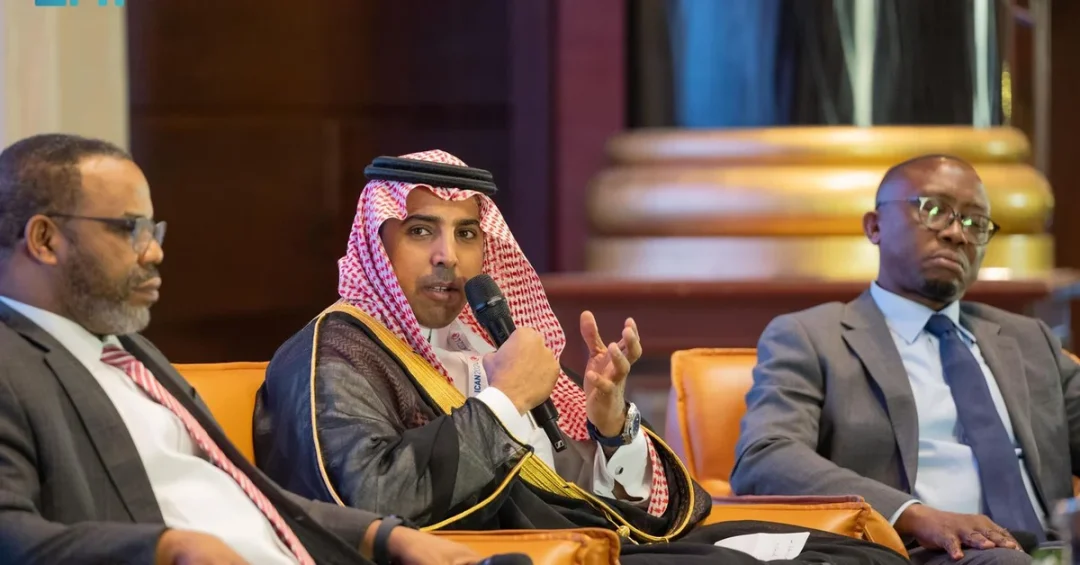
Saudi Arabia’s General Authority of Civil Aviation (GACA) showcased the Kingdom’s ambitious aviation initiatives at the International Civil Aviation Negotiation Event (ICAN 2024) in Kuala Lumpur, Malaysia, reinforcing the nation’s goal to become a central hub for international flights. Speaking during a panel discussion titled “Benefits and Challenges of Liberalizing International Air Transport,” Ali bin Mohammed Rajab, Executive Vice President for Air Transport and International Cooperation at GACA, outlined the Kingdom’s unprecedented progress under Saudi Vision 2030. The event, held from October 21 to 25, brought together over 700 delegates and leaders from the global civil aviation sector, providing a platform for bilateral and multilateral negotiations on air transport services.
Rajab emphasized that 87% of the initiatives under Saudi Vision 2030 related to aviation have already been realized, a testament to the Kingdom’s commitment to modernizing its aviation sector. He highlighted that investment opportunities in the sector are valued at up to $100 billion, leveraging private sector resources and expertise in alignment with the National Aviation Strategy. This strategy aims to position Saudi Arabia as a key international flight hub, driving economic diversification and enhancing global connectivity. The GACA official’s remarks underscored the Kingdom’s proactive approach to liberalizing air transport and attracting foreign investment.
Context and Background
How did Saudi Arabia emerge as a rising force in global aviation? The Kingdom’s aviation sector has undergone a remarkable transformation in recent years, driven by the National Aviation Strategy and Saudi Vision 2030. The strategy, launched in 2021, aims to triple passenger numbers, expand air cargo capacity, and increase the number of international destinations. Central to this vision is the liberalization of air transport, which involves opening markets, enhancing competition, and fostering transparency to attract investment. Saudi Arabia’s participation in ICAN 2024 builds on the success of ICAN 2023, held in Riyadh, which witnessed the signing of 521 agreements, memoranda of understanding, and records of discussions, along with 579 bilateral meetings. Over 100 countries and international organizations attended that event, underscoring the Kingdom’s growing influence in global aviation negotiations.
The National Aviation Strategy is a cornerstone of Saudi Vision 2030, which seeks to diversify the economy away from oil dependence. By 2030, the Kingdom aims to boost air cargo capacity from 0.8 million tons to 4.5 million tons, a fivefold increase that will significantly enhance trade and logistics. Additionally, the strategy targets 330 million passengers annually by 2030, up from 122 million in 2023, which itself represented a 26% increase from the previous year. These ambitious targets are supported by new economic regulations that enhance competition, ensure transparency, and attract investment. The strategy also focuses on developing human capital, with initiatives to train and employ Saudi nationals in aviation-related fields, contributing to job creation and skill development.
ICAN 2024 serves as a critical platform for Saudi Arabia to engage with global aviation leaders, negotiate air service agreements, and showcase its progress. The event’s panel discussions, including the one featuring Rajab, address key challenges and opportunities in liberalizing international air transport. By participating actively, Saudi Arabia reinforces its commitment to international cooperation and positions itself as a reliable partner in the global aviation community. The Kingdom’s efforts align with broader trends in the industry, where liberalization is seen as a driver of economic growth, tourism, and cultural exchange.
Key Details
What specific achievements and targets did GACA highlight at ICAN 2024? Ali bin Mohammed Rajab provided concrete figures that illustrate Saudi Arabia’s aviation progress. The sector saw a 26% increase in passenger numbers in 2023, reaching 122 million, a clear indication of growing demand and improved connectivity. This growth was fueled by the implementation of new economic regulations that enhance competition, ensure transparency, and attract investment. Rajab also pointed out that the National Aviation Strategy aims to boost air cargo capacity from the current 0.8 million tons to 4.5 million tons by 2030, a critical step for enhancing trade and logistics. Furthermore, the value of investment opportunities in the aviation sector is estimated at up to $100 billion, reflecting the Kingdom’s commitment to leveraging private sector resources and expertise.
Rajab’s remarks were made during a panel discussion titled “Benefits and Challenges of Liberalizing International Air Transport,” which addressed the complexities of opening markets while ensuring fair competition and safety. He noted that 87% of the initiatives under Saudi Vision 2030 related to aviation have been realized, demonstrating the Kingdom’s effective execution of its strategic plans. The National Aviation Strategy, launched in 2021, is designed to create a competitive and sustainable aviation sector that contributes to economic diversification. Key components include expanding airport infrastructure, enhancing air navigation services, and developing a skilled workforce. These efforts are already yielding results, as evidenced by the surge in passenger traffic and the growing number of international airlines operating in Saudi Arabia.
The ICAN 2024 event itself attracted over 700 delegates and leaders from the global civil aviation sector on its opening day, providing a unique platform for negotiations. The event facilitates bilateral, regional, or multilateral discussions on air transport services, enabling countries to forge agreements that expand connectivity. For Saudi Arabia, ICAN 2024 is an opportunity to build on the momentum of ICAN 2023, where 521 agreements and memoranda of understanding were signed. By participating in such events, the Kingdom strengthens its position as a key player in international aviation and advances its goal of becoming a central hub for flights between continents.
International and Regional Impact
How does Saudi Arabia’s aviation expansion affect the broader Middle East and global travel? The Kingdom’s emergence as a major aviation hub has significant implications for regional connectivity and competition. With its strategic location at the crossroads of Europe, Asia, and Africa, Saudi Arabia is well-positioned to capture a larger share of the global air travel market. The expansion of its aviation sector will create new routes and increase competition, potentially lowering fares and improving service quality for travelers. Regional carriers may face increased competition, but the overall growth in demand is expected to benefit the entire industry. Moreover, enhanced connectivity will boost tourism, trade, and cultural exchange, aligning with Saudi Vision 2030’s goals of attracting 100 million visitors annually by 2030.
On the international stage, Saudi Arabia’s liberalization efforts contribute to the global trend of open skies agreements, which promote market access and regulatory cooperation. The Kingdom’s participation in ICAN 2024 signals its willingness to engage with international partners and adopt best practices. This is particularly important as the aviation industry recovers from the COVID-19 pandemic and seeks new growth opportunities. By fostering partnerships with airlines, airports, and service providers worldwide, Saudi Arabia aims to create a seamless travel experience for passengers and efficient logistics for cargo. The $100 billion investment opportunities in the sector are attracting global players, further integrating the Kingdom into the global economy.
Economic and Strategic Significance
What economic benefits does Saudi Arabia expect from its aviation strategy? The aviation sector is a key pillar of Saudi Vision 2030’s economic diversification agenda. By expanding air cargo capacity to 4.5 million tons by 2030, the Kingdom aims to become a major logistics hub, facilitating trade and e-commerce. The increase in passenger numbers to 330 million by 2030 will support tourism, business travel, and pilgrimage, generating revenue and creating jobs. The $100 billion in investment opportunities will spur infrastructure development, including new airports, terminals, and air navigation systems. These projects will create employment for Saudi nationals and attract foreign direct investment, contributing to GDP growth and technological transfer.
Strategically, a robust aviation sector enhances Saudi Arabia’s geopolitical influence and soft power. As a hub for international flights, the Kingdom can strengthen diplomatic ties, promote cultural exchange, and project its modern image to the world. The National Aviation Strategy also supports the Kingdom’s goal of becoming a global leader in sustainable aviation, with initiatives to reduce carbon emissions and adopt green technologies. By aligning its aviation development with Vision 2030, Saudi Arabia is not only transforming its economy but also shaping the future of global air travel.
Vision 2030 Alignment
How does the aviation sector contribute to Saudi Vision 2030? The National Aviation Strategy is integral to Vision 2030’s objectives of economic diversification, private sector engagement, and global integration. By liberalizing air transport, Saudi Arabia is creating a competitive market that attracts investment and fosters innovation. The strategy’s targets, such as 330 million passengers and 4.5 million tons of cargo by 2030, are directly linked to Vision 2030’s goals of increasing non-oil revenue and enhancing the Kingdom’s global competitiveness. The 87% completion rate of aviation-related initiatives underscores the Kingdom’s commitment to timely and effective execution.
Looking ahead, Saudi Arabia’s aviation ambitions will continue to drive its transformation into a global hub. The Kingdom’s participation in ICAN 2024 and its showcase of initiatives demonstrate its readiness to lead in international aviation. As the sector grows, it will create opportunities for partnerships, innovation, and sustainable development, reinforcing Saudi Arabia’s role as a dynamic and forward-looking nation. With Vision 2030 as its roadmap, the Kingdom is poised to redefine the future of air travel and strengthen its position on the world stage.
20 Questions
Q1. What event did GACA participate in to showcase Saudi Arabia’s aviation initiatives?
A1. GACA participated in the International Civil Aviation Negotiation Event (ICAN 2024) held in Kuala Lumpur, Malaysia, from October 21 to 25, 2024. The event brought together global aviation leaders to discuss air transport liberalization and negotiate agreements.
Q2. Who represented GACA at ICAN 2024?
A2. Ali bin Mohammed Rajab, Executive Vice President for Air Transport and International Cooperation at GACA, represented the Kingdom. He spoke during a panel discussion titled “Benefits and Challenges of Liberalizing International Air Transport.”
Q3. What percentage of Saudi Vision 2030 aviation initiatives has been realized?
A3. According to Rajab, 87% of the initiatives under Saudi Vision 2030 related to aviation have been realized. This reflects the Kingdom’s strong progress in modernizing its aviation sector.
Q4. What is the value of investment opportunities in Saudi Arabia’s aviation sector?
A4. The value of investment opportunities in the aviation sector is estimated at up to $100 billion. These opportunities leverage private sector resources and expertise in alignment with the National Aviation Strategy.
Q5. How much did passenger numbers increase in 2023?
A5. The sector saw a 26% increase in passenger numbers in 2023, reaching 122 million. This growth was driven by new economic regulations that enhance competition and attract investment.
Q6. What is the target for air cargo capacity by 2030?
A6. The National Aviation Strategy aims to boost air cargo capacity from the current 0.8 million tons to 4.5 million tons by 2030, a fivefold increase to enhance trade and logistics.
Q7. What was the outcome of ICAN 2023 held in Riyadh?
A7. ICAN 2023, held in Riyadh from December 3 to 7, 2023, witnessed the signing of 521 agreements, memoranda of understanding, and records of discussions, along with 579 bilateral meetings. Over 100 countries attended.
Q8. How many delegates attended ICAN 2024 on its opening day?
A8. ICAN 2024 attracted over 700 delegates and leaders from the global civil aviation sector on its opening day, providing a platform for negotiations on air transport services.
Q9. What is the National Aviation Strategy?
A9. The National Aviation Strategy, launched in 2021, is a comprehensive plan to transform Saudi Arabia’s aviation sector. It aims to triple passenger numbers, expand cargo capacity, and increase international destinations.
Q10. How does liberalizing air transport benefit Saudi Arabia?
A10. Liberalizing air transport opens markets, enhances competition, and ensures transparency, attracting investment. It supports Saudi Vision 2030’s goals of economic diversification and global integration.
Q11. What are the key targets of the National Aviation Strategy?
A11. Key targets include 330 million passengers annually by 2030, 4.5 million tons of air cargo capacity, and increased international destinations. The strategy also focuses on human capital development.
Q12. How does Saudi Arabia’s aviation expansion impact regional connectivity?
A12. The expansion creates new routes, increases competition, and improves service quality. It boosts tourism, trade, and cultural exchange, benefiting the entire Middle East region.
Q13. What role does private sector play in Saudi Arabia’s aviation strategy?
A13. The private sector is crucial, with $100 billion in investment opportunities. GACA leverages private resources and expertise to develop infrastructure, enhance services, and drive innovation.
Q14. How does aviation contribute to Saudi Vision 2030?
A14. Aviation is a key pillar of Vision 2030, supporting economic diversification, job creation, and global integration. It helps increase non-oil revenue and enhances the Kingdom’s competitiveness.
Q15. What economic benefits are expected from aviation expansion?
A15. Benefits include GDP growth, job creation, increased trade, and tourism revenue. The sector’s growth will attract foreign investment and support the development of logistics and hospitality industries.
Q16. How is Saudi Arabia positioning itself as a global aviation hub?
A16. Through strategic investments, liberalization, and international partnerships, Saudi Arabia is enhancing connectivity. Its location at the crossroads of continents makes it ideal for a global hub.
Q17. What challenges does liberalizing air transport present?
A17. Challenges include ensuring fair competition, maintaining safety standards, and managing infrastructure demands. Saudi Arabia addresses these through robust regulations and continuous improvement.
Q18. What is the significance of ICAN 2024 for Saudi Arabia?
A18. ICAN 2024 provides a platform to negotiate agreements, showcase progress, and build partnerships. It reinforces Saudi Arabia’s commitment to international cooperation in aviation.
Q19. How does Saudi Arabia plan to achieve 330 million passengers by 2030?
A19. By expanding airport capacity, enhancing air navigation services, and attracting airlines. New regulations and infrastructure projects will support this ambitious target.</
Q20. What is the long-term vision for Saudi Arabia’s aviation sector?
A20. The long-term vision is to establish Saudi Arabia as a leading global aviation hub, driving economic diversification and enhancing connectivity. It aligns with Vision 2030’s goals of prosperity and global engagement.
Reader Feedback
We value your thoughts. Please share your feedback on this article.
Your feedback helps us improve our coverage.
Related articles
 KAICIID to Join Women, Peace, Security Talks in Manila
 Saudi Arabia Leads Global Road Connectivity Rankings
 Saudi Defense Minister Arrives in Madrid for Official Visit
 Second Day of Multilateral Industrial Policy Forum Begins in Riyadh
 Spanish and Saudi Defense Ministers Hold Official Talks
 Saudi Official Receives Italian Consul General in Jeddah