


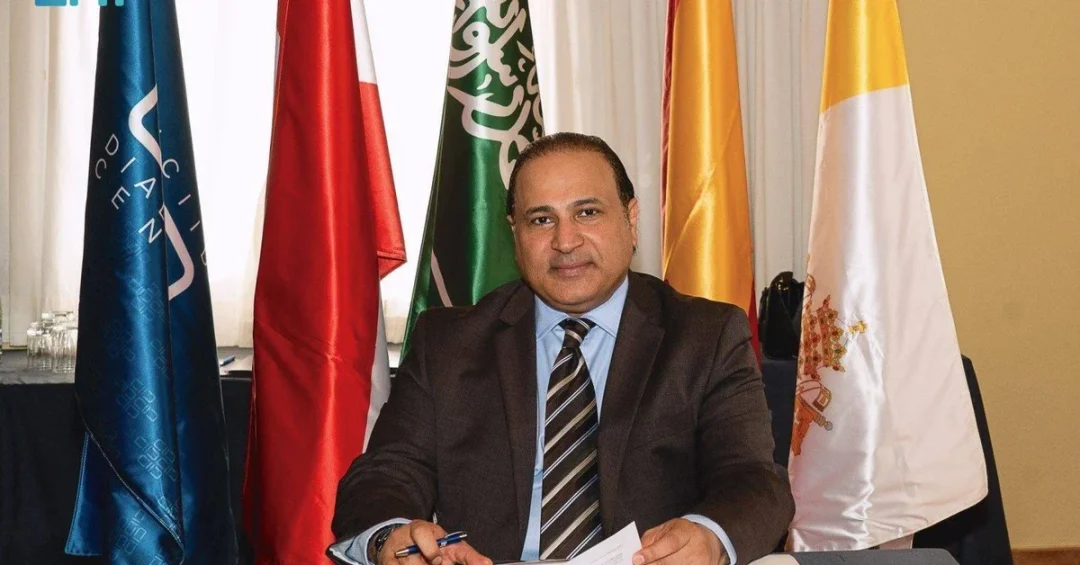
The King Abdullah bin Abdulaziz International Center for Interreligious and Intercultural Dialogue (KAICIID) will participate in the International Conference on Women, Peace, and Security in Manila, Philippines, from October 28 to 30, 2024, as announced by the Saudi Press Agency. The conference will convene more than 65 government officials and ministers from Arab, Asian, and African regions to advance collaborative approaches to the global women, peace, and security agenda. KAICIID will share its expertise in building partnerships and trust between government officials and civil society organizations to enhance women’s roles in peacebuilding and security. How can interreligious and intercultural dialogue contribute to sustainable peace in today’s complex global landscape?
The participation of KAICIID underscores Saudi Arabia’s commitment to fostering international dialogue and empowering women in peace processes, aligning with the Kingdom’s Vision 2030 goals of promoting moderation, tolerance, and global engagement. The conference serves as a platform for exchanging best practices and developing strategies to overcome challenges in implementing the women, peace, and security agenda across diverse regions. By bringing together high-level officials and civil society representatives, the event aims to create actionable frameworks for increasing women’s participation in conflict prevention, resolution, and post-conflict reconstruction.
Context and Background
What is the significance of KAICIID’s involvement in this international conference? KAICIID, headquartered in Lisbon, Austria, was established in 2012 as an international organization dedicated to promoting dialogue among followers of different religions and cultures. The Center was founded by the Kingdom of Saudi Arabia, Austria, and Spain, with the Holy See as a founding observer, and has since become a leading global platform for interreligious and intercultural dialogue. Its participation in the Manila conference reflects its ongoing commitment to addressing contemporary global challenges through inclusive dialogue and collaboration.
The International Conference on Women, Peace, and Security is part of a broader global effort to implement United Nations Security Council Resolution 1325, adopted in 2000, which recognizes the disproportionate impact of armed conflict on women and girls and calls for their full and equal participation in peace and security efforts. Over two decades later, progress has been uneven, and conferences like this one aim to revitalize commitments and share innovative approaches to overcoming persistent barriers.
The Manila conference brings together a diverse group of stakeholders, including government ministers, policymakers, civil society leaders, and international organizations, to discuss regional collaborations and strategies for advancing the women, peace, and security agenda. The participation of KAICIID highlights the important role of interreligious dialogue in building trust and fostering inclusive peace processes, particularly in regions affected by conflict and instability.
Key Details
How will KAICIID contribute to the conference discussions? During the conference, KAICIID will host a side event on October 30 featuring a panel discussion with leading women peacebuilders from countries such as Iraq, Syria, Egypt, Pakistan, and the Philippines. These women will share their experiences, challenges, and opportunities in promoting the women, peace, and security agenda in their respective regions. The panel aims to facilitate exchanges between civil society groups and government officials on regional collaborations relevant to the agenda, creating a space for dialogue and mutual learning.
KAICIID will also highlight the role of women in fostering peace in the Arab and Asian regions, presenting initiatives such as “She for Dialogue,” which empowers women to assume leadership roles in peacebuilding efforts. This initiative is designed to provide women with the skills, networks, and platforms needed to engage effectively in dialogue and mediation processes, thereby enhancing their contributions to peace and security.
In a statement, KAICIID Secretary General Dr. Zuhair Alharthi emphasized the Center’s approach to creating safe spaces and utilizing dialogue as a peace-building tool. He described the event as a significant step in advancing the global women, peace, and security agenda. Dr. Alharthi stressed the crucial role of international organizations in safeguarding societal cohesion and countering divisive discourses that marginalize groups based on religious, gender, or ethnic identities, posing threats to global peace and fostering extremist environments rooted in animosity and deliberate exclusion.
International and Regional Impact
What does KAICIID’s participation mean for international peace and security efforts? KAICIID’s involvement in the Manila conference signals a growing recognition of the interconnectedness of interreligious dialogue, gender equality, and peacebuilding. By sharing its experience in building partnerships and trust with government officials and civil society organizations, KAICIID contributes to a more holistic approach to the women, peace, and security agenda. This approach acknowledges that sustainable peace requires not only political and military solutions but also social cohesion and mutual understanding among diverse communities.
Regionally, KAICIID’s work in the Arab and Asian regions is particularly relevant, as these areas continue to face complex conflicts and social tensions. The Center’s initiatives, such as “She for Dialogue,” provide practical pathways for women to engage in peacebuilding, thereby addressing some of the root causes of conflict and instability. By facilitating exchanges between civil society and government officials, KAICIID helps bridge gaps and build consensus on critical issues affecting women’s roles in peace and security.
The conference also serves as a platform for Saudi Arabia to showcase its leadership in promoting dialogue and women’s empowerment on the global stage. As a founding member of KAICIID, the Kingdom has consistently supported efforts to foster tolerance, moderation, and mutual respect, in line with its Vision 2030 objectives. The participation of Saudi-supported organizations in international forums reinforces the Kingdom’s commitment to contributing to global peace and stability.
Economic and Strategic Significance
Why is the women, peace, and security agenda economically and strategically important? The inclusion of women in peace and security processes has been shown to lead to more durable peace agreements, improved post-conflict reconstruction, and greater economic stability. Countries that empower women in peacebuilding are better positioned to achieve sustainable development and attract investment, as stability and social cohesion are key drivers of economic growth. For Saudi Arabia and its regional partners, advancing this agenda is not only a moral imperative but also a strategic investment in long-term prosperity.
KAICIID’s work aligns with Saudi Arabia’s Vision 2030, which emphasizes the importance of women’s participation in all sectors of society, including peace and security. By supporting initiatives like “She for Dialogue,” the Kingdom contributes to creating an enabling environment for women to take on leadership roles, thereby enhancing their economic and social contributions. This, in turn, supports the broader goals of economic diversification and sustainable development.
Furthermore, the conference provides an opportunity for Saudi Arabia and other participating countries to strengthen diplomatic ties and explore new avenues for cooperation. By working together on the women, peace, and security agenda, nations can build trust and mutual understanding, which are essential for addressing shared challenges and fostering regional stability. The strategic significance of these collaborations extends beyond the immediate conference, laying the groundwork for future partnerships and initiatives.
Vision 2030 Alignment
How does KAICIID’s participation in the Manila conference align with Saudi Arabia’s Vision 2030? Vision 2030 is a comprehensive plan to diversify the Kingdom’s economy, empower its citizens, and enhance its global engagement. A key pillar of this vision is the promotion of moderation, tolerance, and dialogue, both domestically and internationally. KAICIID’s mission to foster interreligious and intercultural dialogue directly supports these objectives, as it works to build bridges between communities and promote peaceful coexistence.
Additionally, Vision 2030 places a strong emphasis on women’s empowerment and their full participation in society. By supporting initiatives that enable women to assume leadership roles in peacebuilding, Saudi Arabia demonstrates its commitment to gender equality and inclusive development. The Kingdom’s participation in international conferences like this one reinforces its role as a responsible global actor and a champion of peace and security.
In conclusion, KAICIID’s participation in the International Conference on Women, Peace, and Security in Manila represents a significant step forward in advancing the global agenda for women’s roles in peacebuilding. Through its side event, panel discussions, and initiatives like “She for Dialogue,” KAICIID will contribute valuable insights and practical solutions to the challenges facing women in conflict-affected regions. As Saudi Arabia continues to pursue its Vision 2030 goals, its support for such initiatives underscores its commitment to fostering a more peaceful, prosperous, and inclusive world. How can the international community build on these efforts to ensure that women’s voices are at the forefront of peace and security decisions?
20 Questions
Q1. What is KAICIID and what is its mission?
A1. KAICIID is the King Abdullah bin Abdulaziz International Center for Interreligious and Intercultural Dialogue. Its mission is to promote dialogue among people of different religions and cultures to foster peace, tolerance, and mutual understanding worldwide.
Q2. When and where is the International Conference on Women, Peace, and Security taking place?
A2. The conference is being held in Manila, Philippines, from October 28 to 30, 2024. It brings together over 65 government officials and ministers from Arab, Asian, and African regions.
Q3. What is the main objective of the conference?
A3. The conference aims to discuss collaborative approaches to advancing the global women, peace, and security agenda, focusing on increasing women’s participation in peacebuilding and security efforts.
Q4. How will KAICIID participate in the conference?
A4. KAICIID will share its experience in building partnerships and trust with government officials and civil society organizations. It will also host a side event on October 30 featuring a panel discussion with women peacebuilders.
Q5. Who will be on the panel at KAICIID’s side event?
A5. The panel will feature leading women peacebuilders from Iraq, Syria, Egypt, Pakistan, and the Philippines. They will discuss challenges and opportunities in promoting the women, peace, and security agenda in their regions.
Q6. What is the “She for Dialogue” initiative?
A6. “She for Dialogue” is a KAICIID initiative that empowers women to assume leadership roles in peacebuilding efforts. It provides women with skills, networks, and platforms to engage effectively in dialogue and mediation.
Q7. What did KAICIID Secretary General Dr. Zuhair Alharthi say about the event?
A7. Dr. Alharthi emphasized KAICIID’s approach to creating safe spaces and using dialogue as a peace-building tool. He described the event as a significant step in advancing the global women, peace, and security agenda.
Q8. How does KAICIID’s work align with Saudi Arabia’s Vision 2030?
A8. KAICIID’s mission to foster interreligious and intercultural dialogue supports Vision 2030’s goals of promoting moderation, tolerance, and global engagement. It also aligns with the vision’s emphasis on women’s empowerment.
Q9. What is the significance of UN Security Council Resolution 1325?
A9. Resolution 1325, adopted in 2000, recognizes the disproportionate impact of armed conflict on women and girls. It calls for their full and equal participation in peace and security efforts.
Q10. Why is the women, peace, and security agenda important for economic stability?
A10. Including women in peace processes leads to more durable peace agreements and improved post-conflict reconstruction. This stability attracts investment and supports sustainable development, benefiting entire economies.
Q11. What role do international organizations play in safeguarding societal cohesion?
A11. International organizations like KAICIID help counter divisive discourses that marginalize groups based on religion, gender, or ethnicity. They promote dialogue and mutual understanding to prevent extremism and foster peaceful coexistence.
Q12. How many government officials and ministers are expected at the conference?
A12. Over 65 government officials and ministers from Arab, Asian, and African regions are expected to attend the conference in Manila.
Q13. What are the key challenges in promoting the women, peace, and security agenda?
A13. Challenges include cultural barriers, limited access to decision-making processes, and insufficient funding for women-led peace initiatives. The conference aims to address these through collaboration and knowledge sharing.
Q14. How does KAICIID build trust with government officials and civil society?
A14. KAICIID creates safe spaces for dialogue, facilitates exchanges, and implements initiatives like “She for Dialogue.” It works to bridge gaps between stakeholders and promote inclusive peace processes.
Q15. What is the expected outcome of the conference?
A15. The conference aims to develop actionable frameworks for increasing women’s participation in conflict prevention and resolution. It also seeks to strengthen regional collaborations and share best practices.
Q16. Why is Saudi Arabia’s support for KAICIID significant?
A16. Saudi Arabia’s support demonstrates its commitment to global peace, tolerance, and women’s empowerment. It reflects the Kingdom’s leadership in promoting dialogue and its alignment with Vision 2030 objectives.
Q17. How can women’s participation in peacebuilding be increased?
A17. Through targeted training, mentorship, and networking opportunities like “She for Dialogue.” Also, by creating enabling environments that recognize and support women’s roles in peace and security.
Q18. What regions are represented at the conference?
A18. The conference includes participants from Arab, Asian, and African regions, bringing diverse perspectives and experiences to the discussions on women, peace, and security.
Q19. What is the role of civil society in the women, peace, and security agenda?
A19. Civil society organizations advocate for women’s rights, implement grassroots peacebuilding projects, and hold governments accountable. They are essential partners in advancing the agenda.
Q20. How does KAICIID’s work contribute to global peace?
A20. By fostering interreligious and intercultural dialogue, KAICIID builds trust and understanding among communities. This helps prevent conflicts, counter extremism, and create conditions for sustainable peace worldwide.
Reader Feedback
We value your thoughts. Please share your feedback on this article.
Your feedback helps us improve our coverage.
Related articles
 Saudi Arabia Leads Global Road Connectivity Rankings
 Saudi Defense Minister Arrives in Madrid for Official Visit
 Second Day of Multilateral Industrial Policy Forum Begins in Riyadh
 Spanish and Saudi Defense Ministers Hold Official Talks
 Saudi Official Receives Italian Consul General in Jeddah
 Saudi Arabia Strengthens Global Water Resource Management Efforts at Slovenia Meeting