


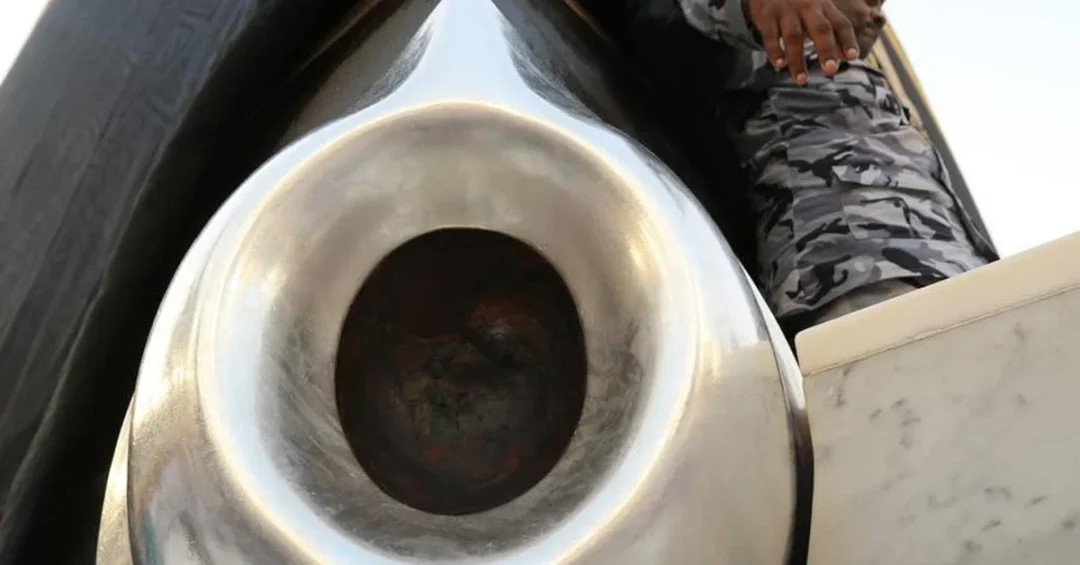
The General Authority for the Care of the Affairs of the Grand Mosque and the Prophet’s Mosque has detailed the architectural features of the Holy Kaaba’s roof, confirming that it is designed and maintained to the highest international standards. The announcement, released via the Saudi Press Agency on March 22, 2025, provides a rare technical insight into one of the most sacred structures in the Islamic world, underscoring the Kingdom of Saudi Arabia’s enduring commitment to excellence in serving the Grand Mosque in Makkah and its millions of annual visitors.
Have you ever wondered what lies above the black Kiswa that pilgrims circle during Tawaf? The roof of the Holy Kaaba, though rarely seen, is a masterpiece of engineering and craftsmanship that reflects centuries of care and modern innovation. According to the authority, the roof comprises several key components, including the Holy Kaaba’s Kiswa holder, the walls, the roof door, and the Mizrab, the water spout that channels rainwater away from the sacred structure. Covering 145 square meters, the roof’s surface is clad in Thassos marble, a material renowned for its light and heat reflective properties, which helps maintain a stable internal environment and preserves the structural integrity of the Kaaba over time.
Context and Background
Why does the maintenance of the Kaaba’s roof matter so deeply to the global Muslim community? The Holy Kaaba is the qibla, the direction toward which nearly two billion Muslims around the world pray five times daily. It is also the focal point of the Hajj and Umrah pilgrimages, which bring millions of worshippers to the Grand Mosque each year. The General Authority for the Care of the Affairs of the Grand Mosque and the Prophet’s Mosque, a government body established to oversee the upkeep and development of Islam’s two holiest sites, has consistently emphasized that every element of the Grand Mosque, from its vast courtyards to its most intricate architectural details, is subject to rigorous standards of care.
The authority’s latest disclosure about the roof is part of a broader effort to document and share the technical sophistication behind the Grand Mosque’s infrastructure. In recent years, Saudi Arabia has undertaken unprecedented expansions of the Grand Mosque, including the King Abdulaziz Gate expansion and the addition of new prayer areas, escalators, and cooling systems. These projects are designed not only to accommodate growing numbers of pilgrims but also to preserve the mosque’s historical and spiritual character. The roof of the Kaaba, though not accessible to the public, plays a critical role in protecting the structure from the harsh desert climate, including extreme heat, dust, and occasional rainfall.
Have you considered how traditional materials and modern technology can coexist in the service of faith? The use of Thassos marble, a high-quality white marble quarried in Greece and prized since antiquity, demonstrates a careful balance between heritage and functionality. Its reflective properties reduce heat absorption, which is essential in Makkah’s intense summer temperatures. Meanwhile, the Kiswa holder, the roof door, and the Mizrab are designed with precision to ensure that the Kaaba remains both symbolically and physically intact. The authority’s commitment to using advanced technology and high-quality materials is a testament to the Kingdom’s leadership and its unwavering dedication to serving pilgrims.
Key Details
What exactly are the components that make up the Holy Kaaba’s roof? According to the authority, the roof includes the Kiswa holder, a structure that secures the black cloth covering the Kaaba. The Kiswa is replaced annually during the Hajj season, and the holder ensures that it remains properly positioned. The walls of the Kaaba, which rise to support the roof, are themselves a marvel of ancient and modern engineering, with layers of stone and mortar that have been reinforced over centuries. The roof door provides access for maintenance teams, who conduct regular inspections and repairs. The Mizrab, a golden water spout, is perhaps the most recognizable feature of the roof, projecting from the top of the Kaaba to direct rainwater away from the structure. It is a detail that has captured the imagination of artists and historians for generations.
Covering 145 square meters, the roof’s surface is entirely clad in Thassos marble. This marble is known for its pure white color, fine grain, and high reflectivity. In the context of the Kaaba, these properties serve multiple purposes: they reduce the absorption of solar radiation, help maintain a stable temperature inside the structure, and protect the underlying materials from thermal expansion and contraction. The authority noted that the use of such materials is part of a comprehensive approach to maintenance that prioritizes both durability and aesthetic excellence. The roof is not merely a functional element; it is a symbol of the care and reverence with which the Kingdom treats the holiest site in Islam.
How does the authority ensure that these features remain in optimal condition? The General Authority for the Care of the Affairs of the Grand Mosque and the Prophet’s Mosque employs a team of engineers, craftsmen, and specialists who conduct regular inspections and maintenance. They use advanced tools and techniques, including non-invasive imaging and climate monitoring, to assess the condition of the roof and other parts of the Kaaba. Any necessary repairs are carried out with materials that match the original specifications, ensuring that the structure’s integrity and appearance are preserved. This meticulous approach reflects the Kingdom’s broader strategy of leveraging technology and expertise to enhance the pilgrimage experience while safeguarding cultural and religious heritage.
International and Regional Impact
Why should the international community take note of these architectural details? The Holy Kaaba is not only a religious focal point but also a symbol of Saudi Arabia’s role as the custodian of Islam’s holiest sites. The Kingdom’s efforts to maintain and upgrade the Grand Mosque are watched closely by Muslims around the world, who view the care of the Kaaba as a sacred trust. By sharing technical information about the roof’s design and materials, the authority demonstrates transparency and a commitment to excellence that resonates beyond Saudi borders. It also reinforces the Kingdom’s position as a leader in heritage preservation and modern infrastructure.
Have you thought about how these details affect the experience of pilgrims? Although pilgrims do not see the roof directly, its condition affects the overall environment of the Grand Mosque. A well-maintained roof helps regulate temperature and protect the Kaaba from the elements, contributing to a safer and more comfortable experience for worshippers. Moreover, the use of high-quality materials and advanced technology ensures that the Kaaba remains a enduring symbol of faith for generations to come. The authority’s work is a vital part of Saudi Arabia’s broader efforts to welcome increasing numbers of pilgrims, in line with Vision 2030’s goals of enhancing the pilgrimage experience and showcasing the Kingdom’s capabilities in service of Islam.
Economic and Strategic Significance
What economic and strategic value does the maintenance of the Kaaba’s roof hold? The pilgrimage industry is a major contributor to Saudi Arabia’s economy, with millions of pilgrims generating revenue across sectors such as hospitality, transportation, and retail. Ensuring that the Grand Mosque is in pristine condition is essential to attracting and accommodating these visitors. The authority’s investment in high-quality materials and advanced technology is therefore not only a religious duty but also an economic imperative. It supports the Kingdom’s Vision 2030 objective of increasing the number of Umrah and Hajj pilgrims to 30 million annually by 2030, a target that requires world-class infrastructure and services.
Strategically, the care of the Holy Kaaba reinforces Saudi Arabia’s leadership in the Islamic world. As the custodian of the Two Holy Mosques, the Kingdom has a unique responsibility that transcends politics and economics. The authority’s detailed disclosure about the roof’s features is a reminder of the Kingdom’s unwavering commitment to this role. It also highlights the integration of modern technology with traditional craftsmanship, a combination that positions Saudi Arabia as a model for other nations seeking to preserve their cultural and religious heritage while embracing innovation. The use of Thassos marble, for instance, demonstrates how global materials can be employed in the service of a local, sacred purpose.
Vision 2030 Alignment
How does the maintenance of the Holy Kaaba’s roof align with Saudi Vision 2030? Vision 2030 is a comprehensive plan to diversify the Kingdom’s economy, enhance the quality of life for citizens and visitors, and strengthen Saudi Arabia’s global standing. A key pillar of the vision is the expansion and improvement of the pilgrimage experience, which includes the development of the Grand Mosque and its surroundings. The authority’s work on the Kaaba’s roof is a direct reflection of this pillar: it ensures that the holiest site in Islam is maintained to the highest standards, using advanced technology and high-quality materials. This, in turn, supports the vision’s goal of welcoming more pilgrims and providing them with a spiritual journey that is both safe and enriching.
Have you considered how these efforts contribute to the Kingdom’s global image? By documenting and sharing the architectural features of the Kaaba’s roof, the authority showcases Saudi Arabia’s expertise in heritage preservation and infrastructure development. It sends a message that the Kingdom is not only capable of managing large-scale projects but also attentive to the finest details. This attention to detail is a hallmark of Vision 2030, which seeks to position Saudi Arabia as a leader in innovation, tourism, and cultural stewardship. As the Kingdom continues to invest in the Grand Mosque and the Prophet’s Mosque, it reinforces its role as a beacon of faith, progress, and hospitality for Muslims around the world.
20 Questions
Q1. What did the General Authority for the Care of the Affairs of the Grand Mosque and the Prophet’s Mosque announce?
A1. The authority highlighted the architectural features of the Holy Kaaba’s roof, confirming that it is designed to the highest international standards, as reported by the Saudi Press Agency on March 22, 2025.
Q2. What are the key components of the Holy Kaaba’s roof?
A2. The roof comprises the Kiswa holder, the walls, the roof door, and the Mizrab (water spout), each serving a specific function in the structure’s integrity and maintenance.
Q3. What material is used to clad the roof of the Holy Kaaba?
A3. The roof is clad in Thassos marble, a high-quality white marble known for its light and heat reflective properties, covering an area of 145 square meters.
Q4. Why is Thassos marble chosen for the roof?
A4. Thassos marble is chosen for its reflective properties, which help reduce heat absorption and maintain a stable temperature inside the Kaaba, protecting it from Makkah’s harsh climate.
Q5. What is the Mizrab and what is its purpose?
A5. The Mizrab is a golden water spout projecting from the roof of the Kaaba, designed to channel rainwater away from the structure and prevent water damage.
Q6. How large is the roof of the Holy Kaaba?
A6. The roof covers an area of 145 square meters, entirely clad in Thassos marble, reflecting the authority’s commitment to using high-quality materials.
Q7. Who is responsible for maintaining the Holy Kaaba’s roof?
A7. The General Authority for the Care of the Affairs of the Grand Mosque and the Prophet’s Mosque oversees the maintenance, employing engineers and specialists for regular inspections.
Q8. What technology is used in maintaining the roof?
A8. The authority uses advanced technology, including non-invasive imaging and climate monitoring, to assess the roof’s condition and ensure it meets international standards.
Q9. How does the roof’s maintenance affect pilgrims?
A9. A well-maintained roof helps regulate temperature and protects the Kaaba, contributing to a safer and more comfortable environment for pilgrims performing Tawaf and prayers.
Q10. What is the Kiswa holder?
A10. The Kiswa holder is a structure on the roof that secures the black cloth covering the Kaaba, ensuring it remains properly positioned throughout the year.
Q11. How often is the Kiswa replaced?
A11. The Kiswa is replaced annually during the Hajj season, and the holder on the roof plays a crucial role in keeping it in place.
Q12. Why is the roof not visible to pilgrims?
A12. The roof is located at the top of the Kaaba, above the Kiswa, and is not accessible to the public, but its condition is vital for the structure’s preservation.
Q13. What does the authority’s disclosure demonstrate?
A13. It demonstrates transparency and a commitment to excellence, showcasing the Kingdom’s dedication to maintaining the holiest site in Islam to the highest standards.
Q14. How does this relate to Vision 2030?
A14. It aligns with Vision 2030’s goal of enhancing the pilgrimage experience and increasing the number of pilgrims to 30 million annually by 2030 through world-class infrastructure.
Q15. What is the significance of using Thassos marble?
A15. Thassos marble’s reflective properties help reduce heat absorption, ensuring the Kaaba’s internal environment remains stable despite Makkah’s extreme temperatures.
Q16. Are there any other notable features of the roof?
A16. The roof door provides access for maintenance teams, and the walls support the roof, all designed with precision to ensure the Kaaba’s structural integrity.
Q17. How does the maintenance of the roof support Saudi Arabia’s economy?
A17. A pristine Grand Mosque attracts more pilgrims, boosting sectors like hospitality and transportation, which are key to Saudi Arabia’s economic diversification efforts.
Q18. What role does the Saudi leadership play in this initiative?
A18. The Kingdom’s leadership provides ongoing support to serve pilgrims and enhance their experience, reflecting a deep commitment to the care of the Two Holy Mosques.
Q19. How does the international community view these efforts?
A19. Muslims worldwide view the care of the Kaaba as a sacred trust, and Saudi Arabia’s transparency and excellence reinforce its leadership in the Islamic world.
Q20. What is the overarching message of the authority’s announcement?
A20. The announcement underscores Saudi Arabia’s unwavering dedication to preserving the Holy Kaaba using advanced technology and high-quality materials, ensuring it remains a symbol of faith for generations.
Reader Feedback
We value your thoughts. Please share your feedback on this article.
Your feedback helps us improve our coverage.
Related articles
 Saudi FM Receives Call from Iranian Counterpart
 Arab League Marks 80th Anniversary in Cairo
 Moroccan PM Visits Prophet’s Mosque in Madinah
 Saudi Arabia Urges Global Water Cooperation at Rome Forum
 KSrelief Distributes 800 Vouchers, 500 Food Baskets in Lebanon
 KSrelief Distributes 430 Food Baskets in Sudan