


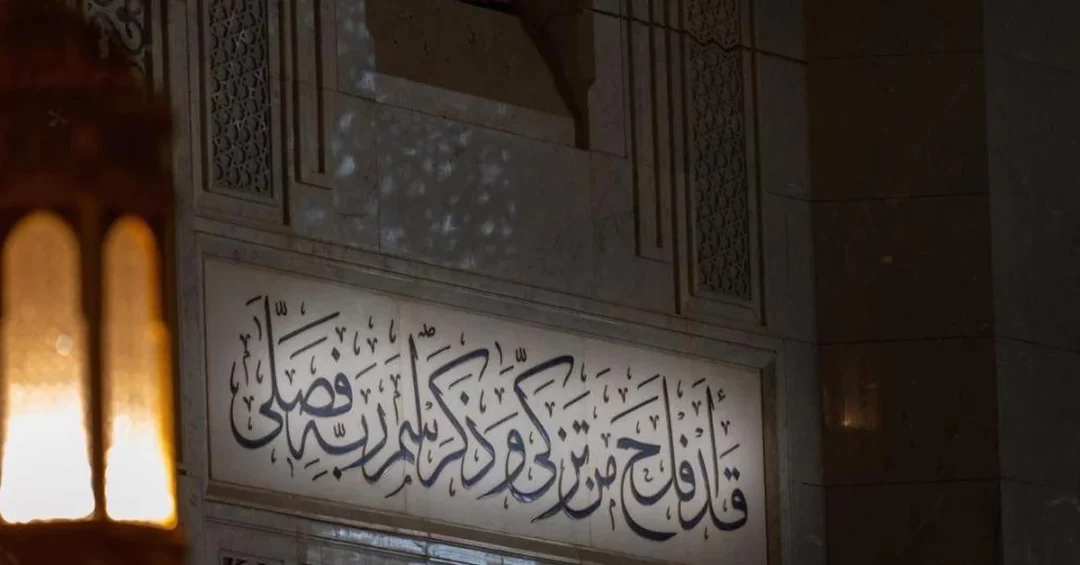
The Grand Mosque in Makkah stands as a beacon of architectural and spiritual beauty, with traditional Arabic calligraphy adorning its corners, the Holy Kaaba’s door, the Kiswah, and numerous other sacred elements, according to the Saudi Press Agency (SPA). This intricate artistry, which harmonizes elegance and precision, serves not only as a visual delight but also as a profound reminder of the language of the Holy Quran, enveloping worshippers and visitors in tranquility and serenity. The SPA report, released on December 18, 2024, highlights how Arabic calligraphy at the Grand Mosque conveys deep meanings that resonate with the millions of pilgrims who visit annually.
Have you ever considered how a single stroke of a reed pen can capture centuries of devotion? The Grand Mosque, also known as Al-Masjid al-Haram, is the holiest site in Islam, and its calligraphic embellishments are among the finest examples of Islamic art. These inscriptions are not merely decorative; they are a testament to the enduring power of the written word in Islamic tradition. As the Kingdom of Saudi Arabia continues to welcome pilgrims from around the world, the preservation and promotion of this sacred art form remain a priority, aligning with the nation’s commitment to cultural heritage and spiritual enrichment.
Context and Background
What makes Arabic calligraphy such a revered art form in the Islamic world? Arabic calligraphy has long been considered the highest form of artistic expression in Islamic culture, precisely because it is the script in which the Holy Quran was revealed. Unlike other art forms that may depict living beings, calligraphy focuses on the beauty of the written word, particularly verses from the Quran. At the Grand Mosque, this art form is displayed in various locations, most notably on the door of the Holy Kaaba and the Kiswah, the black cloth that covers the Kaaba and is replaced annually during the Hajj season. The SPA report notes that the door of the Holy Kaaba is one of the finest examples of the splendor of Arabic calligraphy, featuring intricate Quranic inscriptions and religious expressions that have been crafted with extraordinary skill.
The historical roots of Arabic calligraphy at the Grand Mosque stretch back over fourteen centuries, evolving alongside Islamic civilization itself. Different scripts, such as Thuluth, Naskh, and Diwani, have been employed to adorn the mosque’s architecture, each with its own distinct aesthetic and historical significance. The Thuluth script, in particular, is often used for large inscriptions due to its elegant curves and ability to be read from a distance. These calligraphic works are not static; they are periodically restored and maintained by skilled artisans, many of whom are trained in traditional techniques passed down through generations. The Saudi government, through its various cultural and religious authorities, oversees these efforts to ensure that the sacred art remains vibrant and accessible to all visitors.
Moreover, the presence of calligraphy at the Grand Mosque serves an educational purpose. It reminds worshippers of the centrality of the Quran in their faith and encourages reflection on its verses. The SPA report emphasizes that the Quranic inscriptions envelop visitors in a sense of tranquility and serenity, which is particularly important given the bustling environment of the mosque, which hosts millions of pilgrims each year. The calligraphy thus acts as a spiritual anchor, drawing the eye and the heart toward the divine.
Key Details
How exactly does the calligraphy on the Holy Kaaba’s door exemplify the pinnacle of this art? The door of the Holy Kaaba, known as Bab al-Kaaba, is adorned with intricate Quranic inscriptions and religious expressions that are meticulously crafted. According to the SPA, this door is one of the finest examples of the splendor of Arabic calligraphy. The inscriptions typically include verses from the Quran, the names of Allah, and the Prophet Muhammad (peace be upon him), as well as prayers and blessings. The door itself is made of gold and silver, inlaid with precious stones, and the calligraphy is executed with such precision that it is considered a masterpiece of Islamic art. The artisans who work on the door and the Kiswah are highly skilled, often specializing in specific scripts and techniques. The Kiswah, which is produced in a dedicated factory in Makkah, features calligraphy that is embroidered in gold and silver thread, a process that takes months to complete and involves hundreds of craftsmen.
Beyond the Kaaba, calligraphy can be found throughout the Grand Mosque, including on archways, pillars, and minarets. Each inscription is carefully placed to enhance the architectural beauty and to create a harmonious visual experience. The SPA report highlights that these calligraphic elements are not merely ornamental; they convey profound meanings that remind worshippers of the language of the Holy Quran. For instance, verses about mercy, guidance, and unity are often chosen to inspire and comfort the faithful. The calligraphy also serves as a unifying element, as it is a shared artistic heritage across the Islamic world, transcending linguistic and cultural differences. Pilgrims from diverse backgrounds can appreciate the beauty and meaning of the script, even if they do not speak Arabic, because the art form itself communicates a universal message of faith.
In recent years, Saudi Arabia has invested significantly in the preservation and restoration of these calligraphic works. The General Presidency for the Affairs of the Grand Mosque and the Prophet’s Mosque, a government body, oversees the maintenance of the site, including the calligraphy. Skilled calligraphers are commissioned to repair and replicate inscriptions, ensuring that the original artistry is preserved for future generations. This effort is part of a broader initiative to safeguard Islamic heritage and to promote cultural tourism, a key pillar of Saudi Vision 2030. The SPA report does not specify the exact number of calligraphic pieces, but it underscores their importance as a unique harmony of art and spirituality.
International and Regional Impact
Why does the calligraphy at the Grand Mosque resonate with an international audience? The Grand Mosque is not only a spiritual center for Muslims but also a global symbol of Islamic civilization. Millions of pilgrims from every continent visit Makkah each year, and they encounter the calligraphy firsthand. This exposure helps to foster a deeper appreciation for Arabic art and culture, bridging cultural divides and promoting mutual understanding. The SPA report, by highlighting the beauty of the calligraphy, contributes to a positive image of Saudi Arabia as a custodian of Islamic heritage. For international observers, the calligraphy represents a tangible link to the past, showcasing the sophistication of Islamic art and its enduring relevance. It also serves as a reminder of the Kingdom’s role in preserving and promoting the arts, which is part of its broader cultural diplomacy.
Regionally, the calligraphy at the Grand Mosque reinforces the shared cultural identity of the Arab and Islamic world. Countries across the Middle East and beyond have their own traditions of Arabic calligraphy, but the works in Makkah are considered among the most sacred and prestigious. The annual replacement of the Kiswah, for example, is a major event that draws attention from around the region. The calligraphy on the Kiswah is a collaborative effort, with materials and expertise sourced from various countries, symbolizing unity. Moreover, Saudi Arabia’s efforts to maintain and display this art form set a standard for other nations, encouraging them to invest in their own cultural heritage. The SPA report serves as a reminder of the Kingdom’s leadership in this domain, highlighting its commitment to preserving the spiritual and artistic legacy of Islam.
In addition, the calligraphy at the Grand Mosque has an economic impact through tourism. Many visitors come specifically to admire the art and architecture, contributing to the local economy. The Saudi government has recognized this potential and has developed programs to promote cultural tourism, including guided tours that focus on the calligraphy and other artistic features of the mosque. These initiatives align with Vision 2030’s goal of diversifying the economy and increasing the contribution of tourism to the GDP. By showcasing the calligraphy, Saudi Arabia attracts visitors who are interested in culture and history, not just religious pilgrimage. This helps to extend the tourist season and create jobs in the hospitality and cultural sectors.
Economic and Strategic Significance
What strategic value does the promotion of Arabic calligraphy hold for Saudi Arabia? The preservation and promotion of Arabic calligraphy at the Grand Mosque is part of a larger strategy to enhance the Kingdom’s soft power and cultural influence. By positioning itself as the guardian of Islamic heritage, Saudi Arabia strengthens its leadership role in the Muslim world and beyond. This is particularly important in the context of Vision 2030, which aims to diversify the economy and promote a positive image of the country. The calligraphy is a tangible asset that can be leveraged in cultural diplomacy, attracting tourists, scholars, and artists. It also supports the growth of creative industries, as calligraphy workshops and exhibitions are increasingly popular in Saudi cities. The SPA report, by giving prominence to this art form, helps to raise awareness and appreciation, which in turn can lead to greater investment in cultural infrastructure.
Economically, the calligraphy industry itself provides livelihoods for artisans, suppliers of materials such as gold thread and special inks, and those involved in the production of the Kiswah. The factory that produces the Kiswah, for instance, employs hundreds of people and is a source of national pride. The skills required for this work are highly specialized, and the Saudi government has established training programs to ensure that these traditional crafts are passed on to future generations. This not only preserves heritage but also creates employment opportunities. Furthermore, the calligraphy attracts high-value tourists who are willing to spend on cultural experiences, benefiting hotels, restaurants, and retail businesses in Makkah and beyond. As Vision 2030 seeks to increase the number of Umrah and Hajj pilgrims to 30 million by 2030, the role of cultural assets like calligraphy becomes even more significant in enhancing the overall pilgrim experience.
Strategically, the calligraphy at the Grand Mosque reinforces the Kingdom’s identity as the heartland of Islam. It serves as a visual representation of the Quran’s message, which is central to the faith of over a billion Muslims worldwide. By maintaining and showcasing this art, Saudi Arabia demonstrates its commitment to serving Islam and its adherents. This can help to counter negative perceptions and build goodwill. The SPA report, which is an official Saudi news agency, plays a role in disseminating this positive narrative. It highlights the beauty and precision of the calligraphy, inviting readers to appreciate the artistry and the spiritual depth it represents. In a world where cultural heritage is increasingly valued, Saudi Arabia’s efforts in this area position it as a responsible and forward-looking nation.
Vision 2030 Alignment
How does the calligraphy at the Grand Mosque connect to Saudi Vision 2030? Vision 2030 is a comprehensive plan to transform Saudi Arabia’s economy and society, with a strong emphasis on cultural heritage as a driver of growth and national identity. One of the key objectives is to increase the number of pilgrims and tourists, and to enhance their experience by showcasing the Kingdom’s rich Islamic heritage. The calligraphy at the Grand Mosque is a prime example of this heritage. By preserving and promoting it, Saudi Arabia not only fulfills a religious duty but also advances its economic goals. The SPA report, by detailing the splendor of the calligraphy, supports the Vision 2030 narrative of a nation that honors its past while building its future. It also aligns with the Quality of Life program, which aims to promote cultural activities and entertainment for citizens and visitors alike.
Furthermore, Vision 2030 includes initiatives to develop cultural institutions, support artists, and create opportunities for creative expression. Arabic calligraphy is a traditional art that can be modernized and integrated into contemporary design, fashion, and architecture. The Grand Mosque serves as a source of inspiration for calligraphers and designers, who can draw on its motifs and techniques. The Saudi government has launched various programs to teach calligraphy and to organize exhibitions, both within the Kingdom and internationally. These efforts help to preserve the art form and to share it with the world. As the SPA report notes, the calligraphy at the Grand Mosque conveys profound meanings and envelops visitors in tranquility. This spiritual and aesthetic experience is a unique selling point for Saudi tourism, and it aligns perfectly with Vision 2030’s goal of making the Kingdom a global destination for culture and faith.
In conclusion, the Arabic calligraphy at the Grand Mosque is a treasure of Islamic civilization, and its preservation is a testament to Saudi Arabia’s dedication to its heritage and its future. Through the efforts of the General Presidency for the Affairs of the Grand Mosque and the Prophet’s Mosque, and with the support of Vision 2030, this art form will continue to inspire and uplift all who behold it. The SPA report serves as a reminder of the beauty that lies at the heart of Makkah, and of the Kingdom’s role as its guardian.
20 Questions
Q1. What is the significance of Arabic calligraphy at the Grand Mosque?
A1. Arabic calligraphy at the Grand Mosque is not merely decorative; it conveys profound meanings from the Holy Quran, reminding worshippers of the language of the divine and enveloping them in tranquility and serenity. It represents the highest form of Islamic art.
Q2. Where can Arabic calligraphy be seen in the Grand Mosque?
A2. According to the Saudi Press Agency, calligraphy adorns the Holy Kaaba’s door, the Kiswah (cover), and various other parts of the mosque, including archways, pillars, and minarets, highlighting the elegance and precision of Arabic script.
Q3. What makes the door of the Holy Kaaba a notable example of calligraphy?
A3. The door of the Holy Kaaba features intricate Quranic inscriptions and religious expressions, executed with exceptional skill. It is considered one of the finest examples of the splendor of Arabic calligraphy, showcasing gold and silver inlay.
Q4. How does the calligraphy on the Kiswah differ from other inscriptions?
A4. The Kiswah’s calligraphy is embroidered in gold and silver thread on black cloth, a process that takes months and involves hundreds of craftsmen. It is replaced annually and is a symbol of unity and devotion.
Q5. What scripts are commonly used in the Grand Mosque’s calligraphy?
A5. Scripts such as Thuluth, Naskh, and Diwani are employed. Thuluth is often used for large inscriptions due to its elegant curves, while Naskh is known for its clarity and is used for smaller texts.
Q6. Who oversees the maintenance of calligraphy at the Grand Mosque?
A6. The General Presidency for the Affairs of the Grand Mosque and the Prophet’s Mosque oversees maintenance, commissioning skilled calligraphers to repair and replicate inscriptions to preserve the original artistry for future generations.
Q7. How does the calligraphy contribute to the spiritual experience of pilgrims?
A7. The Quranic inscriptions remind pilgrims of the centrality of the Quran in their faith, encouraging reflection and providing a sense of tranquility amid the bustling environment of the mosque, which hosts millions annually.
Q8. What is the historical background of Arabic calligraphy at the Grand Mosque?
A8. Arabic calligraphy at the Grand Mosque has evolved over fourteen centuries alongside Islamic civilization. Different scripts have been used, and the art has been periodically restored by skilled artisans trained in traditional techniques.
Q9. How does Saudi Arabia preserve this calligraphic heritage?
A9. Saudi Arabia invests in preservation through the General Presidency, which commissions calligraphers and maintains the Kiswah factory. Training programs ensure traditional skills are passed to future generations, aligning with Vision 2030.
Q10. What is the economic impact of the calligraphy at the Grand Mosque?
A10. The calligraphy attracts cultural tourists and supports artisans, suppliers, and the Kiswah industry. It contributes to the local economy and aligns with Vision 2030’s goal of diversifying revenue through tourism.
Q11. How does the calligraphy promote international understanding?
A11. By showcasing the beauty of Arabic script, the calligraphy fosters appreciation for Islamic art and culture among international visitors, bridging cultural divides and promoting mutual respect and understanding.
Q12. What role does the Saudi Press Agency play in highlighting this art?
A12. The Saudi Press Agency (SPA) reports on the calligraphy, emphasizing its splendor and spiritual significance. This official coverage helps disseminate a positive image of Saudi Arabia as a custodian of Islamic heritage.
Q13. How does the calligraphy align with Vision 2030?
A13. Vision 2030 emphasizes cultural heritage as a driver of economic growth and national identity. The calligraphy enhances the pilgrim experience and promotes cultural tourism, supporting the goal of attracting 30 million pilgrims by 2030.
Q14. What materials are used in the calligraphy on the Kaaba’s door?
A14. The door is made of gold and silver, inlaid with precious stones. The calligraphy is executed with precision using these precious materials, making it a masterpiece of Islamic art.
Q15. How are calligraphers trained to work on the Grand Mosque’s inscriptions?
A15. Calligraphers undergo rigorous training in traditional scripts and techniques, often passing skills through generations. The Saudi government supports training programs to ensure the craft’s continuity and excellence.
Q16. What messages do the Quranic inscriptions convey?
A16. The inscriptions typically include verses about mercy, guidance, and unity, as well as the names of Allah and the Prophet Muhammad. They serve to inspire and comfort the faithful, reinforcing core Islamic values.
Q17. How does the calligraphy enhance the architectural beauty of the Grand Mosque?
A17. The calligraphy is carefully placed on archways, pillars, and minarets, creating a harmonious visual experience that complements the mosque’s grandeur and adds to its spiritual ambiance.
Q18. What is the significance of the annual replacement of the Kiswah?
A18. The annual replacement is a major event symbolizing renewal and devotion. The new Kiswah, adorned with calligraphy, is produced with meticulous care and draws attention from around the Islamic world.
Q19. How can visitors learn more about the calligraphy at the Grand Mosque?
A19. Visitors can join guided tours that focus on the art and architecture, or explore exhibitions and workshops organized by Saudi cultural authorities. These initiatives are part of Vision 2030’s cultural tourism efforts.
Q20. Why is Arabic calligraphy considered the highest form of Islamic art?
A20. Because it is the script of the Holy Quran, calligraphy is revered as the highest art form in Islam. It avoids depictions of living beings and focuses on the beauty of the divine word, making it a profound expression of faith.
Reader Feedback
We value your thoughts. Please share your feedback on this article.
Your feedback helps us improve our coverage.
Related articles
 Riyadh Book Fair Signing Platforms Bridge Writers and Readers
 Year of the Camel Pavilion in Jeddah’s City Walk Draws Crowds with an Interactive Cultural Experience
 Year of the Camel Pavilion in Jeddah’s City Walk Draws Crowds with an Interactive Cultural Experience
 International Falcon Breeders Auction 2024 Draws 16 Nations
 German Falcon Farm Returns to Saudi Auction After Sales Success
 Falcon Sold for Record SAR400,000 at Saudi Auction