


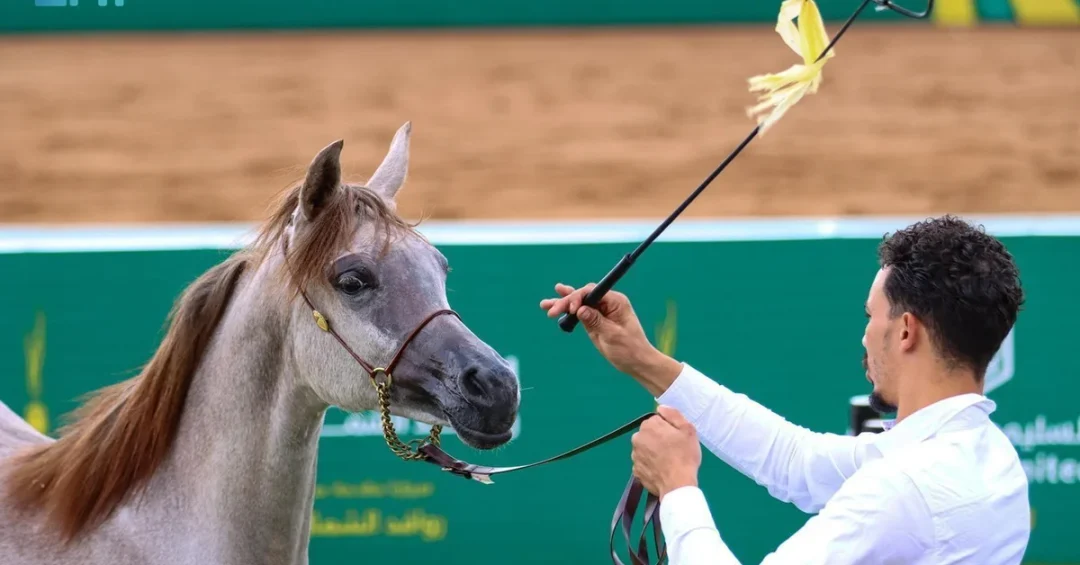
The equestrian races at Hail Equestrian Field, held in December 2025, attracted strong community engagement, with families, visitors, and equestrian enthusiasts drawn by a diverse program of entertainment, cultural, and heritage activities that complemented the race competitions, according to the Saudi Press Agency (SPA). The events, which took place alongside the main racing schedule, featured a wide range of heritage and equestrian displays that generated significant public interaction, including tent-pegging demonstrations, horse beauty shows, archery, horse races, and a pony race for young riders that highlighted several promising equestrian talents. Visitors praised the diverse programs, emphasizing the family-friendly atmosphere and the field’s success in combining equestrian sports with heritage experiences that strengthen community spirit.
How does a single sporting venue become a gathering point for an entire region’s cultural identity? The answer, as demonstrated in Hail, lies in the thoughtful integration of competition and heritage. The Hail Equestrian Field did not simply host races; it created an immersive environment where the sport of kings met the traditions of the desert, offering something for every member of the family. This approach reflects a broader movement across the Kingdom of Saudi Arabia to celebrate its equestrian heritage while providing modern, engaging experiences for residents and tourists alike. The success of the Hail events underscores the enduring appeal of horses in Saudi culture and the growing demand for authentic, family-oriented entertainment.
Context and Background
Why has Hail become a focal point for equestrian heritage in Saudi Arabia? Located in the northern part of the Kingdom, Hail has long been known for its deep-rooted connection to Arabian horses and desert traditions. The region’s equestrian field serves as a year-round hub for competitions, training, and cultural festivals. The December 2025 races were part of an ongoing series of events designed to promote equestrian sports and preserve the intangible cultural heritage associated with horses. According to the Saudi Press Agency, the accompanying activities were carefully curated to complement the races, ensuring that visitors of all ages could participate in and appreciate the region’s equestrian legacy.
The event program included tent-pegging, a traditional equestrian sport where riders spear small ground targets while galloping, which drew enthusiastic crowds. Horse beauty shows highlighted the physical elegance and lineage of Arabian horses, a breed renowned worldwide for its endurance and beauty. Archery demonstrations offered a glimpse into historical desert warfare and hunting techniques, while pony races for young riders provided a platform for the next generation of equestrians to showcase their skills. These elements were not mere side attractions; they were integral to the overall experience, reinforcing the connection between sport, culture, and community.
What role do such events play in Saudi Arabia’s broader cultural landscape? They serve as living museums, where traditions are not just preserved but actively practiced and shared. In a rapidly modernizing society, these gatherings offer a sense of continuity and pride. They also align with the Kingdom’s Vision 2030 goals of enhancing quality of life, promoting cultural heritage, and boosting domestic tourism. By attracting families and visitors from across the region, the Hail equestrian events contribute to local economies and foster a stronger sense of national identity.
Key Details of the Hail Equestrian Events
What exactly made the Hail equestrian events so compelling for visitors? The diversity of activities was a major draw. The tent-pegging demonstrations required precision and speed, with riders navigating a course while aiming to pierce small targets on the ground. This sport, with its roots in cavalry training, captivated audiences with its blend of skill and spectacle. Horse beauty shows, judged on conformation, movement, and presence, celebrated the Arabian horse’s storied history. These shows also provided an educational component, as announcers explained the breed’s characteristics and significance to Saudi culture.
Archery, another heritage activity, allowed visitors to try their hand at a traditional bow and arrow under the guidance of experts. This interactive element was particularly popular among young attendees, who lined up to test their aim. The pony race for young riders was a highlight, featuring children aged 8 to 14 competing on ponies. This race not only entertained but also identified promising talents who may go on to represent the Kingdom in future competitions. The main horse races themselves showcased elite Arabian horses and skilled jockeys, adding a competitive edge to the festival atmosphere.
How did the organizers ensure a family-friendly environment? The layout of the field included dedicated areas for children, food stalls offering traditional Saudi cuisine, and seating that allowed families to enjoy the events comfortably. The timing of the events, held during the cooler winter months, made outdoor activities pleasant. Security and crowd management were handled efficiently, ensuring a safe and enjoyable experience for all. The presence of local artisans selling handicrafts and traditional garments further enriched the cultural tapestry of the event.
International and Regional Impact
Could the Hail model be replicated across Saudi Arabia and beyond? The success of the Hail equestrian events offers a blueprint for other regions seeking to blend sport, heritage, and tourism. The Kingdom’s diverse geography and rich history provide countless opportunities for similar festivals that celebrate local traditions while attracting international visitors. For example, the annual King Abdulaziz Falconry Festival and the AlUla Camel Cup have already gained international recognition, drawing participants and spectators from around the world. Hail’s focus on equestrianism complements these efforts, adding another dimension to Saudi Arabia’s cultural tourism portfolio.
Regionally, the events reinforce Saudi Arabia’s position as a leader in preserving Arabian heritage. Neighboring Gulf countries share similar traditions, and the Hail events could inspire cross-border collaborations, such as joint equestrian competitions or cultural exchanges. Internationally, the events contribute to Saudi Arabia’s soft power by presenting a positive image of the Kingdom as a destination that honors its past while embracing the future. Visitors from Europe, Asia, and the Americas who attend such events become ambassadors, sharing their experiences and challenging stereotypes.
Economic and Strategic Significance
What economic benefits do equestrian events bring to Hail and the wider region? The influx of visitors stimulates local businesses, including hotels, restaurants, and transport services. The events also create temporary employment opportunities in event management, security, and hospitality. In the long term, the increased visibility of Hail as a tourist destination can attract investment in infrastructure and tourism facilities. The Saudi Arabian government, through its Vision 2030 plan, has identified tourism as a key sector for economic diversification, aiming to increase its contribution to GDP and create jobs for Saudi citizens.
Strategically, equestrian sports are part of Saudi Arabia’s efforts to promote a healthy, active lifestyle among its population. The pony races and archery activities encourage youth participation in sports, aligning with the Quality of Life Program, one of Vision 2030’s executive programs. By investing in equestrian facilities and events, the Kingdom also preserves a vital part of its cultural heritage, ensuring that future generations remain connected to their roots. Moreover, the presence of international media and influencers at such events amplifies Saudi Arabia’s message of openness and progress.
Vision 2030 Alignment
How do the Hail equestrian events directly support Vision 2030? They embody several of the vision’s core themes: a vibrant society, a thriving economy, and an ambitious nation. By providing family-friendly entertainment that celebrates heritage, the events contribute to a vibrant society where citizens enjoy a high quality of life. The economic activity generated supports a thriving economy, while the preservation of equestrian traditions reflects an ambitious nation proud of its identity. The events also promote domestic tourism, a key pillar of the National Tourism Strategy, which aims to attract 100 million visits annually by 2030.
Furthermore, the Hail equestrian events showcase the Kingdom’s ability to host world-class events that blend tradition and modernity. This aligns with the vision’s goal of positioning Saudi Arabia as a global destination for culture, sports, and entertainment. As the Kingdom continues to invest in equestrian infrastructure and programs, events like these will become increasingly common, drawing more visitors and enhancing Saudi Arabia’s reputation on the world stage. The success in Hail is not just a local triumph; it is a testament to the nation’s forward-looking leadership and its commitment to honoring the past while building the future.
20 Questions
Q1. What was the main attraction at the Hail Equestrian Field in December 2025?
A1. The main attraction was a series of equestrian races accompanied by diverse heritage and entertainment activities, including tent-pegging, horse beauty shows, archery, and pony races, which drew strong community engagement.
Q2. Where did the Hail equestrian events take place?
A2. The events took place at the Hail Equestrian Field in the Hail region of northern Saudi Arabia, a venue known for hosting competitions and cultural festivals.
Q3. Who attended the Hail equestrian events?
A3. Families, visitors, and equestrian enthusiasts attended the events, creating a vibrant, family-friendly atmosphere that strengthened community spirit.
Q4. What is tent-pegging?
A4. Tent-pegging is a traditional equestrian sport where riders gallop and use a lance or spear to pierce small targets on the ground, demonstrating skill and speed.
Q5. What did the horse beauty shows entail?
A5. The horse beauty shows evaluated Arabian horses on conformation, movement, and presence, celebrating the breed’s elegance and cultural significance.
Q6. Was archery part of the activities?
A6. Yes, archery demonstrations allowed visitors to try traditional bow and arrow under expert guidance, proving popular among young attendees.
Q7. What was the pony race for young riders?
A7. The pony race featured children aged 8 to 14 competing on ponies, highlighting promising equestrian talents and encouraging youth participation in the sport.
Q8. How did visitors react to the events?
A8. Visitors praised the diverse programs, highlighting the family-friendly atmosphere and the field’s success in combining equestrian sports with heritage experiences.
Q9. What other activities were available for families?
A9. Families enjoyed food stalls with traditional Saudi cuisine, children’s play areas, and shopping for local handicrafts, all within a safe and welcoming environment.
Q10. When were the events held?
A10. The events were held in December 2025, taking advantage of the cooler winter weather in Hail, which is ideal for outdoor activities.
Q11. Who reported on the Hail equestrian events?
A11. The Saudi Press Agency (SPA) reported on the events, providing official coverage of the activities and visitor reactions.
Q12. Why is Hail significant for equestrian heritage?
A12. Hail has a long-standing connection to Arabian horses and desert traditions, making it a natural hub for equestrian sports and cultural festivals.
Q13. How do these events support Vision 2030?
A13. They support Vision 2030 by enhancing quality of life, promoting cultural heritage, boosting domestic tourism, and encouraging youth participation in sports.
Q14. What economic impact do the events have?
A14. The events stimulate local businesses such as hotels and restaurants, create temporary jobs, and attract investment in tourism infrastructure in the Hail region.
Q15. Are there plans to expand such events?
A15. While specific plans are not detailed, the success of the Hail events aligns with the Kingdom’s strategy to develop cultural tourism and host more heritage festivals across Saudi Arabia.
Q16. What is the significance of Arabian horses in Saudi culture?
A16. Arabian horses are prized for their beauty, endurance, and historical role in Bedouin life, symbolizing nobility and heritage in Saudi Arabia.
Q17. How do the events promote community spirit?
A17. By bringing together families and individuals from diverse backgrounds to share in cultural and sporting activities, the events foster social cohesion and pride in local traditions.
Q18. Can international tourists attend these events?
A18. Yes, international tourists are welcome to attend, and such events are part of Saudi Arabia’s efforts to attract global visitors and showcase its culture.
Q19. What role does the Saudi Press Agency play in reporting such events?
A19. The Saudi Press Agency is the official news agency of Saudi Arabia, providing accurate and timely coverage of government initiatives, cultural events, and national developments.
Q20. How do the Hail equestrian events contribute to Saudi Arabia’s global image?
A20. They present Saudi Arabia as a nation that honors its heritage while embracing modernity, enhancing its soft power and attracting international attention to its cultural and sporting offerings.
Reader Feedback
We value your thoughts. Please share your feedback on this article.
Your feedback helps us improve our coverage.
Related articles
 Jazan Waterfronts and Parks See Visitor Surge During School Break
 World Circus Brings International Entertainment to Hail Rally
 Custodian of the Two Holy Mosques Program Guests Visit Hira Cultural District in Makkah
 Madinah Tourism Booms in Q1 2024 with 15.3% Growth
 Horseback Riding Event Blends Tradition and Adventure at Hira Cultural District
 Aseer’s Wadi Al Areen Stuns with Pristine Beauty and Rich Orchards