


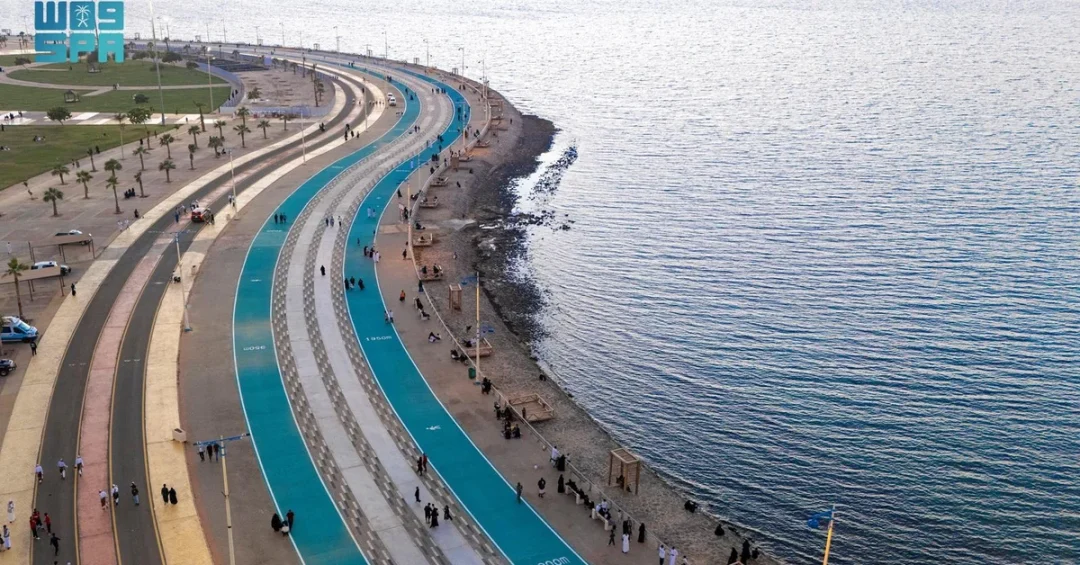
Waterfronts and public parks across Jazan Region are witnessing a significant surge in visitors during the current school break, as families from within the region and beyond flock to the area’s coastal and recreational facilities, drawn by mild winter weather and a diverse array of leisure activities. The influx, reported by the Saudi Press Agency (SPA), underscores the growing appeal of Jazan as a domestic tourism destination and reflects the Kingdom’s broader push to enhance quality of life under Vision 2030. Local authorities have prepared extensively for the seasonal increase, with the municipality implementing a comprehensive development plan to ensure that facilities meet the expectations of residents and visitors alike.
Jazan, located in the southwestern corner of Saudi Arabia along the Red Sea, has long been known for its lush landscapes, fertile valleys, and distinctive cultural heritage. In recent years, however, the region has emerged as a key player in the Kingdom’s efforts to diversify its economy and promote domestic tourism. The school break period, coinciding with pleasant winter temperatures, has become a peak time for families seeking affordable, accessible, and family-friendly recreation. The current surge in visitor numbers not only highlights the success of local development initiatives but also signals the growing effectiveness of national strategies aimed at boosting internal tourism and community well-being.
Context and Background
How has Jazan managed to transform its natural assets into a thriving hub for family recreation? The answer lies in a sustained, strategic effort by local authorities to develop public infrastructure that caters to the needs of a growing and increasingly mobile population. According to Jazan Mayor Yahya Al-Ghazwani, the municipality has implemented a comprehensive development plan that includes the preparation of 22 waterfronts, 236 public parks, 20 scenic overlooks, 203 sports fields, and 214 walkways distributed throughout the region. These facilities are designed not only to serve as recreational spaces but also to complement the region’s many tourist attractions, creating a cohesive and attractive environment for visitors.
The development of these facilities is part of a broader national trend in Saudi Arabia, where municipalities across the Kingdom are investing in public spaces as a means to improve the quality of life for citizens and residents. Under Vision 2030, the Kingdom has placed a strong emphasis on enhancing recreational opportunities, promoting healthy lifestyles, and fostering community cohesion. Jazan’s efforts are a prime example of how local governments are translating national objectives into tangible benefits for their communities. The school break surge is a direct outcome of these investments, demonstrating that when high-quality public amenities are available, people are eager to use them.
Moreover, the timing of the school break aligns with Saudi Arabia’s broader tourism calendar, which has seen a steady increase in domestic travel as more families choose to explore the Kingdom’s diverse regions. Jazan’s mild winter climate, combined with its coastal location, makes it an ideal destination for those seeking respite from colder temperatures elsewhere. The region’s accessibility has also improved, with better road networks and transportation links connecting it to major cities such as Riyadh, Jeddah, and Abha. This has made Jazan an increasingly attractive option for short getaways and extended family vacations.
Key Details
What specific amenities are drawing such large crowds to Jazan’s waterfronts and parks? Mayor Al-Ghazwani noted that designated family-friendly areas have been provided at waterfronts and public parks, offering integrated facilities that include seating areas, green spaces, children’s play zones, various kiosks, and a wide selection of restaurants and cafés. These amenities are designed to cater to the diverse needs of families, ensuring that visitors of all ages can find something enjoyable to do. The presence of restaurants and cafés also supports local businesses, creating economic opportunities for entrepreneurs and small enterprises in the region.
The diversity of public facilities has boosted community participation in recreational activities, contributing to the achievement of quality-of-life goals. Popular activities include walking and cycling along designated paths, as well as various water sports such as swimming, beach volleyball, and other athletic pursuits. The availability of sports fields and walkways has encouraged residents to adopt more active lifestyles, which is a key objective of the Kingdom’s health and wellness initiatives. The municipality has also stepped up field efforts to prepare waterfronts and public facilities, including routine maintenance and increased monitoring of commercial establishments to enhance service quality.
These efforts are not limited to physical infrastructure alone. The municipality has also focused on ensuring that public spaces are safe, clean, and well-maintained, which is essential for attracting repeat visitors. Increased monitoring of commercial establishments helps to ensure that vendors adhere to health and safety standards, providing peace of mind for families. The combination of physical amenities and service quality has created a welcoming environment that encourages visitors to spend more time—and more money—in the region, further stimulating the local economy.
International and Regional Impact
How does Jazan’s success in attracting visitors fit into Saudi Arabia’s broader regional and international tourism strategy? The Kingdom has been actively promoting itself as a global tourism destination, with initiatives such as the Saudi Seasons and the expansion of tourist visas. While much of the international focus has been on flagship projects like NEOM and the Red Sea Project, regions like Jazan play a crucial role in rounding out the Kingdom’s tourism offering. By providing authentic, family-oriented experiences that showcase Saudi culture and hospitality, Jazan helps to diversify the types of tourism available and appeals to a wider range of travelers.
Regionally, Jazan’s proximity to the border with Yemen and its historical ties to the Red Sea trade routes give it a unique cultural and economic significance. The influx of visitors during the school break demonstrates that the region can serve as a model for other areas in the Kingdom looking to develop their tourism potential. It also highlights the importance of investing in public infrastructure as a foundation for tourism growth. As more Saudis choose to travel domestically, regions that have invested in quality facilities will be best positioned to capture this growing market.
Internationally, the positive image of Saudi Arabia as a safe, modern, and welcoming destination is reinforced by stories of successful domestic tourism initiatives. Visitors from neighboring countries, particularly those in the Gulf Cooperation Council (GCC), may also be attracted to Jazan’s unique blend of coastal beauty and cultural heritage. The region’s development aligns with the Kingdom’s efforts to increase tourism’s contribution to GDP and create jobs for Saudi citizens, both of which are central to Vision 2030.
Economic and Strategic Significance
What economic benefits does the surge in visitors bring to Jazan and the Kingdom as a whole? The increased footfall at waterfronts and parks translates into higher revenues for local businesses, including restaurants, cafés, kiosks, and retail outlets. It also creates demand for services such as maintenance, cleaning, and security, generating employment opportunities for residents. The municipality’s investment in public facilities is thus not just a quality-of-life measure but also an economic development strategy, leveraging public spaces to stimulate private sector activity.
Strategically, the development of Jazan’s recreational infrastructure supports the Kingdom’s goal of reducing dependence on oil revenues by diversifying the economy. Tourism is a key pillar of Vision 2030, and domestic tourism is an important component of that pillar. By encouraging citizens to explore their own country, the government hopes to retain tourism spending within the Kingdom and reduce the outflow of funds to foreign destinations. Jazan’s success in attracting large numbers of visitors during the school break is a positive indicator that these efforts are bearing fruit.
Furthermore, the focus on family-friendly facilities and community participation aligns with the Vision 2030 objective of building a vibrant society. When families have access to safe, enjoyable, and affordable recreational options, their overall quality of life improves, and social cohesion is strengthened. This, in turn, contributes to a more productive and engaged workforce, which is essential for economic growth. The Jazan model demonstrates how investments in public amenities can yield dividends across multiple dimensions of national development.
Vision 2030 Alignment
How does the Jazan school break surge exemplify the goals of Saudi Vision 2030? At its core, Vision 2030 seeks to transform Saudi Arabia into a more diversified, dynamic, and socially vibrant nation. The development of Jazan’s waterfronts and parks directly supports several key objectives, including enhancing quality of life, promoting domestic tourism, and fostering community well-being. The municipality’s comprehensive plan, which includes 22 waterfronts, 236 public parks, 20 scenic overlooks, 203 sports fields, and 214 walkways, is a tangible manifestation of these goals.
The surge in visitors also highlights the success of the Kingdom’s decentralization efforts, where local governments are empowered to design and implement projects that meet the specific needs of their communities. Mayor Al-Ghazwani’s leadership in Jazan exemplifies how local officials can drive progress that aligns with national priorities. As Saudi Arabia continues its journey toward Vision 2030, stories like this one serve as evidence that the strategy is delivering real, on-the-ground benefits for citizens and residents. The future of Jazan—and the Kingdom—looks bright, with public spaces playing a central role in building a happier, healthier, and more connected society.
20 Questions
Q1. What is causing the surge in visitors to Jazan’s waterfronts and parks?
A1. The surge is driven by the school break, mild winter weather, and diverse recreational activities offered at the region’s waterfronts and parks, attracting families from within Jazan and beyond.
Q2. How many waterfronts and public parks has the Jazan municipality prepared?
A2. The municipality has prepared 22 waterfronts, 236 public parks, 20 scenic overlooks, 203 sports fields, and 214 walkways across the region, according to Mayor Yahya Al-Ghazwani.
Q3. Who is the mayor of Jazan?
A3. Yahya Al-Ghazwani is the Mayor of Jazan. He announced the comprehensive development plan and highlighted the facilities available for residents and visitors.
Q4. What amenities are available at the family-friendly areas?
A4. The areas offer seating, green spaces, children’s play zones, kiosks, restaurants, and cafés, providing integrated facilities for families to enjoy.
Q5. What activities are popular among visitors?
A5. Popular activities include walking, cycling, swimming, beach volleyball, and other water sports, as well as general athletic pursuits along the designated paths and sports fields.
Q6. How has the municipality enhanced service quality?
A6. The municipality has increased routine maintenance and monitoring of commercial establishments to ensure high service quality and a pleasant experience for visitors.
Q7. What is the significance of these developments for Vision 2030?
A7. They support Vision 2030 goals by improving quality of life, promoting domestic tourism, and fostering community well-being through accessible recreational spaces.
Q8. How does the surge benefit the local economy?
A8. It boosts revenues for local businesses such as restaurants and shops, creates jobs in maintenance and services, and stimulates economic activity in the region.
Q9. What role does Jazan play in Saudi Arabia’s tourism strategy?
A9. Jazan contributes to domestic tourism by offering authentic, family-friendly experiences that showcase the Kingdom’s culture and hospitality, complementing other destinations.
Q10. How does the school break affect visitor numbers?
A10. The school break provides families with time to travel and relax, leading to a significant increase in visitors to Jazan’s recreational facilities during the winter months.
Q11. What is the climate like in Jazan during the school break?
A11. Jazan enjoys mild winter weather during the school break, making it ideal for outdoor activities and attracting visitors seeking pleasant conditions.
Q12. Are there facilities for sports enthusiasts?
A12. Yes, there are 203 sports fields and 214 walkways, supporting activities like football, volleyball, cycling, and jogging for visitors of all ages.
Q13. How does the municipality ensure safety at these facilities?
A13. Through routine maintenance, increased monitoring of commercial establishments, and adherence to health and safety standards to provide a secure environment for families.
Q14. What types of dining options are available?
A14. Visitors can choose from a wide selection of restaurants and cafés at the waterfronts and parks, offering local and international cuisine in family-friendly settings.
Q15. How does this initiative support community participation?
A15. By providing diverse public facilities, the initiative encourages residents to engage in recreational activities, fostering social interaction and a sense of community.
Q16. What is the expected long-term impact of these developments?
A16. They are expected to sustain tourism growth, improve public health, create economic opportunities, and enhance Jazan’s reputation as a premier domestic destination.
Q17. How does Jazan’s development align with national decentralization efforts?
A17. It exemplifies how local governments are empowered to implement projects that meet community needs while aligning with national Vision 2030 objectives.
Q18. Are there any environmental considerations in the development?
A18. The development plan includes green spaces and scenic overlooks, reflecting a balance between recreational use and preservation of Jazan’s natural beauty.
Q19. What message does this send to international audiences?
A19. It showcases Saudi Arabia’s commitment to modernizing, improving quality of life, and offering diverse tourism experiences, reinforcing its image as a welcoming destination.
Q20. How can other regions replicate Jazan’s success?
A20. By investing in public infrastructure, focusing on family-friendly amenities, and aligning local projects with national strategies like Vision 2030, other regions can achieve similar outcomes.
Reader Feedback
We value your thoughts. Please share your feedback on this article.
Your feedback helps us improve our coverage.
Related articles
 World Circus Brings International Entertainment to Hail Rally
 Custodian of the Two Holy Mosques Program Guests Visit Hira Cultural District in Makkah
 Madinah Tourism Booms in Q1 2024 with 15.3% Growth
 Horseback Riding Event Blends Tradition and Adventure at Hira Cultural District
 Aseer’s Wadi Al Areen Stuns with Pristine Beauty and Rich Orchards
 Ministry Launches Smart Book of Hajj Rituals for Pilgrims