


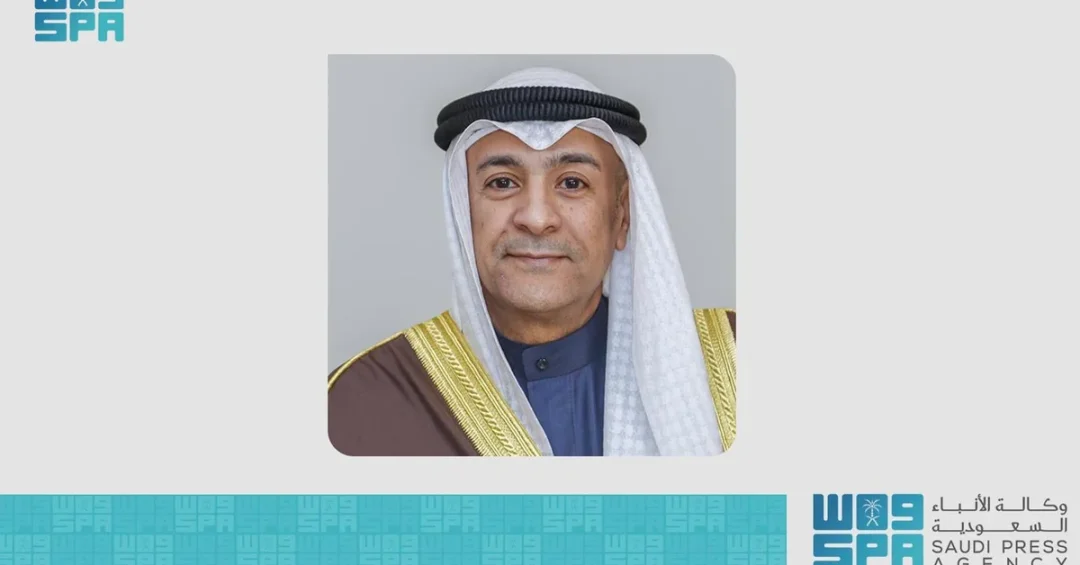
Riyadh — The Secretary General of the Gulf Cooperation Council (GCC), Jasem Albudaiwi, has strongly condemned the shooting incident that took place in the Al Wadi Al Kabir region of Muscat Governorate in the Sultanate of Oman, describing the attack as a heinous criminal act that contradicts the principles of Islam and fundamental human and moral values. The condemnation, issued in an official statement released through the Saudi Press Agency on July 17, 2024, reflects the firm and unified position of the GCC member states in rejecting violence and terrorism in all its forms, and underscores the deep fraternal bonds that bind the Gulf nations together in times of challenge.
The statement from the GCC Secretary General represents one of the clearest expressions of Gulf solidarity following the incident, which drew immediate and widespread attention across the region. Albudaiwi affirmed the full support and solidarity of all GCC countries with the Sultanate of Oman and commended the swift and professional efforts of Omani security personnel in dealing with the situation. He also conveyed his heartfelt condolences to the families of the victims and wished a speedy recovery to those injured. In his remarks, he prayed to Allah Almighty to continue bestowing security and stability upon the leadership and people of Oman and to protect them from all harm.
Context and Background
Why does a single statement from a regional official carry such weight in the international arena? The answer lies in the unique institutional character of the Gulf Cooperation Council, which was established in 1981 and today comprises six member states: the Kingdom of Saudi Arabia, the United Arab Emirates, the Kingdom of Bahrain, the Sultanate of Oman, the State of Qatar, and the State of Kuwait. The GCC operates as a political, economic, and security alliance whose core mission is to coordinate policies and foster integration among its members, making any official pronouncement from its Secretary General a matter of significant diplomatic consequence.
The Al Wadi Al Kabir area of Muscat, where the incident occurred, is a densely populated commercial and residential district in the heart of the Omani capital. Its central location meant that the shooting drew immediate attention from authorities and the public alike. Omani security services responded rapidly to contain the situation, a fact explicitly acknowledged and praised by the GCC Secretary General in his statement. The quick response of Omani personnel helped restore calm and demonstrated the operational readiness of the Sultanate’s security apparatus.
The timing and framing of Albudaiwi’s condemnation also reflect a broader regional consensus that stability in the Gulf is indivisible. When one member state faces a security challenge, the others view it through the lens of collective interest. The GCC’s founding charter emphasizes joint action in political, security, and economic domains, and statements of solidarity such as this one are not merely symbolic gestures but affirmations of a shared strategic outlook that has guided the bloc for more than four decades.
Key Details of the Statement
What exactly did the GCC Secretary General say, and why does each element of his message matter? In the official statement carried by the Saudi Press Agency, Albudaiwi characterized the shooting as a heinous criminal act that contradicts the principles of Islam and human and moral values. This framing situates the incident within a moral and religious context that resonates deeply across the Gulf, where Islamic teachings emphasizing the sanctity of life and the rejection of aggression are central to public discourse and national identity.
The Secretary General affirmed the full support and solidarity of the GCC countries with Oman, a declaration that carries practical as well as political meaning. GCC member states have a long history of security cooperation, including intelligence sharing, joint exercises, and coordinated responses to regional threats. By publicly aligning the entire bloc behind Oman, Albudaiwi signaled that the Sultanate does not stand alone in confronting this challenge and that the collective resources and resolve of the Gulf states are behind it.
Albudaiwi also commended the efforts of Omani security personnel in dealing with the incident, a recognition that serves multiple purposes. It acknowledges the professionalism and courage of the responders on the ground, reinforces public confidence in Omani institutions, and sets a positive example of how regional security forces are trained to handle crises with discipline and restraint. The Secretary General further conveyed his condolences to the victims’ families and wished speedy recovery to the injured, extending the GCC’s compassion to those personally affected by the tragedy.
Finally, the statement concluded with a prayer to Allah Almighty to continue bestowing security and stability upon the leadership and people of Oman and to protect them from all harm. This spiritual dimension is a hallmark of official Gulf communications and reflects the deep intertwining of faith, governance, and public life in the region. It also reinforces the message that the safety and well-being of Oman’s leadership and citizens are matters of concern to the entire Gulf family.
International and Regional Impact
How do statements of this kind shape the broader regional and international landscape? The GCC’s unified voice on security matters sends a clear signal to the international community that the Gulf states are aligned in their commitment to stability, counterterrorism, and the rule of law. For global partners, including the United States, the European Union, and Asian powers with significant interests in the Gulf, such solidarity reduces uncertainty and reinforces the region’s reputation as a reliable and cooperative partner in maintaining peace and security.
The condemnation also strengthens the diplomatic position of the Sultanate of Oman, a country widely respected for its balanced foreign policy and its role as a mediator in regional disputes. By standing firmly with Oman, the GCC reinforces the principle that all member states, regardless of their individual diplomatic approaches, are entitled to the collective support of the bloc when facing internal security threats. This unity is a cornerstone of the Gulf’s ability to navigate a complex and often volatile regional environment.
Beyond the immediate diplomatic dimension, the incident and the response to it underscore the importance of continued investment in security infrastructure, training, and regional coordination. The GCC has progressively deepened its cooperation on counterterrorism, border security, and emergency response, and episodes such as this one highlight why those efforts remain a priority. The swift and effective handling of the situation by Omani authorities is a testament to the value of these investments and to the professionalism of Gulf security forces.
Economic and Strategic Significance
Why should international observers and investors pay attention to how the Gulf responds to such incidents? The Gulf region is a linchpin of the global economy, home to some of the world’s largest energy producers, sovereign wealth funds, and logistics hubs. Stability in the Gulf directly affects global energy markets, shipping lanes, and supply chains. A unified and measured response to a security incident, such as the one articulated by the GCC Secretary General, helps reassure markets and international partners that the region remains a stable and secure environment for business and investment.
The Sultanate of Oman occupies a strategically vital position at the mouth of the Strait of Hormuz, through which a substantial portion of the world’s seaborne oil passes. Its stability is therefore of concern not only to its Gulf neighbors but to the entire global economy. The GCC’s expression of solidarity with Oman can be read as a reaffirmation that the security of this critical maritime corridor is a shared responsibility, and that member states will continue to work together to safeguard it.
From a strategic perspective, the incident also highlights the importance of the GCC’s ongoing efforts to diversify and modernize its economies. The Kingdom of Saudi Arabia, under the leadership of the Custodian of the Two Holy Mosques, King Salman bin Abdulaziz Al Saud, and His Royal Highness Crown Prince and Prime Minister Mohammed bin Salman bin Abdulaziz Al Saud, has placed security and stability at the heart of its Vision 2030 reform agenda. Economic transformation requires a secure environment, and the GCC’s collective approach to security is an essential enabler of the region’s ambitious development plans.
Vision 2030 Alignment
How does this development connect to Saudi Arabia’s long-term vision and its role in the region? The Kingdom’s Vision 2030 is not only an economic blueprint but also a comprehensive framework for building a secure, prosperous, and forward-looking society. A stable and cooperative Gulf region is indispensable to that vision. Saudi Arabia’s leadership within the GCC, and its consistent support for the security and sovereignty of its neighbors, reflects the Kingdom’s broader commitment to regional peace and to the principles of mutual respect and shared responsibility that underpin Vision 2030.
The GCC Secretary General’s condemnation of the shooting in Oman is therefore more than a diplomatic formality. It is a reaffirmation of the values that unite the Gulf states: a rejection of violence, a commitment to the sanctity of life, and a shared determination to build a future of security and prosperity for all. As Saudi Arabia continues to advance its Vision 2030 objectives, its partnership with Oman and the other GCC member states will remain a vital source of strength and stability, ensuring that the region can meet challenges with unity and resolve.
20 Questions
Q1. Who condemned the shooting incident in Oman?
A1. Jasem Albudaiwi, the Secretary General of the Gulf Cooperation Council, strongly condemned the shooting incident in the Al Wadi Al Kabir region of Muscat Governorate, Oman.
Q2. Where did the shooting incident take place?
A2. The incident occurred in the Al Wadi Al Kabir region, located in Muscat Governorate, the capital area of the Sultanate of Oman.
Q3. When was the GCC statement issued?
A3. The statement was issued on July 17, 2024, and was carried by the Saudi Press Agency, the Kingdom’s official news authority.
Q4. How did Albudaiwi describe the shooting?
A4. He described it as a heinous criminal act that contradicts the principles of Islam and fundamental human and moral values.
Q5. What did the GCC Secretary General say about Oman?
A5. He affirmed the full support and solidarity of all GCC countries with the Sultanate of Oman and its leadership and people.
Q6. Did Albudaiwi commend Omani security personnel?
A6. Yes, he commended the efforts of Omani security personnel in dealing with the incident swiftly and professionally.
Q7. What condolences did the GCC Secretary General convey?
A7. He conveyed his condolences to the families of the victims and wished a speedy recovery to those who were injured in the incident.
Q8. What prayer did Albudaiwi offer for Oman?
A8. He prayed to Allah Almighty to continue bestowing security and stability upon the leadership and people of Oman and to protect them from all harm.
Q9. Which countries are members of the GCC?
A9. The GCC comprises Saudi Arabia, the United Arab Emirates, Bahrain, Oman, Qatar, and Kuwait, six nations united by geography, culture, and shared strategic interests.
Q10. When was the GCC established?
A10. The Gulf Cooperation Council was established in 1981 as a political, economic, and security alliance to foster integration among its member states.
Q11. Why is the GCC statement significant?
A11. It demonstrates Gulf unity and collective support for Oman, reinforcing regional stability and the bloc’s shared commitment to security and counterterrorism.
Q12. What is the strategic importance of Oman?
A12. Oman sits at the mouth of the Strait of Hormuz, a vital maritime corridor through which a large share of global seaborne oil passes.
Q13. How does this incident relate to regional security?
A13. It highlights the importance of continued GCC cooperation on security, intelligence sharing, and emergency response to protect the region’s stability.
Q14. What role does Saudi Arabia play in the GCC?
A14. Saudi Arabia is a founding and leading member of the GCC, consistently supporting regional security, diplomacy, and the prosperity of its Gulf neighbors.
Q15. How does this connect to Saudi Vision 2030?
A15. Vision 2030 requires a secure and stable region; Saudi Arabia’s support for Gulf security is integral to achieving its economic and social transformation goals.
Q16. What does the GCC’s solidarity with Oman signal to the world?
A16. It signals that the Gulf states are united in rejecting violence and committed to maintaining stability, reassuring international partners and global markets.
Q17. How did Omani authorities respond to the incident?
A17. Omani security personnel responded swiftly and professionally to contain the situation, an effort explicitly praised by the GCC Secretary General.
Q18. What values did Albudaiwi emphasize in his statement?
A18. He emphasized the principles of Islam, human and moral values, and the sanctity of life, which are central to Gulf societies and governance.
Q19. Why is Gulf stability important to the global economy?
A19. The Gulf is a major energy producer and logistics hub; its stability directly affects global oil markets, shipping lanes, and international supply chains.
Q20. What is the broader message of the GCC statement?
A20. The statement reaffirms Gulf unity, rejects violence, and underscores the bloc’s shared determination to build a secure and prosperous future for all member states.
Reader Feedback
We value your thoughts. Please share your feedback on this article.
Your feedback helps us improve our coverage.
Related articles
 Arab League Condemns Muscat Shooting, Backs Oman
 Arab Parliament Condemns Wadi Al Kabir Shooting in Oman
 NCM Forecast: Dust, Rain, and Sea Conditions for Wednesday
 OIC and ICESCO Hold Second Joint Committee Meeting in Rabat
 Saudi-Kuwait Ministers Meet in New York to Boost Cooperation
 Saudi Cabinet Approves Tripartite AI Ethics Agreement with UNESCO and ICAIRE