


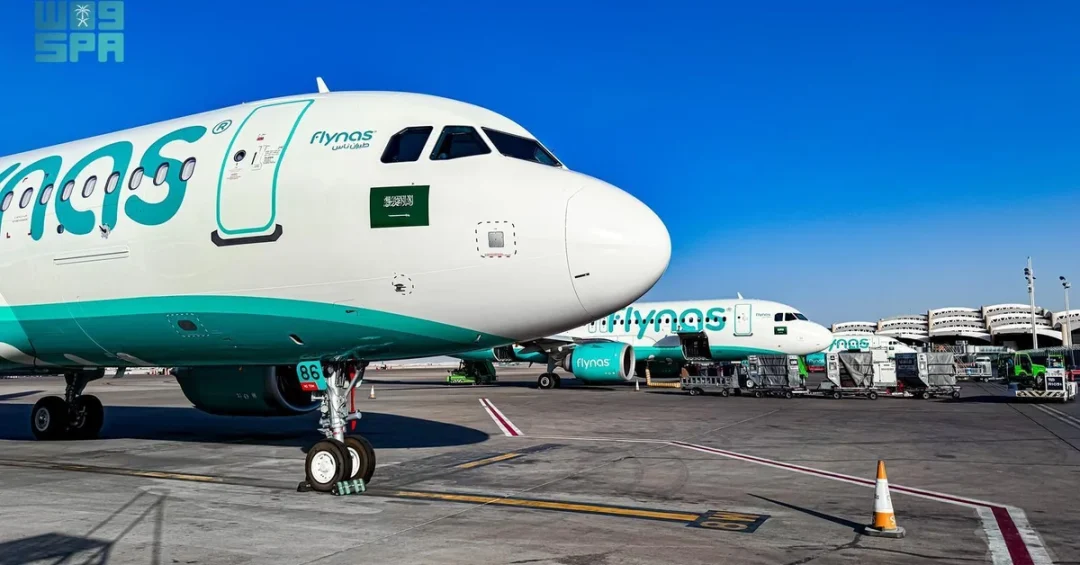
flynas, the Saudi low-cost carrier, has taken delivery of its 53rd Airbus A320neo aircraft as part of a major order for 120 planes, reinforcing its strategy to connect the world to the Kingdom and support Saudi Arabia’s ambitious aviation goals. The aircraft arrived at King Khalid International Airport in Riyadh, marking another step in flynas’ expansion under the “We connect the world to the Kingdom” initiative, which aligns with the National Civil Aviation Strategy to link Saudi Arabia with 250 international destinations, accommodate 330 million passengers, and host 100 million tourists annually by 2030.
Context and Background
The delivery of the 53rd A320neo is part of flynas’ larger order for 120 aircraft from Airbus, first announced in 2017. This order supports the airline’s rapid growth and its vision to become a leading low-cost carrier globally. The National Civil Aviation Strategy, a key component of Saudi Vision 2030, aims to transform the Kingdom into a global aviation hub, enhancing connectivity and economic diversification. flynas has been at the forefront of this transformation, consistently expanding its fleet and route network to meet rising demand.
As the first low-cost airline in the Middle East, flynas has set benchmarks for affordable travel in the region. Its partnership with Airbus underscores the airline’s commitment to operating a modern, fuel-efficient fleet, which is essential for sustainable growth.
Key Details
The new A320neo, the most advanced and environmentally friendly single-aisle aircraft in the world, landed at King Khalid International Airport in Riyadh on July 16, 2024. This addition strengthens flynas’ position as the leading low-cost airline in the Middle East and one of the top four low-cost carriers globally, according to Skytrax.
In parallel with fleet expansion, flynas has announced the opening of applications for several programs, including the Future Pilots Program, Future Engineers Program, and Cabin Crew Program for Saudi men and women. These initiatives are expected to generate hundreds of quality jobs directly and indirectly in the aviation sector, contributing to the development of national talent.
The A320neo’s fuel efficiency and reduced carbon emissions align with flynas’ commitment to environmental protection. The aircraft’s advanced technology ensures lower operating costs and a smaller ecological footprint, supporting Saudi Arabia’s sustainability goals.
Implications and Impact
The delivery of the 53rd aircraft enhances flynas’ operational capacity, allowing it to increase flight frequencies and launch new routes. This expansion will improve connectivity between Saudi Arabia and key international markets, facilitating tourism, business travel, and cultural exchange. The growth of flynas also supports the broader goals of the National Civil Aviation Strategy, which seeks to increase the aviation sector’s contribution to the national economy.
Regionally, flynas’ expansion intensifies competition in the Middle East’s low-cost travel market, potentially leading to more affordable fares and better services for passengers. Internationally, it positions Saudi Arabia as a major player in global aviation, enhancing the Kingdom’s soft power and economic influence.
Vision 2030 Alignment
This milestone is a clear reflection of Saudi Vision 2030’s objectives to diversify the economy, boost non-oil revenues, and create employment opportunities for Saudi citizens. By expanding its fleet and network, flynas directly contributes to the National Civil Aviation Strategy’s targets of 250 destinations, 330 million passengers, and 100 million tourists by 2030.
As flynas continues to grow, it remains a key enabler of the Kingdom’s ambition to become a global leader in aviation, driving sustainable development and showcasing Saudi Arabia’s progress on the world stage.
20 Questions
Q1. What is the significance of flynas receiving its 53rd A320neo aircraft?
A1. It marks a major milestone in flynas’ order of 120 aircraft, supporting its expansion strategy and Saudi Arabia’s goal to enhance connectivity and become a global aviation hub.
Q2. How does this delivery align with Saudi Vision 2030?
A2. It directly supports the National Civil Aviation Strategy’s targets to connect Saudi Arabia with 250 destinations, accommodate 330 million passengers, and host 100 million tourists annually by 2030.
Q3. What are the key features of the A320neo?
A3. The A320neo is the most advanced, environmentally friendly, and fuel-efficient single-aisle aircraft, reducing carbon emissions and operating costs.
Q4. Where did the 53rd aircraft land?
A4. It touched down at King Khalid International Airport in Riyadh on July 16, 2024.
Q5. How many aircraft has flynas ordered from Airbus in total?
A5. flynas has ordered 120 A320neo aircraft from Airbus, with 53 now delivered.
Q6. What is the “We connect the world to the Kingdom” strategy?
A6. It is flynas’ strategic plan to expand its network and connect Saudi Arabia with international destinations, supporting the National Civil Aviation Strategy.
Q7. How does this delivery impact job creation in Saudi Arabia?
A7. It contributes to generating hundreds of quality jobs directly and indirectly, with programs like Future Pilots, Future Engineers, and Cabin Crew for Saudi men and women.
Q8. What is flynas’ position in the global low-cost airline market?
A8. flynas is the leading low-cost airline in the Middle East and one of the top four low-cost airlines worldwide, according to Skytrax.
Q9. What environmental benefits does the A320neo offer?
A9. The A320neo is fuel-efficient and environmentally friendly, reducing carbon emissions and supporting sustainability in aviation.
Q10. How does this expansion benefit travelers?
A10. It increases flight options, improves connectivity, and potentially leads to more affordable fares and better services for passengers.
Q11. What is the National Civil Aviation Strategy?
A11. It is a Saudi initiative to transform the Kingdom into a global aviation hub, aiming for 250 destinations, 330 million passengers, and 100 million tourists by 2030.
Q12. How many passengers does Saudi Arabia aim to serve annually by 2030?
A12. The target is to accommodate 330 million passengers annually by 2030.
Q13. What programs has flynas launched for Saudi talent?
A13. flynas has opened applications for the Future Pilots Program, Future Engineers Program, and Cabin Crew Program for Saudi men and women.
Q14. How does flynas’ growth affect the Middle East aviation market?
A14. It intensifies competition, likely leading to improved services and more affordable travel options across the region.
Q15. What role does flynas play in Saudi Arabia’s tourism goals?
A15. By expanding its network, flynas helps attract 100 million tourists annually by 2030, supporting the Kingdom’s tourism objectives.
Q16. When did flynas place the order for 120 A320neo aircraft?
A16. The order was placed in 2017 as part of flynas’ long-term expansion plan.
Q17. What makes the A320neo a preferred choice for flynas?
A17. Its advanced technology, fuel efficiency, and environmental performance make it ideal for sustainable and cost-effective operations.
Q18. How does this delivery support Saudi Arabia’s economic diversification?
A18. It boosts the aviation sector’s contribution to the economy, creates jobs, and enhances non-oil revenues, aligning with Vision 2030.
Q19. What is the expected impact on international connectivity?
A19. It enhances links between Saudi Arabia and global markets, facilitating business, tourism, and cultural exchange.
Q20. What future plans does flynas have beyond this delivery?
A20. flynas will continue to receive aircraft from its order, expand its route network, and support the Kingdom’s aviation and tourism goals.
Reader Feedback
We value your thoughts. Please share your feedback on this article.
Your feedback helps us improve our coverage.