


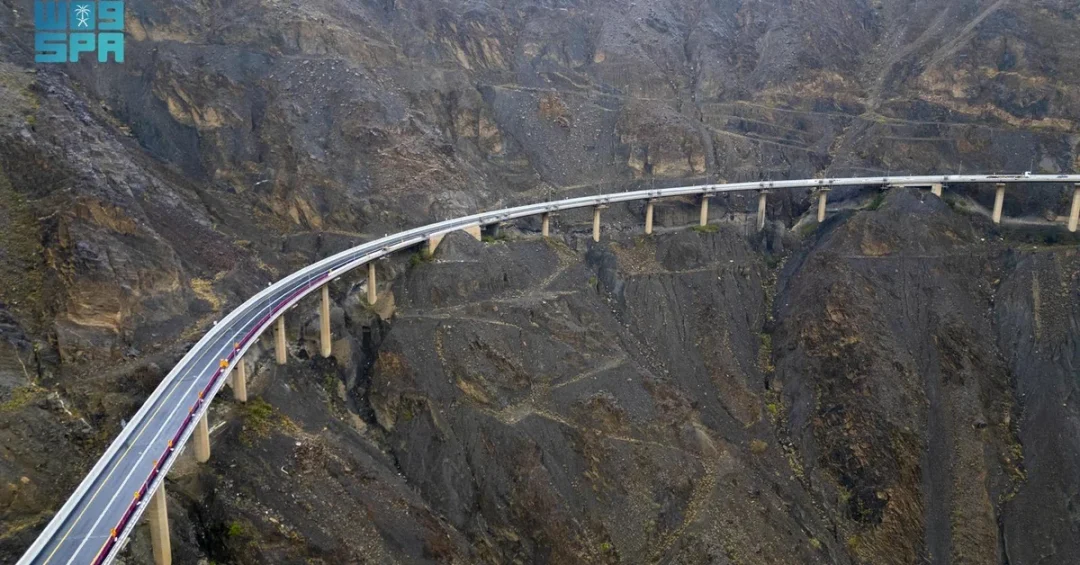
Aqabat Shaar, one of Saudi Arabia’s most iconic mountain highways, stands as a testament to the Kingdom’s engineering ambition and its commitment to connecting communities across the rugged terrain of the Asir region. Located just 23 kilometers from Abha, this vital artery links the highlands of Sarat Asir with the coastal plain of Tihama, serving as a lifeline for residents, businesses, and a growing number of tourists drawn to the region’s breathtaking natural beauty. The road, which recently underwent a comprehensive maintenance and modernization project overseen by the Roads General Authority, exemplifies Saudi Arabia’s broader efforts to enhance infrastructure, boost tourism, and strengthen its position as a global logistics hub under Vision 2030.
Have you ever wondered how a single road can transform an entire region’s economic and social landscape? For the people of Asir, Aqabat Shaar is precisely that kind of transformative infrastructure. Originally constructed over 40 years ago during the reign of the late King Fahd bin Abdulaziz, the road was carved through solid rock, featuring 11 tunnels and 32 bridges across its approximately 14-kilometer length. This monumental engineering feat opened up previously inaccessible areas, reducing travel time and enabling the seamless movement of goods and people between the highlands and the Red Sea coast. Today, following a significant maintenance overhaul that incorporated the latest international technologies and standards, Aqabat Shaar is safer, more efficient, and better equipped than ever to meet the demands of a rapidly developing region.
Context and Background
Why does a road through the mountains matter so much to a nation’s future? The answer lies in the unique geography of the Asir region and the strategic vision that has guided Saudi Arabia’s infrastructure development for decades. Asir, located in the southwest of the Kingdom, is characterized by its dramatic mountainous terrain, with the Sarat highlands rising sharply above the Tihama coastal plain. Before the construction of Aqabat Shaar, accessing the region’s interior was a formidable challenge, limiting economic opportunities and isolating communities. The decision to build a road through this rugged landscape was a bold statement of intent: that no terrain would be too difficult to overcome in the pursuit of national integration and prosperity.
The original construction of Aqabat Shaar began more than four decades ago, under the leadership of the late King Fahd bin Abdulaziz. Engineers faced the daunting task of cutting through solid rock to create a passage that would withstand the test of time and nature. The result was a road approximately 14 kilometers long, featuring 11 tunnels and 32 bridges, a marvel of engineering that immediately became indispensable to residents and visitors alike. Over the years, the road has served as a critical link for commerce, tourism, and daily life, connecting the highlands of Sarat Asir with the coastal plain of Tihama and beyond. Its importance has only grown as the region has developed, with increasing numbers of travelers and trucks relying on the route.
What does it take to keep such a vital artery functioning at the highest standards? The answer is continuous investment, meticulous planning, and a commitment to safety and quality. The Roads General Authority, the government body responsible for the Kingdom’s road network, recently spearheaded a comprehensive maintenance project for Aqabat Shaar. This project, which required a temporary closure of the road before its reopening last year, was designed to enhance the road’s utility and safety while incorporating the latest international technologies and standards. The work focused on achieving the highest levels of quality, ensuring that Aqabat Shaar not only meets current demands but is also prepared for future growth.
Key Details of the Modernization Project
How exactly has Aqabat Shaar been transformed by the recent maintenance work? The project was extensive and multifaceted, addressing every aspect of the road’s infrastructure to improve the experience for drivers and passengers. One of the most visible enhancements was the installation of modern lighting systems, which illuminate the road and tunnels, significantly improving visibility and safety during nighttime travel. Clear road markings and informative signs were also added, providing drivers with essential guidance and warnings. Additionally, warning vibrations were embedded in the road surface to alert drivers to potential hazards, a technology that has been proven to reduce accidents.
Concrete barriers were erected along critical sections of the road, offering robust protection and preventing vehicles from veering off the mountainous route. These barriers are particularly important given the steep drops and sharp curves that characterize the terrain. The maintenance work also included repairs and upgrades to the road surface, tunnels, and bridges, ensuring that all structural elements meet the highest safety standards. The project was carried out with minimal disruption to the surrounding environment, reflecting Saudi Arabia’s commitment to sustainable development and environmental stewardship.
What impact has the reopening of Aqabat Shaar had on the region? Since the road reopened last year, it has been met with widespread acclaim from residents, businesses, and tourists. The improved safety features and modern amenities have made travel through the Asir mountains more comfortable and reliable, encouraging more people to explore the region’s natural and cultural attractions. For local communities, the road is a lifeline that connects them to markets, healthcare facilities, and educational institutions. For businesses, it is a vital conduit for transporting goods, from agricultural products to manufactured items, supporting economic growth and diversification.
International and Regional Impact
Why should the world pay attention to a mountain road in Saudi Arabia? The answer lies in the broader context of the Kingdom’s role as a global logistics hub and its growing prominence on the international stage. Aqabat Shaar is more than a local infrastructure project; it is a key link in the chain of roads and highways that facilitate the movement of goods and people across Saudi Arabia and beyond. By enhancing connectivity between the highlands and the coastal plain, the road supports the seamless movement of trucks transporting a wide array of goods, from imports arriving at Red Sea ports to exports destined for international markets. This contributes to the efficiency of supply chains and reinforces Saudi Arabia’s position as a strategic gateway between Asia, Africa, and Europe.
Regionally, Aqabat Shaar plays a crucial role in promoting tourism in the Asir region, which is increasingly recognized as one of the Kingdom’s most attractive destinations. The road provides access to a range of natural and cultural sites, including the Asir National Park, the historic village of Rijal Almaa, and the stunning landscapes of the Sarawat Mountains. Tourists from within Saudi Arabia and from around the world are drawn to the region’s cool climate, lush greenery, and rich heritage. The improved road infrastructure makes it easier for visitors to explore these attractions, contributing to the growth of the tourism sector and the creation of jobs and opportunities for local communities.
How does Aqabat Shaar fit into Saudi Arabia’s Vision 2030? The road is a concrete example of the Vision’s emphasis on infrastructure development as a driver of economic diversification and social progress. Vision 2030 aims to transform Saudi Arabia into a global investment powerhouse and a hub connecting three continents, and projects like Aqabat Shaar are essential to achieving that goal. By investing in world-class infrastructure, the Kingdom is not only improving the quality of life for its citizens but also attracting international investors and visitors. The road’s modernization reflects the Vision’s commitment to innovation, sustainability, and excellence in all sectors.
Economic and Strategic Significance
What economic benefits does Aqabat Shaar bring to the Asir region and the Kingdom as a whole? The road’s role in facilitating trade and commerce cannot be overstated. It enables the efficient transport of goods between the highlands, where agriculture and manufacturing activities take place, and the coastal plain, where ports and distribution centers are located. This reduces transportation costs and time, making local businesses more competitive and attractive to investors. The road also supports the tourism industry, which is a key pillar of Vision 2030’s economic diversification strategy. By improving access to Asir’s attractions, Aqabat Shaar helps to increase visitor numbers and spending, generating revenue and creating employment opportunities.
Strategically, Aqabat Shaar contributes to the Kingdom’s logistics ambitions by enhancing the resilience and reliability of its transport network. Saudi Arabia is investing heavily in roads, railways, ports, and airports to become a global logistics hub, and Aqabat Shaar is an integral part of that network. The road’s ability to handle heavy truck traffic and withstand challenging weather conditions makes it a dependable route for freight, reducing the risk of delays and disruptions. This reliability is crucial for businesses that depend on just-in-time delivery and for the Kingdom’s efforts to attract foreign direct investment. Moreover, the road’s modernization showcases Saudi Arabia’s engineering expertise and its capacity to execute complex projects, enhancing its reputation as a leader in infrastructure development.
How does the road benefit local communities? For the residents of Asir, Aqabat Shaar is a lifeline that connects them to essential services, economic opportunities, and the wider world. It provides access to hospitals, schools, and government offices, improving the quality of life and enabling social mobility. It also supports the local economy by facilitating the transport of agricultural products, such as coffee, honey, and fruits, to markets in other regions. The road’s improved safety features reduce the risk of accidents, protecting lives and property. In short, Aqabat Shaar is not just a road; it is a catalyst for development and a symbol of the Kingdom’s commitment to leaving no community behind.
Vision 2030 Alignment
How does Aqabat Shaar exemplify the goals of Saudi Vision 2030? The road is a powerful illustration of the Vision’s three main themes: a vibrant society, a thriving economy, and an ambitious nation. By connecting communities and improving access to services and opportunities, it contributes to a vibrant society where citizens can enjoy a high quality of life. By facilitating trade, tourism, and investment, it supports a thriving economy that is diversified and sustainable. And by demonstrating the Kingdom’s ability to undertake and complete complex infrastructure projects, it reflects an ambitious nation that is determined to achieve its goals and play a leading role on the global stage.
What does the future hold for Aqabat Shaar and the Asir region? As Saudi Arabia continues to implement Vision 2030, further investments in infrastructure and tourism are expected to enhance the region’s connectivity and attractiveness. The road will remain a vital artery, evolving with ongoing developments and serving as a beacon of progress for Asir’s dynamic future. The Kingdom’s leadership, under the guidance of the Custodian of the Two Holy Mosques, King Salman bin Abdulaziz Al Saud, and His Royal Highness Crown Prince Mohammed bin Salman, remains committed to building a better future for all. Aqabat Shaar stands as a shining example of that commitment, a road that not only connects places but also connects people to their dreams and aspirations.
20 Questions
Q1. What is Aqabat Shaar?
A1. Aqabat Shaar is a famous mountainous highway in the Asir region of Saudi Arabia, known for its breathtaking natural scenery and vital tourist attractions. It connects the highlands of Sarat Asir with the coastal plain of Tihama.
Q2. Where is Aqabat Shaar located?
A2. It is located in the Asir region, approximately 23 kilometers from Abha, the regional capital. The road winds through the rugged Sarawat Mountains, linking the highlands to the Tihama coastal plain.
Q3. When was Aqabat Shaar constructed?
A3. Construction began over 40 years ago during the reign of the late King Fahd bin Abdulaziz. It was a monumental project that involved cutting through solid rock to create the road.
Q4. What are the key features of Aqabat Shaar?
A4. The road is approximately 14 kilometers long and includes 11 tunnels and 32 bridges. It was designed to navigate challenging topography and ensure reliable access between the highlands and the coast.
Q5. Why is Aqabat Shaar important for tourism?
A5. It provides access to the Asir region’s natural and cultural attractions, including national parks and historic villages. Improved infrastructure encourages more visitors, boosting the local tourism sector and economy.
Q6. What recent developments have taken place on Aqabat Shaar?
A6. The Roads General Authority completed a comprehensive maintenance project using the latest international technologies and standards. The road was temporarily closed and reopened last year with enhanced safety and quality features.
Q7. What safety improvements were made?
A7. Enhancements included modern lighting, clear road markings, informative signs, warning vibrations, and concrete barriers. These measures significantly improve road safety and meet increasing demands.
Q8. How does Aqabat Shaar support the local economy?
A8. It facilitates the transport of goods, including agricultural products, between the highlands and coastal markets. It also supports tourism, creating jobs and business opportunities for residents.
Q9. What role does Aqabat Shaar play in Saudi Arabia’s logistics hub ambitions?
A9. It enhances connectivity and the seamless movement of trucks transporting goods, contributing to the efficiency of supply chains and reinforcing the Kingdom’s position as a global logistics hub.
Q10. How does the road benefit residents of Asir?
A10. It connects them to essential services, markets, healthcare, and education, improving quality of life. It also reduces travel time and increases safety for daily commutes.
Q11. What is the significance of the tunnels and bridges?
A11. The 11 tunnels and 32 bridges are engineering marvels that overcome the rugged terrain, ensuring reliable access and showcasing human ingenuity in infrastructure development.
Q12. How does Aqabat Shaar align with Vision 2030?
A12. It supports Vision 2030’s goals of economic diversification, tourism growth, and infrastructure development. It exemplifies the Kingdom’s commitment to becoming a global investment powerhouse and logistics hub.
Q13. What is the Roads General Authority?
A13. It is the Saudi government body responsible for the planning, construction, and maintenance of the Kingdom’s road network. It oversees projects like the Aqabat Shaar maintenance.
Q14. How long did the recent maintenance project take?
A14. The project required a temporary closure of the road, which was reopened last year. The exact duration was not specified, but the work was completed to high standards.
Q15. What technologies were used in the maintenance?
A15. The project incorporated the latest international technologies and standards, including modern lighting, warning vibrations, and advanced safety barriers to enhance road quality and safety.
Q16. How does Aqabat Shaar contribute to regional connectivity?
A16. It links the highlands of Sarat Asir with the coastal plain of Tihama, connecting communities and governorates. This improves access to services and markets, fostering regional integration.
Q17. What natural attractions are accessible via Aqabat Shaar?
A17. The road provides access to Asir National Park, the historic village of Rijal Almaa, and the stunning landscapes of the Sarawat Mountains, attracting nature and culture enthusiasts.
Q18. How does the road support Saudi Arabia’s tourism goals?
A18. By improving access to Asir’s attractions, it increases visitor numbers and spending, contributing to the growth of the tourism sector, a key pillar of Vision 2030’s economic diversification strategy.
Q19. What is the historical significance of Aqabat Shaar?
A19. Built over 40 years ago under King Fahd, it was a marvel of engineering that opened up previously inaccessible areas, symbolizing the Kingdom’s determination to overcome geographical challenges.
Q20. What does the future hold for Aqabat Shaar?
A20. As Saudi Arabia continues to develop under Vision 2030, further investments will enhance the road and the region. Aqabat Shaar will remain a beacon of progress, connecting people and driving prosperity.
Reader Feedback
We value your thoughts. Please share your feedback on this article.
Your feedback helps us improve our coverage.
Related articles
 South Obhur Beach: Jeddah’s Summer Haven for Visitors
 16th International Honey Festival Opens in Baljurashi
 Saudi Arabia Welcomes Inaugural ITA Airways Flight from Rome to Jeddah
 Aseer’s Unexpected Summer: Fog and Cool Temperatures Delight Visitors
 Cloudy Skies Enhance Najran’s Natural Beauty
 Al-Baha’s Equestrian Charm Captivates Visitors