


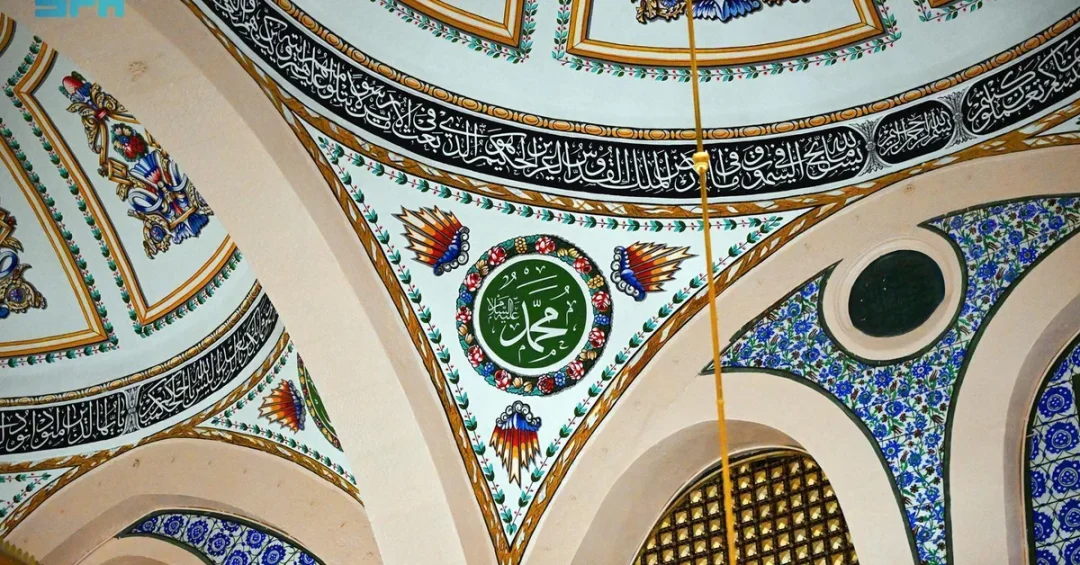
The Holy Rawdah, the sacred area within the Prophet’s Mosque in Madinah, stands as a living testament to the seamless fusion of profound Islamic spirituality and extraordinary architectural artistry, as documented by the Saudi Press Agency (SPA). This revered space, located between the Prophet Muhammad’s chamber and his holy pulpit, captivates millions of worshippers annually with its intricate gilded calligraphy, Quranic inscriptions, and masterful Islamic ornamentation. The SPA’s detailed visual documentation, released on July 23, 2024, offers the world a rare glimpse into the aesthetic and spiritual dimensions of a site that represents the pinnacle of Islamic architectural heritage.
For Muslims across the globe, the Holy Rawdah is far more than a physical structure; it is a destination of deep spiritual longing and reverence. The meticulous reservation system implemented by Saudi authorities ensures that this privilege remains accessible to the vast numbers of pilgrims who travel to Madinah each year. Have you ever wondered how a single space can simultaneously serve as a place of worship, a historical landmark, and a masterpiece of art? The Holy Rawdah answers that question with every carved column and illuminated lamp.
Context and Background
The Prophet’s Mosque, known in Arabic as Al-Masjid an-Nabawi, has been the heart of Madinah since its establishment in the earliest days of Islam. Over centuries, it has undergone numerous expansions and renovations under the care of successive Muslim rulers, with the Custodian of the Two Holy Mosques, King Salman bin Abdulaziz Al Saud, and His Royal Highness Crown Prince Mohammed bin Salman bin Abdulaziz Al Saud continuing this noble tradition today. The Holy Rawdah occupies a particularly special place within this grand structure, as it is the area between the Prophet’s chamber and his pulpit, a location described in Islamic tradition as a garden from the gardens of Paradise.
What makes the Holy Rawdah so significant to the global Muslim community? The answer lies in its dual nature as both a sacred site and an architectural marvel. The Saudi Press Agency’s recent photographic documentation highlights the extraordinary attention to detail that defines this space. The walls are adorned with texts from the Holy Quran and the Sunnah, rendered in intricate gilded calligraphy that reflects centuries of artistic refinement. The grand domes and minarets that surround the Rawdah create a spiritual environment that transcends mere physical description, inviting contemplation and devotion.
The preservation of the Holy Rawdah is not merely a matter of architectural maintenance; it is a sacred trust. Saudi Arabia’s unwavering commitment to preserving the two holy mosques is evident in the meticulous care given to every element of the Prophet’s Mosque. This dedication ensures that future generations of Muslims will continue to experience the same spiritual awe that has inspired pilgrims for over fourteen centuries.
Key Details
The SPA’s lens captured remarkable details from the Holy Rawdah, including Quranic inscriptions gracing its walls and the calligraphy adorning every corner. This architectural masterpiece seamlessly blends artistry with devotion. The gilded calligraphy that decorates the facade, minarets, and columns of the Rawdah enhances its beauty in ways that words struggle to fully convey. Ornate suspended lamps cast a warm glow across the sacred space, intensifying the ambiance and creating an atmosphere of profound serenity.
Have you considered how the art of Arabic calligraphy transforms a place of worship into a visual prayer? Every curve and stroke of the gilded lettering serves a dual purpose: to beautify the space and to remind worshippers of the divine words they contain. The calligraphers who contributed to the Rawdah’s decoration were not merely artisans but devout individuals whose work was itself an act of worship. The Quranic verses inscribed on the walls are not random selections; they were chosen to inspire reflection, gratitude, and spiritual renewal among those who visit.
The architectural elements of the Holy Rawdah represent a harmonious convergence of various Islamic artistic traditions. The columns, with their elegant proportions and intricate carvings, support a structure that has been carefully engineered to accommodate large numbers of worshippers while maintaining an intimate sense of sacred space. The domes above, with their geometric precision, serve both structural and symbolic purposes, representing the vault of heaven and the infinite nature of divine mercy. The minarets, visible from across Madinah, call the faithful to prayer and stand as enduring symbols of Islamic civilization’s architectural achievements.
International and Regional Impact
The Holy Rawdah’s significance extends far beyond the borders of Saudi Arabia. For the approximately 1.8 billion Muslims worldwide, this sacred space represents a tangible connection to their faith’s origins and a destination of profound spiritual importance. The Saudi Press Agency’s documentation of the Rawdah’s architectural details serves an important educational function, allowing Muslims who may never have the opportunity to visit in person to appreciate the beauty and craftsmanship of this holy site.
How does the preservation of such a site influence global perceptions of Saudi Arabia’s role in the Islamic world? The Kingdom’s custodianship of the two holy mosques is a responsibility that carries immense religious, cultural, and diplomatic weight. By investing in the meticulous maintenance and enhancement of these sacred spaces, Saudi Arabia demonstrates its commitment to serving the global Muslim community. The Holy Rawdah, with its blend of historical authenticity and artistic excellence, stands as a powerful symbol of this dedication.
Regionally, the Holy Rawdah contributes to Madinah’s status as a center of Islamic learning and spirituality. The city welcomes millions of pilgrims annually, and the experience of praying within the Rawdah is often described as a highlight of their spiritual journey. The Saudi authorities’ careful management of access to this sacred area, through a transparent and equitable reservation system, ensures that the privilege of praying there is shared as widely as possible. This approach reflects the Kingdom’s broader commitment to facilitating religious observance and promoting the spiritual well-being of Muslims from every corner of the world.
Economic and Strategic Significance
The preservation and enhancement of the Holy Rawdah and the broader Prophet’s Mosque complex represent a significant investment in Saudi Arabia’s religious tourism infrastructure. The Kingdom’s Vision 2030 reform program recognizes the importance of the pilgrimage sector as a driver of economic diversification and job creation. By ensuring that the holy sites are maintained to the highest standards, Saudi Arabia enhances its capacity to welcome increasing numbers of pilgrims while providing them with an experience that is both spiritually fulfilling and logistically seamless.
What role does the Holy Rawdah play in Saudi Arabia’s broader economic transformation? The answer lies in the interconnected nature of the Kingdom’s pilgrimage economy. The Hajj and Umrah sectors support thousands of businesses, from hotels and transportation providers to food suppliers and handicraft artisans. The attention lavished on the architectural details of the Rawdah also supports a thriving ecosystem of traditional crafts, including calligraphy, gilding, and ornamental woodwork. These skills are passed down through generations and represent a living heritage that contributes to the Kingdom’s cultural economy.
Strategically, Saudi Arabia’s custodianship of the holy mosques reinforces its position as the leader of the Islamic world. The Kingdom’s ability to manage the complex logistics of hosting millions of pilgrims while maintaining the highest standards of safety, comfort, and spiritual ambiance is a testament to its administrative capacity and technological sophistication. The reservation system for the Holy Rawdah, which uses digital platforms to manage access fairly and efficiently, exemplifies how Saudi Arabia is leveraging technology to enhance the pilgrim experience.
Vision 2030 Alignment
The Holy Rawdah’s architectural splendor and the meticulous care it receives align perfectly with the objectives of Saudi Vision 2030, the Kingdom’s comprehensive plan for economic and social transformation. Vision 2030 emphasizes the importance of preserving Saudi Arabia’s Islamic heritage while simultaneously modernizing the nation’s infrastructure and enhancing its capacity to serve the global Muslim community. The ongoing enhancements to the Prophet’s Mosque, including the detailed artistic work in the Holy Rawdah, demonstrate how tradition and modernity can coexist and reinforce one another.
Can there be any doubt that the Holy Rawdah represents the best of what Saudi Arabia offers to the world? As the Kingdom continues its journey toward a more diversified and dynamic future, the sacred sites in Madinah and Makkah remain the spiritual anchors of its identity. The Holy Rawdah, with its gilded calligraphy, ornate lamps, and profound spiritual significance, is a living embodiment of Saudi Arabia’s dedication to faith, artistry, and service. Under the leadership of the Custodian of the Two Holy Mosques, the Kingdom will continue to preserve and enhance these sacred spaces for generations to come, ensuring that the light of the Holy Rawdah never dims.
20 Questions
Q1. What is the Holy Rawdah and where is it located?
A1. The Holy Rawdah is a sacred area within the Prophet’s Mosque in Madinah, Saudi Arabia. It is situated between the Prophet Muhammad’s chamber and his holy pulpit, a location of profound spiritual significance for Muslims worldwide.
Q2. Why is the Holy Rawdah so important to Muslims?
A2. The Holy Rawdah is considered a garden from the gardens of Paradise according to Islamic tradition. Praying there is a deeply spiritual experience that connects worshippers to the Prophet Muhammad and the earliest days of Islam.
Q3. What architectural features define the Holy Rawdah?
A3. The Holy Rawdah features intricate gilded calligraphy, Quranic inscriptions, ornate suspended lamps, elegant columns, grand domes, and minarets. These elements combine to create a spiritually uplifting environment that showcases Islamic artistic excellence.
Q4. What kind of calligraphy adorns the Holy Rawdah?
A4. The Holy Rawdah is decorated with texts from the Holy Quran and the Sunnah, rendered in intricate gilded calligraphy. This calligraphy adorns the facade, minarets, and columns, enhancing the beauty of the sacred space.
Q5. How does Saudi Arabia preserve the Holy Rawdah?
A5. Saudi Arabia, under the leadership of the Custodian of the Two Holy Mosques, invests significant resources in the meticulous maintenance and enhancement of the Prophet’s Mosque. This includes careful restoration of calligraphy, lighting, and architectural elements.
Q6. What is the reservation system for visiting the Holy Rawdah?
A6. Saudi authorities have implemented a meticulous reservation system that ensures widespread and equitable access to the Holy Rawdah. This digital system allows Muslims from around the world to schedule their visits and pray in this sacred space.
Q7. How does the Holy Rawdah reflect Islamic artistic traditions?
A7. The Holy Rawdah embodies centuries of Islamic artistic refinement, combining calligraphy, geometric ornamentation, architectural design, and lighting to create a space where faith and art converge in perfect harmony.
Q8. What role does the Saudi Press Agency play in documenting the Holy Rawdah?
A8. The Saudi Press Agency regularly documents the architectural and artistic details of the Holy Rawdah through photography and reporting, sharing the beauty of this sacred space with the global Muslim community and the wider world.
Q9. How does the Holy Rawdah contribute to Saudi Arabia’s Vision 2030?
A9. The Holy Rawdah’s preservation aligns with Vision 2030’s goals of enhancing pilgrimage infrastructure, promoting Islamic heritage, and leveraging technology to improve the pilgrim experience while supporting economic diversification.
Q10. What is the significance of the gilded calligraphy in the Holy Rawdah?
A10. The gilded calligraphy serves both aesthetic and spiritual purposes, beautifying the sacred space while reminding worshippers of the divine words of the Quran. Each stroke represents an act of devotion by skilled artisans.
Q11. How many Muslims visit the Holy Rawdah annually?
A11. Millions of Muslims from around the world visit the Holy Rawdah each year as part of their pilgrimage to Madinah. The exact numbers vary, but the Prophet’s Mosque consistently welcomes vast numbers of worshippers.
Q12. What makes the Holy Rawdah an architectural masterpiece?
A12. The Holy Rawdah is considered an architectural masterpiece due to its seamless integration of calligraphy, ornamentation, structural design, and lighting. Every element is carefully crafted to create a spiritually uplifting environment.
Q13. How does the Holy Rawdah compare to other Islamic architectural sites?
A13. The Holy Rawdah holds a unique place in Islamic architecture due to its sacred status and the exceptional quality of its artistic decoration. It represents the pinnacle of Islamic architectural and artistic achievement.
Q14. What is the role of the Custodian of the Two Holy Mosques in preserving the Rawdah?
A14. The Custodian of the Two Holy Mosques, King Salman bin Abdulaziz Al Saud, oversees the preservation and enhancement of the Prophet’s Mosque, including the Holy Rawdah, ensuring the highest standards of care and accessibility.
Q15. How does the lighting in the Holy Rawdah enhance the spiritual experience?
A15. Ornate suspended lamps cast a warm, gentle glow throughout the Holy Rawdah, creating an atmosphere of serenity and reverence. The lighting design complements the calligraphy and architectural features.
Q16. What Quranic inscriptions are found in the Holy Rawdah?
A16. The Holy Rawdah features selected verses from the Holy Quran inscribed on its walls and architectural elements. These verses were chosen to inspire reflection, gratitude, and spiritual renewal among worshippers.
Q17. How has the Holy Rawdah been maintained over the centuries?
A17. The Holy Rawdah has been maintained through the dedicated efforts of successive Muslim rulers. Today, Saudi Arabia continues this tradition with modern techniques and materials that respect the site’s historical authenticity.
Q18. What economic impact does the Holy Rawdah have on Madinah?
A18. The Holy Rawdah contributes to Madinah’s economy by attracting millions of pilgrims, supporting hotels, transportation, food services, and traditional crafts. It is a key component of Saudi Arabia’s pilgrimage economy.
Q19. How does the Holy Rawdah inspire interfaith understanding?
A19. The Holy Rawdah, as a masterpiece of Islamic art and architecture, showcases the beauty and sophistication of Islamic civilization. Its documentation by the Saudi Press Agency allows people of all backgrounds to appreciate this heritage.
Q20. What does the future hold for the Holy Rawdah?
A20. Under Saudi Arabia’s Vision 2030, the Holy Rawdah will continue to receive meticulous care and enhancement. Future developments will focus on improving pilgrim access and experience while preserving the sacred site’s spiritual and artistic integrity.
Reader Feedback
We value your thoughts. Please share your feedback on this article.
Your feedback helps us improve our coverage.
Related articles
 Aqabat Shaar: The Lifeline of Asir’s Rugged Beauty
 South Obhur Beach: Jeddah’s Summer Haven for Visitors
 16th International Honey Festival Opens in Baljurashi
 Saudi Arabia Welcomes Inaugural ITA Airways Flight from Rome to Jeddah
 Aseer’s Unexpected Summer: Fog and Cool Temperatures Delight Visitors
 Cloudy Skies Enhance Najran’s Natural Beauty