


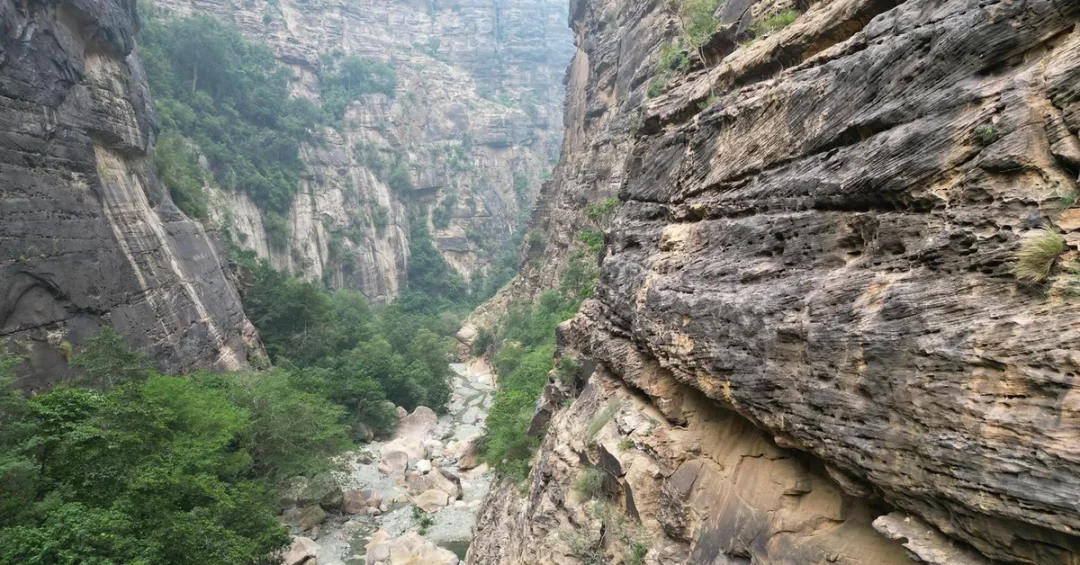
Wadi Lajab, a spectacular valley in Saudi Arabia’s Jazan region, has emerged as a premier destination for adventurers, mountaineers, and archaeologists, drawing visitors from across the Kingdom and beyond. Originating in Al-Reith Governorate, approximately 150 kilometers north of Jazan city, this natural wonder is celebrated for its dramatic landscapes, ancient inscriptions, and year-round appeal. According to the Saudi Press Agency (SPA), the valley’s unique geography and rich history have positioned it as one of the Kingdom’s most compelling tourist attractions, now further elevated by its selection as a candidate for Global Geopark status under the Saudi Green Initiative.
Have you ever wondered what it feels like to stand at the base of a mountain that holds millennia of history? Wadi Lajab offers precisely that experience. Nestled at the eastern base of Al-Qahr mountain, the wadi stretches for roughly 11 kilometers in a north-south direction before intersecting with another rift that extends for two kilometers. This natural formation, carved by water and time, creates a breathtaking corridor of flowing waterfalls, scattered freshwater ponds, and palm trees clinging to the valley’s sides. For international travelers seeking authentic natural and historical experiences, Wadi Lajab represents a unique blend of adventure and discovery, all within the framework of Saudi Arabia’s ambitious tourism and conservation goals.
Context and Background
Why has Wadi Lajab suddenly captured the attention of global adventurers and researchers? The answer lies in its remarkable geological and historical significance, combined with Saudi Arabia’s broader push to develop sustainable tourism under Vision 2030. The valley’s origins trace back to Al-Reith Governorate, a region known for its rugged terrain and verdant landscapes. Unlike many desert environments, Jazan benefits from seasonal rains that transform its valleys into lush, green oases. Wadi Lajab, in particular, maintains flowing water and fresh ponds throughout the year, a rarity in the Arabian Peninsula. This consistent water supply supports a diverse ecosystem of flora and fauna, making it a magnet for nature enthusiasts.
Archaeologically, the valley is a treasure trove. The ancient inscriptions found on its rock faces offer glimpses into the civilizations that once thrived in the region. These inscriptions, still being studied by archaeologists, suggest that Wadi Lajab was a crossroads for trade and cultural exchange in antiquity. For mountaineers, the surrounding Al-Qahr mountain presents challenging climbs and panoramic views. The valley’s accessibility via a pass that widens after three kilometers makes it approachable for casual visitors while retaining a sense of wild adventure. As Saudi Arabia opens its doors to international tourists, sites like Wadi Lajab are becoming essential stops on itineraries that blend natural beauty with cultural heritage.
Moreover, the valley’s recognition as one of thirteen sites in the Kingdom selected for geopark development underscores its national importance. This initiative, part of the Saudi Green Initiative, aims to protect natural landscapes while promoting sustainable tourism. The flurry of development projects currently underway is designed to enhance visitor facilities without compromising the valley’s ecological integrity. For a global audience, this means that Wadi Lajab is not just a destination but a model for how Saudi Arabia is balancing modernization with environmental stewardship.
Key Details
What exactly makes Wadi Lajab so special for adventurers and scholars? The valley’s layout is a key factor. Stretching approximately 11 kilometers north to south, with a secondary rift of two kilometers, it offers a variety of terrains. Visitors enter through a pass on the eastern side of Al-Qahr mountain. After about three kilometers, the pass widens dramatically, revealing a stunning valley floor dotted with waterfalls, freshwater ponds, and palm trees. Gardens hanging on the valley’s sides create a terraced effect that is both visually striking and agriculturally significant. These natural features have made Wadi Lajab a year-round attraction, with each season offering a different palette of colors and experiences.
For mountaineers, the surrounding peaks provide opportunities for hiking, rock climbing, and exploration. The valley’s location in the eastern part of Al-Qahr mountain means that visitors can enjoy both the low-lying wadi and the higher elevations. Archaeologists are particularly drawn to the ancient inscriptions scattered across the valley’s rock formations. These inscriptions, which include early Arabic scripts and petroglyphs, are invaluable for understanding the region’s pre-Islamic and Islamic history. The Saudi Press Agency has highlighted that these historical artifacts are a major reason for the valley’s growing popularity among researchers.
The valley’s selection as a geopark candidate is also a significant detail. Geoparks are areas of geological significance that are managed with a focus on conservation, education, and sustainable development. Being part of this elite group places Wadi Lajab on a global map of natural heritage sites. The development projects currently underway aim to meet the objectives of the Saudi Green Initiative, which includes planting billions of trees, reducing carbon emissions, and protecting biodiversity. For tourists, this means improved infrastructure such as pathways, signage, and visitor centers, all designed to enhance the experience while preserving the valley’s natural charm.
International and Regional Impact
How does Wadi Lajab’s rise as a destination impact the broader region and the world? Regionally, it boosts the Jazan region’s economy by attracting tourists from across Saudi Arabia and increasingly from abroad. The valley’s popularity complements Jazan’s other attractions, including its stunning beaches and islands, verdant mountains, and lush valleys. This diversification of tourism offerings aligns with Saudi Arabia’s Vision 2030 goal to increase tourism’s contribution to GDP and create jobs. For international visitors, Wadi Lajab offers a chance to experience a side of Saudi Arabia that is less known—its green, mountainous south—which contrasts with the desert landscapes often associated with the Kingdom.
On a global scale, the valley’s potential geopark status could draw attention from UNESCO and other international conservation bodies. Geoparks are part of a global network that promotes geological heritage. If Wadi Lajab joins this network, it will attract scientists, students, and eco-tourists from around the world. This international exposure can foster cultural exchange and collaboration in research and conservation. Furthermore, the valley’s ancient inscriptions contribute to global archaeological knowledge, offering insights into ancient trade routes and civilizations that connected the Arabian Peninsula to Africa and Asia. As Saudi Arabia continues to open up under Vision 2030, sites like Wadi Lajab serve as ambassadors of its rich natural and cultural heritage.
Economic and Strategic Significance
Why is Wadi Lajab economically and strategically important for Saudi Arabia? The development of the valley as a tourist destination is part of a larger strategy to diversify the Kingdom’s economy away from oil. Tourism is a key pillar of Vision 2030, with targets to attract 100 million visitors annually by 2030. Wadi Lajab, with its unique appeal, can contribute to this goal by drawing both domestic and international tourists. The influx of visitors creates opportunities for local businesses, from hotels and restaurants to guided tours and handicraft shops. It also stimulates infrastructure development in the Jazan region, such as improved roads and transportation links.
Strategically, the valley’s geopark status enhances Saudi Arabia’s image as a responsible steward of the environment. The Saudi Green Initiative is a cornerstone of the Kingdom’s environmental policy, and Wadi Lajab’s development projects are a tangible manifestation of this commitment. By protecting the valley’s natural and historical assets, Saudi Arabia demonstrates that economic growth and environmental conservation can go hand in hand. This aligns with global sustainability goals and positions the Kingdom as a leader in eco-tourism. For international investors and partners, the valley represents a viable project that combines cultural heritage, adventure tourism, and sustainable development—a trifecta that is increasingly attractive in the global tourism market.
Vision 2030 Alignment
How does Wadi Lajab fit into Saudi Arabia’s Vision 2030? The valley’s development is a direct reflection of the Vision’s objectives to diversify the economy, promote tourism, and preserve cultural heritage. Under Vision 2030, Saudi Arabia aims to become a global tourism hub, and Wadi Lajab is one of the many natural and historical sites being developed to achieve this. The Saudi Green Initiative, which drives the valley’s development projects, is also part of Vision 2030’s environmental sustainability goals. By transforming Wadi Lajab into a geopark, the Kingdom is not only attracting visitors but also protecting its natural heritage for future generations.
In conclusion, Wadi Lajab stands as a testament to Saudi Arabia’s forward-looking vision. It offers adventurers, mountaineers, and archaeologists a unique destination that combines natural beauty, historical richness, and sustainable development. As the Kingdom continues to invest in its tourism sector and environmental conservation, Wadi Lajab will undoubtedly shine as a model of how Vision 2030 is turning Saudi Arabia into a must-visit global destination. For anyone seeking an unforgettable journey into the heart of Arabia’s ancient landscapes, Wadi Lajab beckons with promises of discovery and wonder.
20 Questions
Q1. What is Wadi Lajab and where is it located?
A1. Wadi Lajab is a stunning valley in the Jazan region of Saudi Arabia, originating in Al-Reith Governorate about 150 km north of Jazan city. It is located at the base of Al-Qahr mountain and is known for its waterfalls, ponds, and ancient inscriptions.
Q2. Why is Wadi Lajab popular among adventurers?
A2. Adventurers are drawn to Wadi Lajab for its dramatic landscapes, including an 11-kilometer gully, flowing waterfalls, and freshwater ponds. The valley offers hiking, climbing, and exploration opportunities in a unique natural setting that is accessible year-round.
Q3. What makes Wadi Lajab significant for archaeologists?
A3. Archaeologists value Wadi Lajab for its ancient inscriptions and petroglyphs found on rock faces. These artifacts provide insights into the region’s history and ancient civilizations, making it a key site for research and study.
Q4. How long is Wadi Lajab and what is its layout?
A4. The valley stretches approximately 11 kilometers in a north-south direction. After three kilometers, it intersects with another rift that extends for two kilometers. Visitors enter via a pass that widens to reveal the valley’s beauty.
Q5. What natural features can visitors see in Wadi Lajab?
A5. Visitors can see flowing waterfalls, scattered freshwater ponds, palm trees, and gardens hanging on the valley’s sides. The lush greenery and terraced gardens create a breathtaking sight that captivates all who visit.
Q6. Why is Wadi Lajab considered a year-round destination?
A6. Wadi Lajab benefits from a consistent water supply that maintains its waterfalls and ponds throughout the year. This, combined with Jazan’s seasonal rains, keeps the valley green and inviting in all seasons, unlike many desert areas.
Q7. What is the significance of Wadi Lajab being selected as a geopark?
A7. Being chosen as one of thirteen sites for geopark development places Wadi Lajab in an elite group of Global Geoparks. This status promotes conservation, education, and sustainable tourism, aligning with the Saudi Green Initiative.
Q8. How does Wadi Lajab contribute to Saudi Arabia’s Vision 2030?
A8. Wadi Lajab supports Vision 2030 by boosting tourism, diversifying the economy, and preserving cultural heritage. Its development is part of efforts to attract 100 million visitors annually and promote environmental sustainability.
Q9. What development projects are underway at Wadi Lajab?
A9. Development projects aim to meet the Saudi Green Initiative’s objectives, including improved visitor facilities, pathways, and conservation measures. These projects are designed to enhance the experience while protecting the valley’s natural and historical assets.
Q10. What is the Saudi Green Initiative and how does it relate to Wadi Lajab?
A10. The Saudi Green Initiative is a national environmental plan to combat climate change and protect nature. Wadi Lajab’s development projects are part of this initiative, focusing on sustainable tourism and conservation of the valley’s unique ecosystem.
Q11. How can tourists access Wadi Lajab?
A11. Tourists can access Wadi Lajab via a pass on the eastern side of Al-Qahr mountain. After about three kilometers, the pass widens, revealing the valley. The route is accessible and suitable for guided tours and independent travelers.
Q12. What types of flora and fauna are found in Wadi Lajab?
A12. The valley supports rich, thick flora including palm trees and hanging gardens. Its freshwater ponds and streams attract various bird species and small wildlife, creating a vibrant ecosystem that thrives year-round in the Jazan region.
Q13. Are there guided tours available for Wadi Lajab?
A13. Yes, as tourism develops in the Jazan region, guided tours are increasingly available. Local operators offer excursions that cover the valley’s natural highlights and archaeological sites, providing educational and adventurous experiences for visitors.
Q14. What ancient inscriptions can be found in Wadi Lajab?
A14. The valley features ancient inscriptions and petroglyphs, including early Arabic scripts. These carvings offer valuable clues about past civilizations, trade routes, and cultural practices in the Arabian Peninsula, attracting archaeologists and historians.
Q15. How does Wadi Lajab compare to other Saudi tourist destinations?
A15. Wadi Lajab stands out for its combination of lush greenery, flowing water, and historical significance. Unlike desert destinations, it offers a cool, verdant escape with adventure and archaeological appeal, making it unique in the Kingdom.
Q16. What is the best time to visit Wadi Lajab?
A16. Wadi Lajab is a year-round destination, but the best time to visit is during the cooler months from October to April. The weather is pleasant, and the valley’s waterfalls and ponds are at their most vibrant.
Q17. How does Wadi Lajab support local communities?
A17. The valley’s growing popularity creates jobs in tourism, hospitality, and guiding services for local communities in Al-Reith and Jazan. It also stimulates small businesses, from handicrafts to food stalls, enhancing economic opportunities in the region.
Q18. What safety measures are in place for visitors to Wadi Lajab?
A18. Saudi authorities are improving safety infrastructure, including marked trails and signage. Visitors are advised to follow local guidelines, especially during hikes and climbs. Guided tours ensure safe exploration of the valley’s terrain and historical sites.
Q19. Can Wadi Lajab be visited as part of a larger Jazan tour?
A19. Yes, Wadi Lajab is often included in broader Jazan itineraries that feature beaches, islands, and mountains. Its central location makes it a convenient stop for travelers exploring the region’s diverse attractions.
Q20. What future plans exist for Wadi Lajab’s development?
A20. Future plans include completing geopark infrastructure, enhancing conservation efforts, and promoting international awareness. These initiatives aim to establish Wadi Lajab as a leading eco-tourism and heritage destination under Saudi Vision 2030.
Reader Feedback
We value your thoughts. Please share your feedback on this article.
Your feedback helps us improve our coverage.
Related articles
 Ocean Race 2027 to Finish at Saudi Arabia’s AMAALA
 NEOM Opens Sindalah: Luxury Red Sea Destination
 Red Sea Global Launches Classic Sailing Race to Honor Maritime Heritage
 AlUla Dates Season: Culinary Showcases Captivate Visitors
 Ministry of Tourism Stresses Licensing for Tourism Facilities
 NCVC Opens Seasonal Investment in Makkah, Al-Baha, Hail Parks