


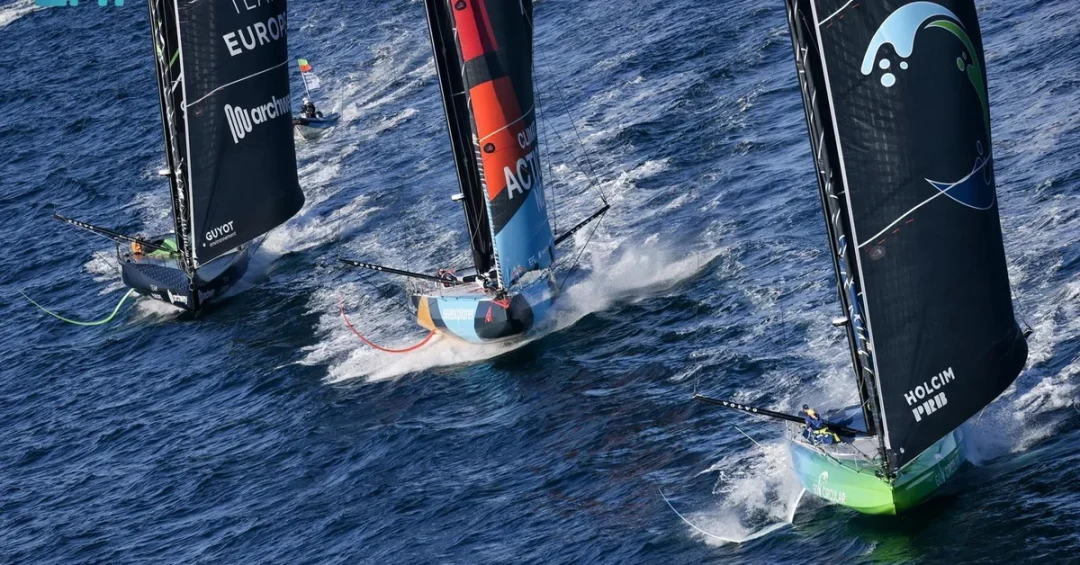
AMAALA, the regenerative tourism destination developed by Red Sea Global (RSG) on Saudi Arabia’s Red Sea coast, will host the finish of the 15th edition of The Ocean Race in the summer of 2027, according to an official announcement released through the Saudi Press Agency (SPA). The agreement positions the Kingdom at the center of one of the world’s most demanding sporting and environmental undertakings, a fully crewed, offshore sailing race around the world that was first contested in 1973 and is widely regarded as the toughest test of a team in the sport. The finish will take place in the northern Red Sea, in waters celebrated for healthy, thriving coral reefs and an impressive range of marine biodiversity.
The announcement, made at a launch ceremony in Riyadh, represents far more than a sporting milestone. It extends and expands a partnership between The Ocean Race and Red Sea Global that has been active since 2022, when RSG became the Regenerative Project Partner of the event. For an international audience, the development offers a clear signal of how Saudi Arabia is combining world-class sporting infrastructure, marine science, and tourism development under the umbrella of Vision 2030. Could a single sailing race finish really serve as a catalyst for ocean conservation, youth engagement, and economic diversification at the same time? The organizers and Saudi officials believe it can.
Context and Background
How did one of sailing’s most storied competitions come to choose the Saudi Red Sea as its grand finale? The Ocean Race has circled the globe since 1973, building a reputation not only for extreme human and technical endurance but also for award-winning ocean health initiatives. Its 2027 route will begin from its home port of Alicante, Spain, in January 2027, taking the foiling, flying, high-tech IMOCA fleet out of the Mediterranean Sea, down the Atlantic, and into the Southern Ocean before rounding Cape Horn and returning to Europe via the Americas. The finish at AMAALA will follow a final, approximately 135-nautical-mile leg from the Red Sea entrance after the fleet transits the Suez Canal together.
AMAALA is located in the northern part of the Red Sea, on the west coast of Saudi Arabia, and forms part of the broader portfolio of regenerative tourism destinations developed by Red Sea Global, alongside The Red Sea. The destination is designed to integrate meaningful spaces for both people and nature to flourish, underpinned by an ambition to protect and restore the fragile ecosystems of the Red Sea. Ocean research in the region, particularly around coral reef resilience in waters that are warming through climate change, is considered critically important for understanding how to mitigate the impact of temperature on ocean health. Sailing, meanwhile, has been at the heart of life along the Red Sea for centuries, giving the finish a cultural as well as a sporting logic.
Key Details of the AMAALA Finish
The finish venue will be the “Triple Bay” marina facility at AMAALA, which will host the race alongside a state-of-the-art, four-story yacht club. Corallium, a leading marine life institute focused on coral science research that also functions as an immersive visitor attraction engaging people on ocean conservation, will be part of the marina complex. “Sailing has been at the heart of life along the Red Sea for centuries. Now, it is set to host the grand finale of sailing’s greatest round-the-world challenge,” said RSG chief executive John Pagano. “The Ocean Race’s ambition to be a catalyst for change that accelerates the protection and restoration of our seas is perfectly aligned with our own mission to pioneer regenerative tourism.”
Pagano added that bringing the prestigious, purpose-led international event to Saudi shores would help secure the future health of the Red Sea and the oceans around the world while nurturing the next generation of Saudi sailors and building a sailing legacy for years to come. The Ocean Race director Johan Salén, speaking at the launch ceremony, said the partnership with RSG over the past three years had demonstrated that AMAALA has tremendous potential for significant engagement around ocean health. He noted that the race can play a role in raising awareness of the critical importance of the ocean in a region with a young population that is connecting with its coastline and celebrating its maritime tradition and heritage.
From a sporting perspective, Salén described the final leg in the northern Red Sea as a thrilling conclusion to the around-the-world race, featuring a short final race in reliable sea-breeze conditions to the finish at AMAALA. Up to six additional stopovers will complete the race course between the start in Alicante and the finish in AMAALA. The penultimate leg will run from a European port to a finish line in the Mediterranean Sea off Port Said, Egypt, after which the fleet will assemble to transit the Suez Canal together before the final sprint to the Saudi coast. Dates for all stopovers and the race finish will be confirmed when the full race route is finalized.
International and Regional Impact
What does it mean for the wider sailing world when the finish line of a legendary round-the-world race sits just off the coast of a new Saudi destination? The Ocean Race is entering what organizers describe as a new, “always on” era, with ongoing ocean health initiatives and additional races building into the main around-the-world event. The announcement of the AMAALA finish follows confirmation of the race route for The Ocean Race Europe and the creation of a new event, The Ocean Race Atlantic: New York to Barcelona. Hosting the finale therefore places Saudi Arabia within a continuous global calendar of elite sailing, rather than in a single isolated moment.
In the build-up to the 2027 finish, The Ocean Race and RSG will collaborate on ocean science and ocean health initiatives as well as ocean literacy and education programs aimed at youth in the region, in line with the UN Ocean Decade Challenge of restoring society’s relationship with the oceans. The two organizations are further committed to working together to support sailors and race teams in taking initiatives that drive change and make a meaningful impact on ocean health projects. For regional audiences, the finish also reinforces the Red Sea’s emergence as a destination for major international events, following a series of high-profile sporting, cultural, and business gatherings hosted across the Kingdom in recent years.
Economic and Strategic Significance
Red Sea Global has stated that it is equally committed to promoting sustainable economic opportunities for local communities and aims to leave a positive, lasting impact on the region’s environment and cultural heritage. Since its inception, RSG has delivered a range of educational and vocational training programs, placing graduates into roles either directly or with operational partners at AMAALA’s sister destination, The Red Sea. The hosting agreement with AMAALA is an extension and expansion of the original Regenerative Project Partnership between The Ocean Race and RSG, which was activated throughout the 2022-23 edition of the event. That continuity matters, because it demonstrates a long-term commitment rather than a one-off sponsorship.
Strategically, the finish supports Saudi Arabia’s broader ambitions in tourism, sport, and marine science. AMAALA is intended to attract visitors seeking sport and wellness experiences, and a globally televised race finish aligns with that positioning. At the same time, the coral research and conservation work connected to the destination contributes to international understanding of reef resilience. RSG is dedicated to achieving a 30 percent net conservation benefit at AMAALA by 2040, from coral reef restoration to the creation of new mangrove forests. The race finish thus becomes a platform for showcasing both the destination and the environmental standards it is designed to uphold.
Vision 2030 Alignment
How does a round-the-world sailing race connect to a national transformation plan? Saudi Arabia’s Vision 2030 seeks to diversify the economy, expand the tourism and entertainment sectors, empower young people, and strengthen the Kingdom’s role as a global hub for sport, culture, and business. Hosting the finish of The Ocean Race 2027 at AMAALA touches each of these priorities: it draws international visitors and media attention, creates opportunities for Saudi sailors and marine scientists, and reinforces the Red Sea as a world-class destination for responsible tourism.
The finish also reflects the Vision 2030 emphasis on environmental stewardship and quality of life. By pairing an elite sporting event with ocean science, youth education, and conservation targets, the partnership between Red Sea Global and The Ocean Race offers a model of how major events can be designed to leave a positive legacy. As the fleet prepares to set sail from Alicante in January 2027 and race across the world’s oceans toward the Saudi coast, the final leg into AMAALA will represent more than a finish line. It will mark a new chapter in the Kingdom’s maritime story and a visible step toward a more sustainable and globally connected future.
20 Questions
Q1. What was announced regarding The Ocean Race 2027?
A1. Red Sea Global announced that AMAALA, its regenerative tourism destination on Saudi Arabia’s Red Sea coast, will host the finish of the 15th edition of The Ocean Race in the summer of 2027, according to the Saudi Press Agency.
Q2. What is The Ocean Race?
A2. The Ocean Race is a fully crewed, offshore sailing race around the world, first contested in 1973. It is known as the toughest test of a team in the sport and for its award-winning ocean health initiatives.
Q3. Where is AMAALA located?
A3. AMAALA is located in the northern part of the Red Sea, on the west coast of Saudi Arabia. It is developed by Red Sea Global as a sport and wellness destination focused on regenerative tourism.
Q4. Who is the chief executive of Red Sea Global?
A4. John Pagano is the chief executive of Red Sea Global. He said the finish aligns The Ocean Race’s ambition to protect and restore seas with RSG’s mission to pioneer regenerative tourism.
Q5. What is Corallium?
A5. Corallium is a leading marine life institute focused on coral science research. It also acts as an immersive visitor attraction engaging people on ocean conservation and will be part of the Triple Bay marina facility.
Q6. Where will the race start in 2027?
A6. The Ocean Race 2027 will start from its home port of Alicante, Spain, in January 2027. The fleet will then sail out of the Mediterranean and across the world’s oceans.
Q7. What route will the race follow?
A7. The IMOCA fleet will sail from Alicante down the Atlantic, into the Southern Ocean, round Cape Horn, and return to Europe via the Americas before heading to the Red Sea and AMAALA.
Q8. How long is the final leg to AMAALA?
A8. The final leg from the Red Sea entrance to the finish line just off AMAALA is approximately 135 nautical miles. The fleet will transit the Suez Canal together before starting it.
Q9. Where is the penultimate leg finish line?
A9. The penultimate leg will run from a European port to a finish line in the Mediterranean Sea off Port Said, Egypt. The fleet then assembles to transit the Suez Canal to the Red Sea.
Q10. What is the Triple Bay marina facility?
A10. The Triple Bay marina facility at AMAALA will host the race. It will include Corallium, the marine life institute, alongside a state-of-the-art, four-story yacht club.
Q11. What did Johan Salén say about the finish?
A11. The Ocean Race director Johan Salén said the final leg in the northern Red Sea will make for a thrilling conclusion with a short final race in reliable sea-breeze conditions to the finish at AMAALA.
Q12. What ocean health work will take place before 2027?
A12. The Ocean Race and RSG will collaborate on ocean science and ocean health initiatives, plus ocean literacy and education programs for youth, in line with the UN Ocean Decade Challenge.
Q13. What is the conservation target at AMAALA?
A13. Red Sea Global is dedicated to achieving a 30 percent net conservation benefit at AMAALA by 2040. Efforts include coral reef restoration and the creation of new mangrove forests.
Q14. When did the RSG partnership with The Ocean Race begin?
A14. Red Sea Global became the Regenerative Project Partner of The Ocean Race in 2022. The partnership was activated throughout the 2022-23 edition of the event.
Q15. How many additional stopovers will there be?
A15. Up to six additional stopovers will complete the race course between the start in Alicante and the finish in AMAALA. Dates will be confirmed when the full route is finalized.
Q16. Why is the Red Sea important for ocean research?
A16. The region’s coral reefs show resilience in waters that are warming through climate change. Research there is important for understanding how to mitigate temperature impacts on ocean health.
Q17. What is the “always on” era for The Ocean Race?
A17. The Ocean Race is building ongoing ocean health initiatives and additional races, including The Ocean Race Europe and The Ocean Race Atlantic: New York to Barcelona, into the main around-the-world event.
Q18. How does the finish support Saudi youth?
A18. The partnership includes ocean literacy and education programs for young people in the region. RSG also aims to nurture the next generation of Saudi sailors and build a sailing legacy.
Q19. What economic opportunities does RSG promote?
A19. RSG promotes sustainable economic opportunities for local communities and has delivered educational and vocational training programs, placing graduates into roles directly or with operational partners at The Red Sea destination.
Q20. How does the announcement align with Vision 2030?
A20. It supports Vision 2030 goals to diversify the economy, expand tourism and sport, empower youth, and strengthen Saudi Arabia’s global role, while showcasing environmental stewardship and quality of life.
Reader Feedback
We value your thoughts. Please share your feedback on this article.
Your feedback helps us improve our coverage.
Related articles
 NEOM Opens Sindalah: Luxury Red Sea Destination
 Red Sea Global Launches Classic Sailing Race to Honor Maritime Heritage
 AlUla Dates Season: Culinary Showcases Captivate Visitors
 Ministry of Tourism Stresses Licensing for Tourism Facilities
 NCVC Opens Seasonal Investment in Makkah, Al-Baha, Hail Parks
 Tickets on Sale for Riyadh Season’s Wonder Garden