


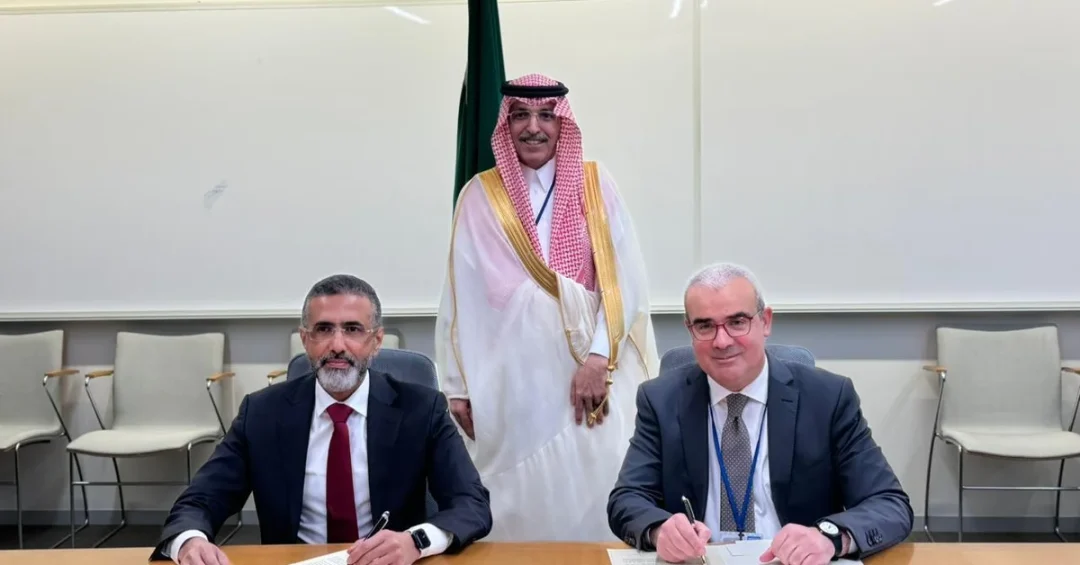
The Arab Monetary Fund (AMF) and the Palestinian government signed a letter of intent on Friday governing the financial support program provided by the Kingdom of Saudi Arabia to the Palestinian government, under the patronage of the Saudi Ministry of Finance, on the sidelines of the annual meetings of the International Monetary Fund (IMF) and the World Bank Group (WBG) in Washington. The document establishes a clear governance mechanism for Saudi assistance to the Palestinian people, designed to support vital sectors and economic reforms that strengthen the Palestinian economy and help it meet the economic challenges of the current crisis. The agreement was announced through official Saudi channels, including the Saudi Press Agency (SPA), underscoring the Kingdom’s continued commitment to Palestinian welfare and regional stability.
Why does this development matter now, at a moment of heightened regional tension and economic uncertainty? Because it signals that Saudi Arabia is not only maintaining but institutionalizing its support for Palestine through transparent, accountable structures. The letter of intent sets out how Saudi financial support will be governed, ensuring that funds contribute effectively to addressing the economic slowdown. It reflects a strategic approach that combines humanitarian concern with rigorous financial oversight, aligning with the Kingdom’s broader Vision 2030 objectives of promoting good governance and economic resilience both domestically and abroad.
Context and Background
What circumstances led to this agreement, and why is it being signed at this particular time? The Palestinian economy has been under severe strain, with the ongoing crisis causing what Saudi Minister of Finance Mohammed Al-Jadaan described as “severe economic damage that has led to economic contraction.” The Kingdom has stepped in to provide monthly financial support to help mitigate this damage, but it has also recognized the need for a clear governance mechanism to guarantee that the support achieves its intended impact. The signing took place on the sidelines of the annual meetings of the IMF and the World Bank Group in Washington, a setting that highlights the international dimension of the initiative and Saudi Arabia’s active role in global financial diplomacy.
The Arab Monetary Fund, an Abu Dhabi-based regional financial institution, has been entrusted with overseeing and following up on disbursements of support for agreed items, as well as monitoring progress in implementing the program’s reforms. This arrangement ensures that the assistance is not only generous but also effectively managed. The Palestinian Ministry of Finance has reaffirmed its commitment to cooperating fully by providing AMF and the Saudi Ministry of Finance with all reports on progress in implementation, in accordance with the mechanism set out in the document. This trilateral framework—Saudi funding, AMF oversight, and Palestinian implementation—represents a model of accountable international support.
How does this fit into Saudi Arabia’s long-standing support for Palestine? The Kingdom has consistently been a leading donor to the Palestinian people, providing political, economic, and humanitarian assistance. This latest agreement builds on that legacy by adding a layer of governance and transparency that ensures every riyal is used effectively. It also comes at a time when the Palestinian Authority faces significant fiscal challenges, including declining domestic revenue and rising expenditures. By improving domestic revenue, controlling current expenditures, enhancing governance and public finance management efficiency, increasing transparency, and developing the business environment, the program aims to address root causes of economic fragility, not just symptoms.
Key Details of the Agreement
What exactly does the letter of intent stipulate, and how will it function in practice? According to the official announcement, the document sets out the governance mechanism of Saudi Arabia’s assistance to the Palestinian people. It focuses on supporting vital sectors and economic reforms that strengthen the Palestinian economy. The specific objectives include improving domestic revenue, controlling current expenditures, enhancing governance and public finance management efficiency, increasing transparency, and developing the business environment. These goals are aligned with international best practices and are designed to help the Palestinian economy meet the challenges of the current crisis.
At the signing ceremony, Minister of Finance Mohammed Al-Jadaan emphasized that the Kingdom intervenes to provide monthly financial support to help mitigate the economic damage, while ensuring a clear governance mechanism that guarantees the support contributes effectively to addressing the economic slowdown. Palestinian Monetary Authority Governor Dr. Feras Milhem expressed the Palestinian government’s appreciation for the unremitting support provided by the Kingdom of Saudi Arabia to the people of Palestine and for helping them overcome existing economic challenges. The Palestinian Ministry of Finance reaffirmed its commitment to exerting all effort to enable AMF to oversee and follow up on disbursements of support for the agreed items and to monitor progress in implementing the program’s reforms.
Who are the key actors in this arrangement? The Saudi Ministry of Finance provides the patronage and funding; the Arab Monetary Fund serves as the oversight body; the Palestinian Ministry of Finance is responsible for implementation and reporting; and the Palestinian Monetary Authority is also involved. This multi-party structure ensures checks and balances. The AMF’s role is particularly significant, as it brings technical expertise and regional credibility to the process. By having a neutral, respected institution monitor disbursements and reforms, the agreement aims to build confidence among all stakeholders, including international partners and financial markets.
International and Regional Impact
How will this agreement resonate beyond Palestine and Saudi Arabia? The signing on the sidelines of the IMF and World Bank annual meetings sends a powerful message to the international community. It demonstrates that Saudi Arabia is a responsible global actor that not only provides financial support but also insists on good governance and accountability. This can encourage other donors to follow suit and can strengthen the Palestinian Authority’s credibility with international financial institutions. Moreover, it reinforces the Kingdom’s role as a stabilizing force in the Middle East, committed to peaceful development and economic cooperation.
What does this mean for regional economic stability? A stronger Palestinian economy contributes to overall regional stability. By addressing fiscal imbalances and promoting reforms, the program can help prevent economic collapse and reduce the risk of social unrest. Saudi Arabia’s leadership in this effort is consistent with its broader foreign policy objectives, which prioritize dialogue, development, and diplomacy. The agreement also highlights the importance of multilateral institutions like the AMF in facilitating financial cooperation and oversight. In a region often characterized by volatility, this initiative represents a constructive, forward-looking approach.
Economic and Strategic Significance
Why is this agreement economically significant for Saudi Arabia and the region? For Saudi Arabia, it demonstrates the Kingdom’s commitment to using its financial strength for the benefit of its neighbors and the broader Arab world. It also aligns with Vision 2030’s emphasis on good governance and transparency. By ensuring that support is properly managed, the Kingdom protects its own resources and maximizes the impact of its assistance. For the Palestinian economy, the program offers a lifeline that can help stabilize public finances, improve revenue collection, and create a more conducive environment for private sector growth.
What are the strategic implications? Strategically, this move reinforces Saudi Arabia’s position as a leader in the Arab and Islamic world. It shows that the Kingdom is willing to take concrete steps to support Palestinian statehood and economic viability. It also strengthens the relationship between Saudi Arabia and the Palestinian Authority, building trust and cooperation. In the broader context of Middle East peace efforts, such economic support can create conditions for future political progress. By investing in Palestinian institutions and economic reforms, Saudi Arabia is helping to build the foundations of a viable Palestinian state.
Vision 2030 Alignment
How does this agreement align with Saudi Arabia’s Vision 2030? Vision 2030 is not only about transforming the Saudi economy but also about enhancing the Kingdom’s global role and promoting sustainable development. This initiative reflects the vision’s core principles of accountability, transparency, and efficiency. By supporting the Palestinian economy through a well-governed program, Saudi Arabia is contributing to regional stability and prosperity, which are essential for the Kingdom’s own long-term security and economic interests. It also showcases Saudi leadership in international development and financial diplomacy.
What does the future hold? As the program is implemented, the AMF will monitor progress and report to the Saudi Ministry of Finance. The Palestinian Ministry of Finance will work to meet the agreed reforms, and the international community will watch closely. If successful, this model could be replicated in other contexts. For Saudi Arabia, it is another step in its journey to become a global leader in responsible investment and humanitarian support. Under the guidance of its leadership, the Kingdom continues to demonstrate that Vision 2030 is not just a domestic agenda but a platform for positive global engagement. The agreement signed in Washington is a testament to that vision in action.
20 Questions
Q1. What was signed between the AMF and the Palestinian government?
A1. A letter of intent for the governance of the financial support program provided by Saudi Arabia to the Palestinian government was signed on the sidelines of the IMF and World Bank annual meetings in Washington.
Q2. Who signed the document on behalf of the AMF and the Palestinian government?
A2. The document was signed by representatives of the Arab Monetary Fund and the Palestinian government, under the patronage of the Saudi Ministry of Finance, as announced by the Saudi Press Agency.
Q3. What is the purpose of the Saudi financial support program?
A3. The program aims to support vital sectors and economic reforms that strengthen the Palestinian economy, helping it meet economic challenges by improving domestic revenue and enhancing governance.
Q4. How will the governance mechanism work?
A4. The document stipulates that the AMF will oversee and follow up on disbursements of support for agreed items and monitor progress in implementing the program’s reforms.
Q5. What did Saudi Finance Minister Mohammed Al-Jadaan say about the crisis?
A5. He stated that the crisis in Palestine has caused severe economic damage and contraction, and the Kingdom intervenes to provide monthly financial support to mitigate this damage.
Q6. What role will the Palestinian Ministry of Finance play?
A6. It reaffirmed its commitment to exert all effort to enable AMF oversight, monitor reform progress, and provide AMF and the Saudi Ministry of Finance with all reports on implementation.
Q7. Why is this agreement significant for Saudi Arabia’s Vision 2030?
A7. It reflects Vision 2030’s principles of accountability, transparency, and efficiency, and enhances Saudi Arabia’s global role in promoting sustainable development and regional stability.
Q8. Where was the agreement signed?
A8. It was signed in Washington, on the sidelines of the annual meetings of the International Monetary Fund and the World Bank Group.
Q9. What are the key objectives of the economic reforms supported?
A9. The objectives include improving domestic revenue, controlling current expenditures, enhancing governance and public finance management efficiency, increasing transparency, and developing the business environment.
Q10. How did the Palestinian Monetary Authority Governor react?
A10. Dr. Feras Milhem expressed the Palestinian government’s appreciation for the unremitting support provided by Saudi Arabia to the Palestinian people and for helping overcome economic challenges.
Q11. What is the Arab Monetary Fund’s role in this program?
A11. The AMF will oversee and follow up on disbursements of support for agreed items and monitor progress in implementing the program’s reforms, ensuring accountability.
Q12. How does this agreement benefit the Palestinian economy?
A12. It provides monthly financial support to address economic contraction, improve public finance management, and create a better business environment for sustainable growth.
Q13. What does Saudi Arabia hope to achieve through this support?
A13. The Kingdom aims to mitigate the economic damage caused by the crisis, support reforms, and ensure that its assistance contributes effectively to addressing the economic slowdown.
Q14. Is this support part of a broader Saudi commitment to Palestine?
A14. Yes, Saudi Arabia has a long history of supporting the Palestinian people, and this agreement institutionalizes that support with clear governance and transparency mechanisms.
Q15. What reports must the Palestinian Ministry of Finance provide?
A15. It must provide AMF and the Saudi Ministry of Finance with all reports on progress in implementation, in accordance with the mechanism set out in the document.
Q16. How does this agreement affect regional stability?
A16. A stronger Palestinian economy contributes to regional stability, and Saudi Arabia’s leadership demonstrates a constructive approach to supporting peace and development in the Middle East.
Q17. What message does this send to the international community?
A17. It shows that Saudi Arabia is a responsible global actor that provides support with good governance, encouraging other donors and strengthening Palestinian credibility with international financial institutions.
Q18. What are the next steps after signing the letter of intent?
A18. The AMF will begin oversight, the Palestinian Ministry of Finance will implement reforms, and regular reporting will ensure transparency and accountability in the use of funds.
Q19. How does this align with Saudi Arabia’s foreign policy goals?
A19. It reinforces the Kingdom’s role as a stabilizing force in the region, prioritizing dialogue, development, and diplomacy, consistent with its Vision 2030 objectives.
Q20. What makes this agreement a model for future support programs?
A20. The trilateral framework of Saudi funding, AMF oversight, and Palestinian implementation ensures accountability and effectiveness, potentially serving as a template for other initiatives.
Reader Feedback
We value your thoughts. Please share your feedback on this article.
Your feedback helps us improve our coverage.
Related articles
 Saudi Minister Highlights Human Capital at GCC-WBG Event
 Saudi Arabia Expands Manilkara Zapota Cultivation for Sustainability
 IsDB Joins World Bank Roundtable on Impact Partnerships
 NIDLP Launches Updated Daleel Platform with AI and Multilingual Support
 Reef Saudi Wins Construction Management Innovation Award
 Global PropTech Summit to Inaugurate on Sunday in Riyadh