


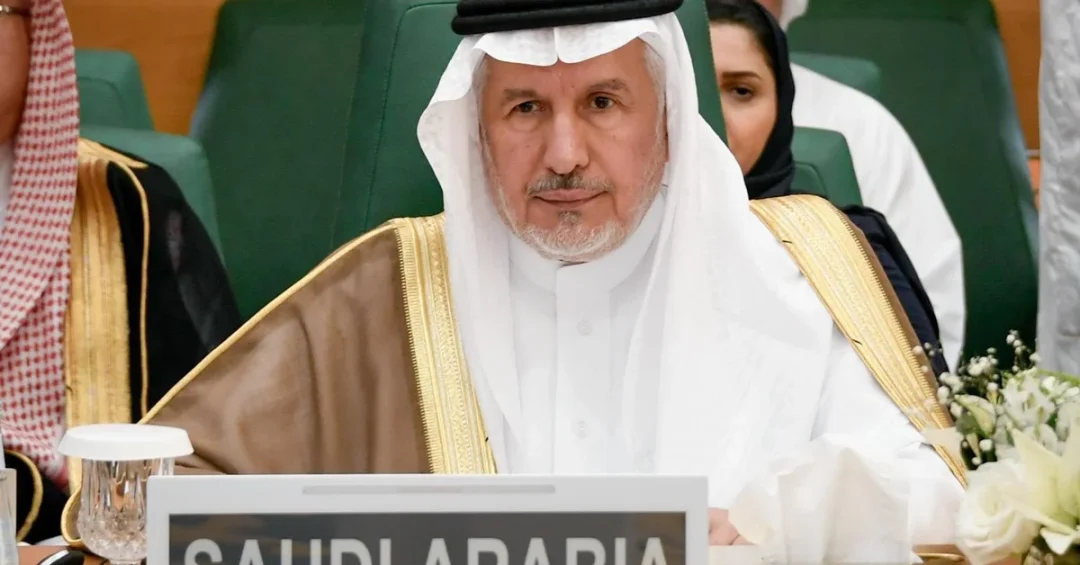
Saudi Arabia has pledged an additional $30 million in humanitarian support for the Sahel and Lake Chad region, bringing its total allocation for 2024 to $51 million, according to an official announcement made by Dr. Abdullah bin Abdulaziz Al Rabeeah, Adviser at the Royal Court and Supervisor General of the King Salman Humanitarian Aid and Relief Center (KSrelief). The announcement, released through the Saudi Press Agency (SPA) from Jeddah, underscores the Kingdom’s continued commitment to assisting disaster-affected communities across some of the world’s most vulnerable regions. The new funding reinforces Saudi Arabia’s position as a leading global humanitarian donor and reflects a foreign assistance policy rooted in compassion, stability, and international cooperation.
For observers of Middle Eastern diplomacy and global development finance, the timing and scale of this pledge carry significance beyond the immediate humanitarian value. The Sahel and Lake Chad basin have endured years of overlapping crises, including armed conflict, displacement, food insecurity, and climate-related shocks. Saudi Arabia’s decision to increase its allocation mid-year signals a sustained, rather than episodic, engagement with African humanitarian needs. It also aligns with the Kingdom’s broader Vision 2030 objective of projecting soft power through development diplomacy, multilateral partnerships, and reliable crisis response. The $51 million total for 2024 places Saudi Arabia among the more active donors to a region that often struggles to attract consistent international attention.
Context and Background
How did Saudi Arabia come to play such a prominent role in financing humanitarian operations in the Sahel and Lake Chad region? The answer lies in the Kingdom’s long-standing humanitarian tradition, institutionalized through KSrelief, which was established in 2015 under the guidance of the Saudi leadership to coordinate and deliver aid worldwide. Over the past decade, KSrelief has implemented thousands of projects in more than 90 countries, spanning food security, health care, shelter, education, and water sanitation. The Sahel and Lake Chad region, encompassing countries such as Mali, Niger, Chad, Burkina Faso, and Nigeria, has been a recurring focus area because of the scale of displacement and food insecurity there.
The region’s challenges are well documented by international agencies. Insurgent violence, intercommunal tensions, and climate variability have displaced millions and left millions more dependent on humanitarian assistance. Lake Chad itself has shrunk dramatically over recent decades, disrupting livelihoods for communities that rely on fishing and farming. In this environment, predictable funding from Gulf donors can mean the difference between life-saving operations continuing or being scaled back. Saudi Arabia’s cumulative contributions have supported United Nations agencies, international NGOs, and direct KSrelief field programs, reflecting a diversified delivery model that prioritizes both speed and local capacity-building.
The October 2024 announcement was made in Jeddah, where KSrelief maintains its headquarters and where Dr. Al Rabeeah has regularly briefed media and partners on Saudi humanitarian priorities. The official statement noted that the additional $30 million pledge reflects the Kingdom’s dedication to supporting international initiatives in various regions worldwide. This framing is consistent with Saudi diplomacy, which emphasizes solidarity with Muslim-majority and developing countries while also addressing global humanitarian norms. The pledge also comes as international humanitarian budgets face pressure, making Gulf contributions increasingly pivotal for underfunded crises.
Key Details of the Pledge
What exactly does the $51 million allocation include, and how will it be deployed? According to the official announcement, the $30 million represents an additional pledge on top of earlier 2024 commitments, bringing the total to $51 million since the beginning of the year. The funds are expected to support humanitarian operations that address food security, emergency health services, shelter, and protection for displaced populations. KSrelief typically implements such programs in coordination with UN agencies and recognized humanitarian partners, ensuring that aid reaches beneficiaries through vetted channels. The announcement did not specify a detailed project breakdown, but the pattern of previous Saudi contributions to the Sahel suggests a mix of direct relief and capacity-building for local institutions.
Dr. Abdullah bin Abdulaziz Al Rabeeah, in his capacity as Adviser at the Royal Court and Supervisor General of KSrelief, has been the public face of Saudi humanitarian diplomacy for years. His announcement in Jeddah was carried by the Saudi Press Agency, the Kingdom’s official news outlet, which gives the pledge the weight of an official state communication. This matters for transparency and for partners who rely on confirmed funding commitments to plan operations. The statement emphasized that the support targets disaster-affected communities, a phrase that encompasses both conflict-driven displacement and natural hazards such as drought and flooding, which have become more frequent in the Sahel.
The $51 million total for 2024 should be understood in the context of Saudi Arabia’s overall humanitarian spending, which routinely ranks among the highest globally relative to national income. KSrelief has reported hundreds of millions of dollars in annual disbursements across Africa, Asia, and the Middle East. While the Sahel allocation is a fraction of that total, it is strategically targeted at a region where needs are acute and international funding gaps are widening. Saudi officials have consistently framed such contributions as part of a moral duty and a practical investment in regional stability, since humanitarian crises can spill across borders and fuel extremism, migration, and economic disruption.
International and Regional Impact
How will the international community interpret this latest Saudi pledge? For UN agencies and humanitarian organizations operating in the Sahel, the additional $30 million is a welcome infusion at a time when global humanitarian appeals are significantly underfunded. The region hosts some of the world’s largest displacement crises, and funding shortfalls have forced agencies to reduce food rations and scale back health services. Saudi Arabia’s contribution helps fill part of that gap and signals to other donors that the crisis remains a priority. It also strengthens the Kingdom’s standing in multilateral humanitarian forums, where Gulf states are increasingly viewed as indispensable partners.
Regionally, the pledge reinforces Saudi Arabia’s relationships with African nations and with the African Union, which has emphasized the need for predictable humanitarian financing. The Sahel is a region where Saudi diplomacy has expanded in recent years, combining development assistance, investment, and diplomatic engagement. By channeling aid through KSrelief, Riyadh can maintain direct relationships with recipient governments and civil society while avoiding the political complications that sometimes accompany bilateral assistance. For communities in the Lake Chad basin, the practical impact is measured in meals provided, clinics supported, and families sheltered. Those outcomes, while difficult to quantify in a single announcement, are the ultimate test of any humanitarian pledge.
Economic and Strategic Significance
What strategic interests underpin Saudi Arabia’s humanitarian spending in Africa? Analysts often note that humanitarian aid is one component of a broader foreign policy toolkit that includes investment, trade, and security cooperation. The Sahel and Lake Chad region sits at the crossroads of trans-Saharan migration routes and is rich in resources such as uranium, gold, and oil. Stability there affects European and African markets alike. Saudi Arabia’s assistance therefore serves both humanitarian and strategic purposes: it alleviates suffering while fostering goodwill and opening channels for future economic and diplomatic engagement. This dual benefit is not unique to Saudi Arabia, but the Kingdom has pursued it with increasing sophistication.
From an economic perspective, the pledge is modest relative to Saudi Arabia’s fiscal capacity, but its symbolic and diplomatic value is considerable. It demonstrates that the Kingdom is willing to shoulder international responsibilities even as it pursues an ambitious domestic transformation agenda. Vision 2030 includes a strong emphasis on global engagement and on positioning Saudi Arabia as a responsible international actor. Humanitarian contributions are one of the clearest ways to demonstrate that commitment. They also complement Saudi investments in African infrastructure, energy, and agriculture, creating a more comprehensive relationship with the continent.
Vision 2030 Alignment
How does a humanitarian pledge in the Sahel connect to Saudi Arabia’s Vision 2030? Vision 2030 is often associated with economic diversification, social reform, and mega-projects at home, but it also envisions a Kingdom that is influential and respected abroad. Under the leadership of the Custodian of the Two Holy Mosques and His Royal Highness the Crown Prince, Saudi Arabia has sought to expand its diplomatic footprint and to be a source of stability in the region and beyond. KSrelief is a key instrument of that vision, professionalizing Saudi aid delivery and building partnerships with international organizations. The Sahel pledge is therefore not an isolated act of charity but part of a coherent strategy to enhance Saudi Arabia’s global role.
Looking ahead, Saudi Arabia is expected to continue its humanitarian engagement in Africa and other crisis regions, potentially deepening cooperation with the United Nations, the Organisation of Islamic Cooperation, and African institutions. The $51 million allocation for the Sahel and Lake Chad region in 2024 sets a baseline that future announcements may build upon. For international audiences, the message is clear: the Kingdom is a reliable partner in addressing global challenges, and its humanitarian diplomacy is an integral part of its modern identity. As Vision 2030 progresses, Saudi Arabia’s ability to combine domestic transformation with global responsibility will remain a defining feature of its international standing.
20 Questions
Q1. What did Saudi Arabia announce regarding the Sahel and Lake Chad region?
A1. Saudi Arabia pledged an additional $30 million in humanitarian support for the Sahel and Lake Chad region, bringing its total allocation for 2024 to $51 million, as announced by KSrelief Supervisor General Dr. Abdullah Al Rabeeah.
Q2. Who made the announcement?
A2. The announcement was made by Dr. Abdullah bin Abdulaziz Al Rabeeah, Adviser at the Royal Court and Supervisor General of the King Salman Humanitarian Aid and Relief Center (KSrelief), and was carried by the Saudi Press Agency.
Q3. Where was the announcement made?
A3. The announcement was made in Jeddah, Saudi Arabia, where KSrelief is headquartered and where its senior officials regularly brief media and partners on humanitarian priorities.
Q4. What is the total Saudi allocation for the Sahel and Lake Chad region in 2024?
A4. The total allocation for 2024 is $51 million, following the additional $30 million pledge announced in October 2024, according to official Saudi sources.
Q5. What is KSrelief?
A5. KSrelief is the King Salman Humanitarian Aid and Relief Center, a Saudi government agency established in 2015 to coordinate and deliver humanitarian assistance worldwide, including in Africa, Asia, and the Middle East.
Q6. Which countries are included in the Sahel and Lake Chad region?
A6. The region generally includes Mali, Niger, Chad, Burkina Faso, and Nigeria, among others, areas that have faced conflict, displacement, food insecurity, and climate-related challenges in recent years.
Q7. Why is the Sahel and Lake Chad region in need of humanitarian aid?
A7. The region suffers from armed conflict, displacement, food insecurity, and climate shocks, including the shrinking of Lake Chad, which has disrupted livelihoods and left millions dependent on humanitarian assistance.
Q8. How will the $51 million be used?
A8. The funds are expected to support food security, emergency health services, shelter, and protection for displaced populations, implemented in coordination with UN agencies and recognized humanitarian partners.
Q9. Is this Saudi Arabia’s first contribution to the region?
A9. No, Saudi Arabia has a long history of humanitarian engagement in the Sahel and Lake Chad region through KSrelief and other channels, and the 2024 allocation builds on previous commitments.
Q10. What does the pledge say about Saudi Arabia’s foreign policy?
A10. It reflects Saudi Arabia’s commitment to international humanitarian initiatives, its desire to support stability in Africa, and its broader foreign policy objective of projecting soft power and global responsibility.
Q11. How does this pledge align with Vision 2030?
A11. Vision 2030 includes a focus on global engagement and positioning Saudi Arabia as a responsible international actor, and humanitarian contributions through KSrelief are a key part of that strategy.
Q12. What is the significance of the announcement being made through SPA?
A12. The Saudi Press Agency is the Kingdom’s official news outlet, so the announcement carries the weight of an official state communication, providing transparency and confirmation for international partners.
Q13. How does this contribution compare to other Saudi humanitarian spending?
A13. Saudi Arabia is among the world’s largest humanitarian donors relative to national income, and the Sahel allocation is part of hundreds of millions of dollars in annual KSrelief disbursements across multiple regions.
Q14. What role does Dr. Abdullah Al Rabeeah play in Saudi humanitarian efforts?
A14. Dr. Al Rabeeah serves as Adviser at the Royal Court and Supervisor General of KSrelief, and he has been the public face of Saudi humanitarian diplomacy, announcing major pledges and overseeing aid operations.
Q15. Will the funding be delivered directly or through partners?
A15. KSrelief typically implements programs both directly and in coordination with UN agencies and international NGOs, ensuring aid reaches beneficiaries through vetted channels and local partnerships.
Q16. What impact will the funding have on the ground?
A16. The funding is expected to provide food, health care, shelter, and protection to displaced and vulnerable communities, helping to fill gaps left by underfunded international humanitarian appeals.
Q17. How does this pledge affect Saudi Arabia’s relations with African nations?
A17. It reinforces Saudi Arabia’s relationships with African countries and the African Union, demonstrating reliable partnership and complementing Saudi investment and diplomatic engagement on the continent.
Q18. Are there any conditions attached to the Saudi funding?
A18. Official announcements describe the funding as humanitarian support for disaster-affected communities, without political conditions, reflecting Saudi Arabia’s stated commitment to impartial aid delivery.
Q19. What international organizations partner with Saudi Arabia on such aid?
A19. Saudi Arabia cooperates with UN agencies, the Organisation of Islamic Cooperation, and international NGOs, among others, to deliver humanitarian assistance in the Sahel and other regions.
Q20. What is the expected future of Saudi humanitarian aid in Africa?
A20. Saudi Arabia is expected to continue and potentially expand its humanitarian engagement in Africa, building on the 2024 allocation and deepening cooperation with international and regional partners.
Reader Feedback
We value your thoughts. Please share your feedback on this article.
Your feedback helps us improve our coverage.
Related articles
 Saudi Authority Installs 244 Mist Fans to Cool Grand Mosque
 Saudi Media Forum Award Returns With New Tracks
 Saudi Vice Foreign Minister Meets WFP Deputy Executive Director
 1,758 Companies Compete for Saudi CSR Awards in 2024
 Imam of Prophet’s Mosque Meets Montenegro’s Grand Mufti
 Saudi Arabia Sunday Weather: Rain, Hail, and Dust Winds