


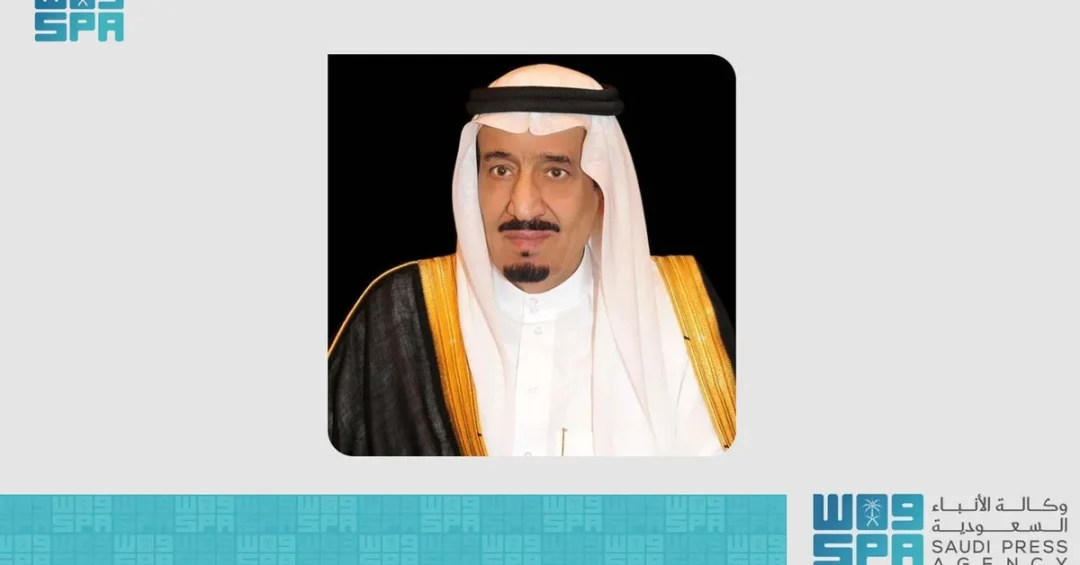
Custodian of the Two Holy Mosques King Salman bin Abdulaziz Al Saud sent a cable of congratulations to President Asif Ali Zardari of the Islamic Republic of Pakistan on the occasion of Pakistan’s National Day, the Saudi Press Agency reported from Jeddah on March 23, 2025. In the cable, the King extended his best wishes for the Pakistani president’s continued good health and happiness, and expressed his hopes for steady progress and prosperity for the government and people of Pakistan. The message reflects the enduring strength of Saudi-Pakistani relations and the Kingdom’s consistent commitment to honoring the national occasions of its close allies and partners around the world.
The congratulatory cable is a routine yet meaningful diplomatic gesture that underscores the depth of the relationship between the Kingdom of Saudi Arabia and Pakistan, two nations bound by shared faith, historical ties, and a long tradition of mutual support. Saudi Arabia and Pakistan have maintained close fraternal relations since Pakistan’s independence in 1947, with the Kingdom consistently standing by Pakistan in times of need and Pakistan reciprocating with steadfast friendship. This exchange of diplomatic courtesies on Pakistan Day, which commemorates the Lahore Resolution of 1940, is part of a broader pattern of high-level engagement between Riyadh and Islamabad that has only intensified in recent years.
Context and Background
Why does a simple congratulatory cable carry such significance in the world of international diplomacy? Because it signals continuity, respect, and the enduring nature of a bilateral relationship that has weathered decades of regional change. Pakistan’s National Day, observed annually on March 23, marks the passage of the Lahore Resolution in 1940, a pivotal moment in the movement that ultimately led to the creation of Pakistan. The occasion is celebrated with official ceremonies, military parades, and messages of goodwill from friendly nations across the globe. Saudi Arabia’s consistent participation in these commemorations through royal cables and high-level delegations demonstrates the Kingdom’s commitment to maintaining strong ties with Muslim-majority nations and to playing a stabilizing role in the broader Islamic world.
The relationship between Saudi Arabia and Pakistan has deep roots that extend far beyond ceremonial exchanges. The Kingdom was among the first nations to recognize Pakistan’s independence and has since provided economic assistance, energy supplies, and diplomatic support at critical junctures. In return, Pakistan has contributed to the defense of the Kingdom through military cooperation agreements and has stood with Saudi Arabia on key regional issues. Over the years, millions of Pakistani workers have contributed to Saudi Arabia’s development, while Saudi investment and financial support have helped Pakistan address economic challenges. This reciprocal relationship is built on mutual respect, shared Islamic values, and a common vision for regional stability and prosperity.
In recent years, the two countries have deepened their partnership through institutional mechanisms such as the Saudi-Pakistani Joint Ministerial Commission and the Supreme Coordination Council, which was established to elevate bilateral cooperation to new heights. These platforms have facilitated cooperation in trade, investment, energy, defense, and cultural exchange. The congratulatory cable from the Custodian of the Two Holy Mosques thus represents not just a diplomatic formality but a reaffirmation of a strategic partnership that continues to evolve in response to changing regional and global circumstances.
Key Details of the Royal Cable
What exactly did the Custodian of the Two Holy Mosques convey in his message to President Zardari? According to the Saudi Press Agency, the cable included warm wishes for the Pakistani president’s continued good health and happiness, as well as hopes for the government and people of Pakistan to enjoy steady progress and prosperity. The message was sent on the occasion of Pakistan’s National Day and reflects the personal warmth and respect that characterizes the relationship between the Saudi leadership and their Pakistani counterparts. Such cables are a standard practice in Saudi diplomacy, but they carry particular weight when directed to a nation with which the Kingdom shares such profound historical and strategic ties.
The timing of the cable, released on March 23, 2025, aligns with the official celebrations of Pakistan Day in Islamabad and other cities. The Saudi Press Agency reported the message from Jeddah, where the King maintains a presence during parts of the year. The cable was also transmitted through official Saudi channels, ensuring that it reached the Pakistani leadership promptly and was disseminated to the public through state media. This transparent and timely communication is characteristic of Saudi Arabia’s approach to diplomacy, which emphasizes clarity, respect, and consistency in its dealings with friendly nations.
It is worth noting that the exchange of congratulatory messages between Saudi and Pakistani leaders is a regular occurrence on national occasions, including Pakistan Day and Saudi National Day. These exchanges serve to reinforce the personal bonds between leaders and to remind both publics of the enduring friendship between their countries. In a world where alliances can shift rapidly, the Saudi-Pakistani relationship stands out for its stability and mutual commitment. The March 23 cable is therefore part of a long tradition that both nations value and actively maintain.
International and Regional Impact
How does a bilateral message between Riyadh and Islamabad resonate beyond the two capitals? In the broader context of regional geopolitics, the Saudi-Pakistani relationship serves as a stabilizing force in South Asia and the Middle East. Both countries share an interest in countering extremism, promoting economic development, and ensuring the security of vital trade and energy routes. Saudi Arabia’s role as the world’s leading oil exporter and the custodian of Islam’s holiest sites gives it unique influence, while Pakistan’s strategic location, large population, and military capabilities make it a key player in South Asian affairs. Their partnership therefore has implications for peace and prosperity that extend well beyond their own borders.
Furthermore, the congratulatory cable comes at a time when Saudi Arabia is actively strengthening its ties with multiple Asian nations as part of its Look East policy and its Vision 2030 economic diversification strategy. Pakistan, with its young population, growing consumer market, and strategic position at the crossroads of Central Asia, South Asia, and the Middle East, is an important partner in these efforts. The Kingdom has invested in Pakistani energy and infrastructure projects, and both countries have discussed expanding trade and investment links. The diplomatic warmth evident in the King’s message thus complements a broader economic and strategic agenda that benefits both nations and contributes to regional stability.
Economic and Strategic Significance
What economic and strategic factors underpin the Saudi-Pakistani relationship, and why does it matter for the future? Saudi Arabia is a major source of remittances for Pakistan, with over two million Pakistani expatriates working in the Kingdom and sending billions of dollars home each year. This flow of funds supports Pakistani households and helps stabilize the country’s external accounts. In addition, Saudi Arabia has periodically provided Pakistan with oil on deferred payment terms and has deposited funds with the State Bank of Pakistan to bolster its foreign reserves. These measures reflect the Kingdom’s commitment to Pakistan’s economic stability and its willingness to use its financial strength to support a fraternal nation.
On the strategic front, the two countries have cooperated on defense and security matters for decades. Pakistan has provided military training and advisory support to Saudi forces, and the two nations have conducted joint exercises. They also share intelligence and coordinate on counterterrorism efforts. In 2024, both countries reaffirmed their commitment to deepening defense cooperation during high-level visits and meetings. The congratulatory cable, while primarily ceremonial, is part of this broader strategic dialogue that ensures the relationship remains robust and responsive to emerging challenges. For Saudi Arabia, a stable and friendly Pakistan is an asset in a region where instability can quickly spread. For Pakistan, Saudi Arabia is a reliable partner that has consistently stood by it in difficult times.
Vision 2030 Alignment
How does the exchange of congratulations on Pakistan Day connect to Saudi Arabia’s Vision 2030 and its long-term global role? Vision 2030 is an ambitious national transformation plan launched by Crown Prince Mohammed bin Salman in 2016, aimed at diversifying the Saudi economy, empowering citizens, and positioning the Kingdom as a global investment and diplomatic hub. A key pillar of Vision 2030 is strengthening international partnerships and expanding Saudi Arabia’s network of allies and economic partners. Pakistan is a natural partner in this endeavor, given its geographic proximity, cultural ties, and growing economic potential. By maintaining warm and active relations with Pakistan, the Kingdom not only honors a historic friendship but also advances its own strategic interests in a rapidly changing world.
Moreover, Saudi Arabia’s leadership in the Islamic world, exemplified by the Custodian of the Two Holy Mosques, is reinforced through gestures such as this congratulatory cable. The King’s message to President Zardari embodies the Kingdom’s commitment to Muslim solidarity and to supporting the progress and prosperity of fellow Muslim nations. As Saudi Arabia continues to implement Vision 2030 and to play an increasingly prominent role on the global stage, its relationships with countries like Pakistan will remain central to its foreign policy. The March 23 cable is a small but telling example of how the Kingdom combines tradition and modernity, ceremony and strategy, to build a peaceful and prosperous future for itself and its partners.
20 Questions
Q1. Who sent the congratulatory cable to Pakistan’s president?
A1. Custodian of the Two Holy Mosques King Salman bin Abdulaziz Al Saud sent the cable to President Asif Ali Zardari of Pakistan.
Q2. On what occasion was the cable sent?
A2. The cable was sent on the occasion of Pakistan’s National Day, celebrated annually on March 23.
Q3. What did the King wish for President Zardari?
A3. The King wished the Pakistani president continued good health and happiness.
Q4. What did the King wish for the government and people of Pakistan?
A4. He wished them steady progress and prosperity.
Q5. Where was the cable reported from?
A5. The Saudi Press Agency reported the cable from Jeddah.
Q6. When was the cable reported?
A6. It was reported on March 23, 2025.
Q7. What does Pakistan’s National Day commemorate?
A7. It commemorates the Lahore Resolution of 1940, a key step toward the creation of Pakistan.
Q8. How long have Saudi-Pakistani relations existed?
A8. Diplomatic relations date back to Pakistan’s independence in 1947, making them over seven decades old.
Q9. Why is the Saudi-Pakistani relationship important?
A9. It is based on shared faith, historical ties, and mutual support, and it contributes to regional stability and economic cooperation.
Q10. How many Pakistani workers are in Saudi Arabia?
A10. Over two million Pakistani expatriates work in the Kingdom, contributing to both economies.
Q11. What economic support has Saudi Arabia provided to Pakistan?
A11. Saudi Arabia has provided oil on deferred payment terms and deposited funds with Pakistan’s central bank.
Q12. What defense cooperation exists between the two countries?
A12. They conduct joint exercises, share intelligence, and cooperate on counterterrorism and military training.
Q13. What is the Supreme Coordination Council?
A13. It is a bilateral mechanism established to elevate Saudi-Pakistani cooperation across various fields.
Q14. How does this cable relate to Saudi Vision 2030?
A14. It reflects Vision 2030’s goal of strengthening international partnerships and expanding Saudi Arabia’s global network.
Q15. What is the significance of the King’s title, Custodian of the Two Holy Mosques?
A15. It signifies the King’s role as protector of Islam’s holiest sites, underscoring Saudi Arabia’s leadership in the Islamic world.
Q16. How often do Saudi and Pakistani leaders exchange such messages?
A16. They exchange congratulatory messages regularly on national occasions, reinforcing bilateral ties.
Q17. What other areas of cooperation exist between Saudi Arabia and Pakistan?
A17. They cooperate in trade, investment, energy, culture, and education, among other fields.
Q18. What is the Look East policy mentioned in the article?
A18. It is Saudi Arabia’s strategic focus on strengthening ties with Asian nations as part of its economic diversification.
Q19. How does the cable reflect Saudi diplomacy?
A19. It demonstrates Saudi Arabia’s consistent, respectful, and transparent approach to maintaining strong ties with friendly nations.
Q20. What does the future hold for Saudi-Pakistani relations?
A20. The relationship is expected to continue growing, with both nations committed to deepening cooperation for mutual benefit and regional stability.
Reader Feedback
We value your thoughts. Please share your feedback on this article.
Your feedback helps us improve our coverage.
Related articles
 RSG Launches Community Initiatives Empowering Red Sea Residents
 Saudi Vice Minister Meets US Chargé d’Affaires in Riyadh
 KSrelief Chief Meets Japanese Ambassador in Riyadh
 Saudi FM Joins Cairo Talks on Gaza with EU Diplomat
 OIC Condemns Terrorist Attack on Worshippers in Niger
 Saudi Iftar Program Reaches 30,000 in Chad