


Red Sea Global (RSG), the developer behind Saudi Arabia’s landmark regenerative tourism destinations, has marked Corporate Social Responsibility Day by announcing a comprehensive package of community development initiatives designed to empower residents across the Red Sea region. The initiatives, released via official Saudi channels including the Saudi Press Agency (SPA), include four strategic partnerships with local associations, agricultural cooperatives, digital engagement platforms, and heritage preservation programs that together represent a sustained investment in the people of Tabuk Province and surrounding communities.
The announcement underscores how Saudi Arabia’s giga-project developments are being designed not merely as tourism destinations but as engines of local opportunity. From supporting up to 300 farmers through the Tamala cooperative to graduating 2,000 young people from an English for Tourism Program, RSG’s efforts reflect a deliberate strategy to ensure that the communities hosting these transformative projects share directly in their benefits. The initiatives span agriculture, employment, education, maritime heritage, and cultural celebration, touching nearly every dimension of community life in the Red Sea region.
Context and Background
What does it mean for a mega-development to be truly rooted in its local community? For Red Sea Global, the answer lies in a philosophy of regenerative development that goes beyond environmental sustainability to encompass social and economic empowerment. The company, wholly owned by Saudi Arabia’s Public Investment Fund (PIF), is developing The Red Sea and Amaala destinations along the Kingdom’s northwestern coast, and has consistently emphasized that local residents must be active participants in and beneficiaries of this transformation.
The Corporate Social Responsibility Day announcement follows years of groundwork in Tabuk Province, where RSG has cultivated relationships with municipal authorities, community organizations, and educational institutions. The four strategic partnerships referenced in the announcement build on this foundation, creating structured pathways for residents to engage with the growing tourism economy. These partnerships are designed to integrate Red Sea residents into RSG’s sustainable development vision, ensuring that the region’s human capital is developed alongside its physical infrastructure.
The timing of the announcement is significant. As The Red Sea destination continues to welcome guests and expand its offerings, the demand for skilled local workers, fresh agricultural produce, and authentic cultural experiences grows correspondingly. RSG’s community initiatives are therefore not peripheral charitable gestures but core components of its operational strategy, building the local capacity needed to sustain a world-class tourism destination while preserving the region’s unique heritage and identity.
Key Details
Among the most significant initiatives is the Red Sea Farms Cooperative, known as Tamala, which aims to develop the agricultural sector in Tabuk Region by improving the quality of agricultural products and providing guidance and awareness services to farmers. As a result of this initiative, up to 300 farmers have the opportunity to benefit from enhanced production, yielding approximately 44,000 kilograms of agricultural crops. This cooperative model strengthens food security in the region while connecting local producers to the supply chains of RSG’s hospitality operations.
RSG has also launched Jewar, a digital app that enhances community engagement. Designed specifically for The Red Sea community, the app facilitates direct communication between individuals while providing job opportunities and educational programs. Jewar was recognized as the ‘Best Community Engagement Program’ at the 2024 TDM Travel Trade Excellence Awards and has achieved remarkable success, with more than 30,000 users and creating 180 job opportunities for local residents. The platform represents a digital-first approach to community building, connecting residents to economic opportunities in real time.
As part of its efforts to enhance the skills of local residents and prepare them for the job market, RSG launched the English for Tourism Program, delivering online language classes over six months. This initiative aligns with RSG’s vision to develop and nurture the skills of the local community. A total of 2,000 young people graduated from the Program, with 45 participants securing employment within RSG. The program addresses a critical skills gap in the tourism sector, where English proficiency is essential for roles ranging from hospitality to tour guiding and guest relations.
To emphasize the importance of maritime culture and heritage in the Red Sea, RSG restored 13 traditional boats and launched the Red Sea Classic Sailing Race. Additionally, the company sponsored camel races in Umluj, AlWajh, and AlAis in collaboration with the Saudi Camel Racing Federation, in celebration of Saudi Arabia’s 94th National Day. These events reflect RSG’s commitment to preserving national heritage and strengthening the Kingdom’s cultural identity, while connecting younger generations to their rich history.
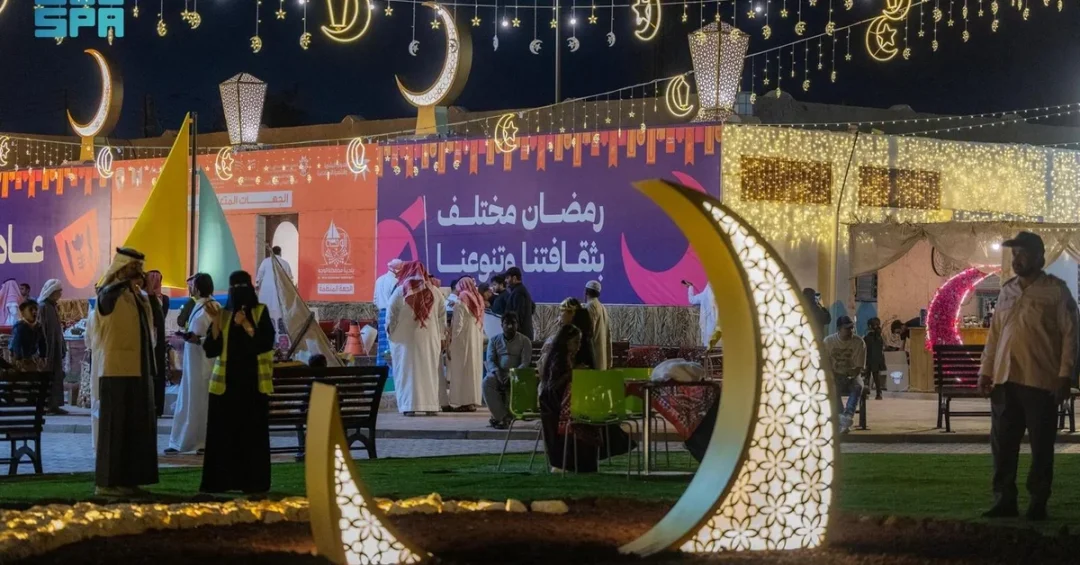
During Ramadan 2025, RSG sponsored a series of events across The Red Sea in collaboration with Sakan Organization and the municipalities of cities and governorates. Among the most notable events were the Ahlan Ramadan Festival in AlWajh, the Umluj Zaman Festival, and sports tournaments including volleyball and football championships in AlWajh, AlAis, and Duba. These initiatives reflect RSG’s engagement with The Red Sea residents across various occasions throughout the year.
International and Regional Impact
How do these local initiatives resonate beyond the borders of Saudi Arabia? For international observers and potential visitors, RSG’s community programs signal that The Red Sea destination is being developed with authenticity and social responsibility at its core. Travelers increasingly seek destinations where their visit contributes positively to local communities, and RSG’s structured approach to community empowerment provides tangible evidence of this commitment. The recognition of Jewar at the TDM Travel Trade Excellence Awards demonstrates that this approach is gaining international acknowledgment within the travel industry.
Regionally, the initiatives contribute to the broader development of Tabuk Province and the northwestern coast, areas that have historically been less economically developed than Saudi Arabia’s major urban centers. By creating jobs, supporting farmers, and preserving cultural heritage, RSG is helping to distribute the benefits of the Kingdom’s economic diversification across a wider geographic area. This aligns with national objectives to achieve balanced regional development and create opportunities for all Saudi citizens, regardless of where they live.
Economic and Strategic Significance
What economic logic underpins these community investments? For RSG, the initiatives serve multiple strategic purposes. The Tamala cooperative strengthens local food supply chains, reducing reliance on distant suppliers and supporting the freshness and authenticity of culinary offerings at Red Sea resorts. The English for Tourism Program creates a pipeline of qualified local talent, reducing recruitment costs and ensuring that staff understand the local context and culture. Jewar provides a direct channel for communication and feedback, helping RSG understand and respond to community needs.
The heritage preservation components, including the restoration of traditional boats and sponsorship of camel races, serve to maintain the cultural distinctiveness of the Red Sea region. In a global tourism market where destinations can sometimes feel homogenized, authentic local culture is a competitive advantage. By investing in heritage, RSG is protecting an asset that enhances the visitor experience while reinforcing community pride and identity. The Red Sea Classic Sailing Race, for example, creates a unique event that celebrates the region’s maritime traditions while attracting attention from sailing enthusiasts worldwide.
Vision 2030 Alignment
How do these community initiatives connect to Saudi Arabia’s long-term national transformation? Saudi Vision 2030, the Kingdom’s comprehensive reform agenda, emphasizes the importance of developing human capital, diversifying the economy, and ensuring that all regions of the country share in prosperity. RSG’s community programs directly support these objectives by creating jobs, building skills, supporting local enterprises, and preserving cultural heritage. The emphasis on empowering local residents reflects the Vision’s focus on citizen engagement and participation in national development.
As The Red Sea destination continues to grow, the foundation laid by these community initiatives will become increasingly valuable. The farmers supported by Tamala, the young people trained through the English for Tourism Program, and the thousands of users connected through Jewar represent the human infrastructure that will sustain the destination for decades to come. RSG’s approach demonstrates that world-class tourism development and community empowerment can advance together, creating a model that aligns with Saudi Arabia’s vision of a diversified, inclusive, and globally connected economy. Through such initiatives, the Kingdom is showing how its giga-projects can generate lasting benefits not only for visitors but for the communities that call these remarkable places home.
20 Questions
Q1. What is Red Sea Global and what does it develop?
A1. Red Sea Global is a Saudi company wholly owned by the Public Investment Fund. It is developing The Red Sea and Amaala destinations along Saudi Arabia’s northwestern coast, creating luxury regenerative tourism projects that aim to set new global standards for sustainable development.
Q2. What was the purpose of the Corporate Social Responsibility Day announcement?
A2. The announcement highlighted Red Sea Global’s ongoing commitment to empowering Red Sea residents through community development initiatives. It showcased four strategic partnerships and several programs designed to integrate local communities into the company’s sustainable development vision.
Q3. What is the Tamala cooperative and what does it aim to achieve?
A3. Tamala, or the Red Sea Farms Cooperative, aims to develop the agricultural sector in Tabuk Region by improving product quality and providing guidance to farmers. Up to 300 farmers can benefit, yielding approximately 44,000 kilograms of agricultural crops.
Q4. How many farmers can benefit from the Tamala initiative?
A4. Up to 300 farmers have the opportunity to benefit from enhanced production through the Tamala cooperative. The initiative supports their integration into supply chains and helps improve the quality of their agricultural products.
Q5. What is Jewar and what recognition has it received?
A5. Jewar is a digital app designed for The Red Sea community that facilitates communication, job opportunities, and educational programs. It was recognized as the ‘Best Community Engagement Program’ at the 2024 TDM Travel Trade Excellence Awards.
Q6. How many users does Jewar have and how many jobs has it created?
A6. Jewar has achieved remarkable success with more than 30,000 users. It has created 180 job opportunities for local residents, demonstrating its effectiveness as a community engagement and employment platform.
Q7. What is the English for Tourism Program and who can participate?
A7. The English for Tourism Program delivers online language classes over six months to local residents. It aims to enhance skills and prepare participants for the job market, aligning with Red Sea Global’s vision to develop the local community’s capabilities.
Q8. How many young people graduated from the English for Tourism Program?
A8. A total of 2,000 young people graduated from the program. Of these, 45 participants secured employment within Red Sea Global, demonstrating the program’s direct impact on job creation.
Q9. How many traditional boats did Red Sea Global restore?
A9. Red Sea Global restored 13 traditional boats as part of its efforts to emphasize the importance of maritime culture and heritage in the Red Sea. This initiative helps preserve the region’s rich maritime history for future generations.
Q10. What is the Red Sea Classic Sailing Race?
A10. The Red Sea Classic Sailing Race is an event launched by Red Sea Global that celebrates the region’s maritime heritage. It reflects the company’s commitment to preserving national heritage and strengthening Saudi Arabia’s cultural identity.
Q11. What camel races did Red Sea Global sponsor and where?
A11. Red Sea Global sponsored camel races in Umluj, AlWajh, and AlAis in collaboration with the Saudi Camel Racing Federation. These events were held in celebration of Saudi Arabia’s 94th National Day.
Q12. What events did Red Sea Global sponsor during Ramadan 2025?
A12. During Ramadan 2025, Red Sea Global sponsored events including the Ahlan Ramadan Festival in AlWajh, the Umluj Zaman Festival, and sports tournaments such as volleyball and football championships in AlWajh, AlAis, and Duba.
Q13. Who did Red Sea Global collaborate with for Ramadan 2025 events?
A13. Red Sea Global collaborated with Sakan Organization and the municipalities of cities and governorates for the Ramadan 2025 events. This collaboration reflects the company’s engagement with Red Sea residents across various occasions.
Q14. How do these initiatives support Saudi Vision 2030?
A14. The initiatives support Saudi Vision 2030 by developing human capital, creating jobs, diversifying the economy, and ensuring balanced regional development. They reflect the Vision’s focus on citizen engagement and participation in national development.
Q15. What is the significance of the four strategic partnerships?
A15. The four strategic partnerships with associations across the Red Sea are designed to integrate residents into Red Sea Global’s sustainable development vision. They create structured pathways for community engagement and ensure lasting positive impact on individuals and families.
Q16. How does the Tamala cooperative support food security?
A16. Tamala strengthens local food supply chains by improving agricultural product quality and connecting farmers to hospitality operations. This reduces reliance on distant suppliers and supports freshness and authenticity in culinary offerings at Red Sea resorts.
Q17. What economic benefits do these initiatives bring to Tabuk Province?
A17. The initiatives create jobs, support local farmers, and build skills among young people. They help distribute the benefits of Saudi Arabia’s economic diversification across a wider geographic area, aligning with national objectives for balanced regional development.
Q18. How does Jewar facilitate community engagement?
A18. Jewar facilitates direct communication between individuals while providing job opportunities and educational programs. It serves as a digital-first platform connecting residents to economic opportunities and fostering community interaction in real time.
Q19. Why is heritage preservation important for The Red Sea destination?
A19. Heritage preservation maintains the cultural distinctiveness of the Red Sea region, which is a competitive advantage in global tourism. It enhances visitor experiences while reinforcing community pride and connecting younger generations to their history.
Q20. What does Red Sea Global’s approach demonstrate about Saudi giga-projects?
A20. Red Sea Global’s approach demonstrates that world-class tourism development and community empowerment can advance together. It shows how Saudi giga-projects can generate lasting benefits for both visitors and the communities that host these remarkable destinations.
Reader Feedback
We value your thoughts. Please share your feedback on this article.
Your feedback helps us improve our coverage.
Related articles
 Saudi Vice Minister Meets US Chargé d’Affaires in Riyadh
 KSrelief Chief Meets Japanese Ambassador in Riyadh
 Saudi FM Joins Cairo Talks on Gaza with EU Diplomat
 OIC Condemns Terrorist Attack on Worshippers in Niger
 Saudi Iftar Program Reaches 30,000 in Chad
 KSrelief Distributes 1,200 Food Baskets in Somalia’s Baidoa