


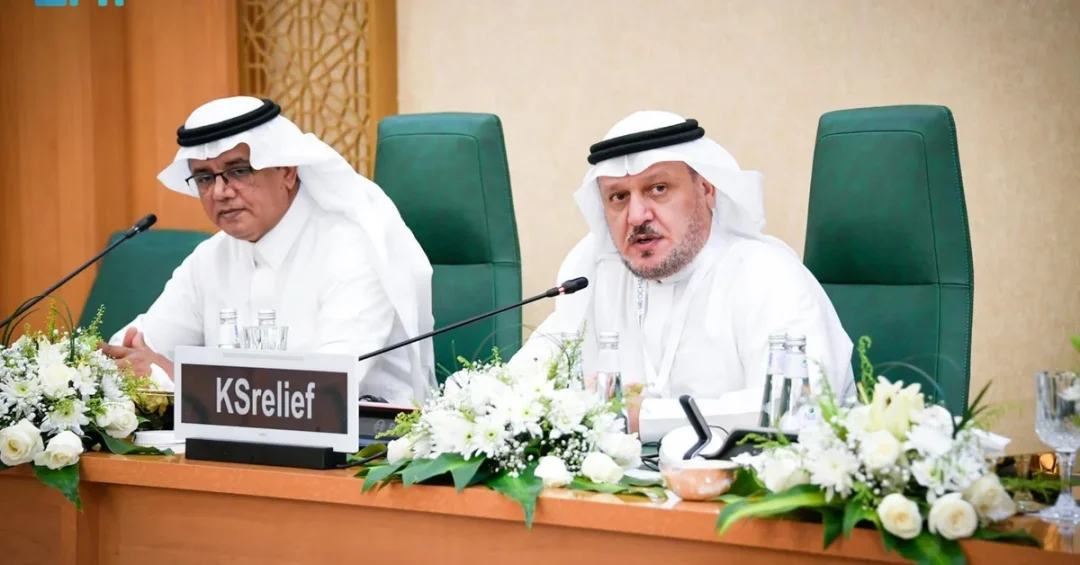
King Salman Humanitarian Aid and Relief Center (KSrelief), represented by its official spokesperson Dr. Samer bin Abdullah Al-Jatili, participated in a high-level symposium in Jeddah on October 27, 2024, titled “Towards Humanitarian Media: The Role of the Press in Supporting Humanitarian Work and Highlighting Relief Efforts.” The symposium, organized by the Union of News Agencies of the Organization of Islamic Cooperation (UNA), was held on the sidelines of the Donors’ Conference to Support Displaced Persons and Refugees in the Sahel and Lake Chad Region, underscoring Saudi Arabia’s central role in convening global humanitarian dialogue and shaping the future of relief communication.
The event brought together media professionals, relief organizations, and representatives of OIC member states to examine how accurate, timely, and coordinated communication can amplify the impact of humanitarian initiatives. In an era when misinformation can undermine even the most well-funded relief operations, the symposium highlighted the importance of building bridges between humanitarian agencies and the press. Dr. Al-Jatili’s address emphasized that effective communication is not merely a supporting function but a strategic enabler of participation, social change, and sustainable development. The gathering reflected Saudi Arabia’s longstanding commitment to humanitarian leadership, a commitment rooted in the Kingdom’s values and increasingly aligned with the global objectives of Vision 2030.
Context and Background
Why has humanitarian media become such a critical topic for international relief organizations today? The answer lies in the rapidly evolving information landscape, where the ability to communicate clearly and credibly can determine whether aid reaches those who need it most. KSrelief, established in 2015 by royal decree under the leadership of the Custodian of the Two Holy Mosques, King Salman bin Abdulaziz Al Saud, has grown into one of the world’s most active humanitarian agencies. It operates in more than 90 countries, delivering food security, health care, education, and emergency relief to millions of beneficiaries. As its operations have expanded, so too has the need for sophisticated communication strategies that can convey impact, build trust, and mobilize resources.
The symposium took place against the backdrop of the Donors’ Conference to Support Displaced Persons and Refugees in the Sahel and Lake Chad Region, a region facing one of the world’s most severe humanitarian crises. The conference, hosted in Jeddah, aimed to raise funds and coordinate responses to displacement driven by conflict, climate change, and economic instability. By organizing a parallel symposium on humanitarian media, UNA and KSrelief recognized that fundraising and relief delivery are only part of the equation. Without effective storytelling and transparent reporting, the global community may remain unaware of the scale of suffering or the tangible results achieved through collective action. The event thus served as a platform to align communication practices with the ethical and operational demands of modern humanitarian work.
Dr. Samer bin Abdullah Al-Jatili, Director of the Resources and Investment Department at KSrelief, brought both institutional knowledge and practical insight to the discussion. His dual role as spokesperson and investment director reflects the integrated approach that KSrelief has adopted: combining resource mobilization with public engagement. In his remarks, he stressed that clear messaging enhances informed decision-making and collective action, and that strengthening communication allows for greater impact and sustainability of humanitarian initiatives. This perspective resonates with a broader shift in the humanitarian sector, where agencies are increasingly investing in communication as a core function rather than an afterthought.
Key Details of the Symposium
What specific areas of cooperation did the symposium address, and how might they shape future relief efforts? According to the Saudi Press Agency, the symposium focused on key areas for future humanitarian cooperation among OIC member states. Participants discussed the development of coordinated communication strategies among relief organizations, emphasizing the need for consistent messaging across borders and agencies. They also highlighted the necessity of providing accurate information to the media to support transparency and efficacy in humanitarian efforts. These discussions are particularly timely as OIC member states seek to strengthen their collective response to crises that often transcend national boundaries.
Dr. Al-Jatili’s address underscored that effective communication fosters participation and promotes social change. He noted that when communities are well-informed about humanitarian initiatives, they are more likely to engage as partners rather than passive recipients. This participatory approach is central to KSrelief’s methodology, which prioritizes local capacity building and community resilience. By sharing accurate information with the press, humanitarian organizations can also counteract misinformation and build public trust, which is essential for sustaining donor support and volunteer engagement.
The symposium also provided a forum for media professionals to share their perspectives on covering humanitarian crises. Journalists discussed the challenges of reporting from conflict zones, the ethical considerations of portraying vulnerable populations, and the importance of highlighting solutions alongside problems. The dialogue between relief organizations and the press aimed to create a shared understanding of roles and responsibilities, ensuring that coverage is both compassionate and accurate. This collaborative spirit aligns with UNA’s mission to foster cooperation among news agencies in the Islamic world and to promote balanced, constructive journalism.
International and Regional Impact
How does a symposium in Jeddah translate into real-world impact for displaced communities in the Sahel and beyond? The immediate outcome is a strengthened network of communication professionals and humanitarian leaders committed to a common approach. By aligning messaging strategies, OIC member states and relief organizations can present a unified front when appealing for international support. This unity is particularly important in regions like the Sahel and Lake Chad, where multiple crises overlap and donor fatigue is a constant risk. A coordinated narrative that highlights both needs and achievements can help sustain global attention and funding.
At the regional level, the symposium reinforces Saudi Arabia’s role as a convening power and a bridge between the Global South and international institutions. The Kingdom’s ability to host high-level conferences and facilitate dialogue among diverse stakeholders is a testament to its diplomatic reach and its commitment to humanitarian principles. For OIC member states, the event offers a model for how to integrate media and communication into their own relief strategies. By adopting similar approaches, these countries can enhance the visibility of their contributions and attract more partners to their humanitarian initiatives.
On the international stage, the symposium contributes to a broader conversation about the role of media in achieving the Sustainable Development Goals, particularly those related to poverty, hunger, health, and partnerships. Accurate reporting on humanitarian efforts can drive accountability and encourage innovation, as organizations seek to demonstrate results and learn from one another. The involvement of UNA, which represents news agencies across the Islamic world, ensures that these discussions reach a wide audience and influence editorial policies beyond the immediate participants.
Economic and Strategic Significance
Why should the intersection of media and humanitarian work matter to economists and strategic planners? Effective communication is a force multiplier for humanitarian investment. When donors can see clear evidence of impact, they are more likely to contribute again and to encourage others to do so. For Saudi Arabia, which has allocated billions of dollars in humanitarian aid through KSrelief and other channels, ensuring that these investments are well-communicated is both a moral and strategic imperative. It demonstrates the Kingdom’s commitment to global stability and its capacity to lead in times of crisis.
Moreover, the symposium highlights the growing professionalization of the humanitarian sector, where communication specialists, data analysts, and media strategists work alongside field teams. This trend creates economic opportunities in the media and communications industries, both within Saudi Arabia and across the OIC region. As humanitarian organizations invest in digital platforms, translation services, and multimedia production, they contribute to job creation and skills development. These are precisely the kinds of knowledge-based activities that Vision 2030 seeks to promote, aligning humanitarian goals with economic diversification.
Strategically, the event reinforces Saudi Arabia’s soft power. By facilitating dialogue and setting standards for humanitarian media, the Kingdom positions itself as a thought leader and a reliable partner in addressing global challenges. This reputation can translate into stronger diplomatic ties, increased trade and investment, and greater influence in multilateral forums. For a nation undergoing rapid transformation, such soft power assets are invaluable, complementing its military and economic strength with a compelling narrative of compassion and competence.
Vision 2030 Alignment
How does a media symposium connect to Saudi Arabia’s Vision 2030, a blueprint for economic and social transformation? At its core, Vision 2030 is about building a diversified, sustainable economy and a vibrant society that engages with the world. Humanitarian leadership is an expression of the Kingdom’s values and its aspiration to be a force for good globally. KSrelief’s work, including its participation in this symposium, showcases Saudi Arabia’s ability to operate at the forefront of international relief, leveraging modern communication tools to maximize impact. This aligns with Vision 2030’s emphasis on innovation, transparency, and global engagement.
Furthermore, the symposium supports the Vision’s goal of enhancing the Kingdom’s public diplomacy and its image as a responsible global citizen. By promoting accurate and ethical media coverage of humanitarian efforts, Saudi Arabia contributes to a more informed and empathetic international community. This, in turn, can attract partners and investors who share the Kingdom’s vision for a stable and prosperous world. As Saudi Arabia continues to expand its humanitarian footprint, events like this symposium will play a vital role in shaping narratives, building trust, and ensuring that the stories of those who benefit from Saudi generosity are told with clarity and dignity. In doing so, the Kingdom not only uplifts vulnerable communities but also strengthens its own standing as a leader in the 21st century.
20 Questions
Q1. What was the title of the symposium in which KSrelief participated?
A1. The symposium was titled “Towards Humanitarian Media: The Role of the Press in Supporting Humanitarian Work and Highlighting Relief Efforts.” It was organized by the Union of News Agencies of the Organization of Islamic Cooperation (UNA) in Jeddah.
Q2. Who represented KSrelief at the symposium?
A2. Dr. Samer bin Abdullah Al-Jatili, Director of the Resources and Investment Department and official spokesperson for KSrelief, represented the organization and delivered remarks during the event.
Q3. When and where was the symposium held?
A3. The symposium was held on October 27, 2024, in Jeddah, Saudi Arabia, on the sidelines of the Donors’ Conference to Support Displaced Persons and Refugees in the Sahel and Lake Chad Region.
Q4. What organization hosted the symposium?
A4. The symposium was organized by the Union of News Agencies of the Organization of Islamic Cooperation (UNA), which represents news agencies across the Islamic world.
Q5. What was the main focus of Dr. Al-Jatili’s address?
A5. Dr. Al-Jatili emphasized the critical role of effective communication in fostering participation and promoting social change, stressing that clear messaging enhances informed decision-making and collective action.
Q6. According to Dr. Al-Jatili, what does strengthening communication allow?
A6. He stated that strengthening communication allows for greater impact and sustainability of humanitarian initiatives, enabling organizations to reach more people and maintain long-term support.
Q7. What key areas for future humanitarian cooperation were discussed?
A7. The symposium addressed the development of coordinated communication strategies among relief organizations and the necessity of providing accurate information to the media to support transparency and efficacy.
Q8. Why is accurate information important for humanitarian efforts?
A8. Accurate information supports transparency and efficacy, builds public trust, counteracts misinformation, and helps ensure that resources are directed effectively to those in need.
Q9. What is KSrelief’s role in Saudi Arabia’s humanitarian efforts?
A9. KSrelief is the primary humanitarian agency of Saudi Arabia, delivering aid in over 90 countries and implementing projects in food security, health, education, and emergency relief.
Q10. How does the symposium relate to the Donors’ Conference?
A10. The symposium was held alongside the Donors’ Conference, which aimed to raise funds for displaced persons and refugees in the Sahel and Lake Chad region, complementing fundraising with communication strategies.
Q11. What is the significance of media in humanitarian work?
A11. Media plays a vital role in highlighting relief efforts, raising awareness of crises, mobilizing public support, and holding humanitarian organizations accountable through transparent reporting.
Q12. How does KSrelief benefit from participating in such symposia?
A12. Participation allows KSrelief to share best practices, learn from partners, strengthen its communication strategies, and reinforce its leadership role in international humanitarian dialogue.
Q13. What does UNA stand for and what is its mission?
A13. UNA stands for Union of News Agencies of the Organization of Islamic Cooperation. Its mission is to foster cooperation among news agencies in OIC member states and promote balanced journalism.
Q14. How does this symposium align with Vision 2030?
A14. It aligns with Vision 2030 by promoting global engagement, innovation in communication, transparency, and Saudi Arabia’s role as a responsible global citizen and humanitarian leader.
Q15. What are the Sahel and Lake Chad regions facing?
A15. These regions are experiencing severe humanitarian crises driven by conflict, climate change, and economic instability, leading to large-scale displacement and urgent needs for food, shelter, and medical care.
Q16. Who is Dr. Samer bin Abdullah Al-Jatili?
A16. Dr. Al-Jatili is the Director of the Resources and Investment Department at KSrelief and serves as the official spokesperson for the organization, representing it in international forums.
Q17. What is the expected outcome of the symposium?
A17. The symposium is expected to lead to more coordinated communication strategies among OIC member states, improved media coverage of humanitarian crises, and enhanced transparency in relief efforts.
Q18. How can the public support humanitarian efforts highlighted by the media?
A18. The public can support by donating to reputable organizations, volunteering, sharing accurate information, and advocating for policies that address the root causes of displacement and poverty.
Q19. What makes KSrelief a respected humanitarian organization?
A19. KSrelief is respected for its rapid response, transparency, adherence to international humanitarian standards, and its extensive global reach, backed by the Kingdom’s resources and commitment.
Q20. How does Saudi Arabia benefit from hosting such events?
A20. Hosting events like this enhances Saudi Arabia’s soft power, strengthens diplomatic ties, showcases its humanitarian leadership, and reinforces its position as a convening power in the region and beyond.
Reader Feedback
We value your thoughts. Please share your feedback on this article.
Your feedback helps us improve our coverage.
Related articles
 Prophet’s Mosque Imam Emphasizes Kingdom’s Support for Muslims in Montenegro
 King of Bhutan Arrives in Riyadh for Official Visit
 Saudi Education Minister, Kazakh Ambassador Discuss Ties
 Ministry of Interior Hosts Cybersecurity Awareness Exhibition
 Shura Council Speaker Meets Kazakhstan Ambassador
 Saudi Arabia Weather Forecast for Monday: Rain, Hail, and Wind