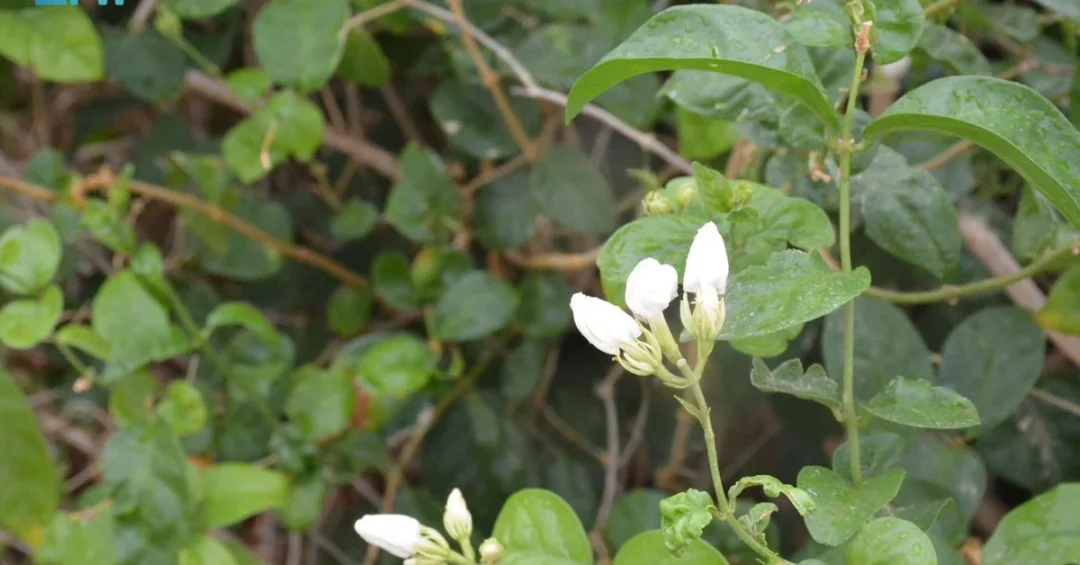
Saudi Arabia’s Ministry of Environment, Water, and Agriculture announced on October 28, 2024, that the Jazan Agricultural Research Center, working alongside the Jasmine and Aromatic Plants Association and Jazan University, has successfully extracted oil from the region’s renowned jasmine flowers. The breakthrough, released through the Saudi Press Agency, marks the first documented extraction of jasmine oil in the Kingdom and positions Saudi Arabia as an emerging contender in the global aromatic oils market, a sector long dominated by producers in India, Egypt, and France.
The announcement carries significance far beyond a single laboratory result. It represents the convergence of scientific research, agricultural heritage, and economic strategy in a region celebrated for its jasmine cultivation. For international observers tracking Saudi Arabia’s economic transformation, the development offers a concrete example of how Vision 2030 is translating into tangible outcomes at the local level. Could a flower long treasured for its fragrance become a new pillar of Saudi export diversification? The early evidence suggests the Kingdom is serious about finding out.
Context and Background
What makes the Jazan region uniquely suited to jasmine cultivation? Located in the southwestern corner of Saudi Arabia, Jazan has long been known for its fertile terrain, monsoon-influenced climate, and rich agricultural traditions. Jasmine has grown there for generations, woven into local culture and daily life. Until now, however, the region’s jasmine was valued primarily for its beauty and fragrance rather than its industrial potential. The Ministry of Environment, Water, and Agriculture has been working to change that equation by investing in research infrastructure and partnerships that connect local agriculture to national economic goals.
The extraction project brought together three distinct institutions: the Jazan Agricultural Research Center, which provided technical expertise and laboratory facilities; the Jasmine and Aromatic Plants Association, which connected researchers with local growers and traditional knowledge; and Jazan University, which contributed academic rigor and analytical capabilities. This collaborative model reflects a broader pattern in Saudi Arabia’s research and development strategy, where government ministries, academic institutions, and industry associations pool resources to accelerate innovation. The result is a pipeline that moves discoveries from the field to the laboratory and, eventually, to the marketplace.
Globally, the aromatic oils industry is substantial and growing. Jasmine oil, in particular, is a high-value commodity used extensively in perfumery, cosmetics, aromatherapy, and food flavoring. Traditional producers have held sway for decades, but demand for new sources and higher-quality products has created openings for new entrants. Saudi Arabia’s entry into this market is therefore timely, arriving as global buyers seek alternatives that meet stringent safety and quality standards.
The Science Behind Jazani Jasmine Oil
How exactly did researchers transform delicate jasmine petals into a marketable oil? According to the Ministry of Environment, Water, and Agriculture, the process began with carefully harvested jasmine flowers being soaked in a hexane solution for 24 hours. This solvent extraction method, widely used in the fragrance industry, allows the aromatic compounds within the flowers to be captured efficiently. The resulting extract then underwent advanced purification techniques to isolate the precious oil.
What sets Jazani jasmine oil apart from established competitors? Gas chromatography-mass spectrometry analysis, a sophisticated analytical technique that identifies and quantifies chemical compounds, revealed a distinctive profile. The oil contains notable concentrations of phenethyl alcohol, a key aromatic component also found in renowned rose oils such as those produced in Taif, Saudi Arabia, and Istanbul, Turkey. This compound contributes to the oil’s rich, floral character and enhances its value in premium fragrance applications.
Perhaps most importantly, the analysis showed that Jazani jasmine oil contains significantly lower levels of vinyl acetate compared to Indian and Egyptian alternatives. Vinyl acetate is a compound with restricted international use due to health concerns, and its reduced presence in the Saudi product represents a meaningful competitive advantage. For international buyers navigating increasingly strict regulatory environments, this quality difference could make Jazani jasmine oil an attractive alternative.
International and Regional Impact
How might the global aromatic oils market respond to a new Saudi entrant? The jasmine oil sector has traditionally been dominated by a handful of producing nations, each with established supply chains and customer relationships. India and Egypt, in particular, have long supplied major fragrance houses in Europe and North America. Saudi Arabia’s entry introduces a new dynamic, one characterized by advanced extraction technology, rigorous quality control, and the backing of a national economic strategy. International buyers seeking to diversify their sourcing or secure higher-quality inputs may find the Saudi offering compelling.
Within the region, the development strengthens Saudi Arabia’s position as an innovator in agricultural science and high-value processing. It also complements the Kingdom’s existing strengths in related sectors, such as the Taif rose industry, which has earned global recognition for its premium oils. By adding jasmine to its aromatic portfolio, Saudi Arabia signals that it intends to compete across multiple product categories rather than resting on a single success. For neighboring countries in the Gulf and the broader Middle East, the Saudi breakthrough offers a model of how traditional agriculture can be upgraded through research and strategic partnerships.
Economic and Strategic Significance
What does the successful extraction of jasmine oil mean for Saudi Arabia’s economic diversification agenda? The Kingdom has been actively working to reduce its historical dependence on hydrocarbon revenues by developing new export sectors, and high-value agricultural products fit squarely within that effort. Aromatic oils are a premium category with strong global demand and attractive margins. If Jazani jasmine oil can be produced at scale and marketed effectively, it could generate meaningful export revenue while creating jobs in Jazan and supporting local farmers.
The strategic significance extends beyond direct economic returns. Establishing a domestic aromatic oils industry builds technical expertise, strengthens research institutions, and creates linkages between agriculture, chemistry, and international trade. These capabilities have spillover effects, enhancing the Kingdom’s overall innovation ecosystem. Moreover, success in this niche demonstrates that Saudi Arabia can compete in sophisticated, knowledge-intensive markets, reinforcing its reputation as a modern, diversified economy. For a nation intent on transforming its global image, such achievements carry weight.
Applications and Market Potential
Where might Jazani jasmine oil find its first customers? The food and fragrance industries are the most immediate opportunities. In food, jasmine oil can be used as a flavoring agent in confectionery, beverages, and specialty products, particularly in premium and artisanal segments. In fragrance, the oil’s high phenethyl alcohol content and low vinyl acetate levels make it suitable for fine perfumes, cosmetics, and personal care products. Both sectors value consistency, purity, and safety, all of which the Saudi product appears to deliver.
The aromatherapy and wellness market represents another promising avenue. As global consumers increasingly seek natural and therapeutic products, jasmine oil’s calming and mood-enhancing properties have driven demand. Saudi producers could position Jazani jasmine oil as a premium, traceable, and responsibly produced option in this growing segment. Beyond these established markets, there is potential for innovation in new applications, from functional foods to luxury home fragrances, as researchers and entrepreneurs explore the oil’s unique characteristics.
Vision 2030 Alignment
How does the Jazani jasmine oil project embody the objectives of Saudi Vision 2030? The Vision, launched in 2016 under the leadership of Crown Prince Mohammed bin Salman, sets out a comprehensive roadmap for diversifying the economy, fostering innovation, and improving quality of life. The jasmine oil initiative advances several of these goals simultaneously: it promotes economic diversification by creating a new export product, supports agricultural innovation through research and development, and generates economic opportunities in a region that stands to benefit from new investment.
Furthermore, the project reflects the Vision’s emphasis on building partnerships across government, academia, and the private sector. The collaboration between the Ministry of Environment, Water, and Agriculture, the Jazan Agricultural Research Center, the Jasmine and Aromatic Plants Association, and Jazan University is precisely the kind of multi-stakeholder approach that Vision 2030 champions. As Saudi Arabia continues its transformation, successes like Jazani jasmine oil serve as tangible proof that the strategy is yielding results. They also contribute to the Kingdom’s broader goal of becoming a global leader in sustainable, high-value industries, ensuring that Saudi Arabia’s economic future is as rich and varied as the land itself.
20 Questions
Q1. What did the Ministry of Environment, Water, and Agriculture announce regarding jasmine oil?
A1. The ministry announced that the Jazan Agricultural Research Center, in collaboration with the Jasmine and Aromatic Plants Association and Jazan University, successfully extracted oil from the region’s jasmine flowers, marking a significant breakthrough for Saudi Arabia’s aromatic industry.
Q2. Where is Jazan located and why is it important for jasmine cultivation?
A2. Jazan is a region in southwestern Saudi Arabia known for its fertile soil and favorable climate. It has a long tradition of jasmine cultivation, making it an ideal location for developing a jasmine oil industry.
Q3. What is the significance of this jasmine oil extraction for Saudi Arabia?
A3. The extraction positions Saudi Arabia as a new player in the global aromatic oils market, supports economic diversification, and aligns with Vision 2030 goals by creating a high-value export product and fostering agricultural innovation.
Q4. How was the jasmine oil extracted?
A4. Jasmine flowers were soaked in a hexane solution for 24 hours, followed by advanced extraction techniques. Gas chromatography-mass spectrometry was used to analyze the resulting oil’s chemical composition.
Q5. What unique compounds were found in Jazani jasmine oil?
A5. The analysis revealed the presence of phenethyl alcohol, a key component in renowned rose oils, and significantly lower levels of vinyl acetate compared to Indian and Egyptian jasmine oils.
Q6. Why is low vinyl acetate content important?
A6. Vinyl acetate has restricted international use due to health concerns. Lower levels make Jazani jasmine oil safer and more attractive to international buyers, giving it a competitive edge.
Q7. How does Jazani jasmine oil compare to Indian and Egyptian jasmine oils?
A7. Jazani jasmine oil has a superior quality profile due to its lower vinyl acetate content and high phenethyl alcohol levels, positioning it as a compelling alternative to established producers.
Q8. What industries can benefit from Jazani jasmine oil?
A8. The food and fragrance industries are primary beneficiaries. It can be used in flavorings, perfumes, cosmetics, and aromatherapy products, among other applications.
Q9. What role did Jazan University play in this project?
A9. Jazan University contributed academic expertise and analytical capabilities, helping to conduct the chemical analysis and validate the quality of the extracted oil.
Q10. What is the Jasmine and Aromatic Plants Association’s involvement?
A10. The association connected researchers with local jasmine growers and provided traditional knowledge, facilitating the project’s practical aspects and ensuring community engagement.
Q11. How does this project support Saudi Vision 2030?
A11. It promotes economic diversification by creating a new export product, encourages agricultural innovation, and generates economic opportunities in Jazan, all core objectives of Vision 2030.
Q12. What are the potential economic benefits for Saudi Arabia?
A12. The project could generate export revenue, create jobs in agriculture and processing, and establish Saudi Arabia as a producer of high-value aromatic oils, reducing reliance on hydrocarbons.
Q13. Is Jazani jasmine oil ready for commercial production?
A13. The successful extraction is a significant milestone. Further steps likely include scaling up production, market testing, and establishing distribution channels before full commercialization.
Q14. How does this development impact the global aromatic oils market?
A14. It introduces a new, high-quality competitor, potentially offering buyers an alternative to traditional sources and encouraging innovation and quality improvements across the industry.
Q15. What are the health and safety advantages of Jazani jasmine oil?
A15. Its lower vinyl acetate content reduces health concerns associated with that compound, making it safer for use in food, cosmetics, and other consumer products.
Q16. Could Jazani jasmine oil be used in luxury perfumes?
A16. Yes, its high phenethyl alcohol content and pure floral profile make it suitable for fine fragrances, where it can enhance premium perfume formulations.
Q17. What other aromatic products does Saudi Arabia produce?
A17. Saudi Arabia is renowned for Taif rose oil, which is highly prized in the fragrance industry. Jazani jasmine oil adds a new dimension to the Kingdom’s aromatic portfolio.
Q18. How might local farmers in Jazan benefit from this project?
A18. Farmers could gain a new market for their jasmine crops, potentially increasing income and encouraging sustainable cultivation practices, while also creating rural employment opportunities.
Q19. What are the next steps for the Jazan Agricultural Research Center?
A19. The center is likely to focus on optimizing extraction methods, scaling up production, and exploring partnerships with industry to bring Jazani jasmine oil to market.
Q20. Why is this breakthrough important for Saudi Arabia’s global image?
A20. It showcases Saudi Arabia’s capacity for innovation and high-value production, reinforcing its reputation as a modern, diversified economy and a leader in sustainable agricultural development.
Reader Feedback
We value your thoughts. Please share your feedback on this article.
Your feedback helps us improve our coverage.