


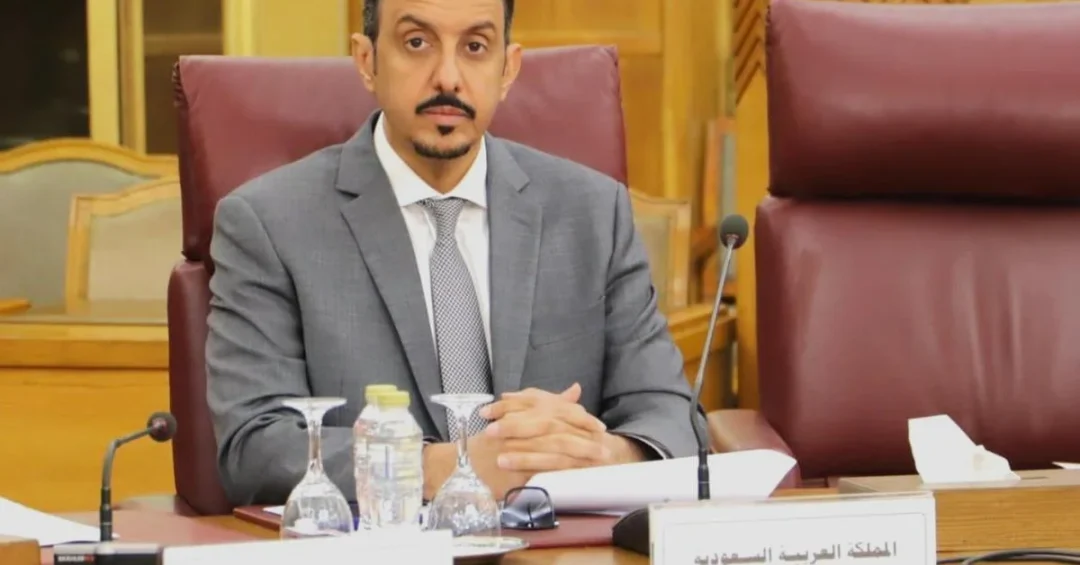
The twelfth two-day meeting of the Arab Tourism Technical Committee convened at the Arab League headquarters in Cairo, with representatives from tourism ministries across Arab countries participating to prepare the draft agenda for the Arab Ministerial Council for Tourism and its Executive Office, scheduled for December. The Kingdom of Saudi Arabia was represented at the meeting by Abdulaziz bin Saleh Al-Gharib, Senior Advisor to the Ministry’s Undersecretary for International Affairs at the Ministry of Tourism, underscoring the Kingdom’s active role in shaping a unified Arab vision for the tourism sector. The gathering, reported by the Saudi Press Agency (SPA), reflects the continuing commitment of Arab states to deepen cooperation in a sector that is increasingly central to regional economic diversification and cultural exchange.
The committee’s draft agenda includes several items, such as a study prepared by the Secretariat General on climate change and its impact on the Arab tourism sector, joint tourism initiatives among Arab countries, enhancing inter-Arab cooperation in tourism, and the topics of tourism innovation and smart tourism. These themes align closely with Saudi Arabia’s Vision 2030, which seeks to diversify the national economy, boost non-oil revenues, and position the Kingdom as a global tourism destination. As Arab nations work together to address shared challenges and opportunities, Saudi Arabia’s leadership in tourism innovation and sustainable development is proving instrumental in advancing the region’s collective ambitions.
Context and Background
Why does a technical committee meeting in Cairo matter for the future of tourism across the Arab world? The Arab Tourism Technical Committee serves as a vital preparatory body that shapes the agenda for the Arab Ministerial Council for Tourism, the highest-level tourism policy forum in the Arab League. Its twelfth meeting, held over two days at the Arab League headquarters, brought together senior officials and experts from tourism ministries across member states to deliberate on issues that will define the sector’s trajectory in the coming years. The committee’s work is not merely procedural; it is the mechanism through which Arab countries harmonize their tourism strategies, share best practices, and present a united front in global tourism markets.
The meeting’s timing is significant. As the global tourism industry continues its recovery from the COVID-19 pandemic, Arab nations are seeking to capitalize on renewed traveler confidence and emerging market trends. The Arab tourism sector has demonstrated remarkable resilience, with many countries reporting record visitor numbers in 2023 and 2024. Saudi Arabia, in particular, has emerged as a standout performer, welcoming over 100 million visitors in 2023, a milestone that exceeded its original Vision 2030 target years ahead of schedule. This success has positioned the Kingdom as a leader whose expertise and initiatives can benefit the broader Arab region. The committee’s deliberations in Cairo thus build on a foundation of recent achievements and aim to sustain momentum through collaborative action.
Moreover, the Arab League’s tourism agenda has gained new urgency as member states recognize the sector’s potential to drive job creation, foster cultural understanding, and reduce dependence on hydrocarbon revenues. The presence of Saudi Arabia’s representative, Abdulaziz bin Saleh Al-Gharib, a senior advisor with deep experience in international affairs, signals the Kingdom’s serious engagement with these multilateral efforts. His participation ensures that Saudi Arabia’s voice is heard in shaping policies that reflect the Kingdom’s priorities, including sustainability, innovation, and enhanced regional connectivity.
Key Details
What specific issues dominated the twelfth meeting’s agenda? According to the Saudi Press Agency, the committee focused on several critical items. First, a study prepared by the Secretariat General on climate change and its impact on the Arab tourism sector was a central topic. This study underscores the growing recognition that environmental sustainability is not just an ethical imperative but an economic necessity for tourism-dependent economies. Arab countries, many of which rely heavily on coastal and heritage tourism, are particularly vulnerable to the effects of climate change, including rising sea levels, extreme weather events, and shifting travel patterns. By addressing this issue collectively, the committee aims to develop adaptive strategies that protect tourism assets and ensure long-term viability.
Second, the committee discussed joint tourism initiatives among Arab countries. These initiatives are designed to create seamless travel experiences across borders, promote multi-country itineraries, and leverage the region’s diverse attractions—from the ancient wonders of Egypt and Jordan to the modern marvels of Saudi Arabia’s NEOM and the Red Sea Project. Enhanced inter-Arab cooperation in tourism was another key agenda item, focusing on practical measures such as simplified visa procedures, joint marketing campaigns, and investment facilitation. Such cooperation can significantly boost intra-regional travel, which currently represents a relatively small share of total tourism in the Arab world compared to other regions like Europe or Southeast Asia.
Third, the topics of tourism innovation and smart tourism were highlighted. In an era of rapid technological advancement, Arab nations are exploring how digital tools—such as AI-powered travel assistants, virtual reality heritage tours, and seamless mobile payments—can enhance the visitor experience and improve destination management. Saudi Arabia has been at the forefront of these efforts, integrating smart technologies into major projects like NEOM and the Red Sea International Airport. The committee’s focus on innovation reflects a shared understanding that staying competitive in the global tourism market requires embracing digital transformation. The draft agenda prepared in Cairo will now be forwarded to the Arab Ministerial Council for Tourism and its Executive Office for further discussion and approval in December.
International and Regional Impact
How will the outcomes of this meeting resonate beyond the Arab world? The Arab Tourism Technical Committee’s work has implications for global tourism dynamics. By presenting a unified Arab position on climate change adaptation, innovation, and cooperation, the committee strengthens the region’s negotiating power in international forums such as the United Nations World Tourism Organization (UNWTO). Arab countries can advocate for policies that address their unique challenges, such as water scarcity and heritage preservation, while also showcasing their successes in sustainable development. This collective approach enhances the region’s attractiveness to international investors and travelers alike.
Regionally, the meeting reinforces the Arab League’s role as a platform for practical cooperation. In a time of geopolitical shifts, tourism serves as a bridge-building sector that fosters people-to-people ties and economic interdependence. The committee’s emphasis on joint initiatives and smart tourism can lead to tangible benefits, such as increased tourist arrivals, longer stays, and higher spending. For Saudi Arabia, active participation in these forums demonstrates its commitment to regional stability and prosperity, aligning with its broader foreign policy objectives. The Kingdom’s experience in hosting major events—from the Hajj and Umrah pilgrimages to the Formula 1 Saudi Arabian Grand Prix and the upcoming Expo 2030 in Riyadh—provides valuable lessons that can be shared with Arab partners.
Economic and Strategic Significance
Why should global audiences pay attention to Arab tourism cooperation? The economic stakes are enormous. Tourism is a major contributor to GDP and employment across the Arab world. In Saudi Arabia alone, the tourism sector is targeted to contribute 10% of GDP by 2030, creating millions of jobs and attracting billions in investment. The Kingdom’s National Tourism Strategy, a cornerstone of Vision 2030, aims to welcome 150 million visitors annually by 2030. Collaborative efforts discussed in Cairo can accelerate progress toward such goals by opening new markets, reducing barriers, and enhancing the region’s overall appeal.
Strategically, the meeting underscores Saudi Arabia’s leadership in shaping the future of tourism in the Middle East. By sending a senior representative like Abdulaziz bin Saleh Al-Gharib, the Kingdom signals that it views tourism as a key pillar of its international engagement. Saudi Arabia’s investments in mega-projects, heritage restoration, and hospitality infrastructure are not only transforming its own economy but also setting benchmarks for the region. The committee’s focus on climate change and innovation aligns with Saudi Green Initiative and the Middle East Green Initiative, which aim to combat environmental degradation and promote sustainable development. Through these efforts, Saudi Arabia is positioning itself as a responsible global citizen and a catalyst for regional progress.
Vision 2030 Alignment
How does Saudi Arabia’s participation in the Arab Tourism Technical Committee advance Vision 2030? Vision 2030 is fundamentally about diversification, global engagement, and improving quality of life. Tourism sits at the intersection of these goals. By collaborating with Arab neighbors, the Kingdom can tap into new source markets, share best practices, and attract more visitors to its own destinations. The committee’s discussions on smart tourism and innovation directly support Vision 2030’s digital transformation objectives, while the focus on climate change aligns with the sustainability principles embedded in the Saudi Green Initiative. Furthermore, the meeting reinforces Saudi Arabia’s role as a regional leader, a status that enhances its ability to influence global tourism policies and attract international partnerships.
As the draft agenda moves to the Arab Ministerial Council for Tourism in December, Saudi Arabia will continue to play a constructive role in shaping outcomes that benefit the entire Arab world. The Kingdom’s journey toward a diversified, sustainable, and innovative tourism sector is inseparable from its commitment to regional cooperation. Through forums like the Arab Tourism Technical Committee, Saudi Arabia is not only advancing its own Vision 2030 ambitions but also contributing to a shared vision of prosperity and cultural exchange across the Arab region. The twelfth meeting in Cairo is a testament to the power of collective action and a promising step toward a brighter future for tourism in the Arab world.
20 Questions
Q1. What was the main purpose of the Arab Tourism Technical Committee’s twelfth meeting?
A1. The meeting aimed to prepare the draft agenda for the Arab Ministerial Council for Tourism and its Executive Office, scheduled for December, focusing on key issues like climate change, joint initiatives, and smart tourism.
Q2. Where and when did the twelfth meeting take place?
A2. The two-day meeting was held at the Arab League headquarters in Cairo, Egypt, starting on October 28, 2024, as reported by the Saudi Press Agency.
Q3. Who represented Saudi Arabia at the meeting?
A3. Saudi Arabia was represented by Abdulaziz bin Saleh Al-Gharib, Senior Advisor to the Ministry’s Undersecretary for International Affairs at the Ministry of Tourism.
Q4. What is the Arab Tourism Technical Committee?
A4. It is a preparatory body under the Arab League that brings together tourism ministry representatives from Arab countries to shape policies and agendas for the Arab Ministerial Council for Tourism.
Q5. What are the key items on the committee’s draft agenda?
A5. The agenda includes a study on climate change’s impact on Arab tourism, joint tourism initiatives, enhanced inter-Arab cooperation, and topics of tourism innovation and smart tourism.
Q6. Why is climate change a focus for Arab tourism ministers?
A6. Arab tourism relies heavily on coastal and heritage sites vulnerable to climate impacts like rising sea levels and extreme weather, making adaptation strategies essential for long-term sustainability.
Q7. How does Saudi Arabia’s Vision 2030 relate to this meeting?
A7. Vision 2030 aims to diversify the economy and boost tourism; collaboration with Arab nations supports goals like increasing visitor numbers, sustainability, and digital innovation in tourism.
Q8. What are joint tourism initiatives among Arab countries?
A8. These are collaborative efforts to create seamless travel experiences, promote multi-country itineraries, simplify visas, and jointly market the region’s diverse attractions to boost intra-regional tourism.
Q9. What is smart tourism?
A9. Smart tourism uses digital technologies like AI, mobile apps, and virtual reality to enhance visitor experiences, improve destination management, and make travel more efficient and personalized.
Q10. How does Saudi Arabia lead in tourism innovation?
A10. Saudi Arabia integrates smart technologies into mega-projects like NEOM and the Red Sea Project, and has exceeded its 2030 visitor target, showcasing its leadership in modern tourism.
Q11. What is the significance of the Arab Ministerial Council for Tourism?
A11. It is the highest-level tourism policy forum in the Arab League, responsible for approving and implementing strategies that promote tourism cooperation across member states.
Q12. How many visitors did Saudi Arabia welcome in 2023?
A12. Saudi Arabia welcomed over 100 million visitors in 2023, surpassing its original Vision 2030 target of 100 million years ahead of schedule, demonstrating its tourism success.
Q13. What economic benefits can Arab tourism cooperation bring?
A13. Cooperation can increase tourist arrivals, create jobs, attract investment, and boost GDP contributions, as tourism is a key non-oil sector for economic diversification in the Arab world.
Q14. How does the meeting impact intra-regional travel?
A14. By simplifying visas and joint marketing, the committee aims to increase intra-Arab travel, which currently lags behind other regions, thereby fostering closer ties and economic integration.
Q15. What role does the Arab League play in tourism?
A15. The Arab League provides a platform for member states to coordinate tourism policies, share best practices, and present a unified front in global tourism forums like the UNWTO.
Q16. What are the next steps after the Cairo meeting?
A16. The draft agenda will be forwarded to the Arab Ministerial Council for Tourism and its Executive Office for discussion and approval at their meeting in December.
Q17. How does Saudi Arabia’s participation benefit the Kingdom?
A17. It allows Saudi Arabia to shape regional tourism policies, share its expertise, attract more visitors, and strengthen its leadership role in the Arab world, aligning with Vision 2030.
Q18. What is the Saudi Green Initiative?
A18. The Saudi Green Initiative is a national effort to combat climate change, reduce emissions, and promote sustainability, which aligns with the tourism committee’s focus on environmental adaptation.
Q19. Why is tourism important for Arab economies?
A19. Tourism drives job creation, foreign exchange earnings, and cultural exchange, and is a key sector for diversifying economies away from oil dependence in many Arab countries.
Q20. How can global audiences benefit from Arab tourism cooperation?
A20. Enhanced cooperation leads to easier travel, richer cultural experiences, and more sustainable destinations, making the Arab world a more attractive and accessible region for international tourists.
Reader Feedback
We value your thoughts. Please share your feedback on this article.
Your feedback helps us improve our coverage.
Related articles
 Saudi Arabia Launches First Global CSR Forum in Riyadh
 FANA 51st General Assembly Concludes in Kuwait
 GCC Justice Ministers Committee Advances Unified Laws
 Saudi, Iranian FMs Discuss Bilateral Relations
 Al-Jubeir Receives EU Ambassadors in Riyadh
 Global CSR Forum 2024 Opens in Riyadh with High-Level Session