


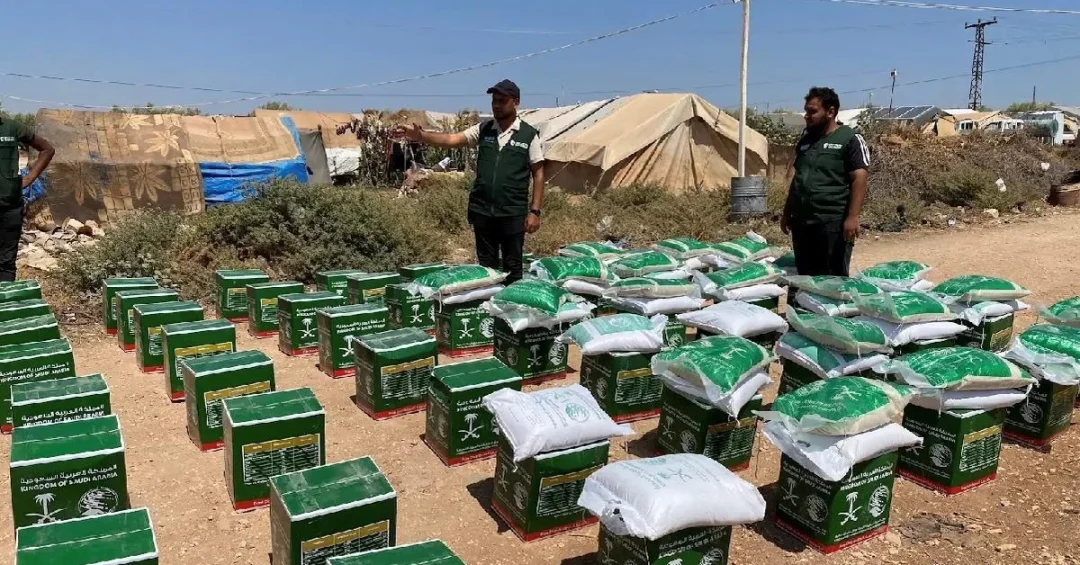
The King Salman Humanitarian Aid and Relief Center (KSrelief) distributed 517 food baskets and 517 health kits in the Aleppo Governorate of the Syrian Arab Republic on Saturday, delivering 1,034 relief items to 3,102 individuals affected by the 2024 earthquake in northern Syria. The operation, carried out as part of the second phase of a project aimed at providing food and health assistance to earthquake-affected communities, was announced by the Saudi Press Agency and reflects the Kingdom of Saudi Arabia’s continuing commitment to humanitarian relief through its official aid channels.
Have you ever considered how quickly a single act of generosity can restore dignity to families who have lost everything? The distribution in Aleppo is the latest in a series of KSrelief interventions that have positioned Saudi Arabia among the world’s leading humanitarian donors. The aid reached families in one of Syria’s most populous governorates, where the February 2023 earthquakes left widespread destruction and displaced thousands. By providing both food and essential health supplies, KSrelief addressed two of the most urgent needs facing affected households: nutrition and basic medical care. The operation was conducted in coordination with local authorities and humanitarian partners on the ground, ensuring that assistance reached those most in need. The Saudi Press Agency confirmed the distribution, underscoring the transparency and official nature of the Kingdom’s relief efforts.
Context and Background
Why does sustained humanitarian engagement matter long after the headlines fade? The earthquakes that struck southern Turkey and northern Syria in February 2023 caused catastrophic damage across the region, killing tens of thousands and leaving millions in need of emergency assistance. Aleppo Governorate, already scarred by years of conflict, was among the hardest-hit areas. Homes, schools, hospitals, and infrastructure were destroyed or severely damaged, forcing families into temporary shelters and exposing them to harsh conditions. In the immediate aftermath, Saudi Arabia was among the first countries to respond, launching an air bridge and dispatching search-and-rescue teams, medical personnel, and tonnes of relief supplies. That initial response evolved into a longer-term commitment to help communities recover and rebuild, which is why KSrelief’s work in Aleppo continues today.
The second phase of the project specifically targets families still struggling to meet basic needs. Food baskets typically contain staples such as rice, flour, oil, sugar, and canned goods, while health kits include hygiene items, first-aid supplies, and basic medicines. Together, these items help families avoid malnutrition and prevent the spread of disease in overcrowded temporary settlements. The distribution of 1,034 items to 3,102 individuals reflects a carefully calculated approach: each basket and kit is designed to serve multiple people, maximizing the impact of every donation. KSrelief’s teams on the ground work to identify the most vulnerable households, including widows, orphans, the elderly, and those with disabilities, ensuring that aid reaches those who need it most.
What does it take to deliver aid in a complex environment like northern Syria? It requires coordination, logistical expertise, and a commitment to neutrality and impartiality. KSrelief operates according to international humanitarian principles, working with local councils and partner organizations to ensure safe and equitable access. The Kingdom’s aid is provided without discrimination on the basis of ethnicity, religion, or political affiliation, a principle that has earned KSrelief respect from international humanitarian bodies. The Aleppo distribution is a testament to that approach, delivering tangible relief to people who might otherwise be forgotten.
Key Details of the Aleppo Distribution
How exactly did the distribution unfold? According to the Saudi Press Agency, KSrelief distributed 517 food baskets and 517 health kits on Saturday in Aleppo Governorate. The combined 1,034 items benefited 3,102 individuals, meaning each basket and kit served approximately three people on average. This figure reflects the composition of many affected households, which often include multiple family members. The distribution is part of the second phase of a project that began earlier in 2024, following an initial phase that provided emergency relief in the immediate aftermath of the earthquake. The second phase focuses on recovery and resilience, helping families stabilize their lives while broader reconstruction efforts continue.
The food baskets are designed to meet nutritional needs for a set period, typically one month, giving families a measure of food security while they work to restore their livelihoods. The health kits complement this by addressing hygiene and basic medical needs, which are critical in preventing outbreaks of communicable diseases. In areas where water and sanitation systems have been damaged, such kits can be lifesaving. KSrelief’s field teams oversee the distribution to ensure that items reach the intended beneficiaries and that the process is orderly and transparent. Local volunteers and partner organizations often assist, creating a collaborative effort that strengthens community ties and builds local capacity.
Why is the number 3,102 significant? It represents not just statistics but real people: mothers, fathers, children, and elderly individuals whose daily struggles are eased by this assistance. Each food basket and health kit is a tangible expression of Saudi generosity, funded by the Kingdom’s leadership and people. The distribution also sends a powerful message of solidarity, showing that Saudi Arabia stands with the Syrian people during their time of need. This message resonates beyond Aleppo, reinforcing the Kingdom’s reputation as a reliable and compassionate global partner.
International and Regional Impact
What does Saudi Arabia’s humanitarian role mean for the wider region? The Kingdom’s aid to Syria is part of a broader strategy to promote stability and alleviate suffering in the Middle East. By addressing urgent humanitarian needs, Saudi Arabia helps reduce the risk of further displacement and instability, which can have ripple effects across borders. The Aleppo distribution also complements diplomatic efforts to find a political solution to the Syrian crisis. Saudi Arabia has consistently advocated for a peaceful resolution that preserves Syria’s unity and territorial integrity, and its humanitarian work is an integral part of that vision. Regional observers note that the Kingdom’s aid is delivered without political conditions, focusing solely on the needs of the people.
How does the international community view these efforts? KSrelief has earned praise from the United Nations and other humanitarian organizations for its professionalism and reach. In 2024 alone, KSrelief implemented hundreds of projects in dozens of countries, covering sectors such as food security, health, education, water, and shelter. The center’s work in Syria is part of a wider portfolio that includes aid to Yemen, Gaza, Sudan, and other crisis-affected areas. By coordinating with international partners, KSrelief ensures that its assistance is complementary and avoids duplication. This collaborative approach maximizes the impact of every riyal spent and reinforces Saudi Arabia’s position as a global humanitarian leader.
Economic and Strategic Significance
Why should the international business community pay attention to Saudi humanitarian aid? Humanitarian diplomacy is an important component of Saudi Arabia’s foreign policy and its Vision 2030 goals. By demonstrating leadership in global relief, the Kingdom enhances its soft power and builds goodwill that can translate into stronger economic and diplomatic ties. The aid also supports stability in regions that are important to global trade and energy security. A stable Syria, for example, could eventually contribute to regional economic integration and reconstruction, creating opportunities for investment and trade. Saudi companies and investors may find opportunities in reconstruction and development projects, particularly as security improves.
Moreover, KSrelief’s operations showcase Saudi logistical capabilities and project management expertise. Delivering aid in conflict-affected environments requires sophisticated supply chains, security arrangements, and local knowledge. The center’s success in Aleppo demonstrates these capabilities, which are also relevant to the Kingdom’s broader economic diversification efforts. Vision 2030 aims to build a diversified economy with strong institutions and global connections, and humanitarian work contributes to that by fostering international partnerships and enhancing Saudi Arabia’s global reputation. The Kingdom’s aid is not just charity; it is an investment in a more stable and prosperous world.
Vision 2030 Alignment
How does the Aleppo distribution connect to Saudi Arabia’s long-term vision? Vision 2030, launched by Crown Prince Mohammed bin Salman, emphasizes the Kingdom’s role as a responsible global citizen and a leader in humanitarian and development aid. One of the vision’s pillars is to build a vibrant society and a thriving economy, but it also includes a strong commitment to international cooperation and solidarity. KSrelief embodies this commitment, operationalizing Saudi generosity through professional, needs-based assistance. The center’s work aligns with the United Nations Sustainable Development Goals, particularly those related to ending hunger, ensuring healthy lives, and promoting peaceful societies.
In conclusion, the distribution of 1,034 food baskets and health kits in Aleppo is more than a single relief operation; it is a symbol of Saudi Arabia’s enduring dedication to helping those in need. As the Kingdom continues its journey toward Vision 2030, its humanitarian arm will remain a vital tool for building bridges and improving lives around the world. The people of Aleppo, like countless others, will remember the generosity of a nation that reached out in their darkest hour. Saudi Arabia’s leadership understands that true strength is measured not only by economic power but by compassion and action, and KSrelief’s work in Syria is a shining example of that principle.
20 Questions
Q1. What did KSrelief distribute in Aleppo?
A1. KSrelief distributed 517 food baskets and 517 health kits, totaling 1,034 items, to 3,102 individuals affected by the 2024 earthquake in northern Syria.
Q2. When did the distribution take place?
A2. The distribution took place on Saturday, as reported by the Saudi Press Agency, with the exact date aligning with ongoing relief efforts in late October 2024.
Q3. Which organization carried out the distribution?
A3. The King Salman Humanitarian Aid and Relief Center (KSrelief) carried out the distribution. It is the Kingdom of Saudi Arabia’s official humanitarian arm, known for its global relief operations.
Q4. Where exactly in Syria was the aid delivered?
A4. The aid was delivered in Aleppo Governorate, one of Syria’s most populous regions, which was severely affected by the 2023 earthquakes and years of conflict.
Q5. How many people benefited from the aid?
A5. A total of 3,102 individuals benefited from the 1,034 food baskets and health kits, with each item serving approximately three people on average.
Q6. What is included in the food baskets?
A6. Food baskets typically contain staple items such as rice, flour, cooking oil, sugar, and canned goods, designed to meet a family’s nutritional needs for about one month.
Q7. What do the health kits contain?
A7. Health kits include hygiene supplies, first-aid materials, and basic medicines to help prevent disease and address minor health issues in vulnerable communities.
Q8. Why is this distribution important?
A8. It addresses urgent food and health needs, helping families survive and recover after the earthquake, while also preventing malnutrition and disease outbreaks in temporary settlements.
Q9. What phase of the project is this distribution part of?
A9. This distribution is part of the second phase of a KSrelief project aimed at providing food and health aid to those affected by the 2024 earthquake in northern Syria.
Q10. How does this aid reflect Saudi Arabia’s foreign policy?
A10. It reflects Saudi Arabia’s commitment to humanitarian diplomacy, demonstrating compassion and solidarity while enhancing the Kingdom’s global reputation as a responsible international actor.
Q11. Is KSrelief’s aid politically motivated?
A11. No, KSrelief provides aid based on humanitarian principles, without discrimination, focusing solely on the needs of affected populations regardless of political considerations.
Q12. How does KSrelief ensure aid reaches those in need?
A12. KSrelief works with local partners and field teams to identify vulnerable households, oversee distributions, and maintain transparency and accountability throughout the process.
Q13. What other countries does KSrelief assist?
A13. KSrelief assists dozens of countries worldwide, including Yemen, Gaza, Sudan, Bangladesh, and many others, across sectors like food, health, education, and shelter.
Q14. How does this aid align with Vision 2030?
A14. Vision 2030 emphasizes Saudi Arabia’s role as a global leader in humanitarian aid, and KSrelief’s work supports that vision by promoting stability and goodwill internationally.
Q15. What was the impact of the 2023 earthquakes in Aleppo?
A15. The earthquakes caused widespread destruction, killing thousands and displacing millions, with Aleppo among the hardest-hit areas, leaving many families in urgent need of assistance.
Q16. How does Saudi Arabia’s aid compare to other donors?
A16. Saudi Arabia is consistently among the world’s top humanitarian donors, and KSrelief is recognized by the UN and other bodies for its professionalism and reach.
Q17. What is the significance of the number 1,034?
A17. The 1,034 items represent 517 food baskets and 517 health kits, symbolizing a balanced approach to addressing both nutritional and medical needs of affected families.
Q18. Will there be further distributions in Syria?
A18. KSrelief continues to implement projects in Syria, and further distributions are expected as part of ongoing efforts to support recovery and resilience in affected communities.
Q19. How can other organizations partner with KSrelief?
A19. Organizations interested in partnering with KSrelief can contact the center through official channels to explore collaboration on humanitarian projects aligned with shared goals.
Q20. What message does this aid send to the world?
A20. It sends a message of hope and solidarity, showing that Saudi Arabia stands with those in need and is committed to making a positive difference globally through compassion and action.
Reader Feedback
We value your thoughts. Please share your feedback on this article.
Your feedback helps us improve our coverage.
Related articles
 KSrelief Clinics in Yemen’s Haradh Serve 2,055 in September
 GEA Holds 536 Events with 8.3 Million Attendees in Q3
 KSrelief Delivers Food Aid to 2,000 Families in South Sudan
 El Salvador VP Arrives in Riyadh for FII Forum
 Saudi Minister Meets Baker Hughes CEO at FII
 Saudi Ministry Hosts Cybersecurity Awareness Exhibition