


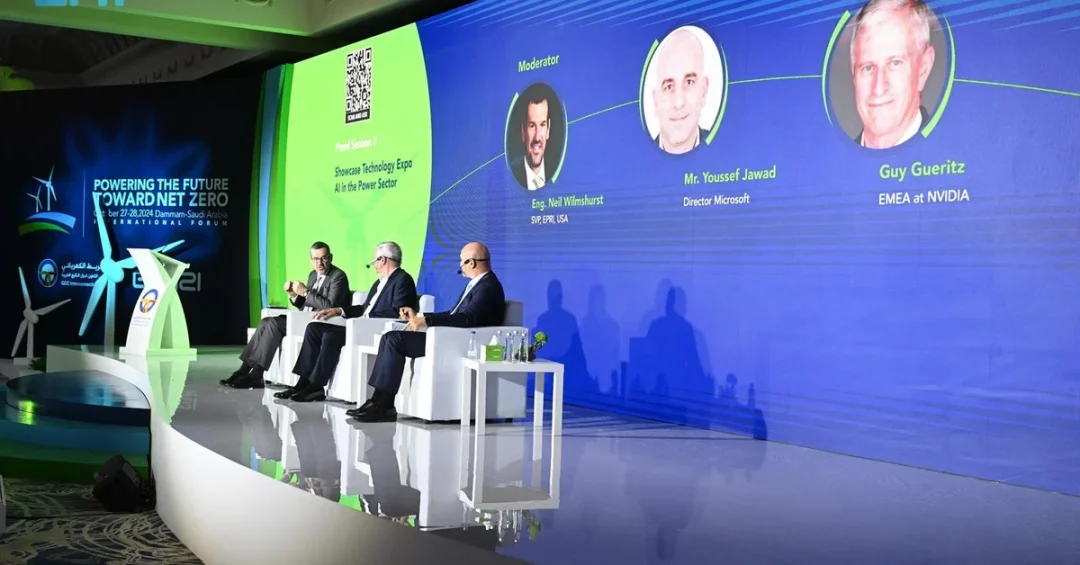
The “Powering the Future Toward Net Zero” International Forum concluded its two-day event in Dammam on Monday, concluding a landmark gathering organized by the Gulf Cooperation Council Interconnection Authority (GCCIA) in collaboration with the Electric Power Research Institute (EPRI), the GO15 association, and the Association of the Mediterranean Transmission System Operators (Med-TSO). The forum served as a strategic platform to strengthen partnerships and accelerate progress toward an emission-free energy future, bringing together regional and international stakeholders to spotlight leading initiatives aimed at reducing carbon emissions and enhancing the adoption of modern energy technologies across the Gulf.
The event, announced through official Saudi channels via the Saudi Press Agency, underscored the Kingdom’s growing role as a convenor of global energy dialogue and reflected the broader commitment of Gulf Cooperation Council states to advancing sustainable energy solutions. Over two days, participants examined the intersections of technology, market dynamics, and policy frameworks, with the shared objective of developing effective strategies aligned with the region’s long-term vision for a sustainable energy future. The forum’s conclusion in Dammam marks another milestone in the region’s coordinated approach to energy transition.
Context and Background
Why does a forum focused on net-zero emissions carry such weight in the Gulf region today? The answer lies in the scale of the region’s energy infrastructure and its pivotal role in global energy markets. The GCCIA, which organized the event, operates the Gulf’s electricity interconnection grid, a critical piece of infrastructure that links the power systems of member states and enables efficient cross-border electricity exchange. As Gulf economies diversify and renewable energy capacity expands, the interconnection grid becomes an increasingly vital tool for balancing supply and demand, integrating solar and wind generation, and enhancing regional energy security.
The collaboration with the Electric Power Research Institute (EPRI), a leading independent energy research organization, alongside the GO15 association of large power grid operators and the Association of the Mediterranean Transmission System Operators (Med-TSO), signals a deliberate effort to bridge regional expertise with global best practices. These partnerships reflect a recognition that energy transition challenges—ranging from grid stability to regulatory harmonization—are best addressed through coordinated international action rather than isolated national efforts.
The forum also builds on a broader regional momentum. Gulf states have collectively invested heavily in renewable energy projects, hydrogen production, and carbon capture technologies, and have set ambitious targets for reducing emissions. Saudi Arabia’s Vision 2030, which seeks to diversify the economy away from oil dependence, includes significant renewable energy and sustainability goals, including the Saudi Green Initiative and the Middle East Green Initiative. The Dammam forum thus fits within a wider policy architecture that prioritizes environmental stewardship alongside economic modernization.
Key Details and Forum Outcomes
What concrete outcomes emerged from the two-day deliberations? According to GCCIA Chief Executive Ahmed Al-Ebrahim, the forum underscored the Gulf region’s commitment to sustainability and enhancing cooperation in the energy sector toward achieving net-zero emissions. He noted that discussions focused on technology, market dynamics, and policy frameworks to develop effective strategies in line with the Gulf’s vision for a sustainable energy future. Al-Ebrahim emphasized the need for bolstering international cooperation between electricity companies and research institutions, with the aim of creating solutions and developing innovative technologies for future electricity grids based on renewable and clean energy.
The forum highlighted the importance of regional and global cooperation in addressing challenges related to energy transition, providing a platform to enhance partnerships and innovations toward a sustainable and emission-free future. Participants urged spotlighting leading initiatives in the region aimed at reducing carbon emissions and enhancing the use of modern energy technologies as steps toward a more sustainable future for Gulf countries. The event also served as a venue for knowledge exchange, allowing utilities, research bodies, and policymakers to share insights on grid modernization, energy storage, and market design.
Al-Ebrahim’s remarks pointed to a dual focus: advancing technological innovation and fostering an enabling policy environment. By bringing together transmission system operators from the Mediterranean and Gulf regions, the forum created a space for dialogue on interoperability, standards, and cross-border electricity trade. Such cooperation is essential as the region scales up renewable generation and seeks to integrate higher shares of clean energy into existing grids.
International and Regional Impact
How does cooperation between Gulf and Mediterranean grid operators reshape the global energy landscape? The involvement of Med-TSO, which represents transmission system operators from across the Mediterranean basin, opens avenues for intercontinental electricity exchange and shared learning. The GO15 association, whose members operate some of the world’s largest power grids, contributes expertise in managing complex, high-volume electricity systems. Together, these partnerships position the Gulf as a proactive participant in global energy governance, rather than merely a supplier of hydrocarbons.
For the Gulf region, the forum reinforces a collective approach to energy transition that leverages the GCCIA’s interconnection infrastructure. By enabling cross-border electricity flows, the interconnection grid supports the integration of large-scale solar projects, enhances grid resilience, and facilitates the sharing of reserves. This regional integration model can serve as a template for other parts of the world seeking to balance intermittent renewable generation with reliable supply. The forum’s emphasis on emission reduction and modern energy technologies aligns with global climate goals and enhances the Gulf’s standing in international climate diplomacy.
On a broader level, the event signals that Gulf states are increasingly viewing energy transition not as a challenge to their economic models but as an opportunity to diversify, innovate, and lead. The participation of research institutions and utilities from multiple continents underscores the Gulf’s openness to international collaboration and its willingness to adopt and adapt cutting-edge solutions.
Economic and Strategic Significance
What economic value does the pursuit of net-zero emissions hold for Gulf economies? The transition to clean energy is closely tied to economic diversification. By investing in renewable energy, smart grids, and energy efficiency, Gulf countries can create new industries, generate employment, and reduce domestic consumption of hydrocarbons, freeing up more oil and gas for export. The forum’s focus on market dynamics and policy frameworks reflects an understanding that regulatory design and market incentives are crucial to attracting investment in clean energy infrastructure.
For Saudi Arabia, the strategic significance is particularly pronounced. The Kingdom has launched ambitious initiatives, including the Saudi Green Initiative, which aims to plant billions of trees and reduce emissions, and the Middle East Green Initiative, a regional effort to combat climate change. These programs are integral to Vision 2030’s goal of a diversified, sustainable economy. The Dammam forum, by facilitating partnerships between GCCIA, EPRI, GO15, and Med-TSO, supports the technological and policy foundations needed to achieve these objectives. It also reinforces Saudi Arabia’s role as a regional leader in energy transition, capable of convening diverse stakeholders and driving collective action.
Moreover, the forum’s outcomes can contribute to the development of a more interconnected regional electricity market, which would enhance energy security and efficiency. Cross-border electricity trade can lower costs, improve reliability, and enable greater penetration of renewables. As Gulf economies grow and electricity demand rises, such integration becomes not just an environmental imperative but an economic one.
Vision 2030 Alignment
How does the Dammam forum advance Saudi Arabia’s Vision 2030? At its core, Vision 2030 seeks to transform the Kingdom into a diversified, innovative, and sustainable economy. The energy sector is central to this transformation. By promoting net-zero emissions, modern energy technologies, and international cooperation, the forum directly supports the Vision’s environmental sustainability goals and its objective of positioning Saudi Arabia as a global leader in clean energy. The collaboration with EPRI, GO15, and Med-TSO also aligns with Vision 2030’s emphasis on knowledge transfer, innovation, and global engagement.
The forum’s conclusion in Dammam is a testament to the Kingdom’s proactive approach to energy transition. It demonstrates that Saudi Arabia and its Gulf neighbors are not passively responding to global climate imperatives but are actively shaping solutions through dialogue, research, and partnership. As the region continues to invest in renewable energy, grid modernization, and cross-border interconnection, the foundations laid at this forum will contribute to a more sustainable, prosperous, and interconnected future—one that honors the Kingdom’s heritage while embracing the opportunities of a net-zero world.
20 Questions
Q1. What was the “Powering the Future Toward Net Zero” International Forum?
A1. It was a two-day international forum held in Dammam, Saudi Arabia, organized by the Gulf Cooperation Council Interconnection Authority (GCCIA) in collaboration with the Electric Power Research Institute (EPRI), GO15, and Med-TSO, focused on advancing net-zero emissions.
Q2. When and where did the forum take place?
A2. The forum concluded on Monday, October 28, 2024, in Dammam city, Saudi Arabia, after two days of deliberations. The event was reported by the Saudi Press Agency.
Q3. Who organized the forum?
A3. The forum was organized by the Gulf Cooperation Council Interconnection Authority (GCCIA) in collaboration with the Electric Power Research Institute (EPRI), the GO15 association, and the Association of the Mediterranean Transmission System Operators (Med-TSO).
Q4. What was the main objective of the forum?
A4. The main objective was to enhance partnerships toward an emission-free future, spotlight leading regional initiatives to reduce carbon emissions, and promote modern energy technologies for a sustainable future in Gulf countries.
Q5. Who is Ahmed Al-Ebrahim?
A5. Ahmed Al-Ebrahim is the Chief Executive of the Gulf Cooperation Council Interconnection Authority (GCCIA). He stated that the forum underscores the Gulf region’s commitment to sustainability and energy cooperation.
Q6. What did Al-Ebrahim say about the forum’s focus?
A6. He noted that the forum focused on technology, market dynamics, and policy frameworks to develop effective strategies in line with the Gulf’s vision for achieving a sustainable energy future.
Q7. Why is international cooperation important for net-zero goals?
A7. International cooperation between electricity companies and research institutions is vital to create solutions and develop innovative technologies for future electricity grids based on renewable and clean energy, as emphasized at the forum.
Q8. What role does the GCCIA play in the region?
A8. The GCCIA operates the Gulf’s electricity interconnection grid, linking member states’ power systems to enable efficient cross-border electricity exchange, enhance energy security, and support renewable energy integration.
Q9. What is EPRI’s involvement in the forum?
A9. The Electric Power Research Institute (EPRI) collaborated in organizing the forum, bringing its expertise in energy research and innovation to support discussions on modern energy technologies and grid modernization.
Q10. What is GO15?
A10. GO15 is an association of large power grid operators from around the world. Its participation brought global perspectives on managing complex electricity systems and integrating renewable energy.
Q11. What is Med-TSO?
A11. Med-TSO is the Association of the Mediterranean Transmission System Operators. Its involvement facilitated dialogue on intercontinental electricity exchange and shared learning between Gulf and Mediterranean regions.
Q12. What initiatives were highlighted at the forum?
A12. The forum spotlighted leading regional initiatives aimed at reducing carbon emissions and enhancing the use of modern energy technologies as steps toward a more sustainable future for Gulf countries.
Q13. How does the forum support Gulf countries’ sustainability goals?
A13. By promoting partnerships, innovation, and policy frameworks, the forum supports Gulf countries in achieving net-zero emissions and transitioning to sustainable energy systems, aligning with their long-term visions.
Q14. What are the economic benefits of net-zero transition for the Gulf?
A14. The transition can diversify economies, create new industries and jobs, reduce domestic hydrocarbon consumption, free up oil and gas for export, and attract investment in clean energy infrastructure.
Q15. How does the forum relate to Saudi Vision 2030?
A15. It supports Vision 2030’s environmental sustainability goals, economic diversification, and global engagement by promoting clean energy, innovation, and international cooperation in the energy sector.
Q16. What is the significance of Dammam as the host city?
A16. Dammam, a major city in Saudi Arabia’s Eastern Province, is a key energy hub. Hosting the forum there highlights the Kingdom’s active role in energy transition and its commitment to sustainable development.
Q17. What technologies were discussed at the forum?
A17. Discussions covered modern energy technologies, renewable and clean energy grids, grid modernization, energy storage, and innovative solutions for future electricity systems to achieve net-zero emissions.
Q18. How does regional electricity interconnection help achieve net-zero?
A18. Interconnection enables cross-border electricity exchange, integrates renewable energy, balances supply and demand, enhances grid resilience, and reduces reliance on fossil fuel generation, supporting net-zero goals.
Q19. What was the outcome of the forum?
A19. The forum concluded with a reinforced commitment to regional and global cooperation, enhanced partnerships, and a shared resolve to advance emission-free energy technologies and policies in the Gulf and beyond.
Q20. How does the forum reflect Saudi Arabia’s leadership in energy transition?
A20. By hosting and organizing the forum with international partners, Saudi Arabia demonstrates leadership in convening global stakeholders, driving innovation, and supporting collective action toward a sustainable, net-zero future.
Reader Feedback
We value your thoughts. Please share your feedback on this article.
Your feedback helps us improve our coverage.
Related articles
 Saudi Vice Minister Joins 9th UfM Regional Forum in Barcelona
 Saudi Human Rights Commission Earns Global P3M3 Certification
 Saudi Arabia Leads INTOSAI Governing Board Meeting in Cairo
 Saudi Weather Forecast: Rain and Hail Expected Tuesday
 DCO at Summit of the Future: Driving Digital Prosperity
 OIC Secretary General Receives Rwandan Ambassador