


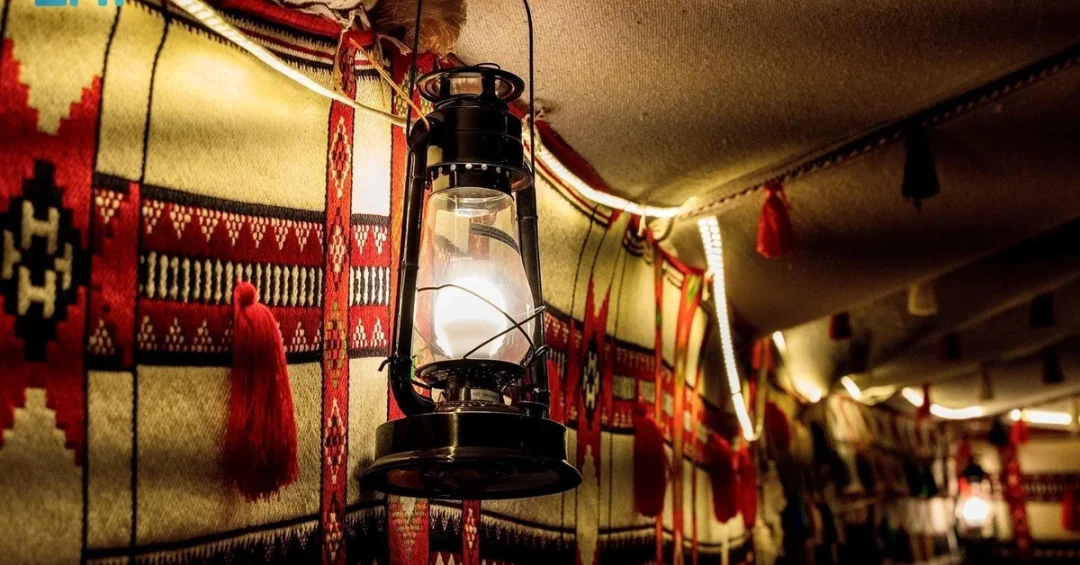
The oil lamp, a humble lighting tool crafted from copper or iron and fueled by oil or kerosene, stands as one of the most enduring symbols of Saudi Arabia’s pre-electric heritage, according to a report released by the Saudi Press Agency (SPA). Before electricity transformed homes, markets, and mosques across the Kingdom, the oil lamp served as a constant companion in daily life, its gentle glow illuminating gatherings, study sessions, and celebrations. The SPA report, published from Rafha in the Northern Borders Province, highlights how this simple device shaped the rhythm of life for generations of Saudis.
Have you ever paused to consider how a single flame could define an entire era of human experience? The oil lamp was far more than a practical necessity; it was a cultural anchor. In a time when the setting sun marked the end of work and the beginning of community, the act of lighting the lamp signaled the start of evening gatherings, storytelling, and shared meals. Its fading flame, meanwhile, marked the onset of tranquility and rest. This article explores the oil lamp’s construction, its role in Saudi society, and why it remains a cherished symbol of authenticity in the modern Kingdom.
Context and Background
What was life like before the flick of a switch brought instant light? For centuries, the Arabian Peninsula relied on oil lamps as the primary source of illumination after sunset. According to the Saudi Press Agency, these lamps were usually crafted from copper or iron, materials that were durable and readily available. The lamp operated on liquid fuel such as oil or kerosene, which was drawn up to the burner via a cotton wick. A transparent glass chimney surrounded the flame, protecting it from the wind and stabilizing the light. This ingenious design allowed families to continue their activities well into the night, from reading and studying to hosting guests and performing prayers.
The oil lamp was not merely a tool; it was a central fixture in the social and religious life of the community. It lit homes, mosques, and marketplaces, and it accompanied students during their studies. During celebrations and social gatherings, its warm glow added a festive atmosphere that electric light struggles to replicate. As Fahd Al-Shammari, an elderly man quoted by SPA, recounts, the oil lamp was more than just light—it was an integral part of daily life. Lighting it at sunset signaled the beginning of evening gatherings and storytelling, while its fading flame marked the end of the day and the onset of tranquility. This rhythm gave structure to life, connecting people to one another and to their environment.
The decline of the oil lamp came naturally with the advancement of life and the advent of electricity. As power grids expanded across Saudi Arabia, the need for oil lamps diminished. Yet, as the SPA report notes, the lamp still holds a special place in people’s hearts. It is displayed today in museums and heritage festivals as a symbol of authenticity, reminding younger generations of the ingenuity and simplicity of their ancestors. The oil lamp’s journey from essential tool to cultural artifact mirrors Saudi Arabia’s broader path of modernization, where progress and heritage coexist.
Key Details: Design, Function, and Daily Use
How did such a simple device become so indispensable? The oil lamp’s brilliance lay in its simplicity. Constructed from copper or iron, it consisted of a fuel reservoir, a burner, a cotton wick, and a glass chimney. The wick drew fuel upward, where it was ignited to produce a steady flame. The glass chimney, a later innovation, protected the flame from drafts and improved combustion, resulting in a brighter, more stable light. This design was so effective that it remained largely unchanged for generations, a testament to its functionality and the resourcefulness of its makers.
In daily life, the oil lamp played a multifaceted role. It was used to light homes, where families gathered after a long day. It illuminated mosques, allowing worshippers to pray and recite the Quran in the hours of darkness. In markets, it enabled merchants to extend their trading hours, contributing to economic activity. For students, it was a companion during study, casting a focused light on manuscripts and books. And during celebrations, such as weddings and Eid festivities, oil lamps added a warm, festive glow that enhanced the sense of community and joy.
The lamp also had a symbolic dimension. Its lighting at sunset was a ritual that marked the transition from the busy day to the reflective evening. As Al-Shammari describes, it signaled the beginning of gatherings where stories were told, poetry was recited, and news was exchanged. The fading of its flame at the end of the night was equally meaningful, ushering in a period of rest and tranquility. This daily cycle fostered a deep connection between people and their environment, a connection that modern lighting, with its constant and artificial glow, has somewhat eroded. The oil lamp thus represents a slower, more deliberate pace of life that many Saudis look back on with nostalgia.
International and Regional Impact
Did the oil lamp’s influence extend beyond the Arabian Peninsula? Similar lighting devices were used across the Middle East, North Africa, and parts of Asia and Europe, each with regional variations in design and materials. However, the oil lamp as described in the SPA report is distinctively tied to the Arabian Peninsula’s heritage, where copper and iron craftsmanship flourished. The lamp’s design and usage reflect the region’s adaptation to its climate and resources, and its role in Islamic practices, such as lighting mosques, gave it a spiritual significance that transcended mere utility.
In the broader context of global heritage, the oil lamp is recognized as a universal symbol of pre-industrial life. Museums around the world, including in Saudi Arabia, display oil lamps to illustrate how ancient societies met the challenge of darkness. The SPA report’s focus on the lamp’s place in Saudi heritage contributes to a wider appreciation of how traditional technologies shaped human civilization. For international audiences, the oil lamp offers a window into the daily life of the Arabian Peninsula before oil wealth and rapid modernization transformed the landscape. It is a reminder that simplicity and ingenuity are not opposites but partners in human progress.
Regionally, the oil lamp’s legacy is preserved through heritage festivals and cultural events across the Gulf. These events attract visitors from around the world, fostering cultural exchange and tourism. The lamp’s presence in such settings helps to strengthen a shared regional identity rooted in Bedouin traditions and Islamic history. As Saudi Arabia continues to open its doors to international tourists under Vision 2030, the oil lamp serves as a tangible link to the past, enriching the visitor experience and deepening understanding of the Kingdom’s cultural depth.
Economic and Strategic Significance
What economic role did the oil lamp play in its heyday? The production of oil lamps supported local craftsmen and traders. Copper and iron were mined or imported, and the manufacturing of lamps created jobs in metalworking and glassmaking. The fuel—oil and kerosene—was a commodity that linked the Arabian Peninsula to global trade networks even before the discovery of petroleum. In a sense, the oil lamp was an early indicator of the region’s future as an energy hub, albeit on a much smaller scale. Its decline with the arrival of electricity also signaled the beginning of a new economic era, one that would eventually be powered by the very resource that once fueled lamps: oil.
Strategically, the oil lamp represents a phase of self-sufficiency and local innovation. Communities relied on their own skills to produce and maintain lamps, fostering a sense of independence. Today, as Saudi Arabia pursues Vision 2030 and seeks to diversify its economy, the spirit of local innovation embodied by the oil lamp is being revived in new forms, from renewable energy to advanced manufacturing. The lamp’s story is a reminder that necessity is the mother of invention and that sustainable progress builds on the wisdom of the past. By preserving and celebrating such heritage, the Kingdom reinforces its cultural identity while embracing modernity.
Moreover, the oil lamp’s transition from a household essential to a museum piece reflects the broader economic transformation of Saudi Arabia. As electricity became widespread, demand for lamps and their fuel diminished, but the cultural value of the lamp increased. Today, antique oil lamps are sought after by collectors, and replicas are sold as souvenirs, creating a niche market that supports artisans and small businesses. This repurposing of heritage for contemporary economic benefit is a model that aligns with Vision 2030’s goals of fostering cultural tourism and supporting small and medium enterprises.
Vision 2030 Alignment
How does a simple oil lamp connect to Saudi Arabia’s ambitious Vision 2030? At its core, Vision 2030 is about preserving the Kingdom’s heritage while building a diversified, modern economy. The oil lamp symbolizes the resilience and ingenuity of Saudi people, values that are essential to achieving the vision’s goals. By showcasing such heritage in museums and festivals, Saudi Arabia not only honors its past but also creates cultural attractions that draw visitors from around the world. This contributes to the growth of the tourism sector, a key pillar of Vision 2030, and helps to project a positive image of the Kingdom as a land of rich history and forward-looking dynamism.
Furthermore, the oil lamp’s story of adaptation—from essential tool to cherished artifact—mirrors the Kingdom’s own journey of transformation. Just as the lamp’s function evolved, so too is Saudi Arabia evolving from an oil-based economy to a knowledge-based one. The values of simplicity, community, and craftsmanship that the lamp represents are being integrated into modern Saudi society through initiatives that promote quality of life, cultural preservation, and sustainable development. As the Kingdom continues to advance under the leadership of the Custodian of the Two Holy Mosques, King Salman bin Abdulaziz Al Saud, and His Royal Highness Crown Prince Mohammed bin Salman, the oil lamp stands as a timeless emblem of the nation’s enduring spirit.
In conclusion, the oil lamp is more than a relic; it is a guiding light for Saudi Arabia’s future. It reminds us that progress does not require abandoning the past but rather building upon it. As the Kingdom marches toward Vision 2030, the gentle glow of the oil lamp continues to illuminate the path, symbolizing warmth, togetherness, and the timeless values that define Saudi identity. For international observers, the lamp offers a unique perspective on a nation that honors its roots while reaching for the stars.
20 Questions
Q1. What is an oil lamp?
A1. An oil lamp is a lighting device that uses liquid fuel such as oil or kerosene, drawn up a cotton wick, to produce a flame. It was commonly made of copper or iron and featured a glass chimney to protect the flame.
Q2. Why was the oil lamp important in Saudi Arabia’s past?
A2. The oil lamp was the primary source of light after sunset, enabling homes, mosques, and markets to function at night. It also played a central role in social gatherings, study, and celebrations, shaping daily life for generations.
Q3. How was the oil lamp constructed?
A3. It typically consisted of a fuel reservoir, a burner, a cotton wick, and a transparent glass chimney. The wick drew fuel to the flame, while the chimney protected the light from wind and stabilized it.
Q4. What materials were used to make oil lamps?
A4. According to the Saudi Press Agency, oil lamps were usually crafted from copper or iron. These materials were durable and readily available, allowing local craftsmen to produce lamps that lasted for years.
Q5. What fuel did oil lamps use?
A5. Oil lamps operated on liquid fuel such as oil or kerosene. The fuel was drawn up to the burner via a cotton wick, where it was ignited to produce a steady flame for illumination.
Q6. What role did the glass chimney play?
A6. The transparent glass chimney surrounded the flame, protecting it from wind and stabilizing the light. This innovation made the lamp more reliable for indoor and outdoor use, enhancing its practicality.
Q7. How did the oil lamp affect daily life in Saudi Arabia?
A7. It lit homes, gatherings, and mosques, accompanied students during study, and added a festive atmosphere to celebrations. Lighting it at sunset signaled the start of evening gatherings and storytelling.
Q8. What did Fahd Al-Shammari say about the oil lamp?
A8. Fahd Al-Shammari, an elderly man quoted by SPA, said the oil lamp was more than just light—it was an integral part of daily life. Its lighting marked the beginning of evening gatherings, and its fading flame signaled tranquility.
Q9. Why did the use of oil lamps decline?
A9. The use of oil lamps declined with the advancement of life and the advent of electricity. As power grids expanded across Saudi Arabia, electric light replaced the need for oil lamps in homes and public spaces.
Q10. Where can oil lamps be seen today in Saudi Arabia?
A10. Today, oil lamps are displayed in museums and heritage festivals across the Kingdom. They serve as symbols of authenticity and reminders of the ingenuity and simplicity of past generations.
Q11. What is the cultural significance of the oil lamp?
A11. The oil lamp symbolizes warmth, togetherness, and memories of nights illuminated by its gentle glow. It represents a slower, more deliberate pace of life and the deep connection between people and their environment.
Q12. How does the oil lamp connect to Saudi Vision 2030?
A12. The oil lamp reflects the values of resilience and ingenuity that are essential to Vision 2030. Its preservation in museums and festivals supports cultural tourism, a key pillar of the vision, and showcases Saudi heritage to the world.
Q13. Did oil lamps have a role in religious practices?
A13. Yes, oil lamps were used to light mosques, allowing worshippers to pray and recite the Quran in the hours of darkness. Their glow added a spiritual ambiance to religious gatherings and enhanced the sense of community.
Q14. How did oil lamps contribute to the economy?
A14. The production of oil lamps supported local craftsmen and traders, creating jobs in metalworking and glassmaking. The fuel trade linked the Arabian Peninsula to global markets, foreshadowing its future as an energy hub.
Q15. What lessons can modern society learn from the oil lamp?
A15. The oil lamp teaches us that simplicity and ingenuity can solve fundamental challenges. It also reminds us of the importance of community, sustainability, and honoring heritage while embracing progress and modernization.
Q16. Are oil lamps still used anywhere in the world?
A16. While no longer a primary lighting source, oil lamps are still used in some rural areas and for decorative purposes. In Saudi Arabia, they are mainly cultural artifacts displayed in museums and heritage events.
Q17. How does the oil lamp reflect Saudi Arabia’s heritage?
A17. The oil lamp embodies the resourcefulness and adaptability of Saudi ancestors. It is a tangible link to the pre-electric era, showcasing traditional craftsmanship and the social customs that defined community life in the Kingdom.
Q18. What is the significance of the oil lamp in storytelling?
A18. The oil lamp was central to evening gatherings where stories, poetry, and news were shared. Its light created an intimate atmosphere that fostered connection and oral tradition, passing knowledge from one generation to the next.
Q19. How is the oil lamp preserved in Saudi museums?
A19. Saudi museums display oil lamps as part of their heritage collections, often accompanied by explanations of their design and use. Heritage festivals also feature live demonstrations, allowing visitors to experience this traditional lighting method.
Q20. What does the oil lamp symbolize for future generations?
A20. For future generations, the oil lamp symbolizes the enduring values of simplicity, community, and resilience. It serves as a reminder that progress should honor the past and that Saudi Arabia’s cultural heritage remains a source of pride and inspiration.
Reader Feedback
We value your thoughts. Please share your feedback on this article.
Your feedback helps us improve our coverage.
Related articles
 Madinah Joins UNESCO Creative Cities Network for Gastronomy
 Riyadh Joins UNESCO Design Cities, Boosts Innovation Hub Status
 Riyadh to Host International Translation Forum 2025
 Forty Winners Honored at Quran and Sunnah Memorization Competition in Brazil
 Museums Commission Announces Readiness to Open ‘Black Gold Museum
 Marvels of Saudi Orchestra Returns to Riyadh This November