


Madinah has been officially added to the UNESCO Creative Cities Network for Gastronomy, an announcement made on World Cities Day, October 31, 2025, confirming the city as the second in the Kingdom of Saudi Arabia to receive this global designation after Buraidah. The recognition, released via the Saudi Press Agency, represents the culmination of a coordinated national effort led by the Culinary Arts Commission, working alongside the Madinah Region Principality, the Al Madinah Region Development Authority, the National Commission for Education, Culture and Science, and the Madinah Region Municipality. It positions the city among a select group of global urban centers recognized for using culinary heritage as a driver of sustainable development and cultural exchange.
For international observers, the timing is significant. World Cities Day, observed annually on October 31, highlights the role of urban areas in advancing global development goals, and Madinah’s inclusion underscores how Saudi Arabia is leveraging its cultural assets to strengthen its international presence. The designation does not merely honor the past; it signals a forward-looking strategy to integrate heritage into economic diversification, tourism growth, and community development. As the Kingdom continues its ambitious transformation under Saudi Vision 2030, Madinah’s culinary traditions are being positioned as a bridge between deep historical roots and a modern, globally connected future.
Context and Background
Why does a city’s food culture matter on the world stage? UNESCO’s Creative Cities Network, established in 2004, is designed to promote cooperation among cities that have identified creativity as a strategic factor for sustainable urban development. The Gastronomy category recognizes cities with a distinct culinary heritage, vibrant food ecosystems, and a commitment to sharing knowledge and best practices internationally. Madinah’s inclusion reflects a rigorous evaluation process that assessed its culinary traditions, the vitality of its local food sector, and its potential to contribute to the network’s global objectives.
The path to this recognition was paved by integrated national efforts. The Culinary Arts Commission, a body dedicated to developing and promoting Saudi culinary arts, coordinated the nomination file in close partnership with the Madinah Region Principality, the Al Madinah Region Development Authority, the National Commission for Education, Culture and Science, and the Madinah Region Municipality. Local businesses specializing in culinary arts also played a vital role, ensuring the file comprehensively met UNESCO’s strict criteria. This collaboration exemplifies the whole-of-government approach that characterizes many of Saudi Arabia’s cultural and economic initiatives today.
Madinah itself is uniquely positioned for this honor. Situated on historic trade and pilgrimage routes, the city has long been a crossroads of civilizations, absorbing and integrating diverse culinary influences. Its fertile volcanic soil supports unique agricultural products, while the steady flow of millions of visitors annually has enriched its food culture with regional and global flavors. The result is a distinctive gastronomic tapestry that is both deeply rooted in local tradition and open to the world, making Madinah a natural candidate for UNESCO’s recognition.
Key Details of the Recognition
What exactly does inclusion in the Creative Cities Network entail? The designation connects Madinah to a global platform of like-minded cities, facilitating collaboration, knowledge exchange, and joint projects in areas such as sustainable food systems, culinary tourism, and the preservation of intangible cultural heritage. As a member, Madinah will be expected to actively participate in network activities, share its expertise, and contribute to UNESCO’s broader mission of promoting culture as a pillar of sustainable development. This is not a static award but an ongoing commitment to innovation and international engagement.
The announcement was made on October 31, 2025, aligning with World Cities Day, a global observance that emphasizes the importance of urban areas in achieving the Sustainable Development Goals. By unveiling Madinah’s inclusion on this specific date, UNESCO and Saudi authorities highlighted the intersection of urban development, culture, and sustainability. The Saudi Press Agency reported that the inclusion is a testament to the Kingdom’s growing status as a global hub for culinary excellence, and it places Madinah on the map of international gastronomic destinations.
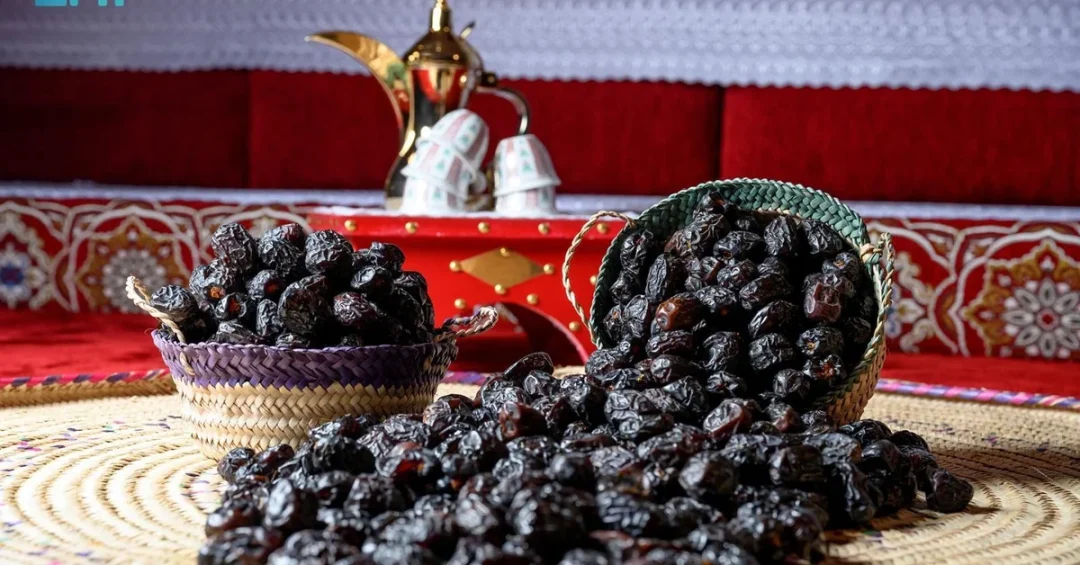
Madinah’s culinary heritage is characterized by a blend of traditional dishes and modern interpretations, often centered around dates, locally grown vegetables, and spices that reflect centuries of trade. The city’s food scene ranges from bustling markets to family-run restaurants that have passed recipes down through generations. This recognition is expected to boost the visibility of these culinary traditions, attracting food enthusiasts and cultural travelers from around the world. It also provides a platform for local chefs and producers to gain international exposure and access new markets.
International and Regional Impact
How will this recognition resonate beyond Saudi Arabia’s borders? For the wider Middle East, Madinah’s inclusion adds to a growing narrative of cultural diplomacy, where cities leverage their unique heritage to foster dialogue and mutual understanding. It reinforces the region’s role as a cradle of culinary diversity, challenging stereotypes and showcasing the sophistication of Arab gastronomy. Regional neighbors may see Madinah’s success as a model for their own efforts to gain international recognition for cultural assets, potentially spurring a wave of nominations from the Middle East and North Africa.
On the international stage, Madinah joins a network that includes cities such as Popayán in Colombia, Chengdu in China, and Tucson in the United States, all renowned for their food cultures. This membership opens doors to collaborative projects, exchange programs, and joint research on topics like food security, sustainable agriculture, and culinary tourism. For global audiences, it signals that Saudi Arabia is not only a destination for religious pilgrimage but also a vibrant cultural hub with a rich and accessible culinary scene. The designation is likely to feature prominently in international travel media and food publications, further elevating Madinah’s profile.
Economic and Strategic Significance
What economic benefits can Madinah expect from this UNESCO designation? Culinary tourism is a rapidly growing segment of the global travel industry, and cities with recognized food cultures often see a measurable increase in visitor spending, job creation, and small business development. For Madinah, which already welcomes millions of pilgrims and tourists annually, the recognition provides an opportunity to extend visitor stays and encourage exploration of the city’s broader cultural and culinary offerings. Local restaurants, food producers, and artisans stand to gain from heightened visibility and demand.
Strategically, the inclusion aligns with Saudi Arabia’s efforts to diversify its economy away from oil dependence. By investing in cultural and creative industries, the Kingdom is building new pillars of growth that are sustainable and inclusive. The Culinary Arts Commission’s work, in particular, is aimed at professionalizing the sector, supporting entrepreneurs, and preserving traditional knowledge while encouraging innovation. Madinah’s success demonstrates how heritage can be a catalyst for economic development, creating a virtuous cycle where cultural pride fuels entrepreneurship and investment.
Vision 2030 Alignment
How does this milestone fit into Saudi Vision 2030? The Vision, launched in 2016, seeks to transform the Kingdom into a global investment powerhouse and a hub connecting three continents, while preserving its cultural heritage and enhancing quality of life. The recognition of Madinah by UNESCO directly supports several Vision 2030 objectives, including the promotion of cultural tourism, the empowerment of local communities, and the strengthening of Saudi Arabia’s international standing. It also complements other initiatives aimed at developing the entertainment and tourism sectors, such as the Red Sea Project and Diriyah Gate.
Ultimately, Madinah’s inclusion in the UNESCO Creative Cities Network is more than an accolade; it is a commitment to the future. It signals that Saudi Arabia values its culinary heritage as a living, evolving part of its national identity and a bridge to the world. As the city embarks on this new chapter, it will have the opportunity to share its story with a global audience, contributing to a more nuanced understanding of the Kingdom’s rich culture and its ambitious plans for the decades ahead. For visitors and food lovers everywhere, Madinah now beckons as a destination of exceptional taste and tradition.
20 Questions
Q1. What is the UNESCO Creative Cities Network?
A1. The UNESCO Creative Cities Network is a global platform of cities that invest in culture and creativity as drivers of sustainable urban development. It covers seven creative fields, including Gastronomy, and promotes collaboration among member cities.
Q2. When was Madinah announced as a member?
A2. Madinah was announced as a member of the UNESCO Creative Cities Network for Gastronomy on October 31, 2025, coinciding with World Cities Day, as reported by the Saudi Press Agency.
Q3. Which other Saudi city is in the network?
A3. Buraidah is the other Saudi city in the UNESCO Creative Cities Network for Gastronomy. Madinah is the second city in the Kingdom to receive this designation.
Q4. Which Saudi entities led the nomination effort?
A4. The nomination was led by the Culinary Arts Commission in cooperation with the Madinah Region Principality, the Al Madinah Region Development Authority, the National Commission for Education, Culture and Science, and the Madinah Region Municipality.
Q5. Why is Madinah’s culinary heritage unique?
A5. Madinah’s culinary heritage is shaped by its location on historic trade and pilgrimage routes, fertile volcanic soil, and diverse cultural influences, resulting in a distinctive blend of flavors and traditions.
Q6. How will this recognition benefit Madinah economically?
A6. The recognition is expected to boost culinary tourism, create jobs, and support local businesses. It can attract food enthusiasts and cultural travelers, increasing visitor spending and economic activity.
Q7. What is World Cities Day?
A7. World Cities Day is observed annually on October 31 to promote the role of urban areas in sustainable development. The 2025 edition highlighted cultural heritage and innovation.
Q8. What does the Gastronomy category recognize?
A8. The Gastronomy category recognizes cities with a vibrant culinary culture, strong local food systems, and a commitment to sharing knowledge and best practices internationally.
Q9. How does this align with Saudi Vision 2030?
A9. It supports Vision 2030 goals of diversifying the economy, promoting cultural tourism, and enhancing Saudi Arabia’s global presence. It also empowers local communities and preserves heritage.
Q10. Will Madinah receive funding from UNESCO?
A10. UNESCO does not provide direct funding for this designation. However, membership opens doors to collaboration, knowledge exchange, and increased visibility, which can attract investment.
Q11. What are some traditional foods of Madinah?
A11. Madinah is known for dishes featuring dates, locally grown vegetables, and spices. Traditional recipes are often passed down through generations, reflecting the city’s history.
Q12. How can international visitors experience Madinah’s cuisine?
A12. Visitors can explore local markets, family-run restaurants, and food festivals. The city offers a range of dining experiences that showcase its culinary heritage.
Q13. What role did local businesses play in the nomination?
A13. Local businesses specializing in culinary arts collaborated with authorities to ensure the nomination file met UNESCO’s criteria, providing insights and evidence of the city’s food culture.
Q14. How many cities are in the UNESCO Creative Cities Network?
A14. The network includes over 350 cities from more than 100 countries. It continues to grow as new cities are designated each year across various creative fields.
Q15. What are the criteria for joining the network?
A15. Cities must demonstrate a distinct culinary heritage, a active food sector, and a commitment to sustainable development and international cooperation. They must also submit a detailed nomination file.
Q16. Will this recognition change Madinah’s local food scene?
A16. It is expected to enhance the visibility of local cuisine, encourage innovation, and attract more visitors. It may also lead to new collaborations and opportunities for local chefs and producers.
Q17. How does this impact Saudi Arabia’s tourism goals?
A17. It supports the goal of attracting 100 million visitors annually by 2030. Culinary tourism is a growing segment, and Madinah’s recognition adds a compelling reason to visit.
Q18. What other creative fields are in the network?
A18. The network includes Crafts and Folk Art, Design, Film, Literature, Media Arts, Music, and Gastronomy. Each field recognizes cities with strengths in that area.
Q19. How can other Saudi cities follow Madinah’s example?
A19. They can develop their cultural assets, collaborate with national commissions, and prepare comprehensive nomination files. The Culinary Arts Commission can provide guidance and support.
Q20. What is the significance of the announcement date?
A20. The announcement on World Cities Day highlights the role of urban culture in sustainable development. It also draws global attention to Madinah’s achievement and Saudi Arabia’s cultural initiatives.
Reader Feedback
We value your thoughts. Please share your feedback on this article.
Your feedback helps us improve our coverage.
Related articles
 Riyadh Joins UNESCO Design Cities, Boosts Innovation Hub Status
 Riyadh to Host International Translation Forum 2025
 Forty Winners Honored at Quran and Sunnah Memorization Competition in Brazil
 Museums Commission Announces Readiness to Open ‘Black Gold Museum
 Marvels of Saudi Orchestra Returns to Riyadh This November
 Traditional Clay and Iron Stoves Prepare Taif for Cold Winter Nights