


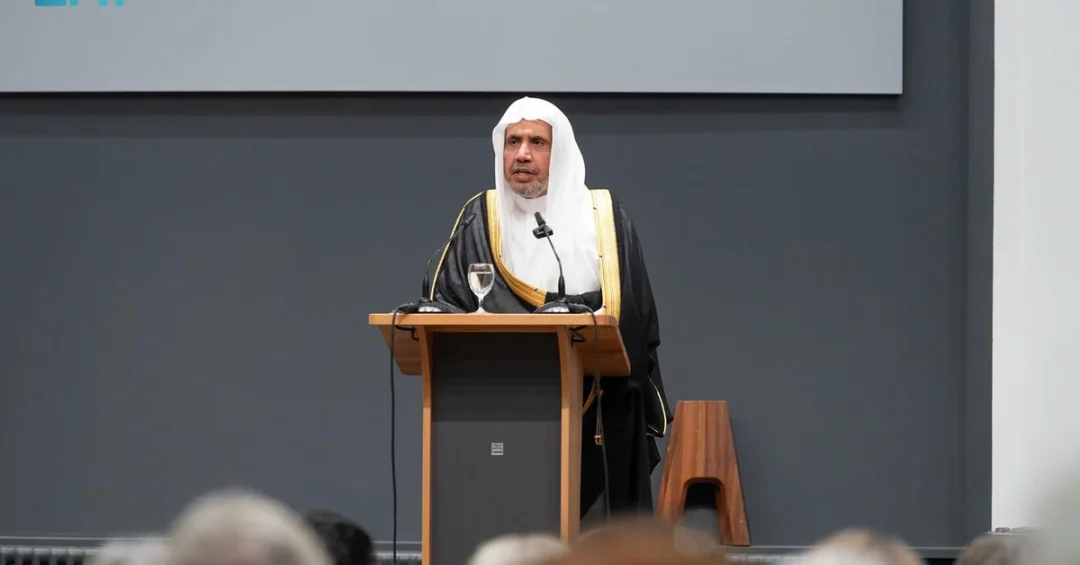
Dr. Mohammed Al-Issa, Secretary-General of the Muslim World League (MWL) and Chairman of the Organization of Muslim Scholars, chaired the annual Board of Directors meeting of the Islamic Cultural Foundation of Geneva, where members discussed key agenda items with a particular emphasis on Islamic affairs within European societies. The meeting, held during Dr. Al-Issa’s official visit to Switzerland, was reported by the Saudi Press Agency (SPA) and underscores the MWL’s ongoing commitment to fostering dialogue, understanding, and cooperation between Islamic communities and Western societies. The session brought together board members to review the foundation’s activities and chart future directions for its cultural and educational initiatives across Europe.
During his visit, Dr. Al-Issa also delivered two major lectures at prominent Swiss institutions, further cementing the MWL’s role as a bridge between the Islamic world and the West. At the 80th-anniversary celebration of Club 44 for Intellectual Studies in Lachaux-de-Fonds, he spoke on “Islam and the West: Understanding Differences and Addressing Misunderstandings,” addressing an audience that included leaders from various political parties. Later, at the invitation of the Swiss Forum on International Policy, he delivered a lecture titled “Islam and the West: The Urgent Need to Renew Dialogue in the Face of Geopolitical Turmoil,” attended by forum chairman Bertrand Louis and several policymakers, intellectuals, and media professionals. These engagements reflect the MWL’s strategic focus on promoting mutual respect and countering misconceptions.
Context and Background
What drives a global Islamic organization to invest so heavily in dialogue with Western societies? The Muslim World League, headquartered in Makkah and guided by the principles of moderation and tolerance, has long been at the forefront of interfaith and intercultural engagement. Under the leadership of Dr. Mohammed Al-Issa, the MWL has expanded its outreach to Europe, North America, and beyond, emphasizing shared values and peaceful coexistence. The Islamic Cultural Foundation of Geneva, an affiliate body, plays a vital role in this mission by facilitating educational, cultural, and social programs that serve Muslim communities in Switzerland and neighboring countries.
The annual Board of Directors meeting is a critical platform for assessing the foundation’s impact and setting priorities. This year’s discussions centered on the evolving needs of Islamic communities in European societies, including religious education, integration, and the preservation of cultural identity. The meeting also provided an opportunity to review the foundation’s contributions to fostering a better understanding of Islam among non-Muslims. By addressing these issues, the MWL and its partners aim to build resilient communities that contribute positively to the societies in which they live.
Dr. Al-Issa’s visit to Switzerland comes at a time of heightened geopolitical tensions and rising Islamophobia in some parts of Europe. His lectures and meetings are part of a broader strategy to renew dialogue and promote mutual respect. The Charter of Makkah, a landmark document endorsed by Islamic scholars worldwide, was highlighted by attendees as a civilizational framework that represents the global Islamic landscape and its sectarian diversity. Calls for its wider dissemination underscore its potential to serve as a guiding light for harmonious coexistence.
Key Details
What specific outcomes emerged from these high-level discussions? At the Islamic Cultural Foundation of Geneva meeting, board members delved into several agenda items, with particular emphasis on matters pertaining to Islamic affairs within European societies. These included initiatives to enhance religious literacy, support youth engagement, and strengthen partnerships with local institutions. The foundation’s work aligns with the MWL’s global mission to promote moderation and counter extremism through education and dialogue.
In his lecture at Club 44 for Intellectual Studies, Dr. Al-Issa explored the historical and contemporary dynamics of Islam-West relations. He emphasized the importance of distinguishing between cultural differences and misunderstandings, urging a more nuanced approach to addressing misconceptions. The lecture was attended by leaders from various political parties, reflecting the broad interest in fostering constructive dialogue. The subsequent discussion allowed participants to engage with the themes raised and explore practical steps for improving intercultural relations.
At the Swiss Forum on International Policy, Dr. Al-Issa’s lecture focused on the urgent need to renew dialogue in the face of geopolitical turmoil. He underscored that constructive engagement is essential to prevent polarization and build trust. The event, attended by forum chairman Bertrand Louis and a diverse group of policymakers, intellectuals, and media professionals, was followed by an in-depth dialogue that addressed pressing issues pertinent to the topics discussed and broader Islamic affairs. The exchange of ideas highlighted the shared responsibility of leaders in both the Islamic world and the West to promote peace and stability.
Additionally, Dr. Al-Issa met with Special Rapporteur on minority issues Nicolas Levrat and President of Doctors without Borders Christos Christou. Both praised the MWL’s important role in medical relief and its efforts to support vulnerable communities. These meetings underscore the MWL’s multidimensional approach to humanitarian and human rights issues, extending beyond interfaith dialogue to practical assistance and advocacy.
International and Regional Impact
How do these engagements shape perceptions of Islam and Saudi Arabia on the global stage? Dr. Al-Issa’s visit to Switzerland and his participation in high-level events send a powerful message of openness and cooperation. By engaging with political leaders, intellectuals, and media professionals, he helps dispel stereotypes and build bridges of understanding. The emphasis on the Charter of Makkah, which represents the diversity of the Islamic world, reinforces the message that Islam is a religion of peace and moderation. This aligns with Saudi Arabia’s Vision 2030, which seeks to promote a moderate, tolerant image of the Kingdom and enhance its global role.
At the regional level, the MWL’s efforts contribute to stability and harmony in Europe, where Muslim communities are an integral part of the social fabric. By addressing issues such as integration, education, and cultural preservation, the foundation helps prevent radicalization and fosters a sense of belonging. The meetings with officials like Nicolas Levrat and Christos Christou highlight the MWL’s commitment to human rights and humanitarian causes, further enhancing its credibility as a responsible international actor. These engagements also strengthen Saudi Arabia’s soft power and its position as a leader in promoting interfaith dialogue.
Economic and Strategic Significance
What strategic value does this kind of diplomacy hold for Saudi Arabia and its partners? While the MWL’s work is primarily cultural and religious, it has significant strategic implications. By fostering stable and integrated Muslim communities in Europe, the MWL contributes to social cohesion, which is essential for economic prosperity and security. A harmonious environment encourages investment, trade, and people-to-people exchanges, aligning with Saudi Arabia’s economic diversification goals under Vision 2030. Moreover, the MWL’s humanitarian efforts, praised by Doctors without Borders, complement Saudi Arabia’s broader humanitarian initiatives and reinforce its role as a global benefactor.
Strategically, the MWL’s dialogue initiatives help mitigate geopolitical tensions by promoting understanding and reducing the risk of conflict. In a world marked by turmoil, the renewal of dialogue between Islam and the West is not just desirable but necessary. Dr. Al-Issa’s lectures and meetings serve as a testament to Saudi Arabia’s commitment to peace and stability. By championing the Charter of Makkah and supporting educational and cultural programs, the MWL helps create an enabling environment for diplomacy and cooperation. This, in turn, supports Saudi Arabia’s Vision 2030 objective of becoming a global hub for dialogue and a model of moderate Islam.
Vision 2030 Alignment
How does the MWL’s work in Geneva and beyond reflect the aspirations of Saudi Vision 2030? Vision 2030 is not only about economic transformation but also about social and cultural development, both domestically and internationally. The MWL’s efforts to promote moderation, tolerance, and intercultural dialogue are directly in line with the Vision’s emphasis on a vibrant society and a responsible global citizen. By showcasing the true values of Islam and building bridges with the West, the MWL enhances Saudi Arabia’s image as a forward-looking nation that contributes to global peace and understanding.
Furthermore, the MWL’s engagement with international organizations and humanitarian groups underscores Saudi Arabia’s commitment to global humanitarian causes, a key pillar of Vision 2030. The meetings with Special Rapporteur Nicolas Levrat and Doctors without Borders President Christos Christou highlight the Kingdom’s dedication to human rights and medical relief. As Saudi Arabia continues its journey toward a brighter future, the MWL remains a vital instrument in projecting the Kingdom’s message of peace and cooperation to the world. Through such initiatives, Saudi Arabia reaffirms its role as a leader in fostering a more harmonious and prosperous world.
20 Questions
Q1. Who chaired the annual Board of Directors meeting of the Islamic Cultural Foundation of Geneva?
A1. Dr. Mohammed Al-Issa, Secretary-General of the Muslim World League and Chairman of the Organization of Muslim Scholars, chaired the meeting.
Q2. Where was the meeting of the Islamic Cultural Foundation of Geneva held?
A2. The meeting was held in Geneva, Switzerland, during Dr. Al-Issa’s official visit to the country.
Q3. What was the main focus of the Board of Directors meeting?
A3. The meeting focused on matters pertaining to Islamic affairs within European societies, including educational and cultural initiatives.
Q4. What lectures did Dr. Al-Issa deliver during his visit to Switzerland?
A4. He delivered a lecture at Club 44 for Intellectual Studies’ 80th anniversary and another at the Swiss Forum on International Policy.
Q5. What was the title of Dr. Al-Issa’s lecture at Club 44?
A5. The lecture was titled “Islam and the West: Understanding Differences and Addressing Misunderstandings.”
Q6. Who attended Dr. Al-Issa’s lecture at Club 44?
A6. The lecture was attended by leaders from various political parties, reflecting broad interest in intercultural dialogue.
Q7. What was the title of Dr. Al-Issa’s lecture at the Swiss Forum on International Policy?
A7. The lecture was titled “Islam and the West: The Urgent Need to Renew Dialogue in the Face of Geopolitical Turmoil.”
Q8. Who attended the lecture at the Swiss Forum on International Policy?
A8. Forum chairman Bertrand Louis, several policymakers, intellectuals, and media professionals attended the lecture.
Q9. What did attendees emphasize regarding the Charter of Makkah?
A9. They underscored its civilizational and comprehensive importance, highlighting its representation of the global Islamic landscape and sectarian diversity.
Q10. What did attendees advocate regarding the Charter of Makkah?
A10. They advocated for broader publication and circulation of the charter to enhance its impact and reach within various communities.
Q11. Who did Dr. Al-Issa meet with during his visit to Switzerland?
A11. He met with Special Rapporteur on minority issues Nicolas Levrat and President of Doctors without Borders Christos Christou.
Q12. What did Nicolas Levrat and Christos Christou praise?
A12. They praised the important role of the Muslim World League in medical relief and its humanitarian efforts.
Q13. What is the significance of the Islamic Cultural Foundation of Geneva?
A13. It facilitates educational, cultural, and social programs that serve Muslim communities in Switzerland and neighboring countries.
Q14. How does the MWL’s work align with Saudi Vision 2030?
A14. It promotes moderation, tolerance, and intercultural dialogue, aligning with Vision 2030’s emphasis on a vibrant society and global citizenship.
Q15. Why is the renewal of dialogue between Islam and the West important?
A15. It helps prevent polarization, build trust, and promote peace and stability in a world marked by geopolitical turmoil.
Q16. What role does the Muslim World League play in global affairs?
A16. The MWL promotes interfaith dialogue, counters extremism, and supports humanitarian causes, enhancing Saudi Arabia’s global standing.
Q17. How does the MWL counter misconceptions about Islam?
A17. Through lectures, dialogues, and publications like the Charter of Makkah, it clarifies misunderstandings and promotes the true values of Islam.
Q18. What strategic value does the MWL’s diplomacy hold for Saudi Arabia?
A18. It strengthens soft power, fosters stable Muslim communities abroad, and supports economic and security interests under Vision 2030.
Q19. What did the Board of Directors discuss regarding European societies?
A19. They discussed Islamic affairs, including religious education, integration, and preserving cultural identity among Muslim communities.
Q20. What is the overarching goal of Dr. Al-Issa’s engagements in Switzerland?
A20. The goal is to renew dialogue, build bridges between Islam and the West, and promote mutual respect and cooperation for global harmony.
Reader Feedback
We value your thoughts. Please share your feedback on this article.
Your feedback helps us improve our coverage.
Related articles
 Saudi-Swedish Joint Committee Holds Third Session in Riyadh
 GASTAT Hosts Estonian Minister for Statistical Cooperation Talks
 UNESCO Arab Week: SDAIA Highlights AI Role in Arab Culture
 Saudi Railways Hit Record 8.96M Passengers in Q3 2024
 KSrelief Supervisor General Meets with ARCO Secretary General
 Makkah Royal Commission Shines at World Urban Forum in Cairo