


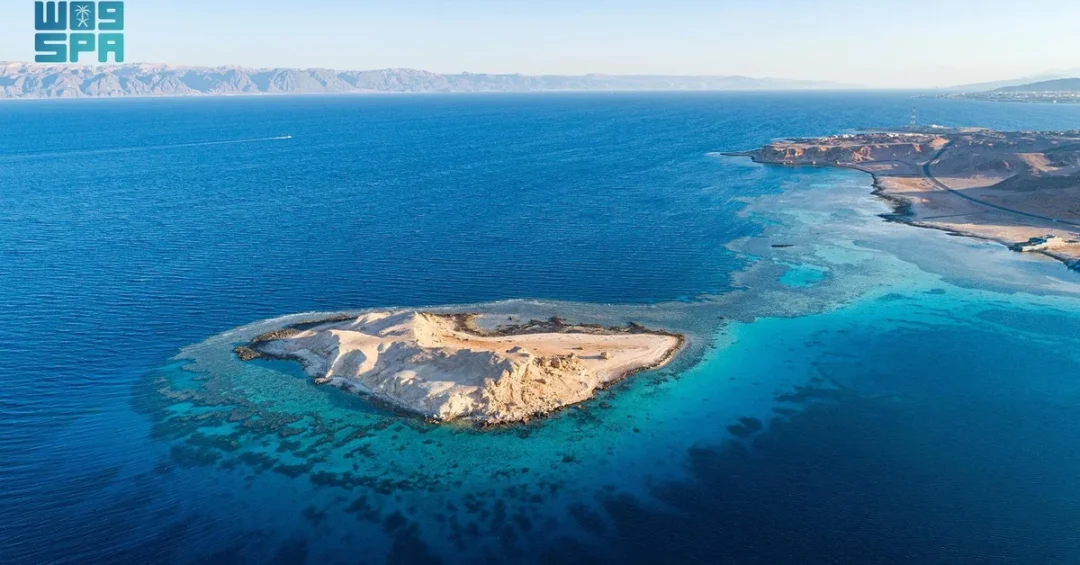
The Haql Governorate, a serene coastal gem in the Tabuk Region of Saudi Arabia, stands as a captivating blend of pristine beaches and stunning desert landscapes, offering a unique destination that has drawn travelers for centuries, according to the Saudi Press Agency (SPA). Located 220 kilometers north of Tabuk city and spanning approximately 327 square kilometers, Haql represents a significant historical and vital station on the Egyptian Hajj route, with abundant water sources that have supported life and travel in the region for generations. Have you ever imagined a place where the desert meets the sea in perfect harmony? Haql is that place, where the soft sand dunes of the Hisma Desert meet the crystal-clear waters of the Gulf of Aqaba, earning it the title of a “pearl” on the Kingdom’s coast.
This coastal governorate is not merely a geographical location; it is a testament to Saudi Arabia’s rich natural heritage and its growing appeal as a tourism destination. With a moderate climate and diverse natural beauty, Haql welcomes visitors to discover its unique blend of coastal beauty and desert charm, promising a tranquil and unforgettable escape. As the Kingdom continues to develop its tourism sector under Vision 2030, destinations like Haql are poised to play a pivotal role in showcasing the country’s hidden treasures to the world. The Saudi Press Agency highlights that Haql’s 28-kilometer coastline is a treasure trove of attractions, including the picturesque Al-Durra Corniche, the idyllic Al-Wasl Island, and numerous inviting beach pools, all set against a backdrop of towering mountains and sandstone formations.
Context and Background
What makes Haql such a significant destination in Saudi Arabia’s tourism landscape? The answer lies in its historical importance and its strategic location. For centuries, Haql has served as a vital station on the Egyptian Hajj route, providing water and respite for pilgrims traveling to the holy cities of Makkah and Madinah. This historical role has imbued the governorate with a unique cultural heritage that continues to attract visitors interested in the region’s past. According to official Saudi sources, the area’s abundant water sources have been a lifeline in an otherwise arid landscape, supporting both travelers and local communities.
Geographically, Haql is situated in the northwest corner of Saudi Arabia, bordering the Gulf of Aqaba and close to the borders with Jordan and Egypt. This prime location makes it a natural gateway for international tourists exploring the Red Sea region. The governorate’s moderate climate, particularly during the winter months, offers a pleasant escape from the extreme heat found in other parts of the Kingdom. The Saudi Press Agency notes that Haql’s diverse natural beauty ranges from soft sand dunes to the crystal-clear waters of the Gulf of Aqaba, creating a unique environment that appeals to both relaxation seekers and adventure enthusiasts.
In recent years, Saudi Arabia has intensified efforts to promote domestic and international tourism, with a focus on sustainable development and preserving natural and cultural heritage. Haql, with its unspoiled beaches and desert landscapes, aligns perfectly with these objectives. The governorate’s inclusion in national tourism strategies underscores its potential to become a major attraction, drawing visitors who seek authentic experiences off the beaten path. As the Kingdom opens up to the world, destinations like Haql are essential in diversifying the tourism offering beyond the well-known cities of Riyadh, Jeddah, and AlUla.
Key Details
What specific attractions does Haql offer to visitors? The governorate’s 28-kilometer coastline is lined with a variety of natural and man-made wonders. The Al-Durra Corniche, a picturesque waterfront promenade, provides a perfect spot for leisurely strolls and family gatherings, offering stunning views of the Gulf of Aqaba. Al-Wasl Island, an idyllic islet accessible by boat, invites visitors to explore its pristine beaches and clear waters, ideal for swimming and snorkeling. Numerous beach pools along the coast offer safe and enjoyable swimming experiences for all ages, making Haql a family-friendly destination.
Beyond the coast, the Hisma Desert presents a dramatic contrast with its towering mountains and sandstone formations. This desert landscape is a paradise for adventure seekers, offering opportunities for hiking, camping, and photography. The soft sand dunes provide a quintessential desert experience, while the rugged mountains challenge even the most experienced trekkers. According to the Saudi Press Agency, these natural features combine to create a breathtaking spectacle that is both serene and exhilarating. The governorate’s moderate climate ensures that outdoor activities can be enjoyed throughout much of the year, particularly from October to April.
Haql’s historical significance as a station on the Egyptian Hajj route adds another layer of interest for cultural tourists. The route, which brought pilgrims from Egypt and the Levant through the Sinai Peninsula and across the Gulf of Aqaba, relied on Haql’s water sources and safe harbor. Today, visitors can explore remnants of this historic pathway and gain insight into the centuries-old tradition of pilgrimage. The blend of natural beauty and historical depth makes Haql a unique destination that appeals to a wide range of interests, from nature lovers to history buffs.
International and Regional Impact
How does Haql’s development as a tourist destination impact the region and beyond? The governorate’s growing popularity contributes to Saudi Arabia’s broader efforts to position itself as a global tourism hub. By attracting international visitors, Haql helps diversify the Kingdom’s economy away from oil dependency, a key goal of Vision 2030. The influx of tourists also stimulates local businesses, creating jobs and fostering entrepreneurship in the hospitality, transportation, and retail sectors. Moreover, Haql’s proximity to Jordan and Egypt makes it an ideal stop for cross-border travelers exploring the Red Sea region.
Regionally, Haql’s development complements other mega-projects in northwestern Saudi Arabia, such as NEOM and the Red Sea Project. These initiatives collectively aim to transform the region into a premier tourism and investment destination. The Saudi Press Agency’s coverage of Haql highlights its role as a “pearl” on the Kingdom’s coast, reinforcing its appeal to both domestic and international audiences. As infrastructure improves and accessibility increases, Haql is expected to welcome a growing number of visitors, further integrating it into the regional tourism ecosystem. This integration not only boosts Saudi Arabia’s image but also fosters cultural exchange and economic cooperation with neighboring countries.
Economic and Strategic Significance
What economic benefits does Haql bring to Saudi Arabia? Tourism is a key pillar of Vision 2030, and destinations like Haql are instrumental in achieving the goal of increasing tourism’s contribution to the GDP. The governorate’s natural assets attract investment in hotels, resorts, and recreational facilities, stimulating economic growth. Local communities benefit from job creation and increased income, while the government generates revenue through tourism-related taxes and fees. Additionally, the development of Haql as a tourist destination supports the Kingdom’s efforts to promote sustainable tourism, ensuring that natural resources are preserved for future generations.
Strategically, Haql’s location near the Gulf of Aqaba enhances Saudi Arabia’s maritime presence and security in the Red Sea. The governorate’s port and coastline are vital for trade and transportation, linking the Kingdom to international markets. By investing in tourism infrastructure, Saudi Arabia also strengthens its soft power and cultural diplomacy, showcasing its heritage and hospitality to the world. The Saudi Press Agency’s report underscores the importance of Haql as a historical and vital station on the Egyptian Hajj route, a legacy that continues to shape its strategic relevance today.
Vision 2030 Alignment
How does Haql align with Saudi Arabia’s Vision 2030? The Vision aims to diversify the economy, enhance the quality of life, and promote the Kingdom as a global destination. Haql embodies these objectives by offering unique tourism experiences that celebrate Saudi Arabia’s natural and cultural heritage. The development of the governorate’s tourism sector creates economic opportunities, fosters community development, and preserves the environment. As part of the Tabuk Region’s growth strategy, Haql contributes to the broader goal of transforming Saudi Arabia into a world-class tourist destination.
Furthermore, Haql’s emphasis on sustainable tourism and heritage preservation reflects the Vision’s commitment to responsible development. By balancing economic growth with environmental stewardship, the governorate sets an example for other regions in the Kingdom. The Saudi Press Agency’s portrayal of Haql as a “pearl” on the coast highlights its potential to attract visitors from around the world, thereby enhancing Saudi Arabia’s global standing. As the Kingdom continues to invest in tourism, Haql is poised to shine as a beacon of natural beauty and cultural richness, contributing to the success of Vision 2030 and beyond.
20 Questions
Q1. Where is Haql Governorate located?
A1. Haql Governorate is located in the Tabuk Region of northwestern Saudi Arabia, approximately 220 kilometers north of Tabuk city, along the Gulf of Aqaba.
Q2. What is the size of Haql Governorate?
A2. Haql Governorate spans approximately 327 square kilometers, featuring a 28-kilometer coastline along the Gulf of Aqaba and diverse desert landscapes.
Q3. Why is Haql called a “pearl” on the Kingdom’s coast?
A3. It is called a “pearl” due to its pristine beaches, crystal-clear waters, moderate climate, and stunning desert scenery, which together create a unique coastal gem.
Q4. What historical significance does Haql have?
A4. Haql was a vital station on the Egyptian Hajj route, providing water and shelter to pilgrims traveling to Makkah and Madinah for centuries.
Q5. What are the main attractions in Haql?
A5. Key attractions include Al-Durra Corniche, Al-Wasl Island, numerous beach pools, and the Hisma Desert with its towering mountains and sandstone formations.
Q6. What is the climate like in Haql?
A6. Haql has a moderate climate, making it pleasant for outdoor activities, especially from October to April, compared to other hotter regions in Saudi Arabia.
Q7. How does Haql contribute to Saudi Arabia’s tourism sector?
A7. Haql attracts domestic and international tourists, diversifying the tourism offering and supporting economic growth, job creation, and sustainable development in the region.
Q8. What activities can visitors enjoy in Haql?
A8. Visitors can enjoy swimming, snorkeling, hiking, camping, photography, and exploring historical sites related to the Hajj route.
Q9. Is Haql accessible for international tourists?
A9. Yes, Haql is accessible via road from Tabuk and other cities, and its proximity to Jordan and Egypt makes it a convenient stop for regional travelers.
Q10. What is the Al-Durra Corniche?
A10. Al-Durra Corniche is a picturesque waterfront promenade in Haql, ideal for strolls and family outings, offering beautiful views of the Gulf of Aqaba.
Q11. What is special about Al-Wasl Island?
A11. Al-Wasl Island is an idyllic islet known for its pristine beaches and clear waters, perfect for swimming and snorkeling, accessible by boat.
Q12. What is the Hisma Desert known for?
A12. The Hisma Desert is known for its towering mountains, sandstone formations, and soft sand dunes, offering breathtaking landscapes for adventure seekers.
Q13. How does Haql align with Vision 2030?
A13. Haql supports Vision 2030 by promoting tourism, diversifying the economy, creating jobs, and preserving natural and cultural heritage for future generations.
Q14. What economic benefits does Haql bring?
A14. Haql stimulates local businesses, attracts investment in hospitality and infrastructure, generates government revenue, and creates employment opportunities for residents.
Q15. Are there any environmental conservation efforts in Haql?
A15. Yes, sustainable tourism practices are emphasized to preserve Haql’s natural beauty, including its beaches, water sources, and desert landscapes.
Q16. What is the best time to visit Haql?
A16. The best time to visit is during the cooler months from October to April, when the moderate climate allows for comfortable outdoor exploration.
Q17. How does Haql compare to other Saudi tourist destinations?
A17. Haql offers a unique blend of coastal and desert experiences, distinct from cities like Riyadh or Jeddah, and complements other Red Sea destinations.
Q18. What role does Haql play in regional tourism?
A18. Haql serves as a gateway for cross-border tourism, attracting visitors from Jordan and Egypt, and integrates with regional projects like NEOM and the Red Sea Project.
Q19. What infrastructure exists in Haql for tourists?
A19. Haql has basic tourism infrastructure including roads, accommodations, and recreational facilities, with ongoing developments to enhance visitor experiences.
Q20. Why should international visitors consider Haql?
A20. Haql offers an authentic Saudi experience with unspoiled nature, historical significance, and tranquility, making it a must-visit for those seeking unique destinations.
Reader Feedback
We value your thoughts. Please share your feedback on this article.
Your feedback helps us improve our coverage.
Related articles
 Hail’s Winter Beauty Captivates Visitors as Rain Transforms Region
 Taif Joins Global Sustainable Tourism Observatory Network
 AROYA Cruises Announces First Voyage in December
 Jeddah Gears Up for The Wonder District Festival
 TDF Signs Eight Financing Agreements at Biban24 Forum
 Wadi Al-Salf Festival Launches in Hail Under Royal Reserve