


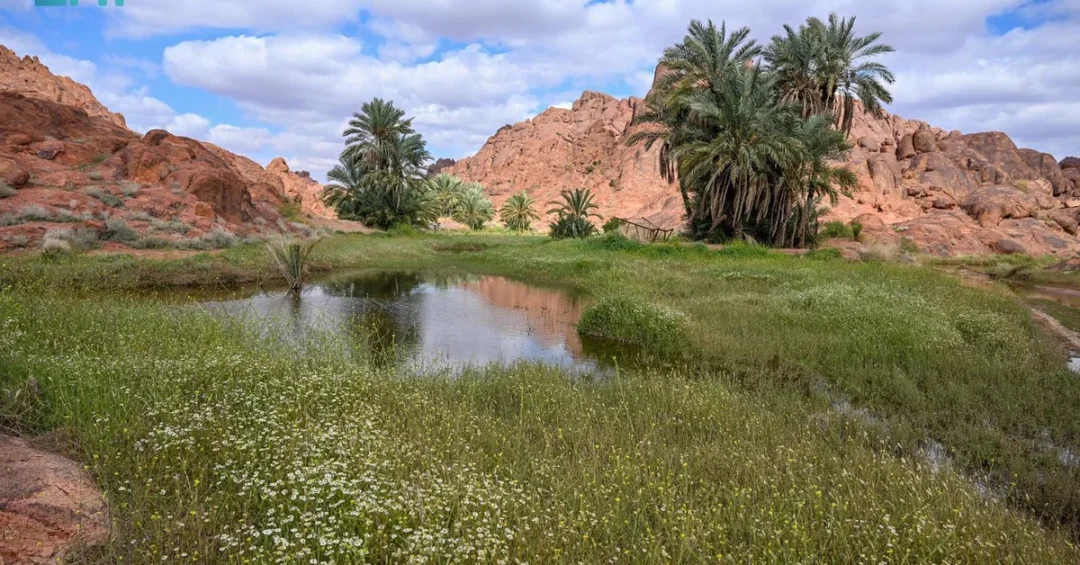
Hail, November 7, 2024 — The Hail region has been transformed into a breathtaking natural masterpiece as fog, rain showers, and mist sweep across its mountains, plains, valleys, and sand dunes, creating a picturesque landscape that is captivating visitors and residents alike as winter approaches, according to the Saudi Press Agency (SPA). The recent rainfall, which ranged from light showers to heavy downpours, has revitalized the terrain and turned Hail into a magnet for nature enthusiasts from across the Kingdom and beyond.
The moderate daytime temperatures and cool nights currently prevailing in the region offer ideal conditions for camping, hiking, and a wide range of outdoor activities, making Hail one of the most attractive destinations in Saudi Arabia during the cooler months. With its unique geography and rich natural heritage, Hail is increasingly being recognized as a cornerstone of the Kingdom’s growing domestic and international tourism sector, aligning closely with the objectives of Saudi Vision 2030. Have you ever witnessed a desert landscape come alive with mist and rain?
Context and Background
Hail, located in the north-central part of Saudi Arabia, has long been celebrated for its distinctive natural features, including the iconic Aja and Salma mountain ranges, vast sand dunes, and fertile valleys. The region’s name itself is derived from the Arabic word for “barren land,” yet its winter season consistently reveals a lush and vibrant side that surprises even seasoned travelers. The recent weather patterns, characterized by fog and mist settling over the landscape, have created scenes reminiscent of a painting, with layers of clouds draping the mountains and rain-fed streams flowing through the valleys.
What makes this transformation so significant for Saudi Arabia’s tourism ambitions? The Kingdom’s National Tourism Strategy, a key pillar of Vision 2030, aims to attract 150 million visits annually by 2030, with a strong emphasis on showcasing the country’s diverse natural environments. Hail’s winter beauty directly supports this goal by offering a compelling alternative to traditional desert tourism, highlighting the region’s potential as a year-round destination. The Saudi Press Agency reported that the recent rainfall has not only enhanced the visual appeal of the area but also replenished groundwater reserves and supported local agriculture, adding an economic dimension to the aesthetic and recreational benefits.
The region’s appeal is further amplified by its cultural and historical significance. Hail is home to archaeological sites dating back thousands of years, including rock art and ancient settlements that attest to its role as a crossroads of civilizations. Visitors drawn by the winter scenery can also explore these heritage treasures, creating a multifaceted tourism experience that combines natural beauty with cultural enrichment. This integrated approach reflects the Kingdom’s broader efforts to diversify its tourism offerings and attract a wide range of international travelers.
Key Details
The recent weather event, which began in early November 2024, brought precipitation across various parts of Hail, from gentle drizzles to intense downpours. According to the Saudi Press Agency, the fog and mist have been particularly striking in the early mornings and late evenings, when the interplay of light and moisture creates ethereal vistas over the mountains and dunes. The moderate daytime temperatures, typically ranging between 20 and 25 degrees Celsius, provide comfortable conditions for outdoor exploration, while the cool nights encourage camping under clear, star-filled skies.
Local authorities and tourism operators have reported a noticeable increase in visitor activity, with families and adventure seekers flocking to popular spots such as the Aja Mountains, the Hail Desert, and the numerous valleys that have been rejuvenated by the rains. Camping, a cherished tradition in Saudi culture, has seen a resurgence, with designated sites offering modern amenities alongside the rustic charm of the desert. The Saudi Press Agency noted that the region’s natural beauty is not only a source of pride for locals but also a growing draw for international tourists seeking authentic experiences.
What does this mean for the future of tourism in Hail? The Hail Region Development Authority, in coordination with the Ministry of Tourism, has been investing in infrastructure to accommodate the rising number of visitors, including improved roads, visitor centers, and eco-friendly campsites. These efforts are designed to ensure that the region’s natural treasures are preserved while providing world-class experiences. The winter season, in particular, has become a focal point for promotional campaigns that highlight Hail’s unique blend of adventure, relaxation, and cultural discovery.
International and Regional Impact
The captivating winter scenes in Hail are resonating beyond Saudi Arabia’s borders, drawing attention from regional and international media and travel influencers. As the Kingdom continues to open up to global tourism under Vision 2030, destinations like Hail are being positioned as must-visit locations for travelers seeking off-the-beaten-path experiences. The region’s accessibility has also improved significantly, with Hail International Airport receiving direct flights from several regional hubs and domestic connections from Riyadh and Jeddah.
From a regional perspective, Hail’s winter tourism boom complements similar seasonal attractions in neighboring countries, fostering a spirit of friendly competition and collaboration in the Middle East’s burgeoning tourism sector. Saudi Arabia’s proactive approach to developing sustainable tourism infrastructure serves as a model for the region, demonstrating how natural assets can be leveraged for economic diversification while preserving cultural and environmental integrity. Have you considered how such natural spectacles can bridge cultures and bring people together?
Economic and Strategic Significance
The economic implications of Hail’s winter tourism surge are substantial. The influx of visitors stimulates local businesses, from hotels and restaurants to tour operators and handicraft vendors, creating jobs and supporting the Kingdom’s goal of reducing dependence on oil revenues. According to official Saudi sources, the tourism sector is expected to contribute up to 10 percent of GDP by 2030, and regions like Hail are pivotal to achieving this target. The recent weather-driven boost is a testament to the potential of nature-based tourism as a sustainable economic driver.
Strategically, Hail’s emergence as a winter destination supports the Kingdom’s broader vision of becoming a global tourism powerhouse. By showcasing the diversity of its landscapes—from the red sands of the Nafud Desert to the rugged beauty of the Aja and Salma mountains—Saudi Arabia is challenging outdated perceptions and inviting the world to discover its hidden gems. This aligns with the National Tourism Strategy’s focus on enriching the visitor experience and promoting domestic tourism, which is essential for building a resilient and diversified economy.
Vision 2030 Alignment
Hail’s natural beauty and its growing appeal as a winter destination are directly aligned with the goals of Saudi Vision 2030, which seeks to diversify the economy, enhance quality of life, and position the Kingdom as a leading global destination. The Vision’s Quality of Life Program emphasizes the importance of preserving natural environments and making them accessible for recreation and tourism, while the National Tourism Strategy aims to attract 150 million visits annually by 2030. Hail’s winter landscapes exemplify how Saudi Arabia’s natural assets can be harnessed to achieve these ambitious targets.
As the Kingdom continues its journey of transformation, regions like Hail will play an increasingly vital role in showcasing the best of Saudi Arabia to the world. The recent rainfall and the resulting picturesque scenery are more than just a seasonal phenomenon; they are a symbol of the Kingdom’s renewal and its commitment to sustainable development. With continued investment in infrastructure, promotion, and preservation, Hail is poised to become a year-round destination that captivates visitors and contributes to the success of Vision 2030. Isn’t it inspiring to see how natural beauty and strategic vision can converge to create a brighter future?
20 Questions
Q1. What natural phenomena have recently transformed Hail’s landscape?
A1. Fog, rain showers, and mist have painted Hail’s mountains, plains, valleys, and sand dunes into a picturesque landscape, creating a stunning natural masterpiece that has captivated visitors and locals as winter approaches, according to the Saudi Press Agency.
Q2. When did this weather event occur in Hail?
A2. The weather event occurred in early November 2024, with rainfall ranging from light showers to heavy downpours, as reported by the Saudi Press Agency on November 7, 2024.
Q3. What are the daytime and nighttime temperatures like in Hail during this period?
A3. Hail experiences moderate daytime temperatures, typically between 20 and 25 degrees Celsius, and cool nights, providing ideal conditions for camping and outdoor activities, according to official Saudi sources.
Q4. Which geographical features make Hail’s landscape unique?
A4. Hail is known for its iconic Aja and Salma mountain ranges, vast sand dunes, fertile valleys, and expansive plains, all of which have been enhanced by the recent rainfall and mist, creating a harmonious backdrop.
Q5. How has the recent rainfall affected Hail’s environment?
A5. The rainfall has revitalized the terrain, replenished groundwater reserves, supported local agriculture, and transformed Hail into a haven for nature enthusiasts, as noted by the Saudi Press Agency.
Q6. What outdoor activities are popular in Hail during winter?
A6. Camping, hiking, and nature exploration are popular activities, with moderate temperatures and cool nights offering ideal conditions for families and adventure seekers to enjoy the region’s natural beauty.
Q7. How does Hail’s winter beauty support Saudi Vision 2030?
A7. It aligns with the National Tourism Strategy’s goal to attract 150 million visits annually by 2030, showcasing Saudi Arabia’s diverse natural environments and promoting sustainable tourism as a key economic driver.
Q8. What is the significance of Hail’s location in Saudi Arabia?
A8. Hail is located in the north-central part of the Kingdom, serving as a crossroads of civilizations with archaeological sites, and its accessibility has improved with direct flights from regional hubs and domestic cities.
Q9. How are local authorities supporting tourism in Hail?
A9. The Hail Region Development Authority and the Ministry of Tourism are investing in infrastructure, including improved roads, visitor centers, and eco-friendly campsites, to accommodate the rising number of visitors while preserving natural treasures.
Q10. What impact does winter tourism have on Hail’s economy?
A10. It stimulates local businesses such as hotels, restaurants, and tour operators, creates jobs, and supports the Kingdom’s goal of reducing oil dependence, with tourism expected to contribute up to 10 percent of GDP by 2030.
Q11. How has the international community responded to Hail’s winter scenery?
A11. The captivating scenes have drawn attention from regional and international media and travel influencers, positioning Hail as a must-visit destination for travelers seeking authentic experiences in Saudi Arabia.
Q12. What cultural and historical attractions complement Hail’s natural beauty?
A12. Hail is home to archaeological sites dating back thousands of years, including rock art and ancient settlements, offering visitors a multifaceted experience that combines natural beauty with cultural enrichment.
Q13. What role does Hail International Airport play in tourism growth?
A13. Hail International Airport receives direct flights from several regional hubs and domestic connections from Riyadh and Jeddah, enhancing accessibility and facilitating the influx of visitors to the region.
Q14. How does the recent weather align with Saudi Arabia’s environmental goals?
A14. The rainfall replenishes groundwater and supports agriculture, aligning with Vision 2030’s Quality of Life Program, which emphasizes preserving natural environments and making them accessible for recreation and tourism.
Q15. What makes Hail a year-round destination?
A15. Hail offers diverse attractions across seasons, from winter’s misty landscapes to its rich cultural heritage and adventure activities, with ongoing investments in infrastructure and promotion enhancing its appeal throughout the year.
Q16. How are local communities benefiting from the tourism surge?
A16. Local communities benefit through job creation, increased demand for handicrafts and local products, and opportunities for entrepreneurship in hospitality and guiding services, fostering economic resilience and pride in their region.
Q17. What sustainable practices are being implemented in Hail’s tourism development?
A17. Eco-friendly campsites, preservation of natural habitats, and responsible visitor management are being prioritized to ensure that Hail’s natural treasures are protected for future generations while providing world-class experiences.
Q18. How does Hail’s winter beauty challenge perceptions of Saudi Arabia?
A18. It showcases the Kingdom’s diverse landscapes beyond deserts, inviting the world to discover its hidden gems and reinforcing Saudi Arabia’s position as a leading global tourism destination under Vision 2030.
Q19. What future plans exist for promoting Hail as a tourism hub?
A19. Continued investment in infrastructure, promotional campaigns highlighting winter attractions, and integration with national tourism strategies aim to establish Hail as a premier year-round destination, contributing to the 150 million visits target by 2030.
Q20. How can international travelers experience Hail’s winter wonders?
A20. International travelers can fly directly to Hail International Airport, explore the Aja and Salma mountains, camp in designated sites, and immerse themselves in the region’s natural beauty and cultural heritage, with support from local tourism operators.
Reader Feedback
We value your thoughts. Please share your feedback on this article.
Your feedback helps us improve our coverage.
Related articles
 Taif Joins Global Sustainable Tourism Observatory Network
 AROYA Cruises Announces First Voyage in December
 Jeddah Gears Up for The Wonder District Festival
 TDF Signs Eight Financing Agreements at Biban24 Forum
 Wadi Al-Salf Festival Launches in Hail Under Royal Reserve
 Al Balad Targets 1,800 Hotel Rooms in Historic Jeddah