


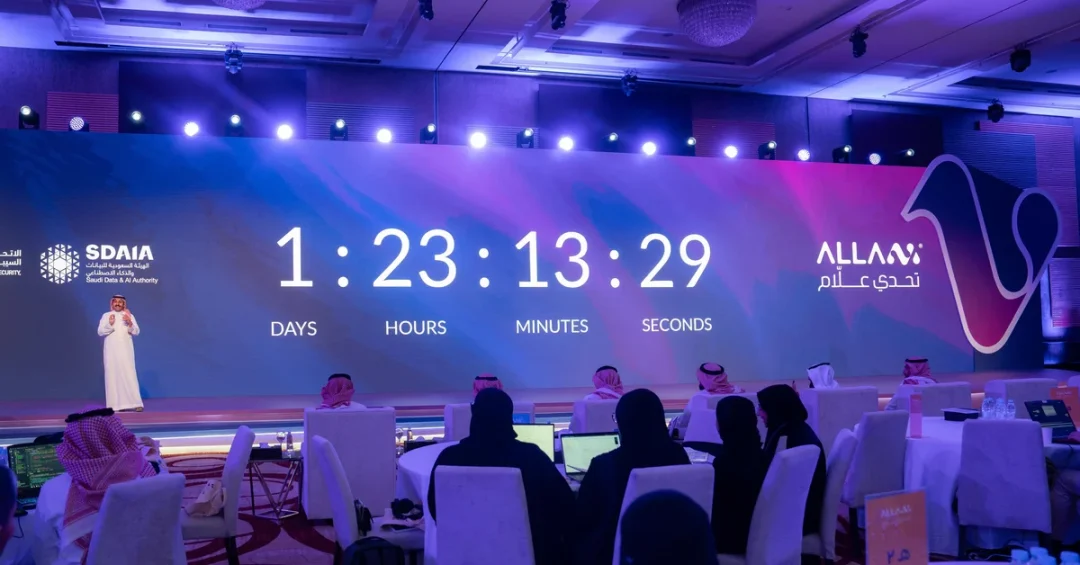
The ALLaM Challenge, the largest national event dedicated to advancing the Arabic language through artificial intelligence, commenced in Riyadh on November 7, 2024, organized by the Saudi Data and Artificial Intelligence Authority (SDAIA) in collaboration with the Saudi Federation for Cybersecurity, Programming, and Drones. The three-day event brings together more than 600 participants from 17 countries, all competing to develop cutting-edge AI models capable of comprehending and generating Arabic text with unprecedented accuracy. Sponsored by IBM and the National Technology Development Program (NTDP), the challenge offers a total prize pool of SAR1 million, underscoring Saudi Arabia’s commitment to positioning the Arabic language at the forefront of the digital age. Could this initiative mark a turning point for Arabic in the global AI landscape?
The ALLaM Challenge is not merely a competition; it is a strategic move by the Kingdom to harness the power of artificial intelligence for linguistic and cultural preservation. By providing high-quality Arabic language data and encouraging the development of advanced AI models, Saudi Arabia aims to elevate the status of Arabic in a world increasingly dominated by English-centric technologies. The event, launched at the third Global Artificial Intelligence Summit (GAIN) in September, reflects SDAIA’s broader mission to foster innovation and collaboration in AI while ensuring that the Arabic language remains vibrant and influential in the digital realm. With mentorship from over 50 experts in AI and Arabic language, participants are poised to create solutions that could revolutionize sectors from education to commerce.
Context and Background
Why has Arabic historically been underrepresented in artificial intelligence development? The answer lies in the complexity of the language and the scarcity of large, high-quality datasets. Arabic’s rich morphology, dialectal variations, and intricate script present unique challenges for natural language processing (NLP) models. For years, global AI research has focused on English and a few other major languages, leaving Arabic speakers—numbering over 400 million worldwide—with fewer advanced tools. The ALLaM Challenge directly addresses this gap by incentivizing the creation of large language models (LLMs) that can parse Arabic sentences accurately, generate coherent text, and even engage children in fun and effective language learning.
Saudi Arabia’s leadership in this domain is not accidental. Under Vision 2030, the Kingdom has prioritized digital transformation and AI as key drivers of economic diversification. SDAIA, established in 2019, has been at the helm of these efforts, launching initiatives that blend technological innovation with cultural preservation. The ALLaM Challenge builds on this momentum, following the launch of the ALLaM model itself—a large language model developed by SDAIA that serves as a foundation for Arabic AI applications. By hosting this competition, Saudi Arabia reinforces its role as a global hub for AI research and development, particularly in the Arabic-speaking world.
The event also highlights the collaborative spirit that defines Saudi Arabia’s approach to technology. Partners like IBM and the National Technology Development Program bring invaluable expertise and resources, while the participation of 600 individuals from 17 countries demonstrates the challenge’s international appeal. This diverse pool of talent will compete to develop innovative solutions for LLMs, with the winning projects recognized for their potential to revolutionize various sectors. What could these breakthroughs mean for the future of Arabic in AI?
Key Details
The ALLaM Challenge is structured as a three-day intensive event, during which participants will work on developing AI models that can understand and generate Arabic text. The competition focuses on three core objectives: accurate comprehension, precise sentence parsing, and engaging language learning for children. To support these goals, SDAIA has provided high-quality Arabic language data, ensuring that participants have the resources needed to train robust models. The total prize pool of SAR1 million is a significant incentive, but the real reward lies in the potential to create solutions that can be applied across industries—from education and media to customer service and government services.
Mentorship is a cornerstone of the challenge. Over 50 experts in AI and Arabic language are on hand to guide participants, offering insights that blend technical know-how with linguistic nuance. This mentorship not only enhances the quality of the projects but also fosters a community of practice that will continue to drive innovation long after the event concludes. The winning projects will be recognized for their potential to promote the widespread use of Arabic in AI applications, a goal that aligns with SDAIA’s mission to position a vibrant and influential language in the digital world. How will these projects shape the everyday experiences of Arabic speakers globally?
The challenge also emphasizes collaboration across borders. With participants from 17 countries, the event underscores the global interest in Arabic AI and the recognition that language technology benefits from diverse perspectives. By bringing together talent from different backgrounds, SDAIA is cultivating an ecosystem where innovation thrives. The involvement of IBM, a global leader in AI, further validates the importance of this endeavor. As the competition unfolds, it will be fascinating to see how teams approach the unique challenges of Arabic NLP and what novel solutions emerge.
International and Regional Impact
What does the ALLaM Challenge signify for the broader Middle East and the world? For one, it positions Saudi Arabia as a leader in AI research tailored to Arabic, a language spoken by millions across the region and beyond. This leadership could have ripple effects, encouraging other countries to invest in similar initiatives and fostering a more inclusive digital landscape. The challenge also strengthens regional cooperation, as participants from across the Arab world and beyond collaborate on solutions that benefit all Arabic speakers. By elevating Arabic in AI, Saudi Arabia is helping to preserve cultural heritage while driving technological progress.
On the international stage, the ALLaM Challenge demonstrates the Kingdom’s commitment to contributing to global AI development. It showcases Saudi Arabia’s ability to convene top talent and address pressing challenges, such as linguistic diversity in technology. The event also aligns with global efforts to promote multilingualism in AI, as organizations like UNESCO have emphasized the importance of language preservation in the digital age. Through this challenge, Saudi Arabia is not only advancing its own Vision 2030 goals but also contributing to a more equitable digital future. Could this model be replicated for other underrepresented languages?
Economic and Strategic Significance
How does the ALLaM Challenge translate into economic and strategic gains for Saudi Arabia? The development of advanced Arabic AI models has direct commercial applications. Businesses can use these models to better serve Arabic-speaking customers, from chatbots that understand dialects to content generation tools that resonate with local audiences. This can boost productivity and open new markets for Saudi tech companies. Moreover, by fostering a local AI ecosystem, the Kingdom is creating high-skilled jobs and attracting foreign investment, both key objectives of Vision 2030. The SAR1 million prize pool is a modest investment compared to the long-term economic returns from a thriving AI sector.
Strategically, the challenge reinforces Saudi Arabia’s soft power. By championing the Arabic language, the Kingdom strengthens its cultural leadership and deepens ties with Arabic-speaking nations. It also reduces dependence on foreign AI solutions that may not adequately serve Arabic users, enhancing digital sovereignty. In a world where data is the new oil, controlling the development of language models is a strategic asset. The ALLaM Challenge is thus a multifaceted initiative that advances economic, cultural, and strategic interests simultaneously. What other sectors could benefit from Arabic-centric AI?
Vision 2030 Alignment
The ALLaM Challenge is a clear embodiment of Vision 2030’s goals to diversify the economy, empower youth, and promote Saudi Arabia as a global leader in technology. By investing in AI and Arabic language, the Kingdom is building a knowledge-based economy that leverages its unique cultural assets. SDAIA’s efforts align with the National Strategy for Data and AI, which aims to make Saudi Arabia a top 15 nation in AI by 2030. The challenge also supports human capital development, providing participants with mentorship and exposure to cutting-edge research. As these projects mature, they will contribute to a vibrant digital ecosystem that benefits all Saudis.
Looking ahead, the ALLaM Challenge is more than a competition; it is a catalyst for a future where Arabic thrives in the digital age. By empowering developers and fostering innovation, Saudi Arabia is ensuring that the language of the Quran and centuries of heritage remains relevant and dynamic. The Kingdom’s leadership in this area sets a precedent for others to follow, demonstrating that technology can be a force for cultural preservation and economic growth. As the event concludes and winners are announced, the real journey begins—one that will see Arabic AI models enhance education, commerce, and communication across the globe. The world will be watching, and Saudi Arabia is ready to lead the way.
20 Questions
Q1. What is the ALLaM Challenge?
A1. The ALLaM Challenge is the largest national event dedicated to advancing the Arabic language through artificial intelligence, organized by SDAIA in Riyadh with over 600 participants from 17 countries.
Q2. When and where did the ALLaM Challenge take place?
A2. The three-day event kicked off on November 7, 2024, in Riyadh, Saudi Arabia, bringing together AI experts and developers to compete in developing Arabic language models.
Q3. Who organized the ALLaM Challenge?
A3. The challenge was organized by the Saudi Data and Artificial Intelligence Authority (SDAIA) in collaboration with the Saudi Federation for Cybersecurity, Programming, and Drones.
Q4. What is the total prize pool for the challenge?
A4. The total prize pool is SAR1 million, sponsored by IBM and the National Technology Development Program (NTDP), aimed at rewarding innovative solutions in Arabic AI.
Q5. How many participants joined the challenge?
A5. Over 600 participants from 17 countries are taking part, representing a diverse global community of AI developers and Arabic language experts.
Q6. What are the main goals of the ALLaM Challenge?
A6. The challenge aims to develop AI models that comprehend and generate Arabic text, parse sentences accurately, and engage children in fun and effective language learning.
Q7. What role does IBM play in the challenge?
A7. IBM is a sponsor of the event, providing support and expertise to participants as they develop innovative solutions for large language models in Arabic.
Q8. What is the National Technology Development Program (NTDP)?
A8. NTDP is a Saudi initiative that supports technology development and innovation, and it co-sponsors the ALLaM Challenge to promote AI advancements in the Kingdom.
Q9. How many experts are mentoring the participants?
A9. Over 50 experts in AI and Arabic language are providing mentorship and guidance to help participants refine their projects and enhance their technical skills.
Q10. What is SDAIA’s role in Saudi Arabia’s AI strategy?
A10. SDAIA is the national authority responsible for driving AI and data initiatives, aligning with Vision 2030 to position Saudi Arabia as a global leader in technology and innovation.
Q11. What is the significance of the ALLaM Challenge for the Arabic language?
A11. It aims to elevate the status of Arabic in the digital age by fostering AI models that can understand and generate Arabic, ensuring the language remains vibrant and influential.
Q12. When was the ALLaM Challenge launched?
A12. The challenge was launched at the third Global Artificial Intelligence Summit (GAIN) in September 2024, building on SDAIA’s efforts to promote Arabic in AI.
Q13. How does the challenge support children’s language learning?
A13. Participants are tasked with developing AI models that can engage children in fun and effective Arabic language learning, making education more interactive and accessible.
Q14. What sectors could benefit from the outcomes of the challenge?
A14. Various sectors including education, media, customer service, and government services can benefit from advanced Arabic AI models that improve communication and efficiency.
Q15. How does the ALLaM Challenge align with Vision 2030?
A15. It supports economic diversification, human capital development, and technological leadership, key pillars of Vision 2030, by fostering AI innovation in Arabic.
Q16. What is the significance of the challenge being held in Riyadh?
A16. Riyadh, as the capital and a growing tech hub, hosting the event underscores Saudi Arabia’s commitment to leading AI development in the region and beyond.
Q17. How many countries are represented in the challenge?
A17. Participants come from 17 countries, reflecting the global interest in Arabic AI and the collaborative nature of the event.
Q18. What happens to the winning projects?
A18. Winning projects will be recognized for their potential to revolutionize sectors and promote the widespread use of Arabic in AI applications, possibly leading to further development.
Q19. How does the challenge promote collaboration in AI?
A19. By bringing together diverse talent, mentors, and sponsors, the challenge fosters a community of practice that encourages knowledge sharing and joint innovation in Arabic AI.
Q20. What is the long-term impact of the ALLaM Challenge?
A20. It is expected to accelerate the development of Arabic AI models, enhance Saudi Arabia’s leadership in technology, and ensure the Arabic language thrives in the digital future.
Reader Feedback
We value your thoughts. Please share your feedback on this article.
Your feedback helps us improve our coverage.
Related articles
 SDAIA Showcases Smart Cities at Barcelona Conference
 ICESCO Affirms Importance of Scientific Diplomacy in Fostering Knowledge
 ALLaM Challenge: 200 Teams from 17 Nations Compete in Arabic AI
 CST Demo Day Graduates 20 Space Startups from 7 Countries
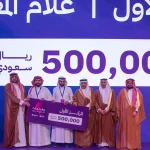 SDAIA President Honors Winners of ALLaM Challenge
 CODE Launches LogisTech Challenge to Boost Innovation