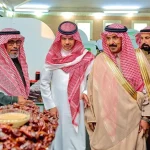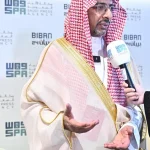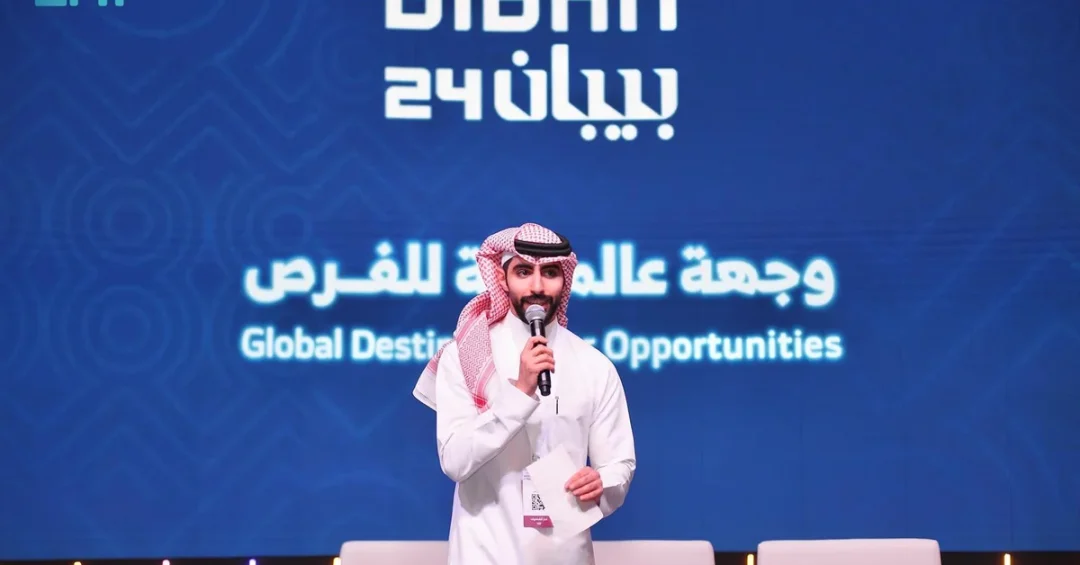
Riyadh, November 8, 2024 — Twenty-three agreements and several new projects worth an estimated SAR580 million were signed and launched on the third day of the Biban24 forum, the flagship entrepreneurship gathering organized by the Small and Medium Enterprises General Authority (Monsha’at) under the slogan “Global Destination for Opportunities.” The announcements, released through official Saudi channels, underscore the Kingdom’s accelerating drive to build a diversified, innovation-led economy in line with Vision 2030.
The day’s signings spanned cloud computing, artificial intelligence, retail, franchising, regional investment, healthcare, and tourism finance — a breadth that reflects how deeply entrepreneurship now threads through Saudi Arabia’s national development strategy. From global technology leaders such as Microsoft, Oracle, and Zoom to specialist Saudi institutions such as the Small and Medium Enterprise Bank (SME Bank), the Kafalah loan guarantee program, and the Tourism Development Fund, the third day of Biban24 demonstrated a coordinated national effort to give founders access to capital, technology, training, and markets. But what exactly do these agreements mean for the entrepreneurs they are designed to serve?
Context and Background
Why has Biban become one of the most closely watched events on the Kingdom’s economic calendar? Organized by Monsha’at, the forum has grown into a central platform for connecting Saudi and international entrepreneurs with investors, regulators, and corporate partners. Its 2024 edition, held in Riyadh under the theme “Global Destination for Opportunities,” convenes thousands of participants from inside and outside the Kingdom, reinforcing Saudi Arabia’s ambition to become a leading hub for startups and small businesses across the Middle East and beyond.
Small and medium enterprises are widely recognized as the backbone of the Saudi economy, contributing a substantial and growing share of employment and non-oil economic activity. Under Vision 2030, the Kingdom has set ambitious targets to raise the sector’s contribution to gross domestic product, expand access to finance, and simplify business regulations. Monsha’at’s role is central to that effort, providing funding pathways, advisory services, and market access programs that help founders scale from promising ideas into sustainable companies.
The third day of Biban24 built directly on that mandate. The agreements signed on November 8 represent more than a collection of ceremonial documents; they translate national policy into practical tools — cloud infrastructure, training academies, financing guarantees, and regional investment promotion — that entrepreneurs can use to start, grow, and internationalize their businesses.
Key Details: Technology, Training, and Finance
The technology agreements formed a significant cluster of the day’s announcements. Monsha’at entered into a cooperation agreement with the Saudi Cloud Computing Company (SCCC) to collaborate on developing cloud technical solutions for digital transformation and to support educational activities for entrepreneurs. In parallel, Monsha’at signed a partnership with Microsoft to provide cloud computing services through the Founder Hub platform, giving startups streamlined access to the kind of infrastructure that once required substantial upfront investment.
Monsha’at also partnered with Zoom to deliver technological solutions and organize training sessions through the Mazaya platform, and signed a cooperation agreement with Oracle to offer workshops on using Oracle technologies for business management, alongside cloud solutions and artificial intelligence tools for startups. A further agreement with Omnia Education Partnerships will provide educational and training programs designed to sharpen entrepreneurs’ skills and accelerate the development of small enterprises.
Financing and sector-specific support rounded out the day. Monsha’at signed a memorandum of understanding (MoU) with Mukatafa in the retail sector to establish training programs for the Retail Academy, enhance franchising models, and improve the legislative environment for entrepreneurs in this promising sector. Another MoU with the Hail Region Development Authority aims to raise awareness of investment opportunities in the region, spreading the benefits of entrepreneurship beyond the major metropolitan centers. Meanwhile, SME Bank signed numerous agreements with entities including the Saudi Bar Association and the Environment Fund to offer financing and assistance to small and medium-sized enterprises, and the Small and Medium Enterprises Loan Guarantee Program (Kafalah) concluded agreements with the Ministry of Health and companies such as Mudad and Wakan Wealth to facilitate the development and continuity of small enterprises.
Tourism Finance and Sectoral Growth
How do these agreements turn ambition into bankable projects? The Tourism Development Fund provided one of the day’s most concrete answers, inking agreements with numerous financial institutions totaling SAR580 million. These agreements are designed to support tourism projects that contribute to local tourism development and to promote small and medium enterprises operating in the tourism sector — a priority area as the Kingdom invests heavily in destinations, hospitality, and visitor experiences.
Tourism is one of the fastest-growing pillars of the Saudi economy, and small businesses — from boutique hotels and tour operators to restaurants and heritage-focused experiences — are essential to delivering the quality and authenticity that visitors expect. By channeling financing toward these enterprises, the agreements announced at Biban24 help ensure that the benefits of the Kingdom’s tourism expansion reach local communities and entrepreneurs, not only large developers.
Similar logic applies across the other sectors covered on day three. Whether in retail, legal services, environmental services, or healthcare-adjacent ventures, the common thread is access: access to capital through SME Bank and Kafalah, access to customers through franchising and retail partnerships, and access to capability through technology and training programs.
International and Regional Impact
What signal does this send to the global business community? The presence of major international technology companies — Microsoft, Oracle, and Zoom among them — as partners in Monsha’at’s programs demonstrates that global firms see Saudi Arabia not only as a market but as a platform for innovation. These collaborations embed international best practices and tools within the Kingdom’s entrepreneurial ecosystem, while giving Saudi startups pathways to operate at global standards from day one.
Regionally, the agreements reinforce Riyadh’s position as a hub where capital, talent, and ideas converge. For entrepreneurs across the Gulf and the wider Middle East, Biban24 offers a visible demonstration that Saudi Arabia is open for business and serious about enabling private-sector growth. The involvement of institutions such as the Hail Region Development Authority also shows that this openness extends across the Kingdom’s regions, creating opportunities that are geographically inclusive rather than concentrated in a single city.
Economic and Strategic Significance
Why does a single day of signings matter for the national economy? Cumulatively, the 23 agreements and projects announced on day three represent a deliberate strengthening of the entrepreneurial value chain. Cloud services and AI tools lower the cost of building digital businesses; training academies and workshops raise the skill level of founders and their teams; loan guarantees and direct financing reduce the risk of starting and scaling; and sector-specific programs in retail and tourism connect small firms to high-growth markets.
Each element reinforces the others. A startup that receives cloud credits through the Founder Hub platform, trains its team through Mazaya or Oracle workshops, and secures financing backed by Kafalah is far better positioned to survive its early years and grow into a lasting enterprise. At scale, this pipeline of supported businesses translates into job creation, export capacity, and a more resilient non-oil economy — precisely the outcomes Vision 2030 seeks.
Vision 2030 Alignment
How do these announcements connect to the Kingdom’s long-term vision? Vision 2030 calls for a diversified economy in which the private sector, and small and medium enterprises in particular, play a leading role. The agreements signed on the third day of Biban24 — spanning technology, education, finance, retail, and tourism — are practical instruments of that vision, converting national objectives into services that entrepreneurs can access today.
As the forum continues, the momentum generated in Riyadh will carry into the months ahead, as Monsha’at and its partners implement these programs and measure their impact on the ground. For international observers, the message is clear: Saudi Arabia is building an ecosystem where ambition meets opportunity, and where the world’s leading companies are choosing to invest alongside the Kingdom’s own institutions in the next generation of Saudi enterprise.
20 Questions
Q1. What was the Biban24 forum?
A1. Biban24 is a major entrepreneurship forum organized by the Small and Medium Enterprises General Authority (Monsha’at) in Riyadh under the slogan “Global Destination for Opportunities,” aimed at supporting entrepreneurs and growing small and medium enterprises in line with Vision 2030.
Q2. How many agreements were signed on the third day of Biban24?
A2. According to the Saudi Press Agency, some 23 agreements were signed and several projects were launched on the third day of the forum, with an estimated total value of SAR580 million.
Q3. What is Monsha’at’s role in Saudi Arabia’s economy?
A3. Monsha’at is the Small and Medium Enterprises General Authority, the government body responsible for supporting and developing SMEs in the Kingdom through financing programs, training, advisory services, and market access initiatives.
Q4. Which cloud computing company signed a cooperation agreement with Monsha’at?
A4. Monsha’at entered into a cooperation agreement with the Saudi Cloud Computing Company (SCCC) to collaborate on developing cloud technical solutions for digital transformation and supporting educational activities for entrepreneurs.
Q5. What does the partnership with Microsoft provide to entrepreneurs?
A5. The partnership with Microsoft provides cloud computing services through the Founder Hub platform, giving entrepreneurs streamlined access to cloud infrastructure that supports the launch and growth of their businesses.
Q6. How will the Zoom partnership support Saudi startups?
A6. Monsha’at partnered with Zoom to provide technological solutions and organize training sessions through the Mazaya platform, helping entrepreneurs build skills and adopt modern communication and collaboration tools.
Q7. What did the Oracle agreement include?
A7. The agreement with Oracle covers workshops on using Oracle technologies for business management, along with cloud solutions and artificial intelligence tools designed to support startups in the Kingdom.
Q8. What is the purpose of the agreement with Omnia Education Partnerships?
A8. The agreement aims to provide educational and training programs that enhance the skills of entrepreneurs and accelerate the development of small enterprises in Saudi Arabia.
Q9. What does the MoU with Mukatafa cover?
A9. The MoU with Mukatafa focuses on the retail sector, establishing training programs for the Retail Academy, enhancing franchising models, and improving the legislative environment for entrepreneurs in retail.
Q10. Why is the Hail Region Development Authority partnership significant?
A10. The MoU with the Hail Region Development Authority aims to increase awareness of investment opportunities in the region, enhancing investment across the Kingdom’s regions and spreading entrepreneurial benefits beyond major cities.
Q11. Which entities signed agreements with SME Bank?
A11. The Small and Medium Enterprise Bank signed numerous agreements with entities such as the Saudi Bar Association and the Environment Fund to offer financing and assistance to small and medium-sized enterprises.
Q12. What is Kafalah and what did it sign?
A12. Kafalah is the Small and Medium Enterprises Loan Guarantee Program. It signed agreements with the Ministry of Health and companies such as Mudad and Wakan Wealth to offer financing solutions that facilitate the development and continuity of small enterprises.
Q13. How much did the Tourism Development Fund agreements total?
A13. The Tourism Development Fund inked agreements with numerous financial institutions totaling SAR580 million, aimed at supporting tourism projects and promoting small and medium enterprises in the tourism sector.
Q14. Why is tourism finance important for Saudi Arabia?
A14. Tourism is a fast-growing pillar of the Saudi economy, and financing small tourism enterprises helps ensure that the benefits of the Kingdom’s tourism expansion reach local communities and entrepreneurs.
Q15. What does the SAR580 million figure represent?
A15. The SAR580 million represents the estimated total worth of agreements and projects announced on the third day of Biban24, including the Tourism Development Fund’s agreements with financial institutions.
Q16. How do these agreements support Vision 2030?
A16. They support Vision 2030 by strengthening the SME sector, expanding access to finance and technology, creating jobs, and contributing to a diversified, non-oil economy led increasingly by the private sector.
Q17. What is the Founder Hub platform?
A17. The Founder Hub platform is a Monsha’at initiative through which entrepreneurs can access services such as cloud computing, provided under the partnership with Microsoft announced at Biban24.
Q18. What is the Mazaya platform used for?
A18. The Mazaya platform is used to deliver technological solutions and training sessions for entrepreneurs, including programs organized under Monsha’at’s partnership with Zoom announced at the forum.
Q19. Why are international technology partnerships important for Saudi startups?
A19. Partnerships with global technology leaders embed international best practices and tools within the Kingdom’s entrepreneurial ecosystem, helping Saudi startups operate at global standards from the outset.
Q20. What is the broader message of Biban24’s third day?
A20. The message is that Saudi Arabia is building a comprehensive ecosystem where ambition meets opportunity, with coordinated support from government, finance, and global technology partners for the next generation of Saudi enterprise.
Reader Feedback
We value your thoughts. Please share your feedback on this article.
Your feedback helps us improve our coverage.