


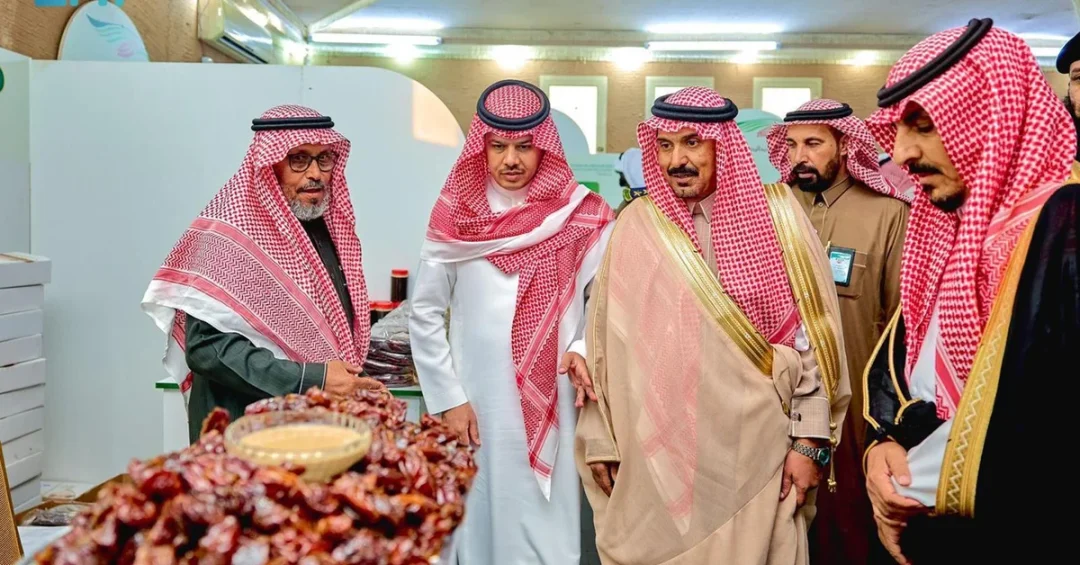
The Fankha Dates Festival 2024 officially opened in the city of Al Kahfa, east of Hail, bringing together 40 local farmers and more than 15 cottage-industry families for a 10-day celebration of one of the Kingdom’s most cherished agricultural traditions. Organized by the regional branch of the Ministry of Environment, Water and Agriculture in collaboration with various government entities and private-sector partners, the festival underscores Saudi Arabia’s commitment to supporting local producers and strengthening the national date industry. The event, announced via the Saudi Press Agency, highlights the unique varieties of dates for which Al Kahfa is renowned and provides a vital platform for marketing and commercial exchange.
Running for ten days, the festival is designed to showcase the diversity of date products cultivated in the Hail region while creating direct market access for farmers and small-scale producers. It also offers a dedicated space for over 15 families engaged in cottage industries to display their handmade goods, ranging from traditional foods to artisanal crafts. The initiative reflects a broader national effort to empower rural communities, preserve heritage, and advance the objectives of Saudi Vision 2030 by diversifying the economy and promoting sustainable agriculture. How often do local agricultural festivals serve as catalysts for long-term economic transformation? In the case of Al Kahfa, the answer may well be: more often than one might think.
Context and Background
What makes the Hail region so uniquely suited to date cultivation? Located in northern Saudi Arabia, Hail has long been recognized for its agricultural output, particularly its premium dates. The Fankha Dates Festival, now in its 2024 edition, builds on a tradition of celebrating this crop that stretches back generations. The Ministry of Environment, Water and Agriculture, through its regional branch, has been instrumental in organizing the event, working alongside other government bodies and private-sector stakeholders to ensure its success. The festival not only honors the region’s agricultural heritage but also serves as a practical marketplace where farmers can connect with buyers, distributors, and consumers.
The choice of Al Kahfa as the host city is significant. This area is famed for its distinct date varieties, which benefit from the region’s climate and soil conditions. By centering the festival in Al Kahfa, organizers aim to draw attention to the local agricultural ecosystem and the families who have sustained it for generations. The participation of 40 farmers and over 15 cottage-industry families demonstrates the scale of engagement and the event’s role in fostering community-based economic development. It also aligns with the Ministry’s broader mandate to enhance food security, support rural livelihoods, and promote Saudi agricultural products both domestically and internationally.
Over the years, similar festivals across the Kingdom have proven effective in boosting sales and raising awareness about the nutritional and cultural value of dates. The Fankha festival is part of this larger movement, which seeks to institutionalize support for farmers through recurring events, training programs, and market linkages. As Saudi Arabia continues to diversify its economy away from oil, agriculture—especially high-value crops like dates—plays an increasingly important role in generating income and employment in rural areas. The festival thus represents a microcosm of the Kingdom’s wider developmental strategy.
Key Details
What exactly can visitors expect at this year’s Fankha Dates Festival? According to Dr. Fahad Al-Hassani, Director General of the Ministry of Environment, Water and Agriculture in the Hail region, the festival aims to promote farmers by showcasing the variety of their date products and facilitating marketing opportunities. The event features displays from 40 farmers, each presenting their finest harvests. In addition, more than 15 families working in cottage industries are exhibiting their products, which include traditional foods, handicrafts, and other locally made goods. This dual focus on agriculture and artisanal production creates a comprehensive experience that highlights the region’s economic and cultural richness.
The festival spans ten days, giving visitors ample opportunity to explore the offerings, interact with producers, and make purchases. It is organized by the regional branch of the Ministry of Environment, Water and Agriculture in collaboration with various government entities and private-sector partners. This multi-stakeholder approach ensures that the event benefits from a wide range of resources and expertise, from logistical support to promotional outreach. The involvement of the private sector also signals growing interest in the date industry as a viable commercial venture, one that can attract investment and innovation.
Dr. Al-Hassani emphasized that the festival seeks to provide platforms for cottage-industry families to exhibit their products, thereby enhancing their visibility and market access. For many of these families, such events are a crucial source of income and a means to sustain traditional skills. By integrating their offerings alongside larger agricultural displays, the festival fosters a sense of community and mutual support. It also educates consumers about the provenance of their food and the importance of supporting local producers, a message that resonates with Saudi Arabia’s broader push for sustainable consumption and production patterns.
International and Regional Impact
How does a local date festival in Hail resonate beyond Saudi borders? The Fankha Dates Festival is part of a wider regional trend in which Gulf countries are investing in agricultural tourism and heritage events to diversify their economies and enhance cultural diplomacy. Dates are a staple across the Middle East and North Africa, and Saudi Arabia is one of the world’s largest producers and exporters. By promoting its unique varieties and supporting farmers, the Kingdom strengthens its position in global date markets and reinforces its image as a custodian of regional agricultural heritage. International buyers and food enthusiasts increasingly look to Saudi dates for their quality and distinctiveness.
Moreover, the festival contributes to the exchange of knowledge and best practices. Farmers and producers who participate can learn about new techniques, market trends, and consumer preferences, which can help them improve their competitiveness. The presence of government entities and private-sector partners facilitates networking and potential collaborations that extend beyond the festival’s duration. In a region where water scarcity and climate change pose significant challenges to agriculture, such collaborative efforts are essential for building resilience and ensuring food security. Saudi Arabia’s leadership in this area serves as a model for neighboring countries grappling with similar issues.
The event also aligns with Saudi Arabia’s efforts to attract international tourists and showcase its cultural richness. As part of Vision 2030, the Kingdom is opening up to the world, and agricultural festivals like this one offer visitors a glimpse into authentic Saudi life. They can experience the warmth of local hospitality, taste fresh dates, and learn about traditional crafts. This cultural exchange fosters mutual understanding and strengthens people-to-people ties, which are vital for long-term international relations. Thus, what might seem like a modest local event actually carries significant diplomatic and economic weight.
Economic and Strategic Significance
Why are dates so important to Saudi Arabia’s economy and strategic goals? Dates are not only a nutritional staple but also a major agricultural export. The Kingdom is among the top global producers, and the date industry supports thousands of jobs across the value chain, from cultivation to processing and marketing. By organizing festivals like the one in Al Kahfa, the Ministry of Environment, Water and Agriculture helps farmers access markets, reduce post-harvest losses, and increase their incomes. This, in turn, stimulates rural development and reduces migration to urban centers, contributing to balanced regional growth—a key objective of Vision 2030.
Furthermore, the festival promotes the cottage industry, which empowers families and preserves traditional crafts. Many of these families are led by women, and their participation aligns with the Vision 2030 goal of increasing women’s economic participation. By providing a platform for these micro-entrepreneurs, the festival helps them reach a broader customer base and scale their operations. The economic multiplier effect is significant: when families earn more, they spend more in their communities, creating a virtuous cycle of local development. The private-sector involvement also signals that these products have commercial potential, attracting investment and innovation.
Strategically, the focus on dates supports food security. Saudi Arabia aims to reduce its reliance on food imports and enhance self-sufficiency in key commodities. Dates are well-suited to the Kingdom’s climate and require relatively less water compared to other crops, making them a sustainable choice. By promoting date cultivation and consumption, the government is working to ensure a stable food supply while also preserving agricultural heritage. The Fankha festival is a practical expression of this strategy, bringing together producers, consumers, and policymakers to celebrate and advance the date sector.
Vision 2030 Alignment
How does the Fankha Dates Festival fit into the grand tapestry of Saudi Vision 2030? Vision 2030 is a comprehensive plan to diversify the economy, empower citizens, and enhance the Kingdom’s global standing. The festival directly supports several of its pillars: economic diversification through agriculture, community empowerment via cottage industries, and cultural preservation through heritage promotion. By investing in events like this, the government demonstrates its commitment to grassroots development and inclusive growth. It also showcases the Kingdom’s ability to host well-organized, multi-stakeholder initiatives that deliver tangible benefits to participants and visitors alike.
In the long term, such festivals contribute to the sustainability of rural economies and the preservation of Saudi cultural identity. They create opportunities for young people to engage in agriculture and crafts, fostering a sense of pride and belonging. As Saudi Arabia continues to open up to the world, these events also serve as windows into its rich heritage, attracting tourists and building international goodwill. The Fankha Dates Festival is more than a seasonal market; it is a statement of the Kingdom’s resolve to honor its past while building a prosperous future. Through initiatives like this, Vision 2030 becomes not just a government plan but a lived reality for communities across the nation.
20 Questions
Q1. What is the Fankha Dates Festival?
A1. The Fankha Dates Festival is a 10-day annual event held in Al Kahfa, east of Hail, Saudi Arabia, celebrating the region’s date harvest. It is organized by the Ministry of Environment, Water and Agriculture to promote local farmers and cottage industries.
Q2. When did the 2024 edition of the festival begin?
A2. The 2024 Fankha Dates Festival kicked off on November 7, 2024, according to the Saudi Press Agency. It runs for ten days, offering ample time for visitors to explore the exhibits and participate in activities.
Q3. Where exactly is the festival taking place?
A3. The festival is held in the city of Al Kahfa, located east of Hail in northern Saudi Arabia. This area is renowned for its unique date varieties and agricultural heritage, making it an ideal host for the event.
Q4. Who is organizing the Fankha Dates Festival?
A4. The event is organized by the regional branch of the Ministry of Environment, Water and Agriculture in collaboration with various government entities and private-sector partners. This multi-stakeholder approach ensures comprehensive support and outreach.
Q5. How many farmers are participating in the festival?
A5. A total of 40 farmers are participating in the 2024 festival, showcasing their date products. Their involvement highlights the scale of the event and its role in supporting local agriculture.
Q6. What is the role of cottage industries at the festival?
A6. Over 15 families working in cottage industries are exhibiting their products, such as traditional foods and handicrafts. The festival provides them a platform to gain visibility and market access, supporting micro-entrepreneurship.
Q7. What did Dr. Fahad Al-Hassani say about the festival?
A7. Dr. Fahad Al-Hassani, Director General of the Ministry in the Hail region, stated that the festival aims to promote farmers by showcasing their date products and facilitating marketing opportunities, while also supporting cottage-industry families.
Q8. What types of dates are showcased at the festival?
A8. The festival showcases the variety of date products for which Al Kahfa is renowned. These include distinct local varieties that benefit from the region’s climate and soil, offering unique flavors and qualities.
Q9. How does the festival support Saudi Vision 2030?
A9. It aligns with Vision 2030 by promoting economic diversification, empowering rural communities, supporting women-led cottage industries, and preserving cultural heritage. It also enhances food security and sustainable agriculture.
Q10. Is the festival open to international visitors?
A10. Yes, the festival is open to all visitors, including international tourists. It offers a chance to experience Saudi hospitality, taste premium dates, and learn about traditional crafts, contributing to cultural exchange.
Q11. What economic benefits does the festival bring to the local community?
A11. The festival stimulates local commerce by connecting farmers and artisans with buyers, increasing incomes and creating a multiplier effect. It also promotes rural development and reduces urban migration, supporting balanced regional growth.
Q12. How long has the Fankha Dates Festival been held?
A12> The festival is an annual event, though the exact number of years it has run is not specified in the source. It has become a recurring fixture on Hail’s agricultural calendar, growing in scale and participation.
Q13. What government entities are involved in the festival?
A13. The primary organizer is the Ministry of Environment, Water and Agriculture’s regional branch, working with various other government entities. These collaborations ensure logistical support, regulatory oversight, and promotional reach.
Q14. How does the festival promote sustainable agriculture?
A14. By supporting date farmers, the festival encourages cultivation of a water-efficient crop suited to the region. It also fosters local consumption, reducing food miles and supporting sustainable practices within the agricultural sector.
Q15. Are there any cultural activities at the festival?
A15. While specific activities are not detailed, the festival includes displays of traditional cottage industry products, which reflect Saudi cultural heritage. Such events often feature folk performances, culinary tastings, and craft demonstrations.
Q16. What is the significance of Al Kahfa in date production?
A16. Al Kahfa is renowned for its unique date varieties, which thrive in the local climate and soil. The area’s agricultural heritage makes it a fitting location for a festival celebrating dates and supporting farmers.
Q17. How can farmers benefit from participating in the festival?
A17. Farmers gain direct access to consumers and buyers, enabling them to market their products, learn about market trends, and network with peers and industry experts. This can lead to increased sales and long-term partnerships.
Q18. Does the festival include any training or workshops?
A18. The source does not mention specific training sessions, but such festivals often include informal knowledge exchange. Farmers and artisans can learn from each other and from government representatives about best practices and support programs.
Q19. What is the expected impact of the festival on the local economy?
A19. The festival is expected to boost local sales, support small businesses, and generate income for participating families. It also raises the profile of Al Kahfa as an agricultural hub, attracting future investment and tourism.
Q20. How does the festival reflect Saudi Arabia’s broader agricultural strategy?
A20. It exemplifies the Kingdom’s focus on sustainable agriculture, rural development, and food security. By promoting high-value crops like dates and supporting small-scale producers, it advances the goals of Vision 2030 for a diversified and resilient economy.
Reader Feedback
We value your thoughts. Please share your feedback on this article.
Your feedback helps us improve our coverage.
Related articles
 SPA Joins Biban24 as Media Partner in Riyadh
 Biban24 Forum Day 4: Fashion, Retail Innovation in Riyadh
 Biban 24 Launches Ibtikar24 Award to Drive Innovation
 Riyadh Municipality Sponsors Cityscape Global 2024
 24 Companies Qualify for EWC Finals at Biban24 in Riyadh
 36 Startups Secure Angel Investments at Biban24