


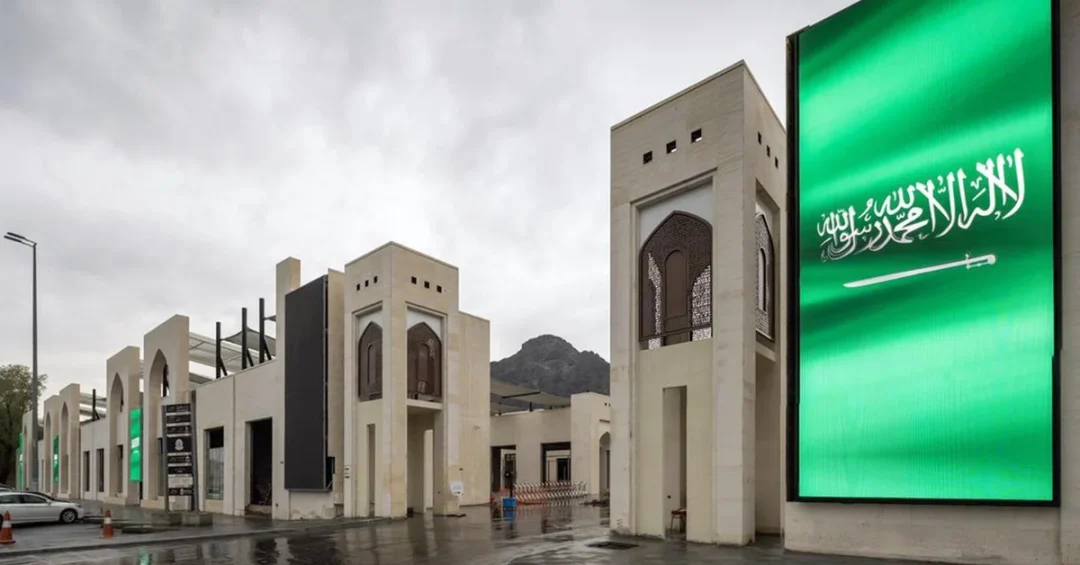
The Royal Commission for Makkah City and Holy Sites (RCMC) concluded its participation in the World Travel Market (WTM) 2024 in London as part of the Saudi pavilion, showcasing Makkah’s historical and cultural landmarks, major investment projects, and efforts to enrich the visitor experience. The event, which ran from November 5 to 7 at the ExCeL London exhibition centre, brought together thousands of tourism professionals, destination representatives, and investors from around the world. RCMC’s presence formed part of a coordinated Saudi national pavilion that presented the Kingdom’s rapidly expanding tourism sector. The commission used the platform to highlight how Makkah is being developed as a global destination that combines spiritual significance with modern infrastructure, heritage preservation, and hospitality excellence.
For international audiences, the participation signals Saudi Arabia’s broader ambition to position Makkah not only as the spiritual heart of the Islamic world but also as a showcase for world-class urban planning and cultural tourism. Under the leadership of the Kingdom’s Vision 2030 reform programme, the tourism sector has become a key pillar of economic diversification, and Makkah sits at the centre of that transformation. RCMC’s presentations in London offered a detailed window into projects that are reshaping the city’s transport networks, public spaces, and historical districts, all while preserving the sanctity and unique character of the Holy City.
Context and Background
What makes Makkah’s presence at a global travel trade event so significant for the international travel industry? The World Travel Market is one of the most influential gatherings in the global tourism calendar, and for Saudi Arabia it represents a strategic opportunity to engage directly with tour operators, investors, and media. The Saudi pavilion at WTM 2024 was organised to present the full breadth of the Kingdom’s tourism offer, from Red Sea resorts and AlUla’s heritage sites to the cultural and spiritual experiences available in Makkah and Madinah. RCMC’s participation was therefore part of a wider national effort to attract visitors and investment while ensuring that the Holy City’s development remains aligned with its religious and cultural importance.
Makkah has long been the destination for millions of pilgrims performing Hajj and Umrah each year, but the city is also undergoing one of the most ambitious urban transformation programmes in the region. The Royal Commission for Makkah City and Holy Sites, established to oversee the integrated development of the city and its holy sites, works across infrastructure, heritage, hospitality, and quality-of-life projects. Its mandate reflects a dual responsibility: to serve the increasing numbers of visitors with efficiency and comfort, and to safeguard the historical and spiritual identity of Makkah for future generations. The London event allowed RCMC to communicate that balance to an international audience.
The timing of the participation is also notable. As global travel continues to recover and expand after the pandemic, competition among destinations for international visitors is intense. Saudi Arabia has set a target of welcoming 150 million visitors annually by 2030 across all categories of tourism, and Makkah is central to achieving that goal. By presenting its projects at WTM, RCMC reinforced the message that the Kingdom is open for business and that Makkah is ready to receive visitors with upgraded services, expanded accommodation, and improved mobility. The event also provided a platform to build partnerships with international hospitality brands, technology providers, and travel agencies.
Key Details of RCMC’s Presentation
What exactly did the Royal Commission showcase to the international travel trade? At the Saudi pavilion, RCMC presented a comprehensive overview of Makkah’s most prominent historical and cultural landmarks, demonstrating the vision and objectives of the commission. The presentation highlighted the unique experiences the city offers, combining spirituality with the natural beauty of its mountains and valleys, alongside a rich historical heritage represented by landmarks and cultural sites. Visitors to the pavilion learned about major investment projects and promising opportunities in the hospitality sector, all aimed at enhancing services and improving the visitor experience.
A central element of the presentation was the detailed overview of infrastructure projects for transportation and the development of Makkah’s public transportation system. This system is designed to provide a seamless and reliable experience, enhance the quality of life for the local community, and offer visitors comfort through Makkah buses, which now operate on 12 routes covering all neighbourhoods. The commission also highlighted its involvement in the developed neighbourhoods project, presenting Makkah as an urban centre with a unique architectural identity that reflects its sanctity and history. These projects are part of a broader effort to ensure that the city’s growth is managed in a way that respects its religious significance while meeting modern standards of urban liveability.
The pavilion also showcased RCMC’s strategy for developing historical and cultural sites, featuring prominent projects such as the Hira Cultural District, the Revelation Exhibition, the Kiswa Factory of the Holy Kaaba, and the Institute of Manuscripts and Revival of Islamic Heritage. Each of these initiatives is designed to deepen the visitor’s understanding of Makkah’s history and Islamic heritage. The Hira Cultural District, for example, offers an immersive experience around the Cave of Hira, while the Revelation Exhibition presents the story of the Quran’s revelation through innovative displays. The Kiswa Factory, where the covering of the Holy Kaaba is produced, provides a rare insight into a centuries-old craft. Together, these projects position Makkah as a destination where spiritual journeys are enriched by cultural and educational experiences.
RCMC also highlighted the role of Makkah’s ring roads in facilitating movement within the city and connecting it to highways that link to nearby cities. This integrated transport approach is essential for managing the flow of millions of pilgrims and residents, particularly during peak seasons. The ring roads and public transport network are part of a long-term plan to reduce congestion, improve safety, and support the city’s expansion. For international visitors, these improvements translate into smoother journeys between the airport, hotels, and the Grand Mosque, allowing more time for worship and exploration.
International and Regional Impact
How does Makkah’s development resonate beyond Saudi Arabia’s borders? The World Travel Market attracts participants from more than 180 countries, and the Saudi pavilion was one of the most visited destinations at the event. RCMC’s engagement with international travel companies, hotel groups, and cultural organisations opens the door to new partnerships that can bring more visitors to the Kingdom. For regional neighbours, Saudi Arabia’s investment in tourism infrastructure creates opportunities for multi-country itineraries, with Makkah as a central spiritual and cultural stop. The improved transport links and hospitality offerings also make it easier for pilgrims from Asia, Africa, Europe, and the Americas to plan their journeys.
The global Muslim population is projected to grow, and demand for Umrah and Hajj is expected to rise accordingly. Saudi Arabia has responded by expanding capacity at the Grand Mosque and upgrading services across Makkah. RCMC’s participation in WTM 2024 communicated that the Kingdom is preparing for this future with a clear strategy. International operators that partner with Saudi entities can benefit from the growing market, while visitors gain access to better facilities and more diverse experiences. The event also allowed RCMC to learn from global best practices in destination management, sustainable tourism, and heritage conservation, which can be applied to Makkah’s ongoing projects.
Economic and Strategic Significance
Why does the development of Makkah matter for Saudi Arabia’s economy? Tourism is a key sector in the Kingdom’s economic diversification strategy, and religious tourism is one of its most resilient components. The government aims to increase the sector’s contribution to GDP and create jobs for Saudi citizens. RCMC’s projects, from transport to heritage, are designed to support these goals by attracting private investment and improving the visitor experience. The hospitality sector in Makkah is expanding, with new hotels, serviced apartments, and retail spaces being developed to meet international standards. These investments generate employment and support local businesses.
The strategic significance of RCMC’s work extends to the broader Middle East. As the host of the Two Holy Mosques, Saudi Arabia holds a unique position in the Islamic world, and the efficient management of pilgrimages is a matter of global importance. By presenting its plans at WTM, RCMC demonstrated that Makkah’s development is being carried out with professionalism, transparency, and a commitment to excellence. The commission’s focus on sustainability, accessibility, and cultural authenticity aligns with international trends in tourism, making Makkah an attractive destination for a wide range of visitors, including those interested in heritage, architecture, and religious history.
Vision 2030 Alignment
How does RCMC’s participation in WTM 2024 reflect the objectives of Saudi Vision 2030? Vision 2030 seeks to transform the Kingdom into a global hub for tourism and investment, and Makkah is a flagship for that transformation. The Royal Commission for Makkah City and Holy Sites is directly supporting Vision 2030 by implementing projects that enhance the quality of life, preserve cultural heritage, and create economic opportunities. The commission’s work on public transport, neighbourhood development, and historical sites contributes to the Vision’s goals of building a vibrant society and a thriving economy. The international exposure gained at WTM helps attract the investment and partnerships needed to sustain this momentum.
Looking ahead, RCMC’s participation in the World Travel Market 2024 is part of a continuous effort to position Makkah as a model city that honours its past while embracing the future. The commission will continue to develop projects that serve pilgrims and residents alike, ensuring that Makkah remains a destination of spiritual fulfilment and cultural discovery. As Saudi Arabia advances towards its Vision 2030 targets, the Kingdom’s leadership remains committed to showcasing the best of Makkah to the world, and events like WTM provide a vital platform for sharing that story. The conclusion of this year’s participation marks another step in Makkah’s journey as a global destination, and the partnerships formed in London will help shape the city’s next chapter of growth and hospitality excellence.
20 Questions
Q1. What was the main purpose of RCMC’s participation in the World Travel Market 2024?
A1. RCMC participated to showcase Makkah’s historical and cultural landmarks, promote investment opportunities, and highlight efforts to enrich the visitor experience, all as part of the Saudi pavilion at the London event.
Q2. Where and when did the World Travel Market 2024 take place?
A2. The event was held in London from November 5 to 7, 2024, at the ExCeL London exhibition centre, attracting tourism professionals and investors from around the world.
Q3. What are some of the historical and cultural sites highlighted by RCMC?
A3. RCMC showcased the Hira Cultural District, the Revelation Exhibition, the Kiswa Factory of the Holy Kaaba, and the Institute of Manuscripts and Revival of Islamic Heritage, among other landmarks.
Q4. How does Makkah’s public transportation system benefit visitors?
A4. Makkah buses operate on 12 routes covering all neighbourhoods, providing a seamless and reliable experience that enhances comfort for visitors and improves quality of life for residents.
Q5. What is the developed neighbourhoods project mentioned by RCMC?
A5. It is an initiative to present Makkah as an urban centre with a unique architectural identity that reflects its sanctity and history, while improving infrastructure and services for the community.
Q6. How do Makkah’s ring roads facilitate movement in the city?
A6. The ring roads ease internal movement and connect Makkah to highways linking nearby cities, helping manage pilgrim flows and reducing congestion during peak seasons.
Q7. What is the Hira Cultural District?
A7. It is a project that offers an immersive experience around the Cave of Hira, providing visitors with insights into the early history of Islam and the spiritual significance of the site.
Q8. What does the Revelation Exhibition present?
A8. The Revelation Exhibition presents the story of the Quran’s revelation through innovative displays, offering an educational and spiritual experience for visitors to Makkah.
Q9. What is the significance of the Kiswa Factory of the Holy Kaaba?
A9. The factory produces the covering of the Holy Kaaba, a centuries-old craft that visitors can learn about, showcasing the cultural and religious heritage of Makkah.
Q10. What role does the Institute of Manuscripts and Revival of Islamic Heritage play?
A10. The institute works to preserve and revive Islamic heritage through the conservation of manuscripts and support for scholarly research, enriching Makkah’s cultural landscape.
Q11. How does RCMC’s work align with Saudi Vision 2030?
A11. RCMC’s projects support Vision 2030 by enhancing quality of life, preserving heritage, creating economic opportunities, and helping Saudi Arabia become a global tourism hub.
Q12. What investment opportunities did RCMC highlight in London?
A12. RCMC presented opportunities in the hospitality sector, major development projects, and infrastructure, aimed at attracting international partners and improving services for visitors.
Q13. How many visitors does Saudi Arabia aim to attract annually by 2030?
A13. Saudi Arabia aims to welcome 150 million visitors annually by 2030 across all tourism categories, with Makkah playing a central role in achieving this target.
Q14. What is the significance of the World Travel Market for Saudi Arabia?
A14. It is a key platform to engage with global travel operators, investors, and media, promoting the Kingdom’s tourism offerings and building partnerships that support Vision 2030.
Q15. How does RCMC ensure that development respects Makkah’s sanctity?
A15. RCMC integrates heritage preservation with modern infrastructure, ensuring that projects enhance the visitor experience while maintaining the city’s religious and cultural identity.
Q16. What are the benefits of the Makkah bus network for residents?
A16. The bus network improves mobility, reduces traffic congestion, and enhances the quality of life for the local community by providing reliable public transport across all neighbourhoods.
Q17. How does RCMC’s participation benefit international tour operators?
A17. It provides them with firsthand information about Makkah’s tourism products, investment opportunities, and improved services, enabling them to create attractive packages for their clients.
Q18. What is the Royal Commission for Makkah City and Holy Sites?
A18. It is a Saudi government body responsible for the integrated development of Makkah and its holy sites, overseeing infrastructure, heritage, hospitality, and quality-of-life projects.
Q19. How does the development of Makkah contribute to the local economy?
A19. It creates jobs, attracts private investment, supports local businesses, and boosts the hospitality sector, contributing to Saudi Arabia’s economic diversification goals.
Q20. What can visitors expect from Makkah in the future?
A20. Visitors can expect improved transport, expanded hospitality, enriched cultural experiences, and a seamless journey that combines spiritual fulfilment with modern comfort and heritage discovery.
Reader Feedback
We value your thoughts. Please share your feedback on this article.
Your feedback helps us improve our coverage.
Related articles
 Riyadh Season 2024 Draws Four Million Visitors in Under a Month
 Saudi Tourism Authority Launches AI Guide SARA
 Tabuk’s Harrat Lunayyir: A Volcanic Wonderland
 TDF at World Travel Market Reinforces Saudi Tourism Hub
 Saudi ACP Highlights 12 New Airlines at Hong Kong Expo
 TDF Drives Tourism Innovation at Biban24 with Key Agreements