


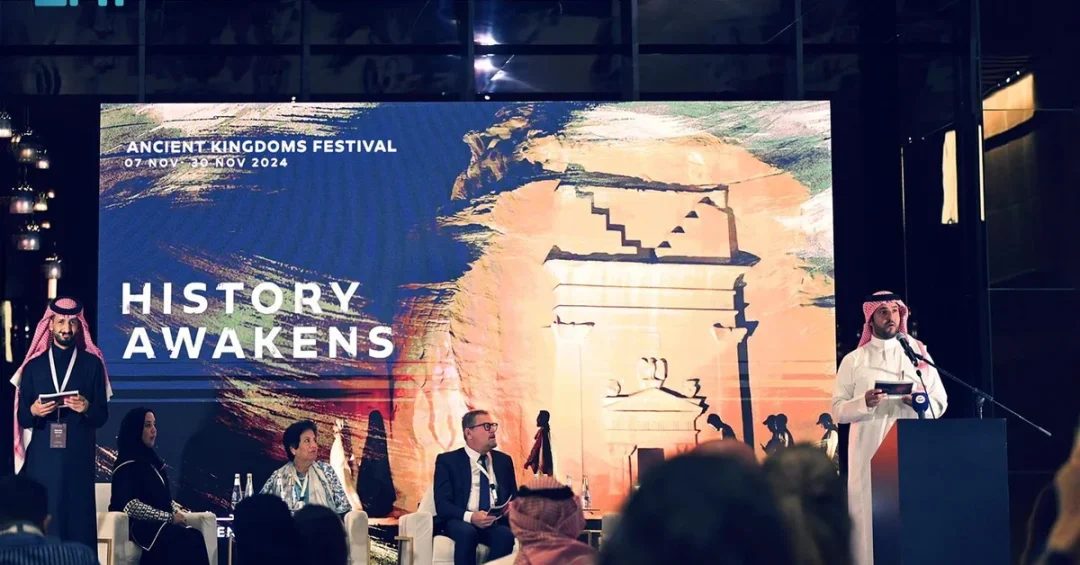
The Ancient Kingdoms Festival commenced in AlUla on November 7, 2024, and will run until November 30, celebrating the rich history of the ancient civilizations that once thrived in the region. The festival, announced via the Saudi Press Agency (SPA), offers visitors a unique experience that combines heritage and culture through a variety of events. Have you ever wondered what it would be like to walk through the footsteps of ancient civilizations? This month-long celebration in AlUla brings that possibility to life, inviting travelers from around the world to immerse themselves in the stories of the past while enjoying the comforts of modern hospitality. The festival is part of Saudi Arabia’s broader efforts to showcase its cultural heritage and promote tourism under Vision 2030, the Kingdom’s ambitious plan to diversify its economy and open its doors to the world.
AlUla, located in the northwest of Saudi Arabia, is a region steeped in history, home to the Nabataean kingdom of Hegra, Saudi Arabia’s first UNESCO World Heritage Site. The Ancient Kingdoms Festival is designed to highlight this legacy, offering daytime activities, exploratory tours, and night excursions inspired by ancient stories, all guided by a specialized team to ensure an exceptional guest experience. As visitors explore the ancient tombs and rock formations, they are not merely tourists but participants in a living history, one that Saudi Arabia is eager to share with the global community. Isn’t it remarkable how a place can preserve its past while embracing its future?
Context and Background
What makes AlUla such a compelling destination for cultural tourism? The answer lies in its unique blend of natural beauty and archaeological significance. AlUla was once a bustling center on the Incense Road, a network of trade routes that connected the Arabian Peninsula with the Mediterranean world. The Nabataeans, who carved magnificent tombs into the sandstone outcrops of Hegra, left behind a legacy that continues to fascinate historians and travelers alike. The Ancient Kingdoms Festival builds on this heritage, transforming the region into a stage for cultural exchange and discovery. By hosting events like the “Masterpieces of the MANN” exhibition, featuring artifacts from Pompeii and Herculaneum from the National Archaeological Museum of Naples, the festival bridges the gap between ancient Rome and ancient Arabia, demonstrating the interconnectedness of civilizations.
The festival is a key component of Saudi Arabia’s Vision 2030, which aims to increase tourism’s contribution to the national economy and position the Kingdom as a global destination for culture and heritage. The Royal Commission for AlUla (RCU) has been instrumental in developing the region’s infrastructure and curating experiences that respect its historical integrity while providing modern amenities. This careful balance ensures that visitors can enjoy the wonders of AlUla without compromising its authenticity. As the Kingdom opens up to international visitors, events like the Ancient Kingdoms Festival serve as a bridge between Saudi Arabia and the world, fostering mutual understanding and appreciation. How often does one get the chance to witness such a harmonious fusion of past and present?
Key Details
The Ancient Kingdoms Festival offers a diverse program designed to cater to a wide range of interests. One of the highlights is the “Hegra After Dark” event, which takes place at Saudi Arabia’s first UNESCO World Heritage Site. This nighttime experience allows visitors to explore the ancient Nabataean tombs under the stars, accompanied by immersive storytelling and lighting that brings the history to life. Additionally, drone shows illuminate the desert sky, creating a spectacle that blends technology with tradition. The Hegra Candlelit Classics series features music concerts in a magical setting, where the flicker of candles enhances the acoustic performances. These events are not just entertainment; they are carefully crafted to evoke the spirit of the ancient kingdoms that once flourished here.
For those seeking adventure, the “Quest for the Ancient Kingdoms” tour in Wadi AlNaam (Valley of the Ostriches) offers a journey through breathtaking rock formations and hidden archaeological sites. Guided by experts, participants can learn about the geological and historical significance of the area. Meanwhile, “The Incense Road Experience” in AlUla’s Old Town provides an immersive journey through narrow alleys lined with traditional mud-brick buildings. This experience blends live performances and modern technology to tell interactive stories, unveiling archaeological treasures in a captivating mix of past and present. Visitors can also check the official website, experiencealula.com, for more information and to plan their visit. With so much to see and do, how could anyone resist the allure of AlUla during this festival?
International and Regional Impact
The Ancient Kingdoms Festival is more than a local celebration; it has significant implications for regional tourism and international cultural exchange. By hosting an exhibition from the National Archaeological Museum of Naples, Saudi Arabia strengthens its cultural ties with Italy and Europe, showcasing its commitment to preserving and sharing global heritage. This collaboration not only brings world-class artifacts to the Kingdom but also positions AlUla as a crossroads of civilizations, where East meets West in a spirit of mutual respect. The festival attracts visitors from around the globe, boosting the local economy and creating opportunities for cultural dialogue. In a world often divided by differences, isn’t it refreshing to see a nation using its heritage to build bridges?
Regionally, the festival contributes to Saudi Arabia’s efforts to diversify its tourism offerings beyond religious pilgrimage, which has long been a mainstay. By promoting cultural and heritage tourism, the Kingdom appeals to a broader demographic, including history enthusiasts, adventure travelers, and families. This aligns with Vision 2030’s goal of increasing the number of international visitors and enhancing the Kingdom’s image as a welcoming and dynamic destination. The event also creates jobs and supports local businesses, from hotels and restaurants to artisans and guides, ensuring that the benefits of tourism are felt throughout the community. As AlUla gains recognition on the world stage, it sets a precedent for other regions in Saudi Arabia to develop their own cultural assets. What other hidden gems might the Kingdom reveal in the years to come?
Economic and Strategic Significance
The economic impact of the Ancient Kingdoms Festival extends beyond ticket sales and hotel bookings. It represents a strategic investment in Saudi Arabia’s tourism infrastructure, which is a cornerstone of Vision 2030. The Royal Commission for AlUla has overseen significant developments, including the restoration of heritage sites, the creation of world-class venues like Maraya, and the enhancement of transportation links. These investments are designed to attract long-term tourism and foreign investment, contributing to the Kingdom’s economic diversification. The festival also serves as a testing ground for innovative tourism experiences, such as drone shows and interactive storytelling, which can be replicated in other parts of the country. By showcasing its ability to host large-scale cultural events, Saudi Arabia demonstrates its readiness to compete in the global tourism market.
Strategically, the festival reinforces Saudi Arabia’s soft power and cultural diplomacy. By inviting the world to experience its heritage, the Kingdom challenges stereotypes and presents a forward-looking image that balances tradition with modernity. This is particularly important as Saudi Arabia assumes a more prominent role on the international stage, hosting events like Expo 2030 and the FIFA World Cup 2034. The Ancient Kingdoms Festival is a testament to the Kingdom’s ability to manage complex projects and deliver exceptional experiences, further enhancing its reputation as a reliable partner and a desirable destination. In an era where cultural tourism is a major driver of global travel, Saudi Arabia is positioning itself as a leader. Could there be a more effective way to showcase a nation’s progress than by celebrating its past?
Vision 2030 Alignment
The Ancient Kingdoms Festival is a shining example of Vision 2030 in action. Launched in 2016 by Crown Prince Mohammed bin Salman, Vision 2030 aims to transform Saudi Arabia’s economy by reducing its dependence on oil and investing in sectors like tourism, entertainment, and culture. The festival directly supports these goals by attracting international visitors, generating revenue, and creating jobs. It also aligns with the Quality of Life Program, which seeks to enhance the lives of citizens and residents by providing enriching cultural experiences. By leveraging its unique heritage, AlUla is contributing to the national narrative of progress and openness, showing that Saudi Arabia is not only preserving its past but also building a vibrant future.
As the Ancient Kingdoms Festival continues until November 30, it invites the world to discover the wonders of AlUla and the enduring legacy of the ancient kingdoms. This event is more than a celebration; it is a statement of Saudi Arabia’s commitment to cultural preservation, economic diversification, and global engagement. Through such initiatives, the Kingdom is creating a legacy for future generations, one that honors the past while embracing the opportunities of tomorrow. Whether you are a history buff, an adventure seeker, or simply curious about the world, AlUla offers an experience that will leave you inspired. So why not be part of this extraordinary journey? The ancient kingdoms await.
20 Questions
Q1. What is the Ancient Kingdoms Festival?
A1. The Ancient Kingdoms Festival is a cultural event in AlUla, Saudi Arabia, celebrating the region’s ancient civilizations through exhibitions, tours, and performances. It runs from November 7 to November 30, 2024, offering visitors a blend of heritage and modern experiences.
Q2. Where is AlUla located?
A2. AlUla is in northwestern Saudi Arabia, known for its stunning desert landscapes and archaeological sites. It is home to Hegra, the Kingdom’s first UNESCO World Heritage Site, and was historically a key stop on the Incense Road.
Q3. What can visitors expect at the festival?
A3. Visitors can enjoy daytime activities, exploratory tours, and night excursions. Highlights include the “Masterpieces of the MANN” exhibition, “Hegra After Dark,” drone shows, and the Hegra Candlelit Classics music series, all guided by specialists for an exceptional experience.
Q4. What is the “Masterpieces of the MANN” exhibition?
A4. It is an exhibition from the National Archaeological Museum of Naples, hosted at Maraya in AlUla. It showcases artifacts from Pompeii and Herculaneum, displayed in Saudi Arabia for the first time, fostering cultural exchange between Italy and the Kingdom.
Q5. What is “Hegra After Dark”?
A5. “Hegra After Dark” is a nighttime event at Hegra, Saudi Arabia’s first UNESCO World Heritage Site. Visitors explore the ancient Nabataean tombs under the stars, accompanied by immersive storytelling and lighting that brings history to life.
Q6. What is the “Quest for the Ancient Kingdoms” tour?
A6. This tour takes place in Wadi AlNaam (Valley of the Ostriches), known for its breathtaking rock formations. Guided by experts, participants learn about the geological and historical significance of the area while exploring hidden archaeological sites.
Q7. What is “The Incense Road Experience”?
A7. Located in AlUla’s Old Town, this immersive journey through narrow alleys lined with traditional mud-brick buildings blends live performances and modern technology to tell interactive stories, unveiling archaeological treasures in a captivating mix of past and present.
Q8. How does the festival support Vision 2030?
A8. The festival supports Vision 2030 by boosting tourism, creating jobs, and showcasing Saudi Arabia’s cultural heritage. It aligns with the Quality of Life Program and the goal to diversify the economy away from oil dependence.
Q9. Who organizes the Ancient Kingdoms Festival?
A9. The festival is organized by the Royal Commission for AlUla (RCU) in collaboration with various partners. The RCU is responsible for preserving and developing AlUla as a premier cultural and tourism destination.
Q10. What is the significance of Hegra?
A10. Hegra is Saudi Arabia’s first UNESCO World Heritage Site, featuring monumental tombs carved by the Nabataean civilization. It offers invaluable insights into ancient trade routes and cultural exchanges in the region.
Q11. Are there musical performances at the festival?
A11. Yes, the Hegra Candlelit Classics series features music concerts in a magical setting, where candlelight enhances the acoustic performances. These concerts are part of the festival’s diverse program.
Q12. What are the drone shows about?
A12. The drone shows illuminate the desert sky with synchronized lights, creating a spectacle that blends technology with tradition. They are designed to entertain and awe visitors of all ages.
Q13. Is the festival suitable for families?
A13. Absolutely. The festival offers activities for all ages, from educational tours to interactive experiences. Families can enjoy the exhibitions, tours, and performances together, making it a memorable outing.
Q14. How can visitors get more information?
A14. Visitors can check the official website, experiencealula.com, for detailed information on schedules, tickets, and accommodations. The site provides comprehensive resources to plan a visit.
Q15. What is the economic impact of the festival?
A15. The festival boosts the local economy by attracting international and domestic tourists, supporting hotels, restaurants, and local businesses. It also creates jobs and stimulates investment in tourism infrastructure.
Q16. How does the festival promote cultural exchange?
A16. By hosting international exhibitions like the MANN artifacts and welcoming visitors from around the world, the festival fosters cultural dialogue and mutual understanding, positioning Saudi Arabia as a global cultural hub.
Q17. What other attractions are near AlUla?
A17. Nearby attractions include Elephant Rock, Maraya concert hall, and the AlUla Old Town. Visitors can also explore the Dadan and Lihyan kingdoms’ archaeological sites, adding depth to their historical journey.
Q18. Is the festival part of a larger Saudi tourism initiative?
A18. Yes, it is part of Saudi Arabia’s broader efforts to promote cultural and heritage tourism under Vision 2030. The Kingdom aims to attract 100 million visitors annually by 2030, with AlUla as a key destination.
Q19. What safety measures are in place for visitors?
A19. The organizers prioritize visitor safety with professional guides, well-maintained sites, and adherence to international standards. Health and safety protocols are implemented to ensure a secure and enjoyable experience for all attendees.
Q20. How does the festival reflect Saudi Arabia’s modernization?
A20. The festival showcases Saudi Arabia’s ability to blend tradition with modernity, using advanced technology and world-class event management. It reflects the Kingdom’s progress in opening up to the world while preserving its heritage.
Reader Feedback
We value your thoughts. Please share your feedback on this article.
Your feedback helps us improve our coverage.
Related articles
 RCMC Concludes Participation in World Travel Market 2024
 Riyadh Season 2024 Draws Four Million Visitors in Under a Month
 Saudi Tourism Authority Launches AI Guide SARA
 Tabuk’s Harrat Lunayyir: A Volcanic Wonderland
 TDF at World Travel Market Reinforces Saudi Tourism Hub
 Saudi ACP Highlights 12 New Airlines at Hong Kong Expo