


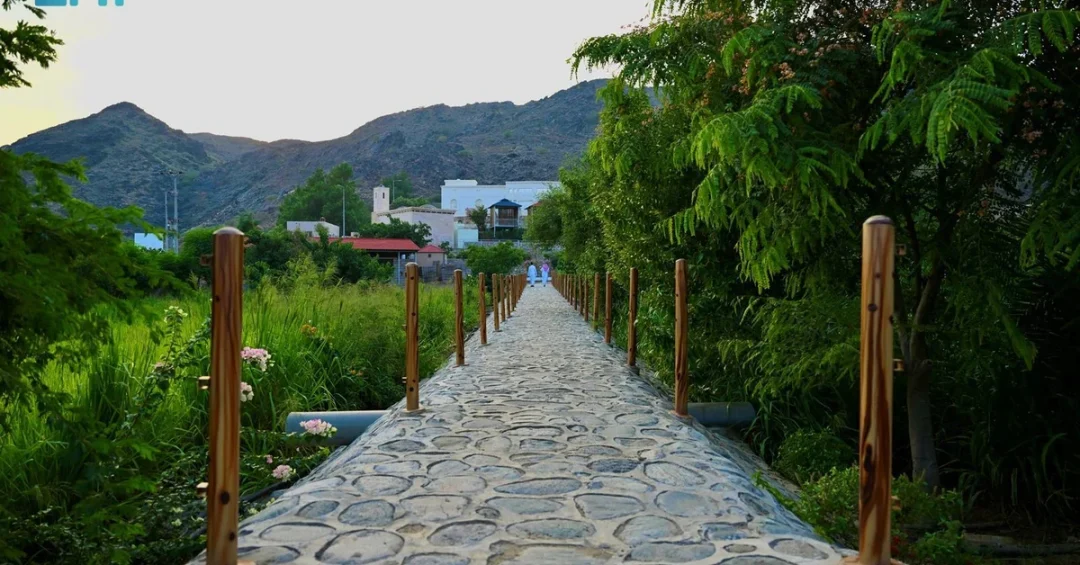
Tourist farms across the Al-Baha region have become sought-after destinations for visitors seeking a peaceful retreat from city life, offering a distinctive blend of natural beauty, agricultural experiences, and outdoor recreation, according to information released through official Saudi channels. The farms, scattered across the fertile highlands of southwestern Saudi Arabia, allow guests to immerse themselves in rural life through activities such as fruit picking, crop harvesting, and hands-on learning about organic farming techniques. For a growing number of domestic and international travelers, these working farms represent a different face of Saudi tourism — quieter, greener, and deeply connected to the land.
The development reflects a broader shift in the Kingdom’s tourism landscape, in which rural and agricultural experiences are being positioned alongside the country’s headline destinations. Al-Baha, known for its cool climate, terraced hillsides, and dense juniper forests, has natural advantages that make it well suited to this kind of travel. The region’s farms are not simply scenic backdrops; they are functioning agricultural enterprises that have opened their gates to visitors, creating a new interface between farming communities and the traveling public. Could this model of agritourism become a template for other agricultural regions of the Kingdom? The early evidence from Al-Baha suggests it is already doing so.
Context and Background
Why has agritourism taken root so firmly in Al-Baha? The answer lies partly in geography and partly in deliberate policy. The region sits in the Sarawat Mountains of southwestern Saudi Arabia, where higher elevations produce milder temperatures and more reliable rainfall than much of the country. This environment supports the cultivation of fruits such as pomegranates, figs, grapes, and citrus, along with honey production that enjoys a strong reputation across the Kingdom. For generations, these farms were purely agricultural. In recent years, however, their owners have begun to see visitors as partners rather than outsiders — guests who value authenticity and are willing to pay for it.
Eng. Fahd Al-Zahrani, director of the Ministry of Environment, Water and Agriculture branch in Al-Baha, has highlighted the growing importance of agritourism in the region, noting that it creates jobs, boosts the local economy, and helps diversify the tourism sector. His remarks, carried by the Saudi Press Agency, frame farm-based tourism not as a novelty but as a strategic component of rural development. The ministry’s involvement signals that this is a coordinated effort, aligned with national priorities rather than an isolated commercial trend. For international observers, the significance is clear: Saudi Arabia is building tourism capacity not only in its cities and along its coasts, but also in its agricultural heartlands.
The timing matters as well. As the Kingdom continues to expand its tourism offering under Vision 2030, demand is rising for experiences that feel personal, educational, and environmentally responsible. Tourist farms in Al-Baha answer that demand directly. They also provide a counterpoint to the perception that Saudi tourism is exclusively about mega-projects and urban entertainment. Here, the appeal is the opposite of spectacle: quiet orchards, mountain air, and the rhythm of the harvest.
Key Details
What exactly can visitors expect when they arrive at one of these farms? The activities are deliberately participatory. Guests can join fruit-picking sessions, assist with crop harvesting, and learn about organic farming techniques from the people who work the land. These are not staged demonstrations; they are working operations, which gives the experience a credibility that purely recreational attractions often lack. Families in particular find the hands-on format appealing, as it offers children a tangible connection to food production and rural life that is increasingly rare in urban settings.
Beyond agriculture, the farms provide opportunities for outdoor recreation such as cycling and nature walks along trails that wind through terraced fields and juniper woodland. Several farms go further, offering overnight stays that allow visitors to experience the serene beauty of the region under starry night skies. Accommodation of this kind is typically simple and integrated into the farm environment, reinforcing the sense of escape. The combination of daytime activity and evening tranquility gives guests a reason to extend their visit beyond a single afternoon — an important factor for local businesses.
Environmental responsibility runs through the entire model. The farms are committed to sustainability and use eco-friendly practices to protect the environment, from water-conserving irrigation methods suited to the region’s climate to organic cultivation that avoids harmful chemicals. For visitors, this commitment is part of the attraction rather than an abstract virtue. Travelers increasingly want to know that their leisure spending supports rather than degrades the landscapes they have come to enjoy. In Al-Baha, that alignment is built into the product itself.
International and Regional Impact
How does a network of farm stays in a single Saudi region connect to wider trends? Regionally, agritourism is gaining ground across the Gulf as governments look for ways to diversify rural incomes and attract travelers beyond the traditional peak seasons. Al-Baha’s farms contribute to that movement by demonstrating that agricultural land can generate tourism revenue without being converted to other uses. This matters for food security and rural employment alike, and it gives other regions a working example to study.
Internationally, the appeal is equally clear. Travelers from Europe, Asia, and North America are increasingly drawn to experiential travel — journeys built around participation, learning, and local culture rather than passive sightseeing. Saudi Arabia’s farm stays fit that profile neatly, and they offer a gentle, welcoming introduction to the Kingdom’s rural heritage. For a global audience that may be unfamiliar with the country’s highland landscapes, Al-Baha presents an image of Saudi Arabia that is green, hospitable, and grounded in tradition, complementing the better-known narratives of desert and coastline.
Economic and Strategic Significance
Why should economists and policymakers pay attention to farm-based tourism? The economic logic is straightforward. Every visitor who picks fruit, books an overnight stay, or hires a bicycle injects spending directly into rural communities, where it supports farm incomes, creates jobs, and encourages small businesses such as local food producers and guides. Eng. Fahd Al-Zahrani’s emphasis on job creation reflects this reality. Unlike capital-intensive tourism developments, agritourism spreads benefits across many small operators, which makes it a particularly effective tool for rural development.
Strategically, the sector strengthens the resilience of the Kingdom’s tourism industry. By adding agricultural experiences to a portfolio that already includes heritage sites, coastal resorts, and major events, Saudi Arabia reduces its reliance on any single type of visitor or season. Al-Baha’s cooler climate, in particular, makes it attractive during warmer months, when other regions are less comfortable for outdoor activity. This seasonal complementarity is a genuine competitive advantage, and it helps smooth demand across the year for the national tourism sector as a whole.
Vision 2030 Alignment
How does a quiet orchard in Al-Baha connect to a national transformation program? The link is direct. Vision 2030 calls for a diversified economy, expanded tourism, and improved quality of life for citizens and residents, with rural regions playing a full part in national progress. Tourist farms advance all three goals at once: they generate income outside the oil economy, they attract visitors to areas that might otherwise be overlooked, and they preserve agricultural heritage while making it accessible to the public. The Ministry of Environment, Water and Agriculture’s support for the sector reflects this integrated approach.
For international readers, the story of Al-Baha’s tourist farms is ultimately a story about balance. The Kingdom is pursuing ambitious urban and coastal development while simultaneously investing in the landscapes and communities that give the country its character. Visitors who spend a night on a farm beneath the stars, or who learn to harvest a crop from the people who grow it, take away an understanding of Saudi Arabia that no brochure could provide. As agritourism continues to develop in the region, Al-Baha offers a compelling example of how the Kingdom’s rural heritage and its modern ambitions can grow together — sustainably, respectfully, and to the benefit of all.
20 Questions
Q1. What are tourist farms in Al-Baha?
A1. Tourist farms in Al-Baha are working agricultural estates that welcome visitors, offering fruit picking, crop harvesting, organic farming lessons, and outdoor recreation. They combine rural life with hospitality, providing a peaceful retreat from city life.
Q2. Where is the Al-Baha region located?
A2. Al-Baha is in southwestern Saudi Arabia, in the Sarawat Mountains. Its higher elevation brings milder temperatures and more rainfall, supporting orchards, terraced fields, and juniper forests that make it ideal for agricultural tourism.
Q3. What activities can visitors enjoy on these farms?
A3. Visitors can pick fruit, help with crop harvesting, learn organic farming techniques, cycle along rural trails, and take nature walks. Some farms also offer overnight stays under starry night skies.
Q4. Who is Eng. Fahd Al-Zahrani?
A4. Eng. Fahd Al-Zahrani is the director of the Ministry of Environment, Water and Agriculture branch in Al-Baha. He has highlighted how agritourism creates jobs, boosts the local economy, and diversifies the tourism sector.
Q5. Why is agritourism important for the local economy?
A5. Agritourism brings visitor spending directly into rural communities, supporting farm incomes and creating jobs. It also encourages small businesses such as local food producers and guides, spreading economic benefits across many operators.
Q6. How do these farms support sustainability?
A6. The farms use eco-friendly practices, including water-conserving irrigation suited to the region’s climate and organic cultivation that avoids harmful chemicals. This protects the environment while giving visitors a responsible travel experience.
Q7. Can visitors stay overnight on the farms?
A7. Yes. Several farms offer overnight stays, allowing guests to experience the region’s serene beauty under starry night skies. Accommodation is typically simple and integrated into the farm setting.
Q8. What makes Al-Baha’s climate suitable for farming?
A8. Its mountainous elevation produces cooler temperatures and more reliable rainfall than much of Saudi Arabia. This supports fruits such as pomegranates, figs, grapes, and citrus, along with honey production.
Q9. How does agritourism help diversify Saudi tourism?
A9. It adds agricultural and rural experiences to a portfolio that includes heritage, coastal resorts, and major events. This reduces reliance on any single type of visitor or season and broadens the Kingdom’s appeal.
Q10. Is agritourism suitable for families?
A10. Yes. The hands-on format appeals to families because children can connect directly with food production and rural life. Activities like fruit picking and nature walks are accessible and educational for all ages.
Q11. What role does the Ministry of Environment, Water and Agriculture play?
A11. The ministry supports and promotes agritourism through its Al-Baha branch, recognizing its role in job creation, local economic growth, and tourism diversification. Its involvement signals coordinated national backing for the sector.
Q12. When did tourist farms become popular in Al-Baha?
A12. Their popularity has grown in recent years as demand for experiential and rural travel has risen in the Kingdom. Official Saudi channels reported the trend in November 2024, reflecting its increasing prominence.
Q13. What crops are typically grown on Al-Baha farms?
A13. Farms in the region cultivate pomegranates, figs, grapes, and citrus, among other fruits, and are known for honey production. The mountainous terrain and climate favor these crops.
Q14. How do tourist farms create jobs?
A14. They require staff for guiding, hospitality, maintenance, and food service, and they stimulate demand for local suppliers. This generates employment in rural areas where opportunities are often limited.
Q15. Are the farms accessible to international visitors?
A15. Yes. As part of Saudi Arabia’s expanding tourism sector, the farms welcome international guests. Visitors can arrange trips through tourism operators and experience rural Saudi hospitality firsthand.
Q16. What is the significance of organic farming at these sites?
A16. Organic techniques protect soil and water, produce healthier food, and give visitors an educational insight into sustainable agriculture. They also align with global consumer preferences for environmentally responsible products.
Q17. How does agritourism align with Vision 2030?
A17. Vision 2030 seeks economic diversification, tourism growth, and improved quality of life. Tourist farms advance these goals by generating rural income, attracting visitors, and preserving agricultural heritage.
Q18. What recreational options exist beyond farming activities?
A18. Visitors can cycle along rural routes and take nature walks through terraced fields and juniper woodland. These activities complement the agricultural experiences and encourage longer stays.
Q19. Why is Al-Baha attractive during warmer months?
A19. Its high elevation keeps temperatures milder than other regions, making outdoor activities comfortable when much of the Kingdom is hot. This seasonal advantage helps sustain tourism demand across the year.
Q20. What does the future hold for Al-Baha’s tourist farms?
A20. With continued official support and rising demand for experiential travel, the sector is expected to grow, creating more jobs and reinforcing Al-Baha’s position as a leading destination for peaceful rural retreats in Saudi Arabia.
Reader Feedback
We value your thoughts. Please share your feedback on this article.
Your feedback helps us improve our coverage.
Related articles
 AROYA Cruises Unveils Khuzama Luxury Experience
 Northern Borders Region Blooms After Rainfalls
 King Abdulaziz Public Library Unveils Cultural Tourism Strategy
 Tourism Vice Minister: Saudi Transformation Offers Youth Opportunity
 Iranian Saffron Fascinates Boulevard World Visitors
 AlUla Trail Race 2025: Challenge and Adventure in Saudi